

Understanding Trading Charts for Kenyan Traders
📊 Master trading charts with this practical guide for Kenyan traders. Understand timeframes, patterns, and indicators to boost your investment decisions confidently.
Edited By
Isabella Wright
Sarafu is a Swahili word simply meaning currency or money. In Kenya, sarafu traditionally refers to physical coins and notes used in everyday trade, but its role has evolved with technology and economic changes. Understanding sarafu means understanding how money functions within the Kenyan economy, from hand-to-hand cash payments to digital transactions.
Kenya's monetary system relies primarily on the Kenyan Shilling (KSh), which serves as the official sarafu managed by the Central Bank of Kenya (CBK). Still, sarafu embraces more than just physical cash—it includes digital forms such as M-Pesa balances and other electronic money, reflecting the country’s significant mobile money adoption.
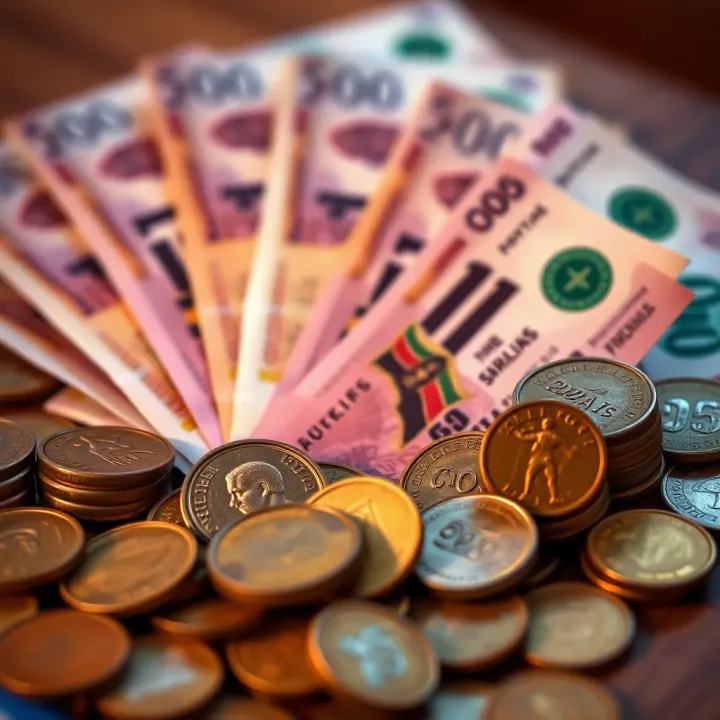
Sarafu acts as the lifeblood of Kenya’s hustle economy—whether you’re buying groceries in a duka or paying your boda boda rider, currency fuels daily activities.
The physical currency remains critical, especially in areas with limited internet connectivity or for informal sector transactions. Coins of various denominations from 1 shilling to 40 shillings circulate, making small daily payments easy. Notes denominated from KSh 50 up to KSh 1,000 support larger purchases.
Mobile money platforms like M-Pesa have introduced a new era for sarafu. Digital wallets enable Kenyans to send, receive, and store money on mobile phones, making it simple to transact without physical cash. This form of sarafu supports everything from paying for jua kali services to buying airtime or transferring funds across counties.
For traders and investors, sarafu is not just money but a medium of exchange, store of value, and unit of account. It influences pricing, investment decisions, and savings behaviour. Kenya’s growing digital economy hinges on efficient, trustworthy sarafu systems that enhance liquidity and financial inclusion.
From educators explaining economic principles to brokers assessing currency risk, understanding the forms of sarafu helps grasp Kenya’s monetary dynamics and prepare for future developments.
In the next sections, we will explore the history of Kenyan currency, the mechanics of physical and digital sarafu in transactions, and trends shaping how Kenyans will use money in years to come.
Sarafu is a word deeply embedded in Kenya’s day-to-day life, representing more than just money. To many Kenyans—whether in Nairobi’s bustling markets or rural shambas—sarafu simply means currency or cash. But its significance stretches beyond that; it is the lifeblood of trade, savings, and value exchange within communities.
Literally, sarafu is Swahili for "currency" or "money." It refers to anything used as a medium of exchange, either coins, banknotes, or even mobile money balances. In everyday conversation, it’s common for a businessperson or trader to say, "Nahitaji sarafu," which means they need money to complete a transaction. This simple term covers all forms of payment recognized socially as valuable, marking its practical importance.
Sarafu functions as the unit of value in Kenya’s economy—what people use to buy goods, pay for services, and save. At a practical level, the Kenyan Shilling (KSh) is the official sarafu, but in recent years, digital versions like M-Pesa balances have become equally vital. For example, a hawker might accept KSh 500 in cash or its equivalent on M-Pesa, showing how sarafu adapts to modern payment trends. Understanding sarafu helps clarify how transactions unfold in the Kenyan economy, especially as the mix between physical and digital currency grows.
The word sarafu stems from classical Swahili, which absorbed influences from Arabic and other languages along the East African coast. Historically, it described coinage or precious metal discs used in trading between coastal communities. This heritage reflects Kenya’s position as a historic trade hub where currency was essential in linking local and foreign markets. The Swahili term ingrains a cultural identity that connects contemporary usage to centuries of economic exchange.
In everyday Kenyan speech, sarafu is not only a financial term but a cultural symbol of livelihood and survival. For instance, during morning matatu rides, vendors selling mandazi or chai might casually ask for sarafu rather than specifying coins or notes, implying any accepted form of payment. In urban and rural areas alike, sarafu is often a topic of conversation, reflecting people’s focus on earning, spending, and managing money. It shapes local attitudes about wealth, community trust, and informal savings.
Sarafu captures both the practical need to transact and deeper cultural meanings, making it a key concept when discussing Kenya’s economy and daily life.
By grasping the full scope of what sarafu means in Kenya, traders, investors, and financial analysts can better understand how money moves through Kenyan markets and households, and how emerging payment systems fit into this picture.
Understanding Kenya’s currency evolution gives insight into how sarafu (money) has shaped the country’s economy and daily life. This evolution from barter systems to physical money and now digital forms reflects Kenya’s response to trade needs, economic growth, and technological changes.
Before money became common, communities in Kenya relied heavily on barter systems. This involved exchanging goods directly: for instance, a farmer with surplus maize might trade with a herder who had extra goats. This system suited small, local economies where trust and long-term relationships were key. However, barter lacked flexibility—it could be tricky to find someone with exactly the goods you needed, and valuing different items often led to disagreements.
This system still matters today in some rural areas where cash access is limited. Small traders sometimes resort to swapping goods or services at local markets, highlighting how traditional forms of exchange persist alongside modern money.

The use of coins and banknotes began with colonial influence in the late 19th and early 20th centuries. British East Africa introduced imperial coins to replace the variety of foreign currencies circulating in the region. These coins and notes made trade easier by providing a common value measure accepted by anyone.
The shift to physical money helped expand trade beyond local markets. It allowed savings, investments and tax payments to happen in a more organised way. Over time, coins and banknotes became symbols of sovereignty and economic stability. Even today, holding physical money is vital in Kenya’s informal sectors, where not everyone has access to banks or digital services.
Kenya introduced the Kenyan Shilling (KSh) in 1966, replacing the East African shilling used by Kenya, Uganda, and Tanzania. This change marked a key step in establishing an independent national identity and monetary policy. The new currency allowed the central government to control inflation, regulate money supply, and respond to Kenya’s specific economic needs.
Having a national currency also facilitated regional trade within the East African Community, providing a stable unit for transactions. For investors and traders, the Kenyan Shilling’s history highlights how vital a stable and recognisable currency is for confidence and economic planning.
The Kenyan Shilling notes and coins have been designed with durability and security in mind. Over the years, new editions introduced colour changes, watermarks, security threads, and holograms to reduce counterfeiting. The most recent banknotes also show images significant to Kenyan culture and economy — like native wildlife and historical landmarks.
These security features not only protect the economy but also help maintain public trust in the sarafu. Traders and consumers alike rely on these measures to avoid loss from fake money. Physical currency still plays a strong role alongside digital options, especially in rural areas and informal markets where mobile money might be less accessible.
Understanding this history shows why sarafu is more than just money—it’s an economic tool intertwined with Kenya’s development, culture, and daily life.
Kenya’s sarafu comes in two main forms today: physical currency and digital money. Both play a vital role in the economy, catering to different needs and giving users flexibility in managing transactions.
The Kenyan shilling (KSh) remains the common physical form of sarafu. Coins include smaller denominations like KS, KS, KS0, and KS0, while banknotes range from KS0 up to KS,000. These notes and coins are designed to cover everyday purchases—from buying vegetables at the market to paying bus fare in a matatu.
Physical money is still relevant because not every place accepts digital payments, especially in rural areas and informal markets. Many traders and boda boda operators prefer cash for its immediate availability. Knowing which denominations are in circulation helps traders prepare correct change and avoid disputes.
Physical sarafu is widely accepted across the country, though its role varies by location. Urban centres like Nairobi and Mombasa see more digital payments, but physical cash is king in smaller towns and villages where network coverage or trust in digital platforms may be low.
Businesses large and small rely on coins and banknotes daily. Even formal enterprises, like supermarkets or malls, keep cash on hand to serve customers without mobile money or card facilities. For investors, understanding cash circulation alongside digital trends provides insight into consumer behaviour and liquidity in the market.
Since its introduction by Safaricom in 2007, M-Pesa has transformed how Kenyans send, receive, and store money digitally. It offers a quick, reliable option for financial transactions without needing a bank account. Other mobile money services include Airtel Money and Telkom Money, though M-Pesa remains the leader.
These platforms have expanded financially inclusive services in Kenya, allowing even those in far-flung areas to participate in the economy through mobile phones. Traders use mobile money to pay suppliers or receive payments instantly, reducing the risks and costs linked to cash handling.
Digital sarafu has reshaped Kenya’s economy by accelerating transaction speed and broadening access to financial services. It supports everything from small business sales to paying utility bills and school fees, making money flow smoother than before.
This shift helps formalise parts of the informal economy, enabling better tracking of economic activity and improving credit access for small-scale traders through mobile loan products. However, reliance on digital platforms also raises concerns about cybersecurity and the need for clear regulations to protect users.
The rise of digital sarafu shows how technology can bridge gaps in traditional banking, but it also demands constant vigilance to ensure security and inclusivity.
In summary, physical and digital forms of sarafu complement each other in Kenya’s cash ecosystem. Knowing how each works and their practical uses helps traders, investors, and analysts understand the full picture of money circulation within the country.
Sarafu, or money, is the backbone of everyday transactions across Kenya, shaping how goods and services are exchanged. Understanding how it works in daily life helps traders, investors, and financial analysts grasp the flow of the Kenyan economy beyond just the formal sectors.
Buying goods with sarafu happens everywhere, from bustling open-air markets like those in Gikambura to modern supermarkets such as Naivas and Carrefour. Physical cash remains common in many markets, where small-scale vendors prefer the immediacy it offers. However, mobile money platforms like M-Pesa increasingly complement cash, especially in supermarkets where card payments and mobile transfers are often accepted alongside banknotes and coins.
The convenience of digital sarafu allows shoppers to bypass the need for physical notes, speeding up transactions and reducing risks like carrying large sums. For example, a shopper in a Nairobi supermarket can use M-Pesa paybill or Lipa Na M-Pesa to settle bills instantly, while a matatu fare or a plate of chips at a roadside kiosk might still be paid in cash.
In Kenya’s informal sectors—including jua kali artisans, boda boda operators, and small roadside stalls—sarafu in physical form often dominates. Many of these traders prefer cash because it ensures immediate payment, crucial for daily survival and reinvestment. Despite growing mobile money usage, cash remains practical where network coverage is weak or for transactions involving very small amounts, like KSh 50 or KSh 100.
Still, even in informal sectors, mobile money is gaining ground. For instance, boda boda riders sometimes accept payments through mobile wallets, which helps avoid carrying cash and simplifies end-of-day balancing. Traders have also started using digital sarafu to build mobile savings, showing how traditional cash use is blending with technology.
Sarafu plays a key role in community savings groups (chamas), which are widely popular in Kenya. These groups rely on pooled savings contributed in cash or mobile money to offer members credit and investment opportunities. Typically, members contribute weekly or monthly amounts, say KSh 500 to KSh 2,000, helping build a safety net or fund purchases like farming equipment.
The practicality lies in sarafu’s fluidity: members can choose to pay their contributions as physical cash during meetings or via M-Pesa where face-to-face gatherings are difficult. This flexibility has helped maintain chamas’ relevance despite urbanisation and busy schedules.
Credit and loan access in Kenya often depend on sarafu’s availability and reliability. Informal lenders in communities deal mostly in cash, offering short-term loans with quick turnaround. Conversely, formal financial institutions and digital lenders prefer mobile money transactions, which provide transparent records and instant disbursal.
For example, many Kenyans seeking HELB (Higher Education Loans Board) funds or small business loans now receive payments directly into their mobile wallets, which speeds access and reduces reliance on physical cash. Meanwhile, digital credit apps use mobile sarafu transaction history as part of credit scoring, linking sarafu’s role to financial inclusion.
Sarafu’s impact goes beyond just spending—it shapes saving habits, trust in lending, and the entire ecosystem supporting Kenya’s vibrant economy.
By seeing how sarafu functions across these everyday activities, one gains a clearer picture of Kenya’s financial rhythms and the challenges and opportunities ahead for both traders and financial experts.
The future of sarafu in Kenya holds significant interest for traders, investors, and financial analysts because it points to how the country's economy will continue to evolve with technology and policy changes. As the demand for faster, safer, and more inclusive financial transactions grows, understanding these changes helps stakeholders anticipate market shifts and investment opportunities. With physical cash usage gradually giving way to digital alternatives, businesses and consumers alike need to adapt to new ways of handling money.
Mobile payments are rapidly becoming the backbone of Kenya's transactional economy. Platforms like M-Pesa lead the charge, enabling millions to send and receive sarafu instantly using their mobile phones. This ease of access has extended financial services to remote areas where banks were hard to find. For instance, a small-scale farmer in Bungoma can now receive payments for maize sales directly on their phone, avoiding long trips to towns.
The increase in mobile payment use means faster transactions with less need for physical cash. It also helps formalise many businesses operating in the informal sector by offering digital records, which banks and lenders favour for credit assessments. However, this growth calls for ensuring network infrastructure can keep up, especially during peak trading seasons.
The Kenyan government has actively promoted the shift to a cashless economy to boost transparency and reduce illicit financial activities. Through policies encouraging digital payments and penalties on excessive cash transactions, the government aims to streamline tax collection and widen its tax base. For example, VAT payments can now be made online via the iTax platform, which connects with mobile money services.
Such initiatives support economic formalisation and create an enabling environment for businesses to thrive digitally. Nonetheless, government efforts must balance enforcement with the realities of those who rely heavily on cash, particularly in rural areas.
Expanding access to digital sarafu remains a top challenge. While urban areas enjoy fast internet and smartphone penetration, many rural parts still struggle with connectivity and digital literacy. This gap leaves some communities financially excluded, relying on cash that is harder to secure and manage.
Opportunities lie in developing affordable smartphones and user-friendly apps in Kiswahili and local languages. Jua kali innovators across Kenya are already working on such solutions, making mobile money more accessible even to first-time users. Financial inclusion efforts also push banks and fintechs to create tailored products such as microloans and savings plans suited for low-income households.
As digital sarafu grows, so do concerns over security and proper regulation. Cybercrime targeting mobile money users—such as SIM swap fraud and phishing—has caused significant losses. Trust is critical for sustained adoption, so strengthening user education and technical safeguards is essential.
Regulators like the Central Bank of Kenya (CBK) and the Communications Authority must continue updating policies to cover emerging risks without stifling innovation. Coordinated efforts with financial institutions and mobile network operators can help detect suspicious activities early and reassure users.
The future of sarafu hinges not just on technology but on creating a secure, inclusive ecosystem where every Kenyan can participate confidently in the digital economy.
In short, Kenya’s sarafu system is moving towards digital convenience while facing hurdles typical of fast-changing financial landscapes. Keeping an eye on mobile payment trends, government policies, and security frameworks will prepare traders, investors, and analysts to make informed decisions in this evolving market.
📊 Master trading charts with this practical guide for Kenyan traders. Understand timeframes, patterns, and indicators to boost your investment decisions confidently.

📊 Understand trading signals and learn how to use market data wisely. Perfect for Kenyan traders aiming to spot buying and selling chances in NSE or forex markets.

Interested in forex trading? Learn how currency exchange works, key strategies, risks, and tips tailored for Kenyan investors to trade smartly 💱📈.
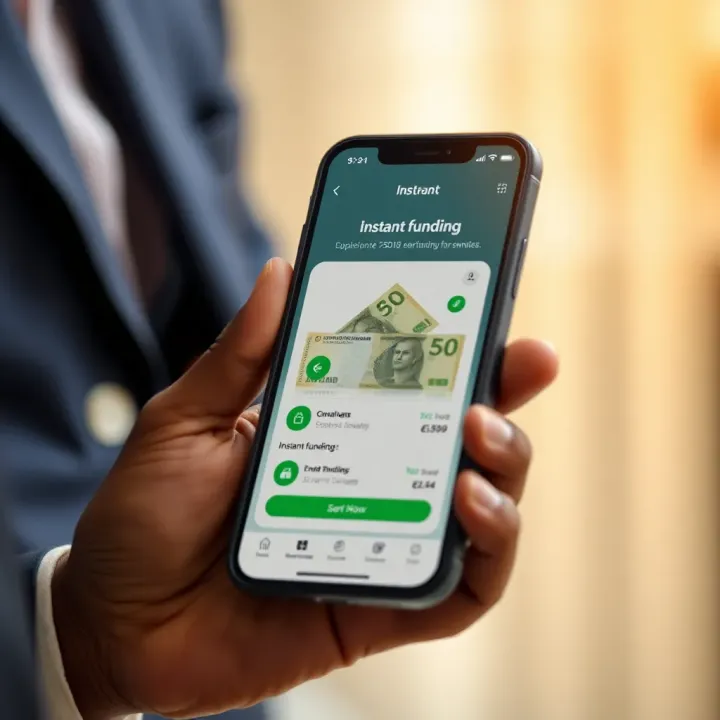
💸 Understand instant funding in Kenya—how it works, where to get quick cash, benefits, risks, and tips to use services like M-Pesa responsibly for your business or personal needs.
Based on 10 reviews