
Understanding Deriv Trader for Kenyan Traders
Explore how Kenyan traders can master Deriv Trader 🌍 with step-by-step account setup, top trading options, and smart risk management tips for success 📈.
Edited By
Charlotte Davies
Trader derivatives are financial contracts whose value is based on an underlying asset such as commodities, stocks, currencies, or interest rates. In Kenya’s financial markets, these instruments offer traders a way to manage risks or speculate on price movements without owning the actual asset.
Understanding derivatives is essential for anyone involved in trading or investment here. They are not just for large financial institutions; many Kenyan traders use them to protect portfolios or take advantage of price changes.
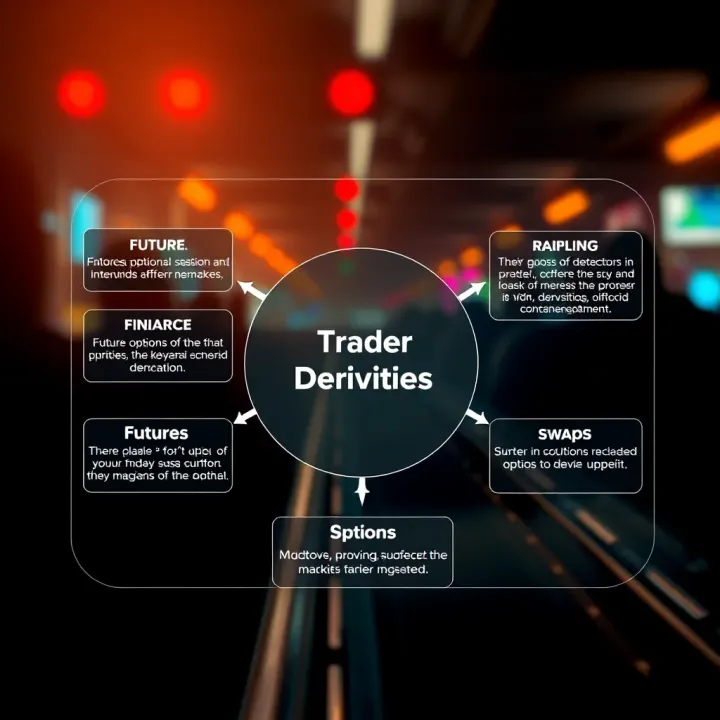
There are several common types of derivatives:
Futures: Agreements to buy or sell an asset at a set price on a future date. For example, a coffee exporter in Kericho might enter a futures contract to lock in the current price to safeguard against falling prices during harvest.
Options: Contracts giving the right, but not the obligation, to buy or sell an asset at a specific price before a certain date. A stock investor on the Nairobi Securities Exchange (NSE) might buy a call option expecting prices to rise.
Swaps: Agreements to exchange cash flows, often related to interest rates or currencies. Kenyan companies may use swaps to manage risks from fluctuating loan interest rates or currency exposures.
Derivatives serve two main purposes for Kenyan market participants:
Hedging: This reduces the risk of loss due to price changes. For example, a maize trader facing uncertain prices during the long rains season can hedge by using futures contracts.
Speculation: Traders aim to profit from price movements. A forex trader speculating on USD/KES exchange rates might use currency options.
Derivatives offer a toolbox for balancing risk and opportunity, but they come with complexities. Knowing how they work is key to avoiding costly mistakes.
Kenya's regulatory framework, governed by bodies like the Capital Markets Authority (CMA), ensures derivatives trading follows clear rules to protect investors. Still, risks such as market volatility, leverage, and counterparty default remain.
This guide will break down these elements clearly, helping you make informed choices in Kenya’s growing derivative markets. Starting with the basics equips you to navigate the opportunities and challenges ahead.
Trader derivatives are financial contracts whose value depends on the price of an underlying asset. They allow market participants in Kenya to manage risk, speculate for profit, or lock in prices, without necessarily owning the actual assets. Understanding how derivatives work helps traders and investors make informed decisions, avoid unnecessary losses, and optimise their portfolio strategies.
Derivatives are agreements whose prices are tied to another asset, known as the underlying asset. For example, a futures contract to buy maize at a set price in future months is a derivative linked to the maize itself. These contracts allow traders to hedge against price volatility or speculate on future price movements without owning the commodity outright. This practical approach suits cash-strapped business owners or traders who want exposure without the burden of storage or delivery.
In Kenya, common underlying assets include agricultural products such as maize, coffee, and tea; commodities like petroleum products; currencies like the US dollar and euro; and financial instruments such as equities traded on the Nairobi Securities Exchange (NSE). For instance, a flower exporter may use currency futures to protect against the Kenyan shilling weakening against the dollar, which could reduce export earnings. These underlying assets reflect Kenyan market realities, making derivatives relevant and practical tools for local traders.
Traders actively buy and sell derivatives to profit from price changes. Hedgers, such as farmers or exporters, use derivatives to protect themselves against unfavourable price swings, locking in prices to stabilise income. Speculators take on risk, betting on price movements to earn profits, often using leverage to magnify gains. While speculators can increase market liquidity, their activities can also introduce volatility, making it essential for Kenyan market players to understand the balance.
Market makers provide liquidity by continuously quoting buy and sell prices for derivatives, ensuring trades can happen smoothly. Brokers connect buyers and sellers, facilitating transactions and offering market access, especially for smaller traders who lack direct market entry. In Kenya, brokers licensed by the Capital Markets Authority (CMA) play a critical role in helping traders navigate derivatives markets, providing guidance, and ensuring compliance with local regulations.
Derivatives trading in Kenya offers practical tools for managing risk and seizing market opportunities. Knowing who participates and how these contracts link to real assets is key to trading successfully and responsibly.
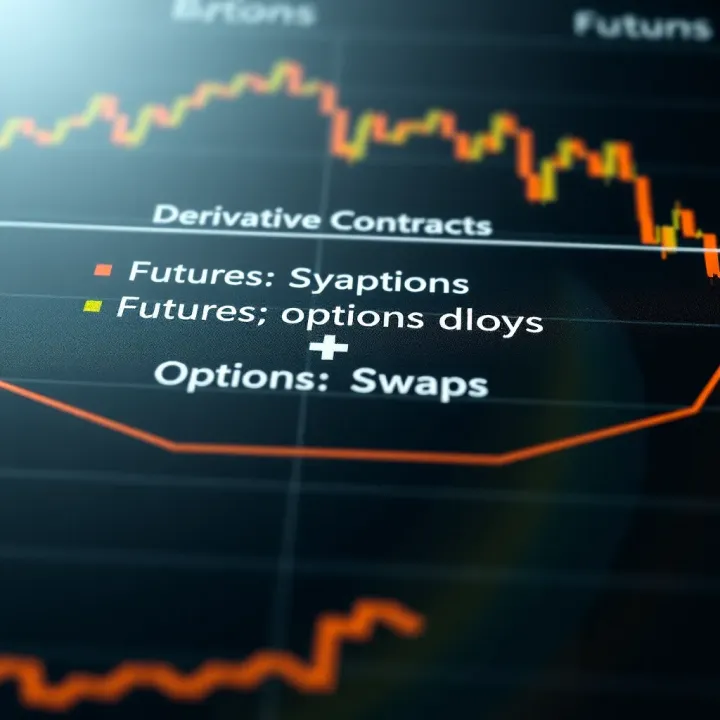
Derivatives come in several main types, each serving different needs for Kenya's traders and market participants. Understanding these categories helps traders choose the right tool, whether for hedging against price changes, speculating on future movements, or managing currency exposure. Kenyan markets, influenced by agriculture, forex, and financial services, find particular relevance in futures, options, and swaps.
Futures contracts are agreements to buy or sell an asset at a fixed price on a specified future date. In both commodity and financial markets, they help traders lock in prices to avoid unexpected changes. This predictability is useful, say, for a tea farmer who wants to secure a selling price for their upcoming harvest or for a bank hedging against interest rate fluctuations.
These contracts are standardised and traded on exchanges, which means they have set terms like quantity, settlement, and delivery dates. This standardisation eases trading since everyone knows what to expect, making futures a practical hedging tool for Kenyan coffee exporters or energy companies.
For Kenyan traders, futures often link to commodities like coffee, tea, maize, or foreign exchange rates. A maize miller, for example, might use futures to secure a fixed price for maize, guarding against sudden price spikes during droughts. Similarly, currency futures can help importers or exporters manage volatile shilling-to-dollar exchange rates, reducing the risk associated with international trade.
Options give traders the right—but not the obligation—to buy or sell an asset at a specific price before a set expiry date. A call option allows purchase, while a put option allows selling. This flexibility makes options a versatile tool for Kenyan investors wanting to limit downside risks but remain open to gains.
A practical example: a trader expecting a rise in oil prices might buy a call option to benefit from the increase without risking as much upfront capital as buying the physical asset. Conversely, a Kenyan exporter worried about a falling shilling could buy put options to lock in favourable exchange rates.
Options are also useful for managing risk. Buying a put option can act as insurance if prices fall, without committing to selling. This approach suits small-scale farmers or businesses in Kenya who want to protect income but avoid the costs of full hedging. Options also let speculators bet on price moves with limited capital, though they carry their own risk of premium loss.
Swaps involve exchanging financial obligations, such as interest rate payments or currencies, between parties. An interest rate swap might let a Kenyan company change its loan from a variable rate to a fixed rate, providing payment stability. Currency swaps can help firms manage exposure to foreign exchange fluctuations by swapping debt or cash flows in different currencies.
In Kenya’s financial sector, swaps are less common but steadily gaining ground, especially among banks and large corporations. For example, a bank might use interest rate swaps to manage its exposure to fluctuating Central Bank of Kenya (CBK) lending rates. Similarly, multinational companies operating in Kenya could engage in currency swaps to reduce the impact of shilling-dollar volatility on their balance sheets.
While swaps are typically over-the-counter contracts and involve more complexity, they help stabilise cash flows and protect against market shocks. Their relevance in Kenya is growing with the expanding corporate and banking sectors, alongside increased regional trade within the East African Community (EAC).
Understanding these main derivative types — futures, options, and swaps — arms Kenyan traders with tools to better manage risk, seize trading opportunities, and adapt to market changes efficiently.
Futures: standardised contracts for buying/selling assets at future dates
Options: rights to buy/sell but no obligation, allowing risk control
Swaps: customised contracts exchanging financial flows, aiding complex risk management
Each plays a unique role in Kenya's evolving financial markets, supporting everything from agriculture and forex to corporate finance and investment strategies.
Derivatives offer Kenyan traders practical tools to manage risks and explore profit opportunities. Whether dealing with the shifting prices of coffee on global markets or navigating the swings of the Kenyan shilling against the dollar, derivatives help traders and investors maintain stability and increase potential returns. Their use ranges from hedging against unwanted price changes to speculative bets aimed at boosting profits, each carrying distinct implications.
Kenyan traders, especially those dealing with export commodities like tea, coffee, and pyrethrum, use derivatives to shield themselves from price volatility. For instance, a coffee exporter might use futures contracts to lock in prices before the harvest. This means even if the global coffee price tumbles post-harvest, the exporter still receives the agreed amount, helping to stabilise revenue and plan for expenses. Given Kenya’s reliance on agricultural exports, these hedging strategies are particularly relevant for farmers, cooperatives, and exporters looking to smooth income and reduce the impact of unpredictable market swings.
Currency fluctuations pose a serious challenge for Kenyan businesses involved in import or export. Derivatives such as currency forwards and options are valuable tools to manage this risk. For example, an importer who needs to pay suppliers in euros might enter into a forward contract to fix the exchange rate today for payment in future months. This removes uncertainty about exchange rate movements and aids budgeting. SMEs increasingly use such derivatives to avoid sudden cost increases caused by the shilling’s depreciation against major currencies like the US dollar or euro.
Derivatives allow Kenyan traders to speculate on price movements without committing the full value upfront, thanks to leverage. This means a trader can control a large amount of commodities or financial instruments with relatively small capital. For example, a trader speculating on maize prices through futures can gain significant exposure to price gains. This magnifies profits if the market moves favourably. However, it also means losses can quickly multiply if the market swings against the position, so using leverage demands caution and solid risk management.
Speculation with derivatives is risky, especially in markets like Kenya where price volatility can be sharp and unpredictable. Leveraged positions might result in heavy losses surpassing the initial investment. Moreover, liquidity may be limited in some derivative contracts, making it harder to exit positions at desired prices. Traders must understand margin requirements, contract specifications, and risk limits to avoid financial distress. While speculation can boost profits, it requires skill, timely market information, and disciplined strategies.
Arbitrage involves taking advantage of price differences for the same asset in different markets. Some Kenyan traders spot opportunities when commodity prices on the futures market diverge from spot market prices or differences exist between local and international exchanges. By buying low in one market and selling high in another near simultaneously, traders can earn risk-free profits. However, such opportunities are often short-lived as other market participants quickly correct the imbalance.
Despite these potential benefits, arbitrage faces obstacles in Kenya. Market inefficiencies stem from limited access to real-time data, regulatory hurdles, and relatively thin trading volumes in some derivatives markets. Transaction costs, including brokerage and taxes, can erode small-margin gains. Additionally, disparities in infrastructure across counties and delays in payment processing (even with platforms like M-Pesa) add complexity. These factors make arbitrage less straightforward and highlight the need for increasingly sophisticated platforms and robust market infrastructure.
Kenyan traders using derivatives should weigh practical benefits against limitations posed by market conditions, costs, and regulatory environment. Mastery in these areas builds resilience and opens doors to smarter trading.
By understanding how derivatives work in actual trading scenarios, Kenyan market participants can better protect their positions, seize opportunities, and contribute to more efficient and transparent markets.
Trading derivatives in Kenya offers opportunity, but it carries risks that every trader must understand to avoid costly mistakes. These risks affect how derivatives perform and your ability to manage them effectively. A clear grasp of market dynamics, counterparty reliability, and regulatory demands helps traders make more informed decisions, especially in volatile markets like Nairobi Securities Exchange or commodities trading.
Market volatility directly influences derivatives since these contracts depend on underlying asset prices. For instance, a sudden change in maize prices due to poor rains can swing futures contracts' value drastically. If a trader has not planned for such swings, losses can pile up quickly. This is especially true when using leverage, which magnifies both gains and losses.
Unexpected market movements can blast through even the best-laid strategies. Kenyan traders who hedge coffee prices might still face disruption from global supply shocks or currency swings in the Kenya shilling versus the US dollar. Managing this requires constant monitoring and readiness to adjust positions, rather than assuming the market will follow predictable patterns.
Derivatives trading involves trusting the other party to meet their contractual obligations. A default, where one party fails to honour the contract, risks a knock-on effect of losses. In Kenya, where derivative markets are less developed, this risk can be higher due to limited regulatory enforcement or weaker financial institutions backing contracts.
Clearinghouses, where functioning, play a vital role by guaranteeing trades and requiring collateral deposits. This reduces the chance that one party's default will drag the other down. However, in local contexts where derivatives clearing is not fully established, traders might need to demand collateral or engage with reputable brokers to limit exposure.
Trading derivatives in Kenya demands compliance with Capital Markets Authority (CMA) regulations and Central Bank of Kenya rules. Traders must ensure proper licences, accurate record-keeping, and timely reporting. Non-compliance can result in penalties or suspension, hurting both reputation and finances.
Operational risks stem from system failures or procedural errors. For example, internet outages during a trading session or incorrect margin calls can lead to unintended exposures. Kenyan traders should use reliable platforms and verify processes frequently to avoid costly mistakes.
Knowing the risks isn't about scaring away traders but helping them trade smarter. Understand market ups and downs, check who you trade with, and comply fully with Kenya's rules to protect your investments and grow confidently.
Derivatives trading in Kenya operates within a structured regulatory framework designed to protect market participants and ensure market integrity. This environment brings stability, transparency, and trust, which are essential for traders and investors using complex instruments like derivatives. Without clear rules and oversight, derivatives markets can easily become risky zones where unscrupulous practices or misunderstandings lead to massive losses.
The Capital Markets Authority (CMA) is the primary regulator for derivatives trading in Kenya’s capital markets. CMA’s role is to supervise, licence, and monitor brokers, exchanges, and other market intermediaries engaging in derivatives transactions. This oversight includes ensuring that trading platforms meet operational standards and that all participants comply with fair trading practices.
For example, the CMA has set requirements for derivatives trading platforms to employ risk management systems and to report trades transparently. This continuous supervision helps prevent market manipulation and builds investor confidence, essential given that derivatives are more complex than usual equity investments.
Parallel to the CMA, the Central Bank of Kenya (CBK) plays a crucial role, particularly when derivatives involve interest rates or currency swaps linked to banks and financial institutions. CBK oversees how banks manage derivative-related risks on their balance sheets, ensuring they hold enough capital against potential losses.
For instance, a bank engaging in currency swap contracts must report exposure levels to CBK under banking regulations. This scrutiny helps contain systemic risks and ensures that banks do not overextend themselves into risky derivative positions that could affect the wider economy.
The CMA issues specific regulations and guidelines that govern derivatives trading. These rules cover contract specifications, trading limits, disclosure standards, and settlement procedures. By clearly defining legal expectations, these regulations create a level playing field for traders and brokers.
Traders, for example, must understand contract terms standardised by the CMA, which benefit both buyers and sellers by reducing uncertainties in price, delivery, and settlement. Guidelines on margin requirements also protect against defaults and reduce excessive speculation.
Derivatives contracts in Kenya fall under general contract law principles, as well as the Capital Markets Act and regulations related to securities and investments. This legal framework ensures that derivative contracts are enforceable in courts, providing legal recourse if disputes arise.
For example, if a counterparty fails to honour a futures contract, the injured party can seek enforcement through Kenyan courts under contract law. The existence of clear legal backing reduces the risk of contract breaches and encourages more participants to engage confidently in derivatives trading.
All traders and brokers involved in derivatives must be licensed by the CMA. Obtaining a licence requires proof of financial soundness, compliance systems, and staff competency. Licensed entities have ongoing reporting duties that include submitting trade data, risk exposures, and client information.
These requirements ensure that only qualified and responsible operators participate in derivatives markets. Reports submitted help the regulator monitor market health and intervene when irregularities arise.
Derivatives markets can be vulnerable to misuse for money laundering or other financial crimes. As such, Kenyan regulations require brokers and traders to implement anti-money laundering (AML) controls including client identification, transaction monitoring, and suspicious activity reporting.
For instance, before opening accounts, brokers must verify customer identities and conduct risk assessments. Effective AML measures protect the integrity of the market, safeguard legitimate investors, and align Kenyan derivatives trading with international financial standards.
A well-regulated environment is key to making derivatives not just tools for profit but also mechanisms of market stability and fairness in Kenya.
This regulatory framework enables Kenyan market participants to engage in derivatives with greater confidence, knowing that protections and oversight are in place to minimise unfair practices and financial mishaps.
Explore how Kenyan traders can master Deriv Trader 🌍 with step-by-step account setup, top trading options, and smart risk management tips for success 📈.

Explore what derivatives really mean 📈, learn how they're calculated and used in finance, math, and beyond 🔍 to make smarter decisions daily.
Explore practical derivatives trading strategies 📈, risk management tips 🔒, and how to use PDFs effectively for traders in Kenya 🇰🇪 markets.
Explore derivative trading in Kenya 📈 Learn types, risks, rewards & how to use these tools for smart investing, hedging, and managing portfolios wisely.
Based on 13 reviews