

Binary Forex Trading Explained for Kenyan Traders
Explore key insights into binary forex trading📈 for Kenyan traders, learn risk management, strategies, regulations, and avoid common mistakes.🇰🇪
Edited By
Alexander Price
For Kenyans venturing into forex trading, the right education can make a real difference between making consistent profits and losing hard-earned money. Forex courses offer a structured way to understand market dynamics, trading strategies, and risk management—all essential for success in the volatile forex market.
With many course options available locally and online, it’s easy to feel overwhelmed. That’s why having a clear approach to choose and complete a forex course matters. Not every course matches your specific needs or trading goals. Plus, the quality varies widely, with some promising quick riches but lacking solid foundations.

This guide aims to help you cut through the noise. It highlights what a good forex course covers, the practical skills you should gain, and how to identify a reliable course that suits Kenyan traders. For example, many Kenyan traders benefit from courses that address unique challenges like managing forex trading alongside daily hustles or adapting strategies for local market conditions and currency behaviours.
Beyond selecting a course, completing it fully and applying the knowledge effectively are key steps. Trading is not just theory; you'll need hands-on practice and patience to sharpen your skills. Many successful traders in Kenya emphasise starting with demo accounts and using lessons from courses to build confidence before risking real money.
Remember, forex trading education in Kenya should empower you with tools and techniques tailored to your reality, not just copy global models blindly.
In the sections that follow, expect clear tips on:
Key content to expect from a quality forex course
Criteria to consider when choosing a course (credibility, cost, local relevance)
Practical steps to complete the course and integrate learning with your trading routines
Whether you are a novice keen on understanding charts or an investor looking to diversify through forex, this guide provides relevant and actionable insights to help you trade smarter and safer in the Kenyan context.
Grasping what a forex course entails is vital before you invest your time and money. It gives you a clear picture of what to expect from the training and how it can impact your trading journey, especially considering the unique aspects of the Kenyan market.
Forex trading revolves around currency pairs, where one currency is quoted against another—for example, USD/KES (US Dollar against Kenyan Shilling). Understanding how these pairs move relative to each other forms the foundation of trading. A forex course will teach you the major, minor, and exotic pairs, including regional currencies you might want to focus on, like the East African shilling or South African rand. This knowledge helps you decide where to put your money and how to react to changes in demand or supply for a particular currency pair.
The market structure refers to the way the forex market is organised globally. It operates 24 hours across various centres—Tokyo, London, New York—each with its own trading session and price dynamics. Knowing this structure guides you on when to trade for the best liquidity and volatility, crucial for timing your trades effectively.
Exchange rates are influenced by numerous factors like inflation, interest rates, political events, and economic reports. A forex course breaks down how these force affect currency values. For instance, if Kenya’s inflation spikes, the shilling might weaken against the dollar, giving hints about possible trade directions.
By understanding how to read these fundamentals, you can make informed decisions rather than guessing. This is especially helpful when news from Kenya or global events happen—they often shake the forex market, creating opportunities or risks.
Forex markets open in different global hubs at varying times; this affects market volatility and trading opportunities. A course will teach you how, for example, the London session can bring strong price moves due to heavy trading volumes.
For a Kenyan trader, recognising these sessions helps in planning trades around your local time. For instance, the New York session overlaps with early hours in Kenya, offering chances to catch moves from US data releases.
This skill involves studying charts and patterns to forecast currency price movements. Through a course, you learn to interpret candlestick patterns, identify support and resistance levels, and use indicators like Moving Averages or Relative Strength Index (RSI). Practically, this means you can spot good entry and exit points, improving your odds of profit.
Kenyan traders often apply technical analysis to pairs like USD/KES because economic fundamentals might not provide immediate trade signals. Thus, technical tools become essential.
Successful trading depends on protecting your capital. A forex course will teach you methods like setting stop-loss orders, determining safe trade sizes, and diversifying positions. This knowledge helps you survive the inevitable losing streaks and prevents significant losses that can wipe out your account.
For instance, learning how to risk only 1–2% of your trading capital per trade is a common risk management rule. This discipline matters a lot, especially if you’re trading on leverage offered by brokers.

Knowing how to navigate and use trading software like MetaTrader 4 or other broker platforms is a prerequisite. Courses guide you on executing trades, setting alerts, reading live charts, and using automated tools.
This is practical because even if you have all the analytical skills, clumsily handled trades can cause errors and losses. A course familiarises you with local brokers’ platforms, some of which offer mobile apps optimised for Kenyan users, making live trading smoother.
Understanding these course offerings equips you with a solid foundation and practical tools to trade confidently in Kenya’s forex market.
Selecting the right forex course matters a lot if you want to build reliable trading skills and avoid costly mistakes. Not all courses fit every trader’s needs, especially when considering local market conditions and personal learning styles. A well-chosen course provides clear, practical knowledge that you can immediately apply, helping you gain confidence and avoid getting overwhelmed.
Course credibility and reviews
Before enrolling, check how trustworthy the course is. Look out for genuine student reviews that describe their experiences without exaggeration. For example, a course on Udemy with thousands of positive, detailed reviews tends to be more reliable than one with sparse or overly promotional feedback. Trustworthy courses often provide success stories alongside realistic challenges, which help you set proper expectations.
Trainers’ experience and background
The quality of the trainer really shapes your learning. Experienced trainers who have traded forex themselves understand market nuances better and can share practical tips beyond textbook theories. In Kenya, trainers with a background in local financial markets or those who have navigated the forex scene in East Africa bring relevant insights. If trainers speak only in technical jargon without examples or context, the course might not be as useful.
Course format: online vs classroom
Deciding between online or classroom courses depends on your schedule and learning preference. Online courses offer flexibility and access from anywhere, which suits busy Kenyans juggling work, hustle, and family. However, classroom courses provide direct interaction, immediate clarification, and peer engagement which some learners find valuable. For instance, Nairobi’s business districts have some reputable institutions offering weekend forex classes, useful if you prefer face-to-face and networking opportunities.
Inclusion of local market insights
Forex trading in Kenya faces unique influences such as currency fluctuations linked to agricultural exports, political events like elections, and regional trade agreements. Courses that include these local factors help you understand why the Kenyan shilling behaves a certain way against the US dollar or the euro. Without this, you might miss crucial price moves driven by events specific to Kenya or the East African region.
Focus on regional currency pairs
While global majors like EUR/USD or GBP/USD are widely traded, a course that covers regional pairs such as USD/KES (Kenyan shilling), USD/UGX (Ugandan shilling), or USD/TZS (Tanzanian shilling) is more relevant locally. These pairs react differently to local news and economic changes. For example, an in-depth look at USD/KES offers practical learning that affects your real trading decisions compared to generic focus on global currencies.
Accessibility of Kenyan payment options
A practical concern is how you pay for the course. Courses that accept Kenyan payment methods like M-Pesa, Lipa Na M-Pesa, or bank transfers from KCB and Equity Bank are easier and safer. Using familiar payment options saves you the hassle and extra fees often associated with international payments. Also, some providers tailor their pricing or packages considering the local economy, offering more affordable steps to start forex learning.
Choosing a forex course that fits your specific needs, context, and financial convenience sets a strong foundation for success. It prevents wasted time and resources on general courses that don't speak to Kenyan realities.
This section should help you narrow down your choices and focus on what truly benefits you as a trader within Kenya’s market environment.
Completing a forex course is just the start; making the most of it determines your success in trading. This section guides you on how to apply what you learn practically and tackle common obstacles. The aim is to help you turn knowledge into actual profits while navigating the typical challenges Kenyan traders face.
A demo trading account is a safe space to practise without risking real money. Most online brokers targeting Kenyan traders offer this facility. It lets you test strategies and understand market movements in real time but with virtual funds. For example, you might use a demo account to try buying and selling USD/KES pairs during different market hours to see how price changes behave.
This hands-on approach helps you build confidence and spot errors before going live. It prevents costly mistakes—especially important since forex markets can shift quickly and unpredictably.
Regular chart study sharpens your ability to read price patterns and spot trends, essential skills in forex trading. Using tools from your course, look at candlestick formations and trend lines daily, even outside your trading sessions. For instance, checking the EUR/USD chart each morning can help you spot potential turning points or support levels.
Over time, consistent practice turns technical analysis into second nature, allowing you to make more informed trades rather than relying on guesswork.
Forming a clear trading plan guides your decisions and limits impulsive actions. This plan should include entry and exit rules, risk limits, and preferred currency pairs. Imagine setting a rule to only risk 2% of your account on any trade and closing out positions if losses hit 5%.
A plan tailored to your risk appetite and schedule keeps you disciplined. It also helps evaluate what works by tracking your trades against the plan’s criteria.
Fear and greed often lead traders astray, causing rash decisions. Managing these emotions is key to sticking with your strategy. For a Kenyan trader, this might mean resisting the urge to chase quick profits after a profitable morning session or double down out of frustration after a loss.
Keeping a trading journal to record emotional states and decisions helps identify patterns. Some traders also practise mindfulness or brief breaks to stay calm.
Forex markets buzz with endless news, tips, and analysis—it can get overwhelming. Focus on a few trusted sources and filter out noise. For example, following updates from respected Kenyan analysts or platforms like the Nairobi Securities Exchange (NSE) is more productive than jumping on random forums.
Prioritising what directly impacts your traded currency pairs or strategy keeps your learning manageable.
Success in forex rarely happens overnight. Discipline means sticking to your plan and avoiding impulsive trades. Patience involves waiting for the right setups rather than forcing trades.
Think of it like farming: consistent care, proper timing, and patience yield a good harvest. Kenyan traders who keep emotions in check and avoid shortcuts tend to improve steadily.
Making the most of your forex course isn’t just about theory but practising, managing yourself, and staying consistent. This practical approach builds the foundation for lasting trading success.
Forex trading does not stop at completing a course. In fact, additional resources can significantly boost your understanding and success as a trader in Kenya. These resources serve as practical tools and continuous learning platforms, helping you stay up to date and connected in a fast-changing market.
Choosing brokers active in Kenya matters because they usually provide payment options convenient for local traders such as M-Pesa and bank transfers. Brokers like HotForex, XM, and FXPesa have a strong local presence, offering support in familiar currencies and sometimes even Kiswahili communication. This reduces barriers and helps you focus on trading rather than dealing with complicated withdrawals or deposits.
Mobile apps such as MetaTrader 4, MetaTrader 5, and Bloomberg’s mobile app are widely used in Kenya. Keeping these apps on your phone gives you instant access to live price charts, news, and alerts, especially useful if you're juggling forex with other responsibilities. Since internet connectivity varies around Kenya, apps that work well on low bandwidth are also good picks.
Online forums like BabyPips, Forex Factory, and local Facebook groups allow Kenyan traders to share insights, ask questions, and learn about regional market shifts. These communities offer practical advice that often relates better to Kenyan realities than international sources. Joining such forums not only helps build your knowledge but also your support network.
Webinars and workshops organised by forex experts or brokerages provide timely learning on new trends, tools, or regulatory changes in Kenya. Unlike static courses, these sessions allow real-time questions and interactions, making your learning more dynamic. For example, brokers frequently hold free workshops in Nairobi after market hours to accommodate working traders.
Books like "Currency Trading for Dummies" or reports from the Central Bank of Kenya provide deep dives into macroeconomic factors affecting the forex market. Reading such material regularly develops your fundamental analysis skills and widens your view of market drivers beyond just charts and indicators.
Following active Kenyan forex traders and analysts on platforms like Twitter or LinkedIn brings market insights tailored to local conditions. These experts sometimes discuss unofficial information affecting currencies, like county elections or regional trade agreements, giving you an edge. Engaging with their content can keep you informed about both global developments and Kenyan-specific nuances.
Regularly using these additional resources helps transform learning from a one-off event into an ongoing process, allowing you to become a more confident and successful forex trader in Kenya.
Explore key insights into binary forex trading📈 for Kenyan traders, learn risk management, strategies, regulations, and avoid common mistakes.🇰🇪
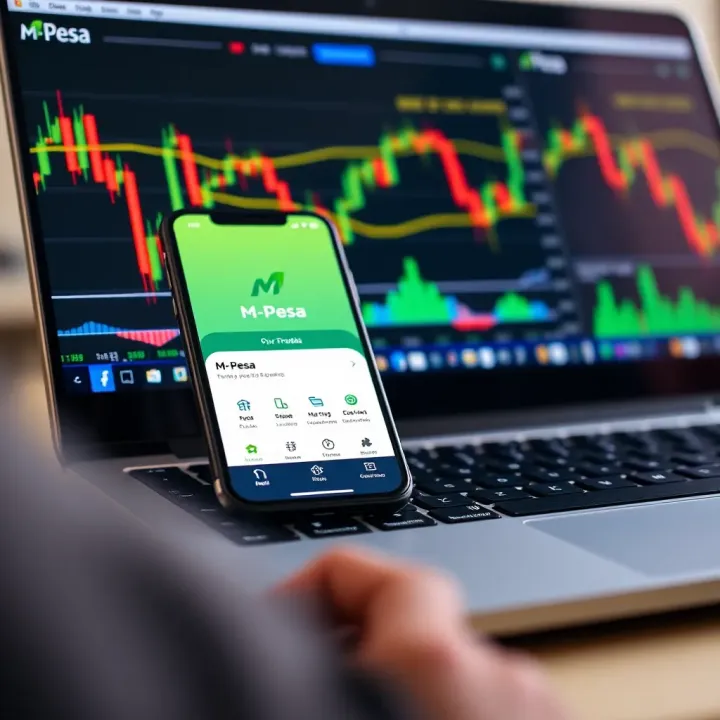
Explore top forex brokers in Kenya accepting M-Pesa 💰. Learn benefits, compare brokers, and get tips for secure, smooth forex trading in Kenya 🇰🇪.

🤖 Discover how forex trading bots work, their pros and cons, plus tips for Kenya traders on choosing, managing risks, and blending manual strategies.

Discover top Kenyan forex traders, their unique strategies 📈, market tips, and essential insights into Kenya’s forex trading scene 🇰🇪 for aspiring investors.
Based on 10 reviews