
Understanding Derivative Trading in Kenya
Explore derivative trading in Kenya 📈 Learn types, risks, rewards & how to use these tools for smart investing, hedging, and managing portfolios wisely.
Edited By
James Carter
Trading signals are alerts or indicators that suggest the right moments to buy or sell assets such as shares, forex pairs, or commodities. For Kenyan traders, these signals help cut through the daily noise of market movements on platforms like the Nairobi Securities Exchange (NSE) or forex markets. Understanding how these signals operate can make the difference between a successful trade and a missed opportunity.
Trading signals arise from detailed analysis of market data, including price patterns, volume, and economic news. For example, a typical signal might indicate a buying opportunity when a stock price crosses its moving average or when the relative strength index (RSI) shows an oversold condition. These signals can be generated manually by experienced analysts or automatically by trading software.

Reliable trading signals can provide a clearer view amid volatile market swings, especially for traders who cannot watch markets every minute.
Kenyan traders have access to various sources for trading signals:
Broker recommendations: Many local brokers supply clients with trading ideas based on their research.
Specialised trading platforms: Some use automated tools like MetaTrader, which generate forex signals.
Financial news services: Outlets such as Business Daily or Capital FM occasionally highlight key market moves and signals.
However, signals are not guarantees of profit. They should serve as guides, not final decisions. Kenyan traders must consider their risk tolerance and confirm signals with other analysis methods. Also, knowing transaction costs like broker fees and taxes helps assess whether a trade is worthwhile.
In practice, using signals effectively means combining them with sound money management and staying updated about local economic events. For instance, a signal to buy may lose value if the Central Bank of Kenya announces an unexpected interest rate change. Awareness of such factors separates successful traders from the rest.
Summing up, trading signals are useful tools that, when understood and applied thoughtfully, can streamline decision-making in Kenya’s financial markets. This article will explore different signal types, how to access them locally, and best practices for incorporating them into your trading strategy.
Trading signals are alerts or suggestions that help traders decide when to buy or sell an asset, based on analysis of market data. For Kenyan traders who participate in equity markets like the Nairobi Securities Exchange (NSE) or forex, understanding these signals can improve decision-making and timing, increasing the chances of profitable trades. Rather than guessing, signals provide a data-backed indication of potential market movements.
A trading signal basically points out an opportunity to enter or exit the market. A "buy signal" suggests that the market conditions are favourable for purchasing an asset, expecting its price to rise. Conversely, a "sell signal" advises offloading an asset to avoid anticipated price drops. For instance, if Safaricom shares break a resistance level, a buy signal may be generated indicating a potential upward move.
These signals are particularly useful in volatile markets, such as forex pairs involving the Kenyan shilling, where quick decisions can mean the difference between profit and loss. Traders rely on them to remove some emotional bias and keep trades systematic.
Trading signals stem from two main forms of analysis: technical and fundamental. Technical analysis uses past price data and chart patterns to predict future price movement. For example, a crossover of moving averages may trigger a buy or sell signal. This approach suits short- to medium-term traders who focus on price behaviour.
Fundamental analysis, on the other hand, looks at economic indicators, company earnings, or news events. If Kenya’s GDP growth figures beat expectations, it might generate a buy signal on the Nairobi All Share Index because strong economic performance usually supports higher stock prices. Combining both types helps traders read the full picture.
Trading signals are generated using technical indicators like Moving Averages, Relative Strength Index (RSI), or Bollinger Bands. These mathematical tools spot trends or momentum shifts. For example, when RSI crosses below 30, it might signal an oversold asset ready to bounce back.
Increasingly, algorithms play a role by automatically analysing vast data and sending instant alerts. Kenyan traders using platforms like MetaTrader benefit from these programmed signals, which execute based on predefined criteria, cutting down manual monitoring and speeding up execution.
Signals rely on up-to-date market data to reflect current conditions accurately. Live prices, volume, and news feeds integrate into signal-generation systems to ensure traders have relevant information. In fast markets such as forex trading during global market overlaps, milliseconds can matter.
Understanding prevailing market trends—whether bullish, bearish, or sideways—helps interpret signals correctly. A buy signal during a strong downtrend may carry more risk than in an uptrend, so context matters. Kenyan traders must ensure their signal tools use reliable data sources, such as brokers with solid regional reputations, to avoid delays or false signals.
Using trading signals helps Kenyan traders cut through noise and focus on opportunities backed by data. However, relying on signals alone without context can be risky, so always combine them with personal strategy and risk management measures.
For Kenyan traders, understanding the different types of trading signals is essential before jumping into trades on the NSE or forex markets. These signals point to when to buy or sell based on price movements, news, or economic events. Knowing their strengths and limitations helps you avoid costly mistakes and sharpen your timing.
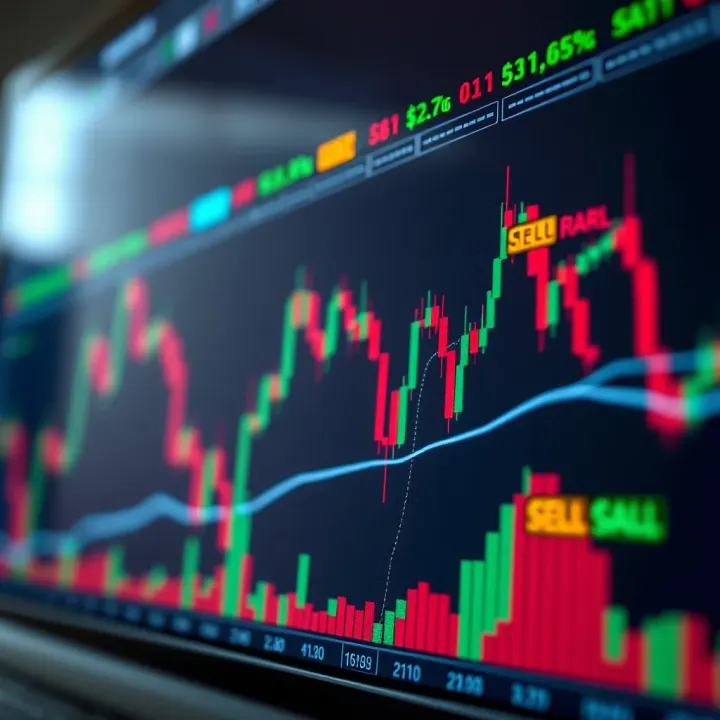
Moving averages and crossover strategies are some of the most popular technical signals you’ll come across. A moving average smooths out price data over a set period (like 10 or 50 days), showing the general direction of the market. When a short-term moving average crosses above a longer-term one, it often signals a buy opportunity; if it crosses below, it may suggest selling.
For example, a trader following the NSE 20-share index could watch the 20-day and 50-day moving averages. If the 20-day average crosses above the 50-day, this crossover may indicate the market is gaining momentum, signalling a good time to buy shares. This strategy suits traders wanting a straightforward, pattern-based approach.
Another useful technical tool is the Relative Strength Index (RSI) and other momentum indicators. RSI measures speed and change of recent price movements on a scale of 0 to 100. Values above 70 might mean an asset is overbought and due for a correction, while those below 30 suggest oversold conditions and a potential rebound.
Momentum indicators help traders avoid entering trades too late or holding on too long. For instance, a forex trader dealing with USD/KES might sell if RSI hits 75, anticipating a price drop soon. This keeps you alert to shifts in market strength beyond basic price trends.
Earnings reports and economic data directly affect asset prices. When a Kenyan bank like Equity announces better-than-expected earnings, its share price often reacts positively. On the other hand, poor quarterly results might drive prices down. Economic indicators such as inflation rates, GDP growth, or Central Bank of Kenya (CBK) interest rate decisions also prompt market moves that can be acted upon.
Traders who follow these fundamentals often combine this with technical signals. For example, after a strong GDP report indicating economic growth, you could enter trades aligned with a bullish trend confirmed by technical tools.
News and geopolitical events also shape trading signals. Unexpected policy shifts, political unrest, or global impacts like oil price shocks can cause sharp market movements. Kenyan traders should watch regional developments – such as East African Trade talks or elections – which can influence currency and stock behaviour.
Leveraging current affairs helps traders avoid surprises and take advantage of short-term opportunities. For instance, news of improved trade relations in the EAC might boost industrial shares, signalling a good moment to buy.
Algorithmic signal generation uses computer programs to scan large data sets and spot trade opportunities faster than humans can. These algorithms might track moving average crossovers, volume spikes, or news sentiment. For Kenyan traders using apps like MetaTrader, these automated signals can trigger alerts or even execute trades automatically if set correctly.
While efficient, algorithmic signals require careful supervision to avoid whipsaws in volatile markets.
Copy trading platforms and community signals allow traders to mimic experienced investors by copying their trades. Platforms like ZARX or social media groups offer access to communal insight, which can be valuable for beginners or busy traders. However, it’s vital to vet these sources carefully since not all community signals are reliable.
Joining local forex communities or trading forums helps you understand the reasoning behind signals, ask questions, and avoid scams. This social element adds a layer of learning and shared experience.
Trading signals come in many forms – technical, fundamental, and automated. Successful Kenyan traders often blend these signals to fit their style and market conditions, avoiding blind reliance on any single source.
Understanding the pros and cons of each type helps you make smarter decisions and improves your chances of consistent profits.
Accessing reliable trading signals is key for Kenyan traders who want to make informed decisions in the dynamic NSE, forex, or commodity markets. Without dependable signals, traders risk jumping into bad trades or missing good opportunities. This section explores practical sources of trading signals available to Kenyan traders and how to assess their reliability.
Many brokers accessible to Kenyan traders offer integrated trading signal tools. For instance, local favourites like Bamboo, Lion's Head Global, or AfriTrade provide signals based on real-time analytics and technical indicators. These platforms streamline the trading experience by combining market data, news, and signals in one place, making it easier for traders in Nairobi, Mombasa, or Kisumu to react quickly without juggling multiple tools.
Mobile apps are especially popular with Kenyan traders because they enable trading on the move. Platforms like MetaTrader 4 and 5 remain highly popular, offering features to set alerts for price changes or specific technical conditions. Kenyan traders have also started to adopt newer platforms like ZARX, which tailors its offering to local needs including easier KSh funding options. The availability of push notifications ensures traders never miss an important trading signal even when away from their desks.
Many Kenyan traders weigh the benefits of paid versus free signal services. Free signals attract beginners due to zero cost but often come with inconsistent quality or delayed updates. Paid services promise higher accuracy and better customer support but can vary widely in credibility. Kenyan traders should check provider track records, sample signals, and transparency before subscribing. Services with clear results and refunds, like those advertised on Kenyan trading forums, usually offer more trust.
When thinking about providers, Kenyan traders can consider both local and international names. Local providers tend to understand regional market nuances such as KSh volatility or impact of local elections. Examples include NairobiFX signal groups and services run by Kenyan analysts. International providers like Trading Central or Learn2Trade cover global markets but may charge in USD, making the cost more significant. Choosing depends on whether you trade mostly local or international assets.
Joining local trading communities in Kenya has real advantages. Forums and WhatsApp or Telegram groups allow traders to share signals, market news, and strategies. These communities can offer quick insights into market moves affected by Kenyan contexts like CBK announcements or NEC regulations. Plus, social support reduces the isolation many traders feel when starting out.
Despite the benefit of crowd wisdom, misinformation spreads easily in online groups. Signals shared without proof or from unreliable sources can mislead traders into losses. Kenyan traders should cross-check signals from social media against official data or trusted platforms. Maintaining scepticism and verifying before acting helps mitigate these risks.
Engaging with local trading groups works well if combined with disciplined research and risk management. Kenyan traders who take care to validate what they receive tend to improve their trading results over time.
Finding the right mix of reliable trading signals requires effort but can pay off quickly. Using brokerage tools, reliable providers, and participating in responsible local communities can help Kenyan traders improve timing and confidence in their trades.
Trading signals offer an edge for Kenyan traders aiming to navigate volatile markets like the NSE or forex with confidence. However, just relying blindly on signals can lead to unexpected losses. It's essential to understand the risks involved and adopt best practices to make the most of these tools while protecting your capital.
False or delayed signals can create costly pitfalls. For instance, a signal indicating a buying opportunity might come too late, after the stock price has already surged following breaking news. Alternatively, the signal might be false when market conditions change abruptly, like sudden political unrest in the region affecting currency values. Such inaccuracies mean a trader acting hastily may buy or sell at the wrong time and suffer losses.
Similarly, over-reliance on signals without personal analysis is a common trap. Some Kenyan traders fall into the habit of following signals blindly, without understanding the reasons behind them or considering their own insights. This approach turns trading into guesswork and ignores the trader’s ability to read market conditions, manage risks, or adapt to unusual events like unexpected interest rate decisions by the Central Bank of Kenya (CBK). Signals provide clues, but personal judgment is needed to interpret them correctly.
Verifying signal sources and track records is the first step before trusting any signal service. Reputable providers often share historical performance data. For example, a subscriber might check if the signal provider's recommendations on Safaricom shares consistently yielded profits over several quarters. It’s wise to avoid platforms without clear track records or those promising guaranteed returns, since no signal service can predict markets perfectly.
Combining signals with personal trading strategy boosts effectiveness. You might use signals to identify potential entry points but still rely on your own analysis of fundamental factors like upcoming earnings reports or economic indicators such as inflation rates affecting the Kenyan shilling. This blend helps in filtering out noise and aligning decisions with your risk tolerance and investment goals.
Managing risk through stop-loss and limits is a practical way Kenyan traders can protect their money. For example, setting a stop-loss order at 5% below your purchase price helps contain losses if the market turns unfavourable quickly. Limiting exposure on any single trade also prevents shocks from unexpected volatility, especially in thinly traded counters on the Nairobi Securities Exchange.
Using trading signals wisely is not about following them blindly but combining them with sound judgement and risk management. This balance can improve your chances of consistent success in Kenya’s dynamic markets.
By understanding these risks and adopting these best practices, Kenyan traders can make more informed choices and use trading signals as helpful guides rather than absolute rules. Remember, signals are tools – your analysis and risk control define your ultimate success.
Incorporating trading signals effectively into your strategy helps you make informed decisions and improves your chances of success in markets like the NSE or forex. It’s not enough to just follow signals blindly; you need practical steps that tailor these signals to your own trading style and risk appetite. With proper setup and evaluation, you turn signals from mere suggestions into actionable moves that fit your situation.
Setting up alerts is key to reacting promptly when a trading signal occurs. On platforms like MetaTrader or ZARX, you can configure notifications to sound or pop up whenever a price hits a certain level or a technical indicator gives a signal. This way, you won’t miss chances while busy with other tasks. For example, if a moving average crossover triggers a buy signal on KCB shares, an alert lets you know immediately to consider placing your trade.
These alerts also help you avoid constantly staring at charts, enabling better focus on analysis or other duties. You can customise alerts by asset, price point, or indicator to ensure they align with your specific trading rules.
Some trading platforms offer automated trade execution tools linked to signals. This means when a signal fires, your trade can be placed automatically according to pre-set parameters. Automated execution removes emotional delay, which often leads traders to miss out or make costly errors.
In Kenya, busy traders benefit from this when trading volatile forex pairs or NSE stocks. For instance, if a signal suggests selling Safaricom shares after a resistance level break, automation can sell immediately without your intervention. However, it’s essential to test these tools thoroughly to avoid unintended trades, especially in unpredictable markets.
Recording every signal you follow and the resulting trade performance puts data behind your decisions. Use a journal to note the signal type, entry and exit points, trade size, and outcome. This habit sharpens your trading instincts and reveals which signals work best under Kenyan market conditions.
For example, if RSI-based signals show poor results during volatile periods, your journal will highlight this pattern. Keeping a journal also encourages discipline and prevents reckless trading based on gut feeling alone.
Analyzing your trading journal enables you to adapt your approach where necessary. If certain signals consistently lead to losses, you can refine or abandon them. Conversely, signals showing steady profits should be weighted more heavily in your strategy.
Adjustments might include changing stop-loss levels, altering trade sizes, or combining signals with additional technical or fundamental filters. By continually tweaking your strategy based on real results, you stay flexible and improve overall performance in Kenya’s dynamic markets.
Incorporating trading signals isn’t about ‘set and forget’. It requires active management, learning from results, and adapting to maintain an edge.
With these practical steps, Kenyan traders can move beyond guesswork. They can harness trading signals as valuable tools, improving timing and decision-making in local and global markets.
Explore derivative trading in Kenya 📈 Learn types, risks, rewards & how to use these tools for smart investing, hedging, and managing portfolios wisely.

📈 Discover how Kenyan investors can benefit from copy trading! Learn to follow top traders, understand risks, and pick the right platforms easily.
📈 Explore CFD trading basics for Kenyan traders, learn strategies, understand risks, and navigate local regulations to trade smartly.
Explore Deriv.com in Kenya 🇰🇪: features, account types, trading tools, security, deposits, and support to trade confidently online 📈💼
Based on 7 reviews