
Using TradingView.com for Kenyan Market Analysis
Discover how TradingView.com helps Kenyan traders with live charts 📈, alerts 🔔, and a vibrant community 🌍 for smarter market decisions. Start trading today!
Edited By
Jack Morgan
TradingView has become a popular tool among Kenyan traders and investors for its user-friendly charts and powerful market analysis features. Whether you’re trading stocks on the Nairobi Securities Exchange (NSE), monitoring forex pairs, or checking global indices, TradingView offers a flexible platform that suits various needs.
At its core, TradingView provides live price charts that update in real-time, enabling you to track price movements across different asset classes. Its intuitive layout helps users spot trends and potential entry or exit points quickly. The platform supports multiple chart types such as candlestick, line, and bar charts, each presenting price data differently to match your analysis style.
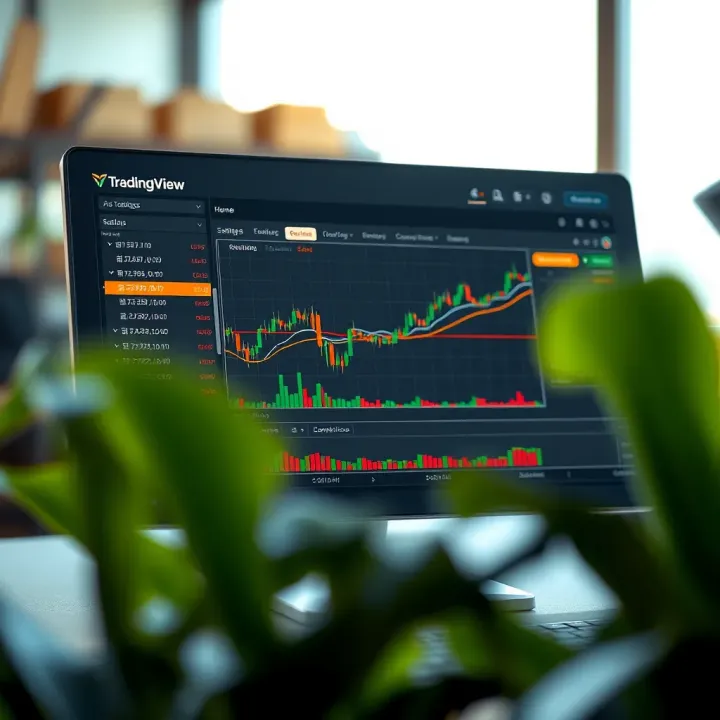
Understanding how to navigate the TradingView interface will save you time and improve your market decisions. Key features include the toolbar on the left for drawing tools, the indicators menu for technical studies, and the watchlist section where you can add your favourite securities. Customising chart layouts and saving them for quick access streamlines daily trading routines.
Most traders find that using technical indicators like moving averages, RSI, and MACD directly on TradingView charts helps confirm price action signals and builds confidence before making trades.
In Kenya’s fast-growing finance scene, combining TradingView’s tools with local market insights helps traders operate more confidently. For example, a stock trader might use volume indicators alongside news around NSE-listed companies, while a forex trader can apply pivot points when analysing USD/KES fluctuations.
This guide will walk you through the essentials of using TradingView charts effectively, from selecting chart types and adding indicators to using drawing tools for marking support and resistance zones. You’ll also get tips on setting alerts and saving chart templates, all aimed at enhancing your trading strategy in a practical way.
By mastering these features, you can better time your trades and manage risks, making TradingView a reliable companion in your investment activities.
TradingView charts are essential tools for anyone serious about market analysis. They provide a visual representation of price movements over time, helping traders, investors, and financial analysts understand trends and make informed decisions. In Kenya’s dynamic trading environment, having a reliable platform like TradingView supports practical, day-to-day market analysis across assets like NSE stocks, forex pairs, and commodities.
TradingView charts are digital graphs that plot asset prices against time. They come in different types such as line charts, bar charts, and the most popular, candlestick charts. Each displays data differently but serves the same goal: showing how prices have moved historically and where they might head next. For instance, a candlestick chart for Safaricom’s NSE stock illustrates daily opening, closing, high, and low prices, giving traders clear insights into market sentiment and volatility.
This platform combines real-time data with interactive tools, allowing you to zoom in on specific timeframes—from minutes to years—and overlay technical indicators to get a deeper understanding. You can also compare multiple assets side-by-side, which is invaluable for spotting correlations or divergences within Kenyan or global markets.
Traders turn to TradingView charts because they simplify complex market data into clear visuals. This makes spotting trends, support and resistance levels, and price patterns easier than sifting through raw numbers. For example, a trader closely watching the forex market might use TradingView to quickly identify when the USD/KES pair is breaking key levels, prompting them to act swiftly.
Besides clarity, TradingView offers customisation options, such as adjusting colour schemes and chart layouts, to fit personal preferences. You can set up alerts that notify you when certain price levels are hit, helping you stay on top of opportunities even when away from your desk.
The platform’s accessibility—both on desktop and mobile—means Kenyan traders can monitor markets between matatu rides or while at their local duka.
With its wide range of features and user-friendly design, TradingView has become a go-to for financial professionals and beginners alike. Combining voltage with thorough market insights, it helps reduce guesswork and supports smarter trading decisions.
In summary, understanding TradingView charts is key to unlocking effective market analysis. They serve not just as static images but as an interactive framework for tracking price behaviour, testing strategies, and managing risk in a fast-moving market like Kenya’s.
Understanding the variety of chart types available on TradingView is essential for effective market analysis. Each chart type provides a different view of price movements, aiding traders in spotting trends, reversals, and potential entry or exit points. Kenyan traders, whether focusing on NSE stocks, forex pairs, or commodities like coffee and tea futures, benefit from choosing the chart that fits their style and strategy.
Line charts simplify price action by connecting closing prices over a selected period. This chart type offers a clean visual summary, making it easier to identify broad trends without the noise of intraday fluctuations. For example, a farmer tracking seasonal price trends for maize futures might prefer line charts to see the overall market direction.
Bar charts show four key data points for each period: open, high, low, and close. The vertical line depicts price range, while horizontal ticks show opening and closing prices. Bar charts give more detail than line charts but are less popular in Kenya’s retail trading community, sometimes found in more technical setups.
Candlestick charts are the most popular on TradingView. They also display open, high, low, and close prices but use colour-filled bodies to reflect price movement direction. Green (or white) candlesticks often represent price increases, while red (or black) show decreases. This visual makes it easier to spot patterns like hammers, dojis, or engulfing candles, which can signal possible market turning points. Traders using M-Pesa’s mobile forex platforms or those investing in NSE shares often rely on candlestick charts for detailed short-term analysis.
Selecting the appropriate chart depends largely on your trading goals and the timeframe you operate in. Scalpers and day traders who act on minute-by-minute price changes typically find candlestick charts invaluable for spotting quick reversals or breakouts.
On the other hand, long-term investors, such as those following KPLC or Safaricom shares for dividends, may prefer line charts or weekly candlesticks to focus on broader trends without distraction from daily noise.
Meanwhile, swing traders sitting somewhere in between may combine bar charts with candlesticks to get both detailed price action and clear trend direction.
Having the right chart type saves time and improves decision-making, especially in Kenya’s often volatile markets where prices can swing fast due to local or global events.
Trial and error also helps. For instance, a trader might start monitoring the coffee market using line charts to grasp the trend, but switch to candlesticks to time their buys or sells more precisely as harvest season approaches.
Mastering how to navigate TradingView’s chart types lets you tailor your analysis, whether you trade on short bursts or pursue steady growth. It’s not just about technology — it’s picking the right lens for your trading journey.
Technical indicators are tools that help traders interpret price movements on TradingView charts more clearly. They simplify complex market data by highlighting trends, momentum, and potential reversal points. For traders in Kenya, these indicators can provide timely signals crucial for decision-making in volatile markets like NSE shares or forex pairs.
A Moving Average (MA) smooths out price data to reveal the overall direction of a market. The two most common types are the Simple Moving Average (SMA) and the Exponential Moving Average (EMA). MAs help identify trends by averaging closing prices over a set period – for example, a 50-day SMA looks at the last 50 days’ closing prices. In practice, Kenyan traders might use the 50-day and 200-day MAs to spot long-term trends in Safaricom stock or agricultural commodity prices.
MAs are also useful for spotting support and resistance levels. If a price bounces off an MA line multiple times, it suggests strong market interest at that level. For instance, if KCB shares repeatedly find support near the 100-day EMA, traders may consider it a buy zone.
The Relative Strength Index measures the speed and change of price movements on a scale of 0 to 100. An RSI above 70 usually indicates an overbought condition where prices may soon fall, while below 30 signals oversold conditions suggesting prices might rise. This oscillator helps traders avoid entering at price extremes.
For example, a Kenyan retail trader monitoring forex pairs like USD/KES might wait to buy until the RSI hits below 30, hinting at a good entry point before prices bounce back. Conversely, they may sell if the RSI rises above 70, indicating the asset has become expensive.
Bollinger Bands consist of a moving average centerline with two bands above and below, which widen or contract based on volatility. When bands contract, it signals low volatility and potential upcoming price movement. Expanding bands indicate high volatility.
A practical use in the Kenyan market could be watching the Nairobi All Share Index (NASI). If the price touches the lower band while bands are wide, it may mark a buying opportunity. When prices repeatedly hit the upper band during an uptrend, traders might consider taking profits anticipating a possible pullback.
Configuring indicators correctly is key. Default settings often suit general use but adjusting periods can improve relevance. For instance, shorter MAs (such as 10 or 20 periods) respond quicker but may produce false signals. Longer periods (50 or 200) filter out noise, showing clearer trends.
When using RSI, adjusting thresholds for overbought or oversold levels can better fit specific assets. Forex pairs with higher volatility might use 80/20 levels instead of 70/30. Experimentation with such settings on TradingView allows tailoring to Kenyan market conditions.
No single indicator tells the whole story. Combining tools like a Moving Average with RSI filters out false signals and confirms entries or exits. For example, a buying signal might arise if the price crosses above the 50-day MA while RSI is rising from below 30.
Traders combining Bollinger Bands with RSI can spot when price is overextended yet volatility is changing, improving timing. These combinations help Kenyan traders reduce risk in their routines, whether trading NSE stocks or commodities.
Successful chart analysis depends on understanding what each indicator shows, setting parameters that match your strategy, and using indicator combinations for confirmation.
Using these technical indicators wisely on TradingView gives traders a clearer picture of market momentum and potential turning points, essential for making better-informed trading decisions in the dynamic Kenyan financial markets.
Understanding how to use drawing tools and customising charts effectively is key to making TradingView a powerful ally in market analysis. These features help traders visually capture market behaviour, identify trends, and tailor views to their trading style. In Kenya's dynamic trading environment, mastering these options gives you an edge by making analysis clearer and decision-making faster.
Drawing tools in TradingView allow you to mark pivotal areas on your charts. Trend lines, for instance, connect price highs or lows, revealing the direction markets are moving. If you spot a steadily rising trend line on an NSE stock like Safaricom, that may suggest an ongoing uptrend you could consider following.
Support and resistance lines are equally vital. They mark prices where a stock tends to stop falling or rising. Drawing a horizontal line along these levels on a chart of KCB Group stock helps predict price bounce backs or breakouts. Practically, this guides when to buy or sell, avoiding rash decisions.
You don’t have to keep lines static. Adjust them as market action changes, making your analysis dynamic. Using the ray or extended line tools lets you project trends into the future, which is handy for planning trades well ahead.
Customising colours isn't just about aesthetics; it enhances clarity. For example, setting bullish candles in bright green and bearish in red can make reading candlestick charts faster, especially during high-volatility periods.
Timeframes let you zoom in or out on price action—from a 5-minute chart for scalping to daily or weekly views for longer-term investing. Switching between timeframes quickly on TradingView helps capture different market perspectives, a technique widely used by Kenyan day traders and investors alike.
Layouts matter when monitoring multiple assets. You might want a 2x2 grid of charts showing top NSE stocks to compare their performance at a glance. TradingView lets you save these layouts, avoiding repetitive setup every time you log in.
After you’ve drawn key lines and customised your chart colours and layouts, saving your setup is sensible. TradingView lets you save charts under different names for quick retrieval. For example, you can save a chart setup for tracking forex pairs and another for equities.
Sharing is also straightforward. You can generate a link or snapshot of your customised chart and share it with colleagues or in trading groups on WhatsApp or Telegram — a common practice in Kenya’s trading circles. This way, you keep discussions focused on precise charts instead of vague references.
Mastering drawing tools and chart customisation turns TradingView from a simple chart provider into your personalised market analysis workshop. With practice, these capabilities sharpen your trading edge and organise your workflow effectively.
Integrating TradingView charts into your daily trading practice can significantly sharpen your market analysis and decision-making skills. To get the most out of TradingView, you need to not only understand the tools but also develop habits that help you stay on top of market movements and avoid common pitfalls.
One of TradingView's standout features is the ability to set customised alerts on various price levels, indicators, or drawing tool triggers. For instance, if you are watching the NSE 20 share index and want to be notified when it breaks a key resistance level, you can easily set an alert to receive a notification via email or mobile push. This saves you from constant monitoring and allows timely entry or exit. Alerts can be based on price crossing, indicator thresholds like RSI being overbought or oversold, or even pattern formations.
Alerts also come handy for traders who juggle multiple markets or instruments. A practical example is a trader who follows both forex pairs and Kenyan equities. Setting alerts means you do not miss opportunity windows simply because you were tied up elsewhere.
TradingView’s platform shines in its cross-device compatibility. The desktop version offers a comprehensive view with detailed charting, multiple tabs for different assets, and quick access to drawing tools. This makes it ideal for your main trading workstation.
On the other hand, the mobile app ensures you stay connected while on the move—important for Kenyan traders who may commute via matatu or boda boda. The mobile version provides real-time price updates, quick switching between charts, and instant access to alerts. Because Nairobi and other towns face intermittent internet reliability, it’s useful that TradingView caches some data to keep you apprised even during brief outages.
Using both versions in harmony means you can maintain trading discipline throughout the day, whether at your desk or outside.
Many traders, especially those new to charting, make avoidable errors that can cost them money. One frequent mistake is over-relying on a single indicator or chart pattern without considering market context or volume confirmation.
For example, seeing a bullish candlestick pattern on a Nairobi Stock Exchange share doesn’t automatically mean prices will rise unless supported by volume and broader trends. Similarly, misinterpreting short-term price fluctuations as trend reversals can lead to premature trading decisions.
Another common trap is ignoring the significance of timeframe. A support level on a daily chart may look different on the 15-minute chart. Effective traders align their strategy with the timeframe that matches their trading style.
To make the best use of TradingView, blend technical signals with sound risk management and stay disciplined. Charts are tools to inform your judgment, not crystal balls.
By setting intelligent alerts, balancing desktop and mobile use, and steering clear of common chart-reading errors, you build an efficient routine that improves your trading edge in Kenyan and global markets.
Discover how TradingView.com helps Kenyan traders with live charts 📈, alerts 🔔, and a vibrant community 🌍 for smarter market decisions. Start trading today!
Learn how to setup and use TradingView for smart market analysis 📈. Tailor charts for Kenyan markets 🇰🇪, link brokers, and overcome trading challenges with ease.
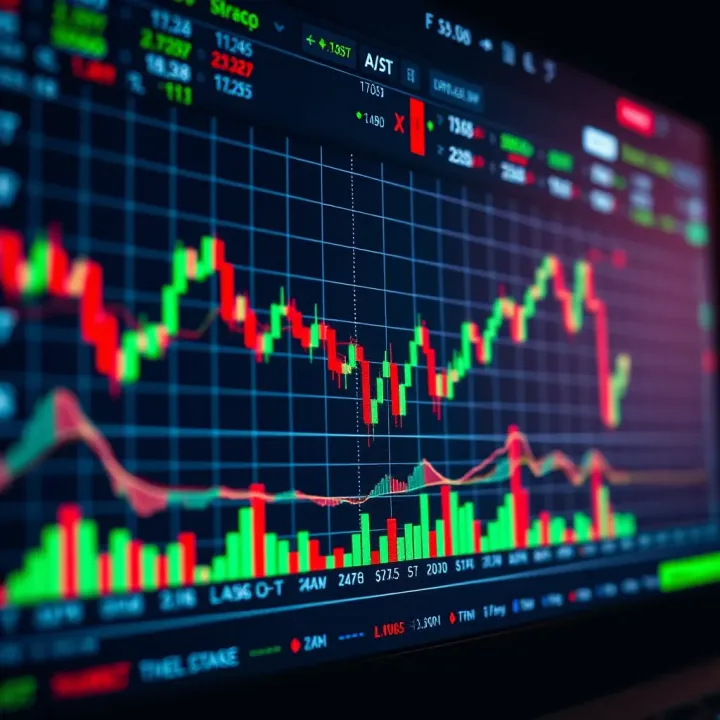
📊 Learn how to master TradingView charts for smarter market analysis. Tailored tips for Kenyan traders covering features, custom tools, and key indicators for success.
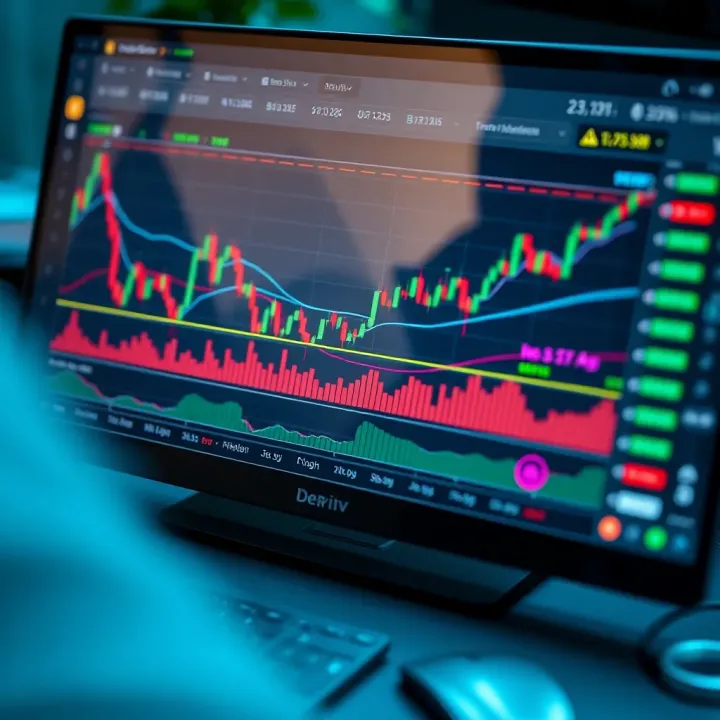
📊 Discover how to use Deriv TradingView's tools for smarter market analysis in Kenya. Learn chart reading, trading features & strategies to boost confidence.
Based on 15 reviews