
Understanding Deriv TradingView for Market Analysis
📊 Discover how to use Deriv TradingView's tools for smarter market analysis in Kenya. Learn chart reading, trading features & strategies to boost confidence.
Edited By
Isabella Wright
TradingView.com has become a go-to platform for traders and investors looking to analyse financial markets efficiently. Especially for Kenyan traders, it offers an accessible way to monitor stocks, forex, cryptocurrencies, and commodities with real-time data and powerful charting tools.
At its core, TradingView is user-friendly even for those starting out in market analysis. It hosts a variety of interactive charts where you can apply technical indicators such as Moving Averages or the Relative Strength Index (RSI), which help predict price movements. For example, a Kenyan forex trader monitoring USD/KES can easily spot trends and potential entry points using these charts.
Besides the technical tools, the platform’s social features set it apart. As an active community, traders around the world share ideas, trading setups, and market news in real time. This crowd wisdom can be invaluable, especially when you want to hear perspectives different from your own or validate your analysis before making a trade.
Another practical feature is the alert system. You can set alerts based on price levels, indicator signals, or trendlines. For instance, if you’re tracking the NSE 20 Share Index and want to be notified when it crosses a key support level, TradingView can send a notification to your phone. This ensures you never miss important market moves, even when you’re away from your computer or busy with other tasks.
TradingView offers subscription plans ranging from free to premium. The free plan covers most needs for beginners but has limits on the number of alerts and indicators you can add. Premium versions unlock more advanced options that professional traders might find worth the investment.
Using TradingView.com wisely can save time, improve trade timing, and connect you with a network of traders to sharpen your skills.
In summary, whether you’re a jua kali trader or a seasoned investor in Nairobi or beyond, TradingView equips you with tools and community support for smarter market decisions.
Next, we will explore the platform’s charting functions and how to customise them to fit your trading style.
TradingView.com offers an accessible and user-friendly platform for market analysis that appeals to traders and investors across the globe. This section introduces what TradingView is and how it serves as a valuable tool for analysing financial markets, especially for Kenyan traders. Understanding its core features enables users to make informed decisions and execute effective trading strategies.
Global platform for charting and trading analysis
TradingView is a cloud-based platform that provides interactive charts, technical indicators, and social networking features to help users study various financial instruments. Its web-based nature means users can access real-time market data anywhere with an internet connection, whether from Nairobi or Mombasa. Traders can customise charts, use drawing tools, and backtest strategies in a way that was once only possible for professionals.
User base: retail traders, investors, and professionals
TradingView’s broad appeal spans from beginner retail traders testing ideas to institutional investors who require robust charting to support large position management. Kenyan retail traders, for example, can benefit from its intuitive interface without needing expensive software. Meanwhile, financial analysts and brokers use TradingView to generate market reports and stay updated on price movements relevant to their client portfolios.
Markets covered: stocks, forex, commodities, cryptocurrencies
TradingView covers an extensive range of markets. Users can monitor Nairobi Securities Exchange (NSE) stocks, major forex pairs like USD/KES, global commodity prices such as crude oil and gold, and cryptocurrencies like Bitcoin and Ethereum. This diversity is crucial for Kenyan traders who often diversify by combining local stocks with forex and crypto to balance risks and opportunities.
Access to NSE and global market data
TradingView offers direct access to NSE real-time data feeds, allowing Kenyan traders to analyse local stocks alongside global indices like the S&P 500 or FTSE 100. This comprehensive view helps traders spot broader market trends impacting Kenya’s economy, such as changes in oil prices influencing fuel costs locally.
M-Pesa integration alternatives for trade funding (overview)
While TradingView itself doesn’t process payments, Kenyan users often fund their linked brokerage accounts through M-Pesa or bank transfers. Many local brokers accept M-Pesa deposits for funding trades, and TradingView’s integration with some Kenyan and international brokerages means you can analyse trades on TradingView and execute them using your preferred payment method.
Usefulness for local SME investors and forex traders
Local SME owners investing their savings can use TradingView to track stocks or forex rates to time their entries for maximum gain or protection. Forex traders in Kenya benefit from TradingView’s detailed currency charts and alerts, enabling them to react quickly to USD/KES fluctuations affected by government policies or GDP reports. This makes TradingView a practical companion for everyday trading and investment decisions in Kenya’s dynamic markets.
TradingView blends global financial markets insight with tools suited to Kenyan realities, bridging the gap between local market access and advanced trading capabilities.
TradingView’s strength lies in its rich charting and analysis features that help traders make informed decisions. Whether you are looking at the NSE, forex, commodities, or cryptocurrencies, having the right tools to read market movements is essential. This section covers key chart types, timeframes, drawing tools, and technical indicators that enable Kenyan traders to spot trends and entry points with confidence.
TradingView offers various chart formats, with candlestick charts being the most popular among traders. Candlesticks provide detailed price action insight for a period, showing open, close, high, and low prices visually. For instance, a trader on the NSE might use candlestick charts to understand daily price swings of Safaricom shares more clearly than a simple line chart would show. Bar charts and line charts offer alternative views; bar charts can help see volume alongside price, while line charts provide a cleaner, simpler trend picture, useful for quick checks.
You can view charts on TradingView for periods ranging from seconds to months. Shorter timeframes, like 1-minute or 5-minute, suit day traders who need to catch quick price moves, such as forex traders reacting to news releases during Nairobi’s market hours. Longer timeframes, such as daily or monthly views, help position traders and investors identify broader trends, say for shares in companies listed on the NSE or Safaricom overviews. The ability to switch easily between timeframes lets you align short-term setups with long-term trends.
Drawing trendlines, support, and resistance levels is fundamental to chart analysis. TradingView provides user-friendly tools to plot these directly on charts. For example, if a trader spots a rising trendline on KCB Bank shares, breaking that line could signal a change in trend. Identifying horizontal support and resistance levels helps predict where price might pause or reverse—useful for setting stop-loss or take-profit points effectively. These visual guides simplify decision making across all markets.
TradingView includes widely used technical indicators key to many trading strategies. The Relative Strength Index (RSI) helps gauge whether an asset is overbought or oversold. For example, an RSI above 70 on forex pairs like EUR/USD might suggest a pullback is due. The Moving Average Convergence Divergence (MACD) shows momentum shifts and possible buy or sell signals when lines cross. Bollinger Bands reflect volatility and potential breakouts, which can be crucial during volatile sessions in Kenya’s market.
Beyond built-in tools, TradingView supports custom scripts created by its user community. Kenyan traders can explore these scripts to access specialised strategies or indicators tailored to local trading styles, like adapted moving averages or volume analysis scripts. Using community scripts offers flexibility and innovation, although it’s wise to test any unfamiliar indicators carefully before relying on them in live trading environments.
Backtesting allows traders to test how a strategy would have performed on past data without risking real money. On TradingView, you can apply your rules to historical NSE or forex charts and see results instantly. This feature is helpful to validate a system under Kenyan market conditions before using it live. For instance, a trader might backtest a moving average crossover strategy on Safaricom shares spanning several years to understand its profitability and risk.
Understanding and utilising TradingView's analytical tools effectively can greatly enhance your ability to spot profitable trades and manage risk. Familiarity with these features equips you to trade more confidently in Kenya's diverse financial markets.
TradingView isn’t just a charting tool; it’s a vibrant hub where traders connect, share insights, and learn from each other’s experiences. For Kenyan traders, engaging with its social features opens doors to diverse market perspectives beyond Nairobi Securities Exchange (NSE) or forex. This interaction can sharpen your analysis and help avoid common pitfalls by learning from others’ successes and mistakes.
Publishing trade ideas and analyses is a key feature on TradingView that allows users to post their market forecasts, chart setups, and strategy notes for others to see. For instance, if you spot a bullish breakout pattern on Safaricom shares, you can publish your analysis with charts and indicators to explain your reasoning. This practice improves your own discipline while inviting constructive critique. It also helps build your profile within the TradingView community, which can be crucial if you want to connect with more experienced traders.
Following experienced traders and analysts lets you tap into insights from experts who regularly post trade ideas and in-depth market commentary. Many Kenyan traders might follow analysts who specialise in emerging markets, forex, or commodities like tea and coffee futures. By observing their thought process and updates, you gain fresh viewpoints and may discover strategies that fit your style. This social learning complements your technical analysis and keeps you informed of market moods.
Participating in discussions and getting feedback transforms TradingView from a solo tool into a collaborative space. When you comment on posts or ask questions, other traders can clarify doubts or offer alternative interpretations. For example, you might query the strength of a support level on a stock listed in NSE, and receive insights based on local market factors or global news. These interactions build confidence and help avoid overreliance on automated signals.
Setting price and indicator alerts on TradingView helps you monitor key market levels without sitting all day on your screen. Say you want to buy Equity Bank shares once the price dips to KSh 40; setting an alert means you get notified immediately if that happens. Alerts can also be based on technical indicators like RSI oversold conditions to catch potential reversals. This is especially useful for Kenyan traders balancing their markets work with daily commitments.
Access to global and local financial news through TradingView keeps you in the loop about factors that can move markets. Whether it’s a rate announcement by the Central Bank of Kenya or a crude oil supply update affecting East African importers, having this news in your dashboard sharpens your trade decisions. Local SME investors and forex traders benefit by reading about regulatory changes or currency interventions that affect their positions.
Integrating alerts with mobile notifications ensures you don’t miss timely market moves, especially while on the go. Using the TradingView mobile app, you can receive push notifications for your custom alerts, allowing you to act quickly. For instance, if you are travelling or away from your desk, a price alert for forex pairs like USD/KES or cryptocurrencies can still reach you instantly. This integration fits well with the Kenyan trader’s busy lifestyle and reliance on mobile connectivity.
Engaging with TradingView’s social and alert features brings your trading closer to real-time, collaborative, and well-informed market analysis. This reduces guesswork and makes your trading practice smarter and more community-driven.
Publish your trade ideas regularly to refine your analysis.
Follow local and global traders for varied insights.
Use alerts linked to your mobile app to catch opportunities anywhere.
TradingView is more than charts; it’s a social network where Kenyan traders can learn, share, and stay ahead in fast-moving markets.
Starting with TradingView.com as a Kenyan trader means accessing a platform that blends global market data with tools suited for local contexts. This section focuses on setting up your account effectively and integrating TradingView with Kenyan brokerage services, making your trading experience smoother and more informed.
TradingView offers several subscription options, starting with a free plan that provides access to basic charting tools and a limited number of indicators. This is a practical choice for beginners or those who trade occasionally. However, paid plans unlock more features such as multiple charts per layout, extended indicator limits, and real-time data updates. For Kenyan traders involved in active day trading or managing multiple positions, investing in a Pro or Pro+ plan can improve speed and the depth of analysis.
Creating an account on TradingView is straightforward and requires only an email address or social login credentials. Once registered, setting up your profile helps tailor the platform to your trading style. Updating time zone settings to East Africa Time (EAT) ensures that charts and alerts sync properly with local market hours, especially the Nairobi Securities Exchange (NSE). Adding information like preferred markets or instruments can enhance personalised content and relevant trade ideas from the community.
A practical feature on TradingView is the ability to create watchlists — lists of your favourite stocks, forex pairs, or commodities. For example, a Kenyan trader might monitor NSE top stocks like Safaricom, Equity Bank, and KCB while also tracking USD/KES forex pairs. Saved charts allow quick access to tailored technical analysis, so you avoid redrawing trendlines or resetting indicators every time you log in. This setup saves time and keeps focus on your preferred assets.
Although TradingView mostly serves as an analysis hub, it integrates with some global and regional brokers to place trades directly using the platform. Kenyan traders using brokers that support TradingView connectivity gain the advantage of analysing and executing trades in one interface, reducing delays caused by switching between platforms. While not all local brokers currently offer this link, those who do provide smoother workflows especially for forex and CFD trading.
TradingView provides detailed charts and indicators for NSE-listed stocks, allowing traders to review market trends, volumes, and price action before committing funds. For example, you can spot support levels on Safaricom shares or watch out for breakout signals in equities like Bamburi Cement. Pre-checking such details reduces guesswork and helps time your orders for better entry points, critical in markets where timing can affect returns significantly.
Kenyan traders engaging in forex or cryptocurrency markets need to be aware that not all brokers operate under Kenya’s regulatory environment. TradingView supports integration with many international brokers popular with Kenyan traders, but it’s vital to check each platform’s compliance and transaction terms. Also, since forex and crypto trading often run 24/7, adjusting TradingView alerts to local market hours and liquidity windows helps prevent missed opportunities or false signals during low activity periods.
Setting up TradingView properly and aligning it with your brokerage and trading hours is a small upfront task that pays off through clearer insights and faster reactions in the fast-moving market environment.
Using TradingView effectively requires more than just knowing its features—you need practical strategies that fit Kenya's trading environment. The tips here focus on avoiding common mistakes and making TradingView part of your daily process. Kenyan traders who balance technical charts with local market understanding will find better success and fewer surprises.
Charts and indicators like RSI or MACD give signals based on past price movements, but they can’t capture everything. For example, if a Kenyan listed company faces a sudden regulatory change or a scandal, its stock may drop sharply regardless of technical signals. Fundamental analysis—like reviewing company reports, news, and economic data—helps confirm or question what the charts show. Relying too much on indicators alone can mislead you into bad trades.
Markets can stir up strong emotions, especially for traders in Nairobi or Mombasa who might be balancing daily hustle with investing. Fear of loss or greed for quick profits can push traders to make rash decisions, like exiting trades too early or doubling down recklessly. Using TradingView’s alert system and sticking to a plan can help manage these impulses. It’s a good idea to decide your entry and exit points before the trade and avoid watching price movements too closely, which often causes panic.
TradingView’s price and indicator alerts are valuable for traders who cannot monitor markets all day—especially important in Kenya where power cuts or poor internet can disrupt constant access. Setting alerts for key support, resistance, or indicator crossovers lets you know when a trade setup triggers, so you can act immediately. For instance, you might set a price alert on Safaricom shares if it breaks above a certain level. Mobile notifications ensure you receive updates on time, even when away from your computer.
Markets like the Nairobi Securities Exchange (NSE) may have limited trading hours, but global markets run longer. Monitoring pre-market or after-hours prices on commodities or international stocks through TradingView gives Kenyan traders insights into potential price movements before local sessions start. For example, if global oil prices rise after NSE hours, fuel stocks in Kenya might react early in the next session.
Kenyan traders rarely stay glued to desktops all day, especially with busy daily activities. TradingView’s mobile app lets you check charts, set alerts, and review your watchlist anytime, anywhere. Whether waiting for a boda boda ride or during lunch break at work, you can stay updated and react faster. The lightweight app also works well with moderate mobile data, suiting Kenyan internet conditions.
The NSE typically operates from 9:30 am to 3:00 pm EAT, with a lunch break from 12:00 pm to 12:30 pm. Planning your TradingView activities around these hours prevents chasing after illiquid or inactive periods. Setting alerts before market open or during closing allows you to catch important moves without wasting time on out-of-hours noise. Also, knowing when to pause analysis during Kenyan public holidays or election days helps avoid confusing signals driven by low volumes.
By combining these tips with TradingView’s tools, Kenyan traders can build a disciplined, flexible approach that adapts to local market rhythms and global influences. This reduces risk and improves decision-making over time.
📊 Discover how to use Deriv TradingView's tools for smarter market analysis in Kenya. Learn chart reading, trading features & strategies to boost confidence.
📊 Learn how to integrate Deriv's TradingView features for smooth market analysis. Get step-by-step guidance, customization tips, and solve common issues.
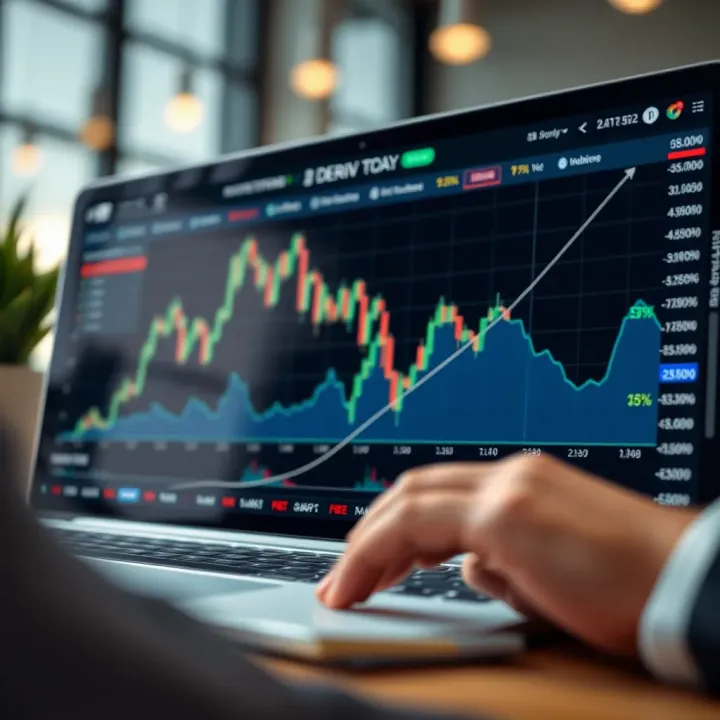
Boost your trading game in Kenya with Deriv Trading View 📈. Learn setup tips, key tools, and how to spot market trends for smarter decisions. 🇰🇪💡
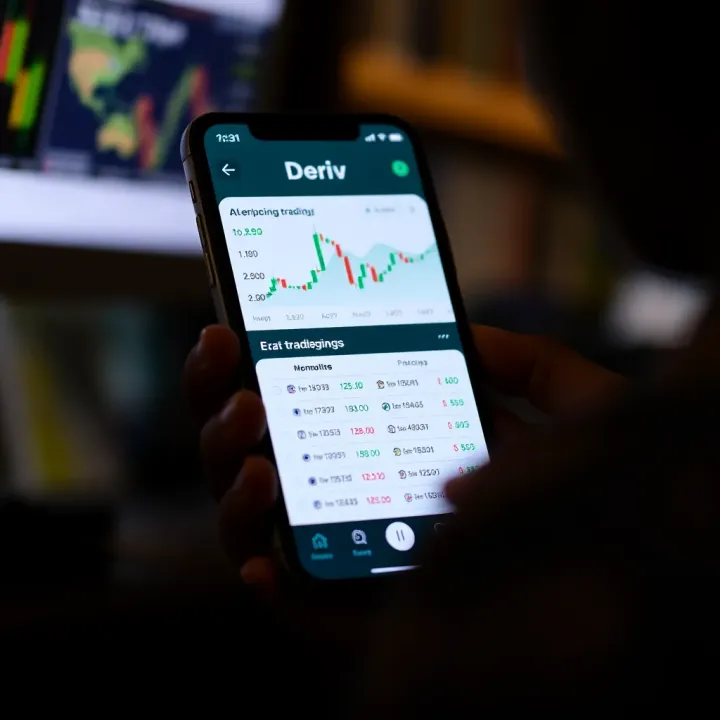
Explore how to set up and navigate the Deriv trading app in Kenya 📱 Gain tips on trading options, security, and boosting your trading success 🇰🇪💹
Based on 8 reviews