
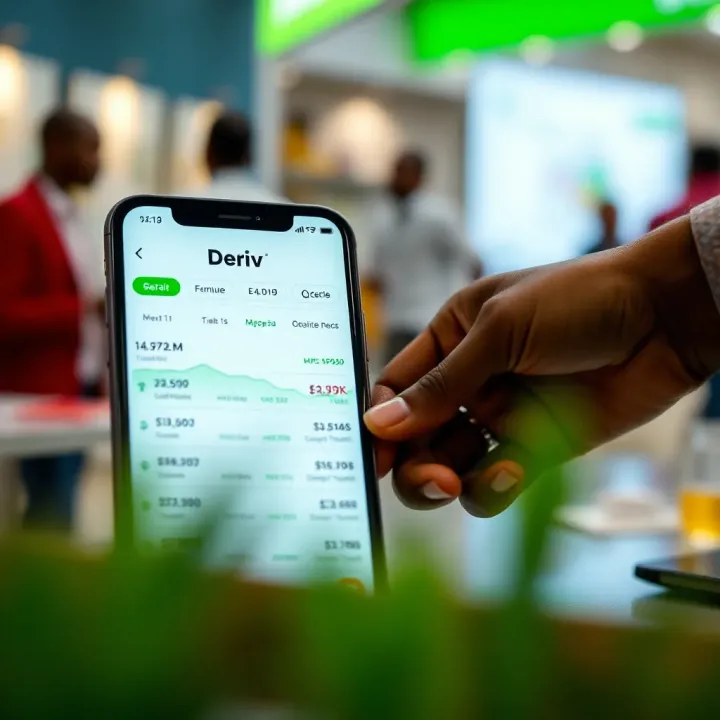
Understanding Deriv Mpesa for Kenyan Traders
Explore how Deriv Mpesa connects trading and Mpesa for Kenyan users📱. Learn benefits, security tips🔒, and easy steps for smooth transactions💹.
Edited By
Laura Phillips
TradingView and Deriv together offer Kenyan traders a powerful combination for market analysis and trading execution. TradingView is famous for its rich charting tools and a wide range of technical indicators. Deriv, on the other hand, provides a practical platform to place trades across forex, indices, commodities, and synthetic indices.
By linking TradingView with Deriv, traders gain the advantage of detailed market insights on TradingView’s interactive charts while executing trades quickly on Deriv. This integration allows for real-time analysis and swift order placement, enabling better timing and risk management.

This guide explains how to set up the two platforms to work hand in hand, plus tips on reading charts, setting alerts, and managing your trades effectively in the Kenyan market.
Mastering chart interpretation on TradingView can significantly improve your trading decisions on Deriv, especially during volatile sessions like pre-market hours or economic release periods.
TradingView
Customisable charts with over 100 technical indicators
Social community ideas for trading strategies
Drawing tools for trendlines, support, and resistance
Deriv
User-friendly interface for placing trades
Wide range of assets including forex pairs popular in Kenya like USD/KES
Risk management tools like stop-loss and take-profit orders
Kenyan traders especially benefit from this setup as they can analyse movements on TradingView using Kenya shilling currency pairs or regional indices, then quickly act on Deriv without constantly switching devices or software.
You will find:
Step-by-step connection setup
How to read TradingView charts focusing on Deriv markets
Strategy setup and alerts to catch trading opportunities
Practical tips on managing funds and risks tailored for Kenya’s trading environment
Understanding these before starting will put you ahead and help you trade smarter, not harder.
Understanding both TradingView and Deriv is vital before linking the two for trading. TradingView offers powerful charting and analysis, while Deriv provides the actual platform for financial contracts. Knowing what each brings helps Kenyan traders use them effectively and tailor strategies to local market conditions.
TradingView is best known for its interactive charts that support a wide range of technical indicators. These tools let traders identify trends, momentum, and possible reversals in assets. For example, a Kenyan trader could use moving averages and RSI (Relative Strength Index) to spot when a currency pair like USD/KES might be overbought or oversold before placing a trade.
Besides charts, TradingView hosts an active online community where traders share ideas, strategies, and trading scripts. This social aspect allows you to learn from others’ analyses or even get alerts when popular patterns form. For instance, following experienced traders focusing on forex or commodities can offer useful localised insights, especially relevant for markets affected by global shocks or regional events.
TradingView covers thousands of assets, including forex, stocks, commodities, and cryptocurrencies from all over the world. This wide coverage helps Kenyan traders diversify their portfolios beyond local assets, such as trading US tech stocks or global oil prices. Access to live global data is especially helpful for timing trades on Deriv, which offers numerous international contracts.
Deriv is an online trading platform that provides access to various financial options, including forex, stocks, synthetic indices, and commodities. Kenyan traders benefit from its wide selection of tradable assets alongside user-friendly features like demo accounts and real-time pricing. For example, a trader interested in BTC/USD contracts can use Deriv to execute trades based on analysis done on TradingView.
Deriv offers multiple contract types including multipliers, digit contracts, and classic high-low options. These different formats let traders choose how they want to engage with the market — whether aiming for short-term speculative gains or longer-term trend trades. Being aware of contract specifics is key to managing risk effectively, especially in volatile markets.
Deriv is quite suitable for Kenyan users because it supports easy deposits through M-Pesa and other local payment options. Its platform is accessible on low-end devices and can run smoothly on average Kenyan internet speeds. Additionally, its education resources and customer support cater to new traders, making it friendly for beginners keen on exploring online trading.
Combining TradingView’s analytical strength with Deriv’s diverse contracts creates a practical setup for Kenyan traders aiming for smarter, informed decisions in global markets.
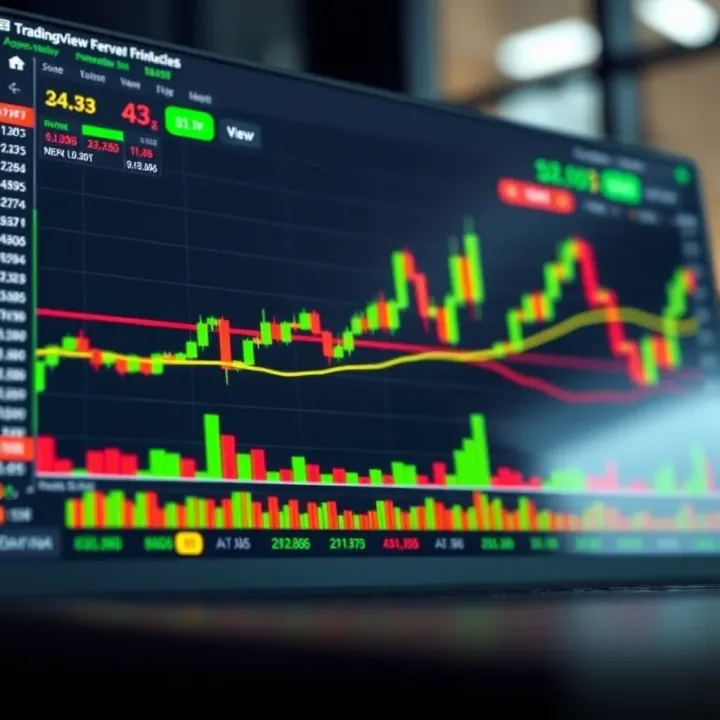
Connecting TradingView with Deriv offers Kenyan traders a real edge by combining powerful charting tools with a versatile trading platform. TradingView provides detailed market analysis through charts and technical indicators, while Deriv allows traders to execute trades across various assets including forex, commodities, and synthetic indices. This integration helps you spot opportunities more clearly and act on them swiftly. For example, a trader in Nairobi who notices a strong upward trend on TradingView can immediately enter a contract on Deriv to capitalise on the movement.
TradingView stands out for its rich set of technical tools that cover everything from moving averages to advanced oscillators. These tools allow traders to analyse price movements closely, identify trends, and understand market momentum. For instance, Kenyan traders can apply the Relative Strength Index (RSI) or Bollinger Bands on TradingView charts to confirm overbought or oversold conditions before making a trade on Deriv. This level of detail is not as easily available on most broker platforms alone.
With access to hundreds of built-in indicators and the ability to create custom scripts, TradingView lets you tailor analysis to your trading style. This flexibility means you can plan trades better, adjust strategies during market shifts, and avoid relying solely on guesswork or intuition.
Timing can make or break a trade, especially on platforms like Deriv where contract durations often span minutes or hours. TradingView’s advanced indicators such as the Moving Average Convergence Divergence (MACD) or volume profiles highlight not just the direction but the strength of price movements. This helps Kenyan traders nail entry and exit points more precisely.
For example, spotting a MACD crossover signal on TradingView might cue a trader in Mombasa to buy a rise contract on Deriv right before the price spikes. By relying on these timely indicators, you avoid jumping in too early or entering trades during false breakouts, conserving capital and increasing profitability.
TradingView’s community-driven alerts and signal tools provide timely market insights you can apply directly on Deriv. Many indicators come with signal functions that flag when to buy or sell based on historical price patterns. Kenyan traders can set alerts for specific conditions, such as a breach of support levels, then execute trades on Deriv as soon as these events unfold.
This approach turns TradingView analysis into actionable decisions rather than passive observations. For instance, a retail trader following forex pairs can watch for convergence in RSI and MACD indicators—signals suggesting a reversal—and place quick trades on Deriv for short-term gains.
Sound risk management is vital in trading, and TradingView’s clear chart visualisation helps Kenyan users spot risk zones such as support and resistance or chart patterns like head and shoulders and double tops. Recognising these patterns early allows you to set stop-loss orders more accurately on Deriv, protecting your capital when market swings catch many traders unprepared.
Beyond stops, having a visual sense of market structure from TradingView charts means you can size your trades better, adjust exposure based on volatility, and avoid chasing trades during unpredictable conditions. This careful approach is especially useful given how quickly Deriv’s markets can fluctuate.
Combining TradingView’s powerful charts with Deriv’s trading options lets Kenyan traders make smarter, faster decisions while managing risks carefully. This synergy is a practical way to improve outcomes in a competitive market.
Setting up TradingView to complement your Deriv trading activity is a key step for Kenyan traders aiming to make informed decisions. This process ensures you harness TradingView's charting power while executing your trades efficiently on Deriv. By understanding and linking these platforms, you gain better visibility on market trends and improve your chances of successful trades.
Signing up on TradingView is straightforward. Begin by visiting their website and registering using your email or social media accounts. Once inside, you'll find a variety of chart types to choose from — candlestick, line, bar charts, among others. Candlesticks are popular with Deriv users because they reveal price action clearly, helping you spot entry and exit points. For instance, if you are trading forex pairs on Deriv, selecting candlestick charts on TradingView allows you to read trends and reversal patterns more effectively.
Customising technical indicators on TradingView is crucial for adapting analysis to your trading style. You can add popular tools like Moving Averages, Relative Strength Index (RSI), and MACD directly onto your charts. Suppose you're interested in spotting overbought or oversold conditions; applying RSI helps signal when an asset might reverse. Also, adjusting indicator settings—for example, changing the period from 14 to 7—lets you tailor signals for shorter-term trades, which is often preferable for Deriv's binary options markets.
Using TradingView charts alongside Deriv’s market interface involves keeping both platforms open simultaneously. Although direct API integration is limited, having TradingView open in one browser tab provides you with real-time insights. You can watch the price action on TradingView to confirm trends and patterns before placing trades on Deriv. This dual setup is practical, especially when monitoring volatile assets like indices or commodities, where milliseconds matter.
Manual trade execution based on TradingView signals means spotting trade setups on charts and entering them manually on Deriv. For example, if TradingView’s indicators signal a breakout above a resistance level, you can quickly place a rise contract on Deriv expecting the price to climb. This approach demands quick but disciplined responses, so Kenyan traders must ensure their internet connection is stable to avoid delays during execution. Besides, combining M-Pesa on Deriv simplifies fund movement to support swift trade placements.
Keep in mind, practice is key: test your manual setups on Deriv’s demo account using TradingView signals before trading with real money. This builds confidence and helps refine your timing in live markets.
By setting up TradingView properly and pairing its features with Deriv, Kenyan traders can approach trading with sharper insights and better control. The setup process is not complicated but requires attention to detail and a ready internet infrastructure to benefit fully.
Having effective trading strategies is essential for Kenyan traders using TradingView together with Deriv. These strategies help to make sense of market movements and improve decision-making. By combining TradingView’s advanced charting tools with Deriv’s trading options, traders can pinpoint entry and exit points with better accuracy, reducing guesswork. For example, spotting a well-formed trend line on TradingView before placing a Deriv contract can help confirm the right moment to act.
Moving averages smooth out price data over a period, showing overall direction or trend. In Deriv markets, using a 50-day and 200-day moving average can clarify whether an asset is trending upwards, downwards, or sideways. Trend lines connect price highs or lows and visually represent support or resistance zones. Kenyan traders can use trend lines on TradingView to assess if the market is following a consistent path before placing trades in Deriv, which boosts timing and confidence.
Support levels mark the price points where buying usually increases, preventing prices from falling further. Resistance levels indicate where selling tends to pick up, stopping prices from rising more. Recognising these on TradingView helps traders predict price bounces or potential breakouts. In Deriv, this insight aids in selecting contracts that benefit from price reversals near these levels, improving winning odds.
Oscillators measure momentum to indicate overbought or oversold conditions. Relative Strength Index (RSI) tells when a market is overbought (typically above 70) or oversold (below 30), signalling potential reversals. Moving Average Convergence Divergence (MACD) highlights momentum changes by comparing moving averages. Kenyan traders use these on TradingView to time Deriv trades more precisely, e.g., entering when RSI shows oversold conditions, anticipating a bounce.
Breakouts occur when price moves beyond a support or resistance level, often indicating strong momentum. Reversals signal a change in trend, like from up to down. TradingView’s chart patterns, such as triangles or head and shoulders, help Kenyan traders spot these early. This is useful on Deriv, where entering trades just after breakouts or close to reversals can capture swift price moves.
Using TradingView, traders can mark key price zones for entering or exiting Deriv contracts. For instance, entering just after confirming a breakout reduces false signals. Similarly, anticipating exit points around resistance or support levels protects profits. This discipline in planning prevents emotional decisions and enhances consistency.
Stop loss and take profit orders are vital to manage risk on Deriv trades. TradingView analysis helps Kenyan traders identify where to place these orders—stop losses just beyond support or resistance, and take profit near expected reversal zones. This approach limits losses and locks in gains without constant monitoring.
Markets can move sharply due to news or events. Kenyan traders using TradingView signals can set stop losses to protect capital if price moves unexpectedly. Take profit levels ensure gains are captured before reversals happen. Combined, these tools help manage Deriv trades calmly amid the ups and downs, preventing heavy losses that can be hard to recover from.
Successful trading on Deriv with TradingView boils down to understanding technical signals, timely execution, and disciplined risk management. Practical strategies tailored to Kenyan markets can make a real difference.
By focusing on these proven techniques and applying TradingView’s powerful charting alongside Deriv’s flexible platform, Kenyan traders can improve their chances of consistent, profitable trading results.
Trading in Deriv markets using TradingView’s charts can be rewarding, but it needs some practical grounding, especially for Kenyan traders. This section focuses on crucial tips that ensure smooth trading operations, from stable internet connections to timely market updates. Without these, you risk missing key signals or losing trade opportunities, which can cost you dearly.
Having a reliable internet connection is non-negotiable for real-time chart updates and trade execution on Deriv. For Kenyan traders, a stable 4G connection or fibre-optic broadband with speeds of at least 10 Mbps is advisable. Connections that frequently drop or lag can cause delayed chart signals, leading to poor trade decisions. For instance, during Nairobi’s peak evening hours, mobile networks may slow down, so scheduling trades in off-peak times could help.
On device specs, TradingView and Deriv run smoothly on most modern smartphones and laptops. However, a minimum of 4 GB RAM and a dual-core processor is recommended to avoid freezing or slow loading, especially when multiple indicators are active. Using a laptop or desktop with a good screen can help you analyse charts better than on small mobile phones.
M-Pesa integration makes deposits and withdrawals on Deriv very convenient for Kenyan traders. You can fund your trading account quickly from your phone without bank queues or delays. This fast payment method allows you to seize sudden market opportunities without worrying about transaction slowdowns that traditional banks might pose. Equally, withdrawals to M-Pesa are usually swift, helping you access your profits promptly.
Keeping an eye on financial news that affects the assets you trade on Deriv is essential. Local sources like Business Daily Kenya and international outlets such as Bloomberg give valuable insights that influence asset price movements. For example, if you trade forex pairs involving the Kenyan Shilling (KES), news on CBK monetary policy or agricultural exports can shift trends.
Scheduling your daily market analysis before the main trading hours helps you plan better and spot key opportunities. For Deriv, which offers markets from global forex to commodities, checking charts and news early allows you to set your strategy calmly without panic. An effective habit is to review overnight international market moves before the Nairobi stock market opens. This preparation reduces the risk of making rash trades based on sudden price swings.
Reliable internet and staying informed are often overlooked but they form the backbone of successful trading using TradingView and Deriv. Kenyan traders who pay attention to these practical details position themselves better to trade confidently and profitably.
By following these tips, you help ensure that your experience linking TradingView with Deriv is seamless, effective, and tailored to the realities of trading from Kenya.
Explore how Deriv Mpesa connects trading and Mpesa for Kenyan users📱. Learn benefits, security tips🔒, and easy steps for smooth transactions💹.

Explore Deriv Forex with tips for Kenyan traders 🚀. Learn about account types, trading tools, risk strategies & legal info to boost your Forex journey!

📊 Explore Deriv Broker's services, platforms, and security tailored for Kenyan traders. Learn about account types, regulations, and support to trade wisely.
Learn how to open and manage Deriv accounts in Kenya 🇰🇪. Discover types, verification, funding, and trading tips to boost your success on the platform 📈.
Based on 7 reviews