
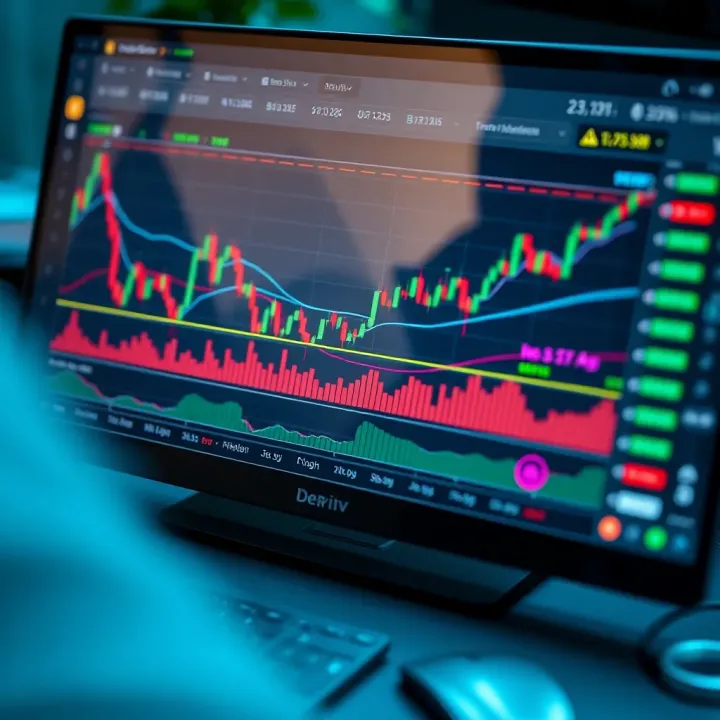
Understanding Deriv TradingView for Market Analysis
📊 Discover how to use Deriv TradingView's tools for smarter market analysis in Kenya. Learn chart reading, trading features & strategies to boost confidence.
Edited By
Sarah Bennett
TradingView charts have become a top choice for many Kenyan traders and investors looking to analyse markets more effectively. Whether you're tracking forex pairs like USD/KES, following stocks listed on the Nairobi Securities Exchange (NSE), or monitoring commodities, TradingView offers a clear visual space for market data.
The platform's strength lies in its simple interface combined with powerful tools, allowing traders of all levels to spot trends, patterns, and price action at a glance. You can customise charts by adding technical indicators such as Moving Averages or the Relative Strength Index (RSI), which help in assessing market momentum and potential reversals.
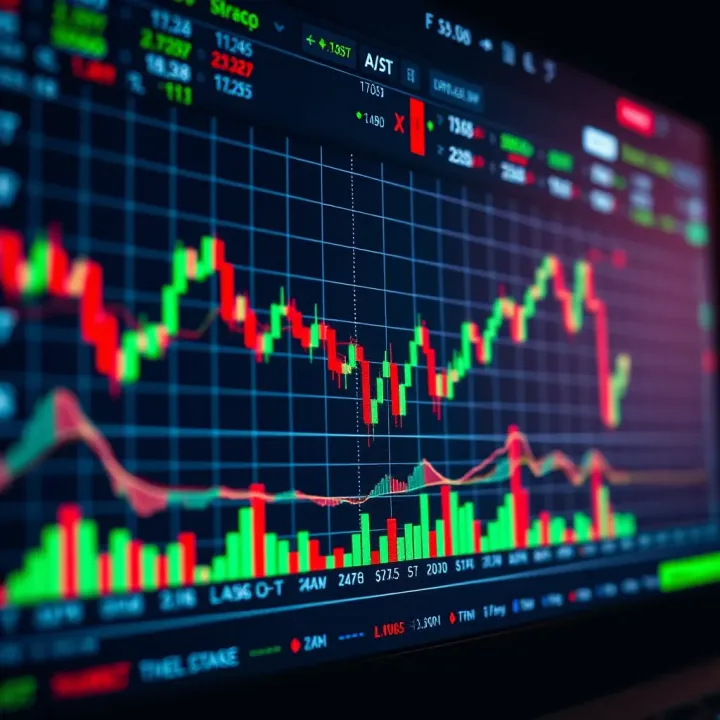
Understanding how to use these features can make the difference between profitable trades and missed opportunities. For example, Kenyan traders often rely on M-Pesa payments to swiftly execute trading accounts funding; using TradingView’s alert system, you can get notified immediately when price levels meet your criteria, saving precious time.
A well-set TradingView chart isn't just a colourful image — it’s an essential tool that guides your trading decisions, helping you stay ahead in dynamic markets.
By exploring chart types like candlestick, bar, and line charts, you can tailor your view to your preferred analysis style. Drawing tools such as trendlines or Fibonacci retracements also aid in pinpointing key support and resistance levels, critical in the East African markets where volatility is common.
In short, mastering TradingView charts equips you with a practical edge. This article will walk you through the platform's must-know features and show how to customise your charts with relevant technical tools. You'll find actionable tips that fit the realities Kenyan traders face every day, both locally and internationally.
TradingView charts offer a straightforward but powerful way to analyse market trends, making them essential for traders and investors in Kenya and beyond. This platform helps you see the bigger picture and the fine details of how stocks, forex pairs, or commodities move, enabling smarter decision-making. For instance, a Kenyan trader tracking NSE stocks or monitoring forex pairs like USD/KES can spot entry and exit points more clearly using TradingView’s visual tools.
TradingView is a browser-based charting and social networking platform that provides up-to-date price charts for a wide range of financial instruments. It covers everything from local equities to cryptocurrencies, commodities, and global forex markets. The platform is popular because it offers real-time data, interactive charts, and a straightforward interface that even beginners can learn quickly. For example, you don’t need to install heavy software; just log in online and start analysing.
One of the neat features is how users can share their chart ideas publicly, which builds a community of traders who learn from one another’s strategies. This makes TradingView not only a charting tool but also a learning hub where you can see practical applications of various trading techniques.
The platform’s biggest advantage is flexibility. You can customise chart types and timeframes to suit your trading style, whether you prefer short-term scalping or long-term investing. For example, a forex trader might use 5-minute or 15-minute charts to catch quick movements, while a Kenyan investor looking at NSE stocks may focus on daily or weekly charts.
TradingView also supports an extensive range of technical indicators like Moving Averages, RSI (Relative Strength Index), and Bollinger Bands, which help you evaluate momentum, trends, and volatility.
Alerts allow you to stay updated without monitoring charts constantly. You can set alerts for specific price levels or indicator signals and receive notifications on your phone or email.
Finally, its accessibility across devices means you can monitor your investments whether at a coffee spot in Nairobi or on a weekend getaway. This ease of use and powerful functionality make TradingView a top choice for Kenyan market participants looking to improve their analysis.
Starting out with TradingView charts is an essential step for any trader or investor serious about market analysis. Getting familiar with the platform early helps you save time and avoid confusion later when making real trading decisions. This section focuses on two key steps: creating your account and navigating the interface, then customising chart types and timeframes to suit your trading style.
To begin, you need to register for a TradingView account. The process is simple and free; all you need is an email address or you can sign up using Google or Facebook accounts. Once inside, you’ll face a clean, user-friendly interface designed to give quick access to essential tools and market data.
Right on the first screen, you’ll notice the chart already loaded, but it’s important to navigate key parts like the ticker search at the top where you input stock names, commodities, forex pairs, or cryptocurrencies. On the left side, you’ll find drawing tools such as trend lines and Fibonacci retracements; these help you mark support and resistance levels neatly. The right panel hosts chat and watchlists, where you can monitor favourite stocks or assets closely.
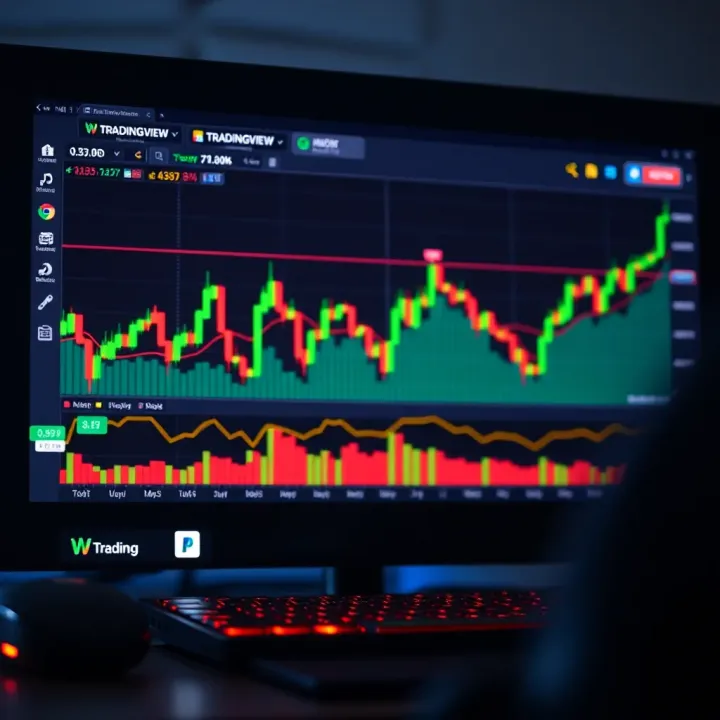
A practical tip is to spend time clicking through menus and buttons without fear of making mistakes — TradingView saves your progress and lets you reset any changes. For example, you might start by searching for Safaricom’s NSE ticker "SCOM" and then add it to your watchlist to observe price movements throughout the day.
Every trader has a different way of looking at charts, so TradingView lets you choose the chart type that fits your analysis best. Typical options include candlestick, bar, line, and area charts. Candlesticks are most popular because they show open, close, high, and low prices in a way that clearly highlights market sentiment.
Timeframes are critical. Depending on your trading style—say, a day trader versus a long-term investor—you can pick minute, hourly, daily, weekly, or even monthly intervals. For instance, a forex trader might prefer 15-minute or 1-hour charts because their decisions depend on short-term price shifts. On the other hand, a Kenyan investor tracking NSE stocks like KCB Group may study daily or weekly charts to understand longer trends.
TradingView’s flexibility also allows combining multiple timeframes on one screen. This helps you spot short-term fluctuations while keeping an eye on broader market trends.
Spending time setting up your charts correctly from the start makes analysis faster and decisions sharper. The more suited your charts are to your needs, the clearer your market view.
In summary, setting up an account and mastering the interface, followed by smart customisation of chart types and timeframes, are foundational steps that help traders and investors in Kenya and beyond make better sense of market movements using TradingView.
TradingView offers a suite of powerful features designed to sharpen your market analysis. These features not only help you interpret price movements but also enable a more hands-on, interactive approach to trading. Understanding and mastering these key tools will give you a real edge, whether you're tracking NSE stocks, forex pairs, or cryptocurrencies.
Drawing tools are essential for visually marking significant patterns and support or resistance levels on your charts. TradingView provides a variety of options like trendlines, Fibonacci retracements, channels, and geometric shapes. For example, when analysing Safaricom shares, you might draw horizontal lines at previous highs and lows to identify breakout points.
Annotations let you add notes directly onto charts, which is handy when reviewing your strategies later or sharing insights with fellow traders. Suppose you notice a chart pattern forming during the daily market horn; a quick annotation can remind you of the context when revisiting the chart.
These tools save time and enhance clarity—rather than relying on memory, you have a visual reference that keeps your strategy focused and accessible.
Technical indicators are at the heart of TradingView's analytic power. From the Relative Strength Index (RSI), Moving Averages (MA), to Bollinger Bands, these indicators provide insights into momentum, trend direction, and volatility.
You can add multiple indicators and adjust their settings to fit your trading style. For instance, a trader focusing on NSE stocks might combine the 50-day MA with RSI to confirm trend strength before placing a trade. Moreover, TradingView’s interface allows you to customise indicator colours and line thickness for improved readability, which is particularly useful during intense market sessions.
Indicators can sometimes send conflicting signals, so managing multiple overlays efficiently is key. TradingView enables toggling indicators on and off or layering them on different chart panes for clearer interpretation.
Keeping tabs on various markets simultaneously is simpler with TradingView’s multiple chart and watchlist features. You can open several charts side by side, each tracking a different security or timeframe. For example, a forex trader might have USD/KES, EUR/USD, and GBP/USD charts open to monitor regional and global currency movements in real time.
Watchlists help streamline your focus by grouping your preferred stocks or currency pairs in one view. You can create separate lists for NSE stocks, Kenyan commodities like tea and coffee futures, or cryptocurrencies. This organisation makes quick decisions easier, especially when market conditions change unexpectedly.
These features let you customise your dashboard for efficient monitoring, supporting faster reaction times and better-informed decisions.
Mastering these key features on TradingView not only simplifies chart reading but also boosts your confidence in making trading calls grounded in thorough analysis.
TradingView charts are valuable tools for both local and international market analysis. Kenyan traders benefit greatly from this platform as it connects them not only to the Nairobi Securities Exchange (NSE) but also to global markets like New York or London. With practical access to multiple instruments, traders can compare performances, spot trends, and make informed decisions efficiently.
The NSE offers a range of stocks from Safaricom to Equity Bank, which are widely tracked on TradingView. These charts help you monitor price movements, volume changes, and market sentiment over time. For instance, during earnings seasons or policy announcements from the Central Bank of Kenya, you can quickly visualise how affected stocks react.
Besides equities, TradingView is useful for following regional commodities such as tea, coffee, and maize. These commodities often influence local economies and can be volatile due to weather or export demand. For example, if rainfall is below average during the long rains season, charts for coffee futures or maize prices may show upward movements, signalling opportunities or risks for farmers and traders. Such insights can guide timely decisions in agricultural investments or trading.
Kenyan traders are increasingly engaged in forex and cryptocurrencies, thanks to platforms like Safaricom’s M-Pesa enabling easy local liquidity. TradingView’s forex charts cover major pairs like USD/KES, EUR/USD, and GBP/USD, essential for importers, exporters, or those sending remittances. Precise analysis of these pairs helps manage currency risk, plan conversions, or assess macroeconomic impacts.
Cryptocurrency markets are accessible on TradingView as well, including Bitcoin, Ethereum, and regional tokens. Since crypto prices can swing wildly, charts offer real-time updates and historical analysis that help traders spot entry and exit points. For example, a trader interested in Bitcoin could combine TradingView’s RSI and moving averages to identify potential buy zones during dips.
Leveraging TradingView charts tailored to Kenyan markets alongside global instruments gives traders a comprehensive outlook. It breaks barriers caused by geographical distance and limited local data access, allowing robust market participation.
By familiarising yourself with how TradingView displays NSE stocks, regional commodities, forex, and cryptocurrencies, you build essential skills for navigating both Kenyan and international financial landscapes. This broad view is key to spotting unique trade opportunities, managing diversified portfolios, and adapting to changing market conditions.
Using TradingView charts effectively can make the difference between merely watching the market and actually interpreting it to make informed decisions. For Kenyan traders, local investors, and financial analysts following international markets, these tips can help extract the full potential of TradingView’s powerful features.
One of TradingView’s most practical tools is the alert system. By setting alerts, you ensure you don’t miss key price movements or technical indicator signals. For example, you can set an alert when an NSE stock like Safaricom (SCOM) hits a specific price or breaks a resistance level. This saves you from watching charts continuously, freeing you to focus on other trades or work.
Alerts can be customised for price, indicator crossings, or even drawing tool interactions. Alerts notify you via email, SMS, or app push, ensuring you stay on top of market moves anywhere, even on the move. It's smart to combine alerts with saved chart layouts; you can save different chart setups—say one for NSE stocks, another for forex pairs, and a third for cryptocurrencies—which speeds up daily analysis.
Saving layouts also helps preserve your preferred indicators, timeframes, and drawing tools. This avoids repetitive setup and lets you pick up analysis without starting from scratch. For example, a trader tracking forex pairs like USD/KES may want a layout with RSI and moving averages, while a commodity trader may focus on volume and Bollinger Bands for tea prices.
Technical analysis requires discipline and clear understanding. Common errors can lead to costly misjudgements. A frequent mistake is relying on a single indicator without cross-checking signals. For instance, a trader seeing a green RSI might jump to buy without seeing that the MACD shows weakening momentum. Always combine indicators and consider market context.
Another pitfall is ignoring timeframes. Short-term charts may show volatility that doesn’t reflect the bigger trend. Kenyan investors dealing with NSE stocks should check multiple timeframes to avoid false signals — a stock may seem oversold on a 5-minute chart but trending upward on daily charts.
Also, avoid overloading charts with too many indicators; this can cloud judgement rather than help. Simplicity is key. For example, a clean chart showing candlestick patterns with a moving average can often reveal clearer signals than a cluttered screen.
Remember, TradingView is a tool, not a crystal ball. Use alerts and chart layouts to stay organised, and verify your technical signals across multiple indicators and timeframes before making a move.
These tips ensure you use TradingView charts effectively, helping you make better market calls whether you trade stocks on the NSE, forex pairs, or collectible commodities. With consistent practice, these habits become part of your trading routine, improving your market analysis and decision-making.
📊 Discover how to use Deriv TradingView's tools for smarter market analysis in Kenya. Learn chart reading, trading features & strategies to boost confidence.
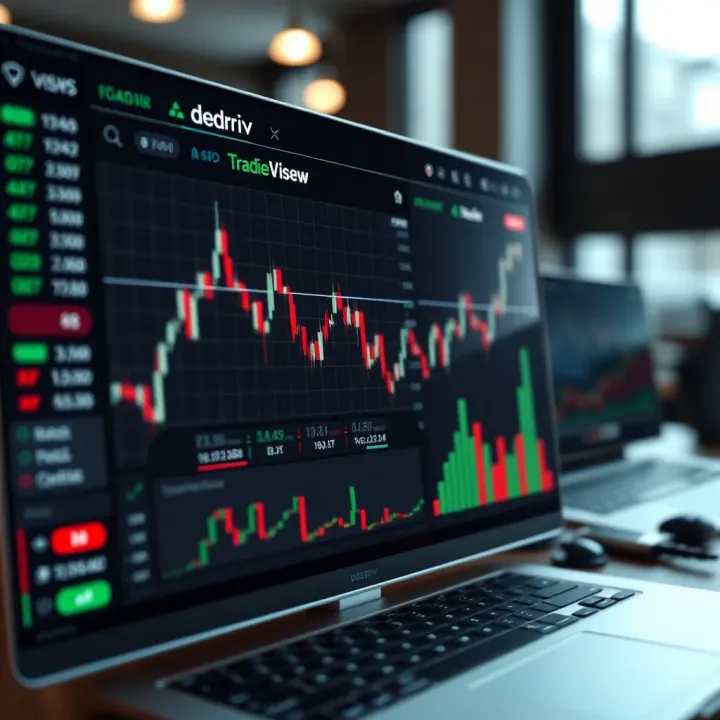
📊 Learn how to integrate Deriv's TradingView features for smooth market analysis. Get step-by-step guidance, customization tips, and solve common issues.
📊 Discover how the Commitment of Traders (COT) report aids Kenyan traders by revealing market trends and trader types, enhancing your market analysis and strategy.
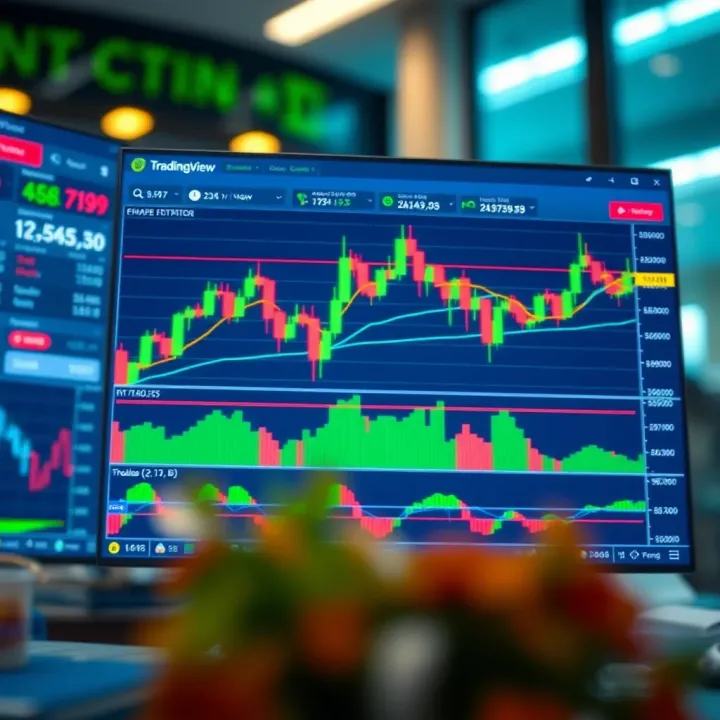
📊 Master TradingView charts for smarter binary options trading! Learn to set up, read, and trade confidently using these powerful tools effectively.
Based on 10 reviews