
Understanding Forex Trading for Kenyan Investors
Interested in forex trading? Learn how currency exchange works, key strategies, risks, and tips tailored for Kenyan investors to trade smartly 💱📈.
Edited By
Henry Davies
Forex trading has gained traction in Kenya, attracting a wide range of users from beginners to experienced investors. Choosing the right forex trading app is key to navigating this market effectively. The good news is, plenty of apps are designed with Kenyan traders in mind—accepting local payments like M-Pesa and offering features tailored for our market.
A forex trading app connects you directly to the global forex market, allowing you to buy and sell currency pairs on your mobile device or computer. These apps provide real-time rates, charts, news, and trading tools that help you make decisions quickly without needing a broker in between.
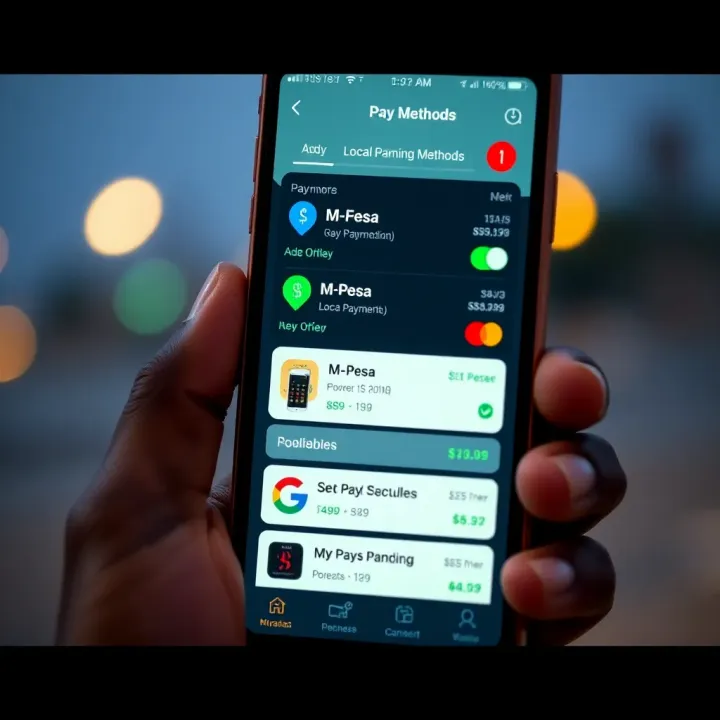
Kenyan traders need to be especially mindful of security and local compliance. The Capital Markets Authority (CMA) regulates forex brokers in Kenya, so use apps linked to CMA-regulated firms to avoid scams. Additionally, look for apps that support popular Kenyan payment methods such as M-Pesa or bank transfers with local banks like KCB or Equity. This simplifies deposits and withdrawals, saving both time and extra costs.
When selecting an app, focus on these essentials:
Regulation and licensing: Confirm the broker is authorised to operate in Kenya.
User interface: Clear, intuitive design matters for fast execution.
Trading tools: Access to indicators, technical analysis, and demo accounts aid learning and strategy testing.
Fees and spreads: Lower costs mean more profit on successful trades.
Customer support: Responsive service is vital, especially for local users.
Trusted forex apps in Kenya balance between a simple user experience and robust tools. They make it easier for you to trade confidently and safely.
In the sections ahead, we explore how these features work, how to pick an app that suits your trading style, and tips on staying safe while trading forex in Kenya. The aim is to help you choose an app that not only lets you trade but grows your skills and protects your capital.
Understanding how forex trading apps work is key to making the most of them, especially in Kenya’s fast-moving financial environment. These apps offer direct access to the global forex market, allowing users to trade anytime from their mobile devices. Knowing their basic functions and technical requirements can help you trade smarter and avoid unnecessary mistakes.
Forex trading apps connect you directly to currency markets, giving access to live buying and selling prices. This means you can see the current value of pairs like USD/KES or EUR/USD in real time. Market quotes update every second, reflecting global economic news and market sentiment. For a trader in Nairobi, immediate access to these updated prices can help you respond swiftly to sudden market moves, whether it’s a change in Central Bank of Kenya policy or unexpected international events.
Once you decide to trade, the app must translate your instructions into market orders accurately and quickly. Efficient order execution means your buy or sell orders at specified prices get placed without undue delay or slippage. For example, if the KCB shares are moving fast and you want to buy USD/KES at a certain rate, a responsive app will execute your order at that rate or very close to it. Poor execution can mean losses or missed opportunities, so the app’s speed and reliability are essential.
Most forex apps include interactive charts and tools like moving averages, Relative Strength Index (RSI), and Bollinger Bands. These help traders analyse trends and make informed decisions. For instance, Kenyan traders might use these tools to detect when the shilling is weakening against the dollar and plan trades accordingly. Being able to customise chart views and add indicators directly on your phone makes technical analysis accessible on the go.
In Kenya, Android dominates mobile devices, but iOS has a presence mainly among elite users. Forex apps must support both platforms to offer wider accessibility. For example, popular trading apps like MetaTrader and IG Markets ensure their software works seamlessly on Android phones and iPhones. This way, traders across Nairobi’s matatu routes or from Mombasa’s coast can access the market regardless of the phone they have.
An intuitive interface lets you place trades, check balances, and view charts effortlessly. Good apps avoid cluttered screens and complex menus, offering clear buttons and straightforward navigation. This is important when trading during short breaks or while on the move. For a forex trader in Kenya’s bustling urban centres, clarity in app design means fewer mistakes and quicker decision making.
Forex trading depends heavily on reliable internet connections. Many Kenyan traders use mobile data which may fluctuate in speed and stability. Apps that are lightweight and function well on slower networks reduce frustration. Some apps also offer offline modes or data-saving features to accommodate traders in areas with patchy coverage. Alongside that, smooth app performance with minimal crashes or freezes is vital to avoid losing out on market opportunities.
Choosing a forex trading app that operates well on your device and network, and offers real-time updates with easy order placement, sets you up for better trading outcomes in Kenya’s dynamic market.
Selecting the right forex trading app requires attention to specific features that will affect both your trading experience and financial safety. In Kenya, users especially benefit from apps that offer strong security measures, reliable trading tools, and payment options suited to the local market like M-Pesa. Paying close attention to these elements can protect your investments and help you trade confidently.
Encryption and data protection are fundamental security features that shield your personal and financial information from unauthorised access. Good forex apps use end-to-end encryption, ensuring that data exchanged between your device and the server stays private. For instance, a common standard is TLS (Transport Layer Security), which is vital when you log in or execute trades. In Kenya, where internet cafes and public Wi-Fi are common, encryption prevents hackers from intercepting your details.
Licensing by recognised authorities gives you peace of mind that the platform operates under legal oversight. Trusted apps will be regulated by bodies such as the Capital Markets Authority (CMA) in Kenya or international regulators like the UK’s Financial Conduct Authority (FCA). For example, a CMA-licensed forex app must comply with regulations that protect client funds and ensure transparency, which helps you avoid scams.
User verification and anti-fraud measures prevent unauthorised account access and fraudulent activities. Most apps require users to go through Know Your Customer (KYC) checks by uploading identification documents. They also implement tools like two-factor authentication (2FA), which adds a step when logging in or making withdrawals. This is particularly useful in Kenya, where mobile phones are often shared, reducing the risk of fraud.
Access to technical and fundamental analysis helps you make informed trading decisions. A good forex app offers real-time charts with indicators like moving averages and RSI (Relative Strength Index), alongside news feeds about economic events affecting currency pairs. For instance, you might want alerts on Kenya’s inflation rates or interest rate changes to adjust your strategy.
Customisable alerts and notifications keep you updated without having to stare at your phone all day. You can set alerts for price movements or trade executions, allowing you to react quickly to opportunities or risks. These alerts are especially useful for busy traders juggling other commitments.
Demo accounts for practice allow beginners to trade with virtual money before risking real funds. This feature is invaluable for testing strategies and getting familiar with the app interface. Many Kenyan traders use demo accounts from platforms like MetaTrader 4 or FXTM to build confidence before moving to live trading.
Integrations with M-Pesa and bank transfers provide convenient ways to fund your trading account and withdraw profits. Since M-Pesa dominates mobile payments in Kenya, forex apps supporting it simplify transactions without requiring a bank. For example, depositing KS0,000 via M-Pesa directly from your phone saves time and avoids the hassle of bank visits.
Transaction fees and processing times vary widely between apps and payment methods. Some apps charge a small fee per deposit or withdrawal, while others offer free transactions but with longer processing times. When choosing an app, check how quickly deposits appear in your account and how long withdrawals take to reach your mobile wallet or bank.
Limits on deposits and withdrawals are important to understand to avoid surprises. Some apps have minimum and maximum amounts that are allowed per transaction or per day. For instance, a beginner might appreciate a low minimum deposit of KS,000, while experienced traders might want higher limits to move larger sums swiftly. Knowing these limits upfront helps you plan your trading capital better.
Choosing a forex app with robust security, useful trading tools, and easy local payment options ensures you can trade with confidence and flexibility from anywhere in Kenya.
Choosing the right forex trading app is more than just picking one that looks good or has shiny features. For Kenyan traders, making a careful choice can save both money and stress down the line. The right app should fit your trading needs, respect local realities like payment methods and trading hours, and offer solid support when issues arise.
User reviews and ratings provide valuable insights from other traders who have used the app. In Kenya, where new platforms crop up regularly, checking reviews on Google Play Store or App Store can reveal whether users face frequent crashes, delays in execution, or issues withdrawing money. Ratings often show the app’s reliability but do look beyond scores—read comments to see if problems are resolved quickly.
The history of the app provider matters because established companies typically have more resources to maintain stable platforms and comply with financial regulations. For example, apps backed by firms operating in multiple countries or with long track records are less likely to disappear overnight or engage in unfair practices. If the provider has solid presence in Kenya or the wider East African region, it’s an added plus, as they understand local challenges better.
Good customer support responsiveness can make or break your experience. Even the best forex app will face glitches occasionally. An app with quick and helpful support—via phone, chat, or email—helps you solve urgent problems like account access or fund retrieval without losing valuable time. In Kenya, where internet connectivity may sometimes be patchy, having reliable support ensures you don’t miss opportunities or get stuck during critical trading moments.
Availability of Swahili language support caters to a broader range of Kenyan traders, especially beginners who might find financial jargon tricky in English. An app that offers Swahili options helps users understand instructions clearly, reducing mistakes when placing orders or reading market updates.
Local account funding methods are crucial. The ease of funding your forex account through familiar channels like M-Pesa, bank transfers from Equity Bank or KCB, or even mobile banking apps directly affects how quickly and safely you can trade. Apps that integrate smoothly with these methods allow quick deposits and withdrawals without hefty fees, making your trading flow smoother.
Finally, adaptation to Kenya’s market hours ensures that the app gives timely information that matches local time zones. Forex markets run 24/5 worldwide but aligning news and trading hours with EAT (East Africa Time) helps you avoid confusion. Some apps provide alerts or summaries at convenient Kenyan times, enabling traders to plan their sessions around daily routines or even matatu schedules!
Always choose an app that values your convenience and understands the Kenyan market’s unique rhythms. Combining strong reputation with local fit gives you a better shot at successful trading.
This approach lets Kenyan traders make informed choices, avoiding popular pitfalls and enhancing their trading potential on forex platforms that actually work well within their environment.
Trading forex on mobile apps can be convenient, but safety must come first to protect your funds and personal data. Kenyan traders using these apps should focus on secure account management and smart risk strategies to avoid common pitfalls like fraud or heavy losses. Simple safeguards make a huge difference in creating a safer trading experience.
A strong password and two-factor authentication (2FA) are your first line of defence against account intrusion. Use a password with a mix of letters, numbers, and symbols rather than simple phrases like "password123". Many forex apps support 2FA, where you receive a unique code on your phone to confirm login attempts. This means even if someone guesses your password, they can’t get in without the second code.
Phishing scams are a real danger. Fraudsters might send fake emails or messages pretending to be from your forex app provider, asking for login details or directing you to fake websites. Always check the sender carefully and avoid clicking on suspicious links. When in doubt, open the app directly from your phone instead of following a link.
Secure internet connections matter particularly when trading forex, as public Wi-Fi networks can expose you to hackers monitoring traffic. It’s best to use your mobile data or a trusted private Wi-Fi network, especially when entering sensitive information or making transactions. Avoid trading in cafés or public spaces with open networks unless you use a Virtual Private Network (VPN) which encrypts your data.
Setting stop-loss orders helps limit potential losses by automatically closing a trade when the price reaches a certain level. For example, if you buy a currency pair at KSh 110, setting a stop-loss at KSh 108 means your trade will close if the price drops to 108, avoiding further losses. This tool is essential for disciplined trading and protecting your capital.
Diversification means spreading your investment across different currency pairs rather than putting all your money into one trade. This reduces risk because losses in one trade can be offset by gains in another. For instance, trading USD/KES and EUR/USD pairs together can balance your exposure to different market movements.
Limiting leverage is another key risk control technique. High leverage allows bigger positions with little capital but also amplifies losses quickly. Beginners should avoid using the maximum leverage offered and start with lower levels, like 1:10, to keep potential losses manageable. Remember, it’s better to grow your account steadily than to risk wiping it out in one bad trade.
Staying safe when using forex trading apps isn’t just about protecting money — it’s about building habits that make your trading sustainable and less stressful. Combining strong security measures with smart risk management can keep you ahead in the market and off scammers’ radar.
Keeping these safety practices in mind will help any Kenyan trader feel more confident while navigating forex markets through mobile apps.
Knowing the costs tied to forex trading apps helps you manage your investments better and avoid surprises that eat into your profits. These charges impact how much you pay per trade and the overall cost of using a platform. For Kenyans trading forex, understanding these fees can influence which app you pick and how you plan your trades. For example, small hidden fees can add up, especially when you trade frequently.
The spread is the difference between the buying price (bid) and selling price (ask) of a currency pair. This gap is basically the cost you pay to enter a trade. A wider spread means you start with a small loss when you open a position since you buy at a higher price and sell lower. Narrow spreads, on the other hand, improve your chances of making a profit faster.
For instance, if you trade EUR/USD and the spread is 2 pips, you need the price to move at least 2 pips in your favour just to break even. In volatile market times, spreads may widen, increasing your cost. So, looking for apps that offer tight spreads can make a noticeable difference.
Some forex apps offer fixed spreads, meaning the cost stays constant no matter market conditions. This predictability helps in planning trades and setting stop-loss levels. But fixed spreads can be higher than variable ones during calm market periods.
Variable spreads change based on market liquidity and volatility. They tend to be low during normal trading hours but can widen significantly during news releases or off-hours. This can be tricky for traders using high leverage, so knowing how your app handles spreads at different times is key.
While many apps include their costs in the spread, some charge commissions per trade. This fee might be a fixed KSh amount or a percentage of the trade size. Commission-based models often pair with lower spreads, which can save money if you trade in large volumes.
Understanding your app’s commission setup matters because it affects your overall trading costs. For example, if you make many small trades, commissions may quickly add up compared to paying through spreads.
Some forex apps charge fees when you move money in or out. For Kenyan traders using M-Pesa or bank transfers, these fees might come from the app or their payment service. Always check if there’s a cost to fund your account or withdraw profits as it affects your net returns.
For example, if an app charges KSh 100 per withdrawal and you frequently cash out small amounts, you lose more than saving up to withdraw larger sums less often.
Some platforms deduct fees if your account stays dormant for months. This discourages maintaining accounts without trading but can surprise unwary users. Make sure to verify inactivity terms, so you avoid unexpected deductions on your balance.
If your account currency differs from the currencies you trade or deposit, you might face conversion fees. For Kenyan traders dealing in KSh but trading USD pairs, this cost applies when converting deposits or withdrawals. It’s wise to pick an app with competitive forex rates or direct KSh support to lower this expense.
Always reading the fine print about costs avoids nasty surprises later. Accumulated charges can shrink your profits even on winning trades, so understanding the fee structure helps you trade smarter and choose the best forex app.
By keeping an eye on spreads, commissions, and other fees, you position yourself to make better trading decisions and keep more of your earnings.
Interested in forex trading? Learn how currency exchange works, key strategies, risks, and tips tailored for Kenyan investors to trade smartly 💱📈.
Discover how to trade forex online in Kenya with practical tips on opening accounts, using M-Pesa, managing risk, and avoiding common mistakes 📈💻💸
📈 Learn common forex trading patterns Kenyan traders use to boost their decisions. Download clear PDF guides with pattern charts for confident market analysis.

Discover how forex robots automate trading in the forex market 🤖 Learn their benefits, risks, and how Kenyan traders can pick and use them wisely for better results.
Based on 7 reviews