
Forex Trading Patterns Explained for Kenyan Traders
📈 Learn common forex trading patterns Kenyan traders use to boost their decisions. Download clear PDF guides with pattern charts for confident market analysis.
Edited By
Isabella Hughes
Online forex trading offers Kenyans a direct chance to participate in the world’s largest financial market, where currencies from around the globe are bought and sold. Unlike the stock market, forex operates 24 hours on business days, allowing flexibility that suits diverse schedules — whether you’re a full-time trader or a side hustler.
Trading forex in Kenya has become easier with growing internet access and widespread use of mobile payment solutions like M-Pesa. These technologies make depositing and withdrawing funds quick and affordable, helping Kenyan traders manage their capital efficiently.
To get started, understanding the forex market's basics is key. Currency pairs, such as USD/KES or EUR/USD, move constantly due to geopolitical events, economic reports, and central bank decisions. For example, changes in the US Federal Reserve’s interest rates can heavily impact the US dollar’s value, influencing how Kenyan shillings trade against it.
It’s essential to choose a reliable broker licensed by recognised bodies such as the Capital Markets Authority (CMA) in Kenya or international regulators. Kenyan traders should verify that the broker offers easy fund transfers via M-Pesa or bank accounts from local banks like Equity Bank or KCB.
Always test your strategy with a demo account before committing real money to avoid costly errors. Many brokers provide these free practice accounts to help you familiarise yourself with the trading platform and market behaviour.
The technology side involves using trading platforms — such as MetaTrader 4, MetaTrader 5, or cTrader — which provide real-time price charts, technical analysis tools, and order execution capabilities. Most platforms allow installation on mobiles or computers, giving flexibility to trade from anywhere in Kenya, even during your matatu journeys or in cafés.
Risk management is another pillar. Even experienced traders keep losses small by setting stop-loss orders and never risking more than a small percentage of their capital in one trade. Without this discipline, losses can quickly escalate, especially in the fast-moving forex market.
In summary, forex trading in Kenya combines global financial markets with local tech conveniences, offering both opportunity and risk. Starting the journey informed and cautious sets you up better for success.
Forex trading means buying and selling currencies in pairs, such as the US dollar against the Kenyan shilling (USD/KES). It’s one of the largest global markets, with daily trades worth over $6 trillion. What makes forex important for Kenyan traders is its accessibility and unmatched liquidity. Knowing how it works helps you understand when to trade and how currency values react to global events.
Forex, short for foreign exchange, involves trading one currency for another. These trades always happen in pairs because when you buy one currency, you sell another. For example, if you believe the euro will strengthen against the dollar, you buy EUR/USD. The value changes reflect economic health, politics, or interest rates between the two countries.
Unlike stock trading, which deals with company shares, forex trading focuses purely on currency value changes. Another difference is forex’s 24-hour operation, allowing you to trade almost any time, unlike the NSE which closes daily. Plus, forex markets have more leverage, meaning you can control larger positions with smaller amounts, though this increases risk.
The forex market runs nonstop from Monday to Friday because currency centres operate across different time zones. The main sessions are London, New York, Tokyo, and Sydney. For Kenyan traders, peak activity happens during the London and New York overlap (around 3 pm to 7 pm EAT). Trading during these hours often offers tighter spreads and better price action.
Liquidity means how easily you can buy or sell a currency without affecting its price much. During high liquidity, such as the London session, price movements are smoother and spreads are tighter, making trading cheaper. In contrast, during lower-liquidity periods like late New York or early Asia sessions, prices can jump or spread widens, increasing trading costs and risks.
Understanding market hours and liquidity lets you plan trades for times when you get the best prices and minimal risks. For instance, Kenyan traders placing bigger trades might avoid low liquidity times to reduce unexpected price swings.
Being aware of how the forex market operates is the foundation for successful trading. It influences everything from choosing the right time to trade, selecting currency pairs, to managing risk effectively. This knowledge ensures you stay in control, especially when using local tools like M-Pesa to manage your accounts.
Starting forex trading in Kenya requires careful consideration, especially because the market moves fast and involves real money risks. This section walks you through the necessary steps to begin trading online, focusing on choosing the right broker, setting up your account, and selecting platforms that fit your trading style. Knowing these basics protects your investment and streamlines your trading journey.
Regulation and licensing are your first checkpoints. Brokers licensed by reputable bodies, such as the Capital Markets Authority (CMA) in Kenya or internationally recognised regulators, ensure the broker follows set standards. This means your funds are better protected, and the broker must act fairly. For example, a broker licensed by CMA must keep client funds separate from operational accounts, reducing fraud risks.
Beyond regulation, consider the types of brokers available. There are mainly two: dealing desk (market makers) and no dealing desk brokers (ECN/STP). Market makers can offer fixed spreads but might trade against you, while ECN brokers typically provide tighter spreads and direct market access but charge commission fees. Kenyan traders should also keep an eye on fees such as deposit, withdrawal, and inactivity charges. Picking a broker with transparent, fair fees saves money in the long run.
Opening an account online is straightforward but requires valid ID, proof of address, and sometimes tax information. Most brokers have digital application forms you can complete from a phone or laptop. Verification processes usually take a few days, after which you can start funding your account.
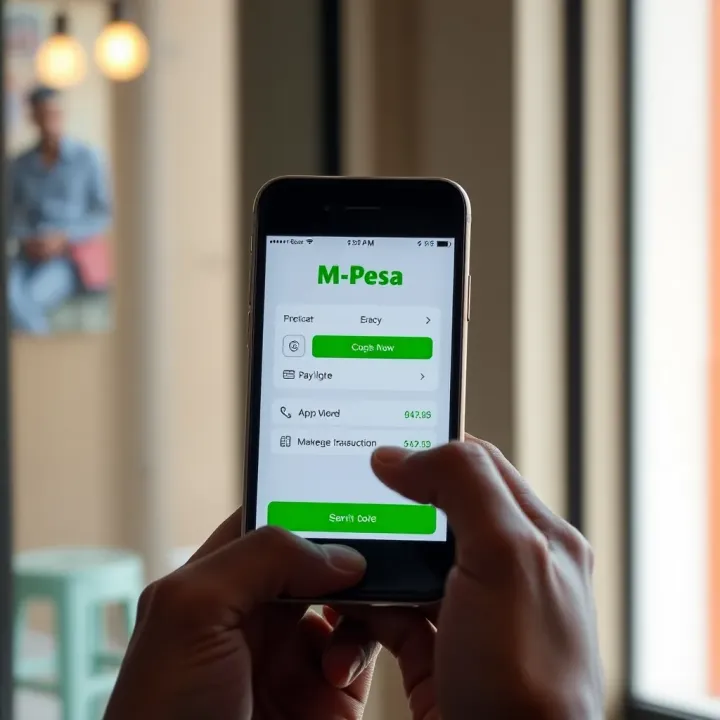
In Kenya, M-Pesa has become the go-to method for funding forex accounts. It’s fast, secure, and widely accessible even beyond Nairobi. Other options include bank transfers and debit or credit cards. When funding your account, check the broker's minimum deposit requirements and whether they accept local currency (KES) to avoid costly conversion fees. Withdrawal processes and any related charges should also be clear to avoid surprises.
Most brokers offer platforms like MetaTrader 4 (MT4) and MetaTrader 5 (MT5), which are popular among Kenyan traders for their ease of use and range of features. Some brokers also offer proprietary platforms tailored for mobile trading, essential for those who trade on the go or prefer smartphones over desktops.
These platforms come with built-in technical analysis tools, including charting options, indicators like Moving Averages or RSI (Relative Strength Index), and drawing tools. They help you spot trends and entry or exit points. For instance, you can use MT4’s customised indicators to monitor currency pairs popular among Kenyan traders, such as USD/KES or EUR/USD, helping make timely trading decisions.
When starting out, choose brokers and platforms that offer demo accounts. This lets you practise trading with virtual money and learn platform features without risking your real cash.
In summary, getting started with online forex trading in Kenya hinges on picking a trustworthy broker, setting up your account with accessible funding methods, and using the right platforms loaded with useful tools. These steps set a solid base for making informed trading decisions tailored to your goals.
Mastering core forex trading strategies is the backbone of successful trading. These strategies guide you on when to enter or exit trades, how to read market signals, and manage your decisions effectively. For Kenyan traders, understanding these basics will help navigate the volatile forex market with more confidence, reducing guesswork and emotional trading.
Forex prices react strongly to economic indicators such as inflation rates, employment numbers, GDP growth, and trade balances. For example, if Kenya releases positive GDP figures signalling economic growth, the Kenyan shilling might strengthen against other currencies. Similarly, US non-farm payroll data often affects the US dollar. Watching these indicators helps traders anticipate currency movements rather than relying on luck.
Central banks, such as the Central Bank of Kenya (CBK) or the US Federal Reserve, influence forex through their interest rate decisions. Higher interest rates tend to attract foreign capital, leading to currency appreciation. For instance, if CBK raises rates to curb inflation, the shilling can get a boost. Keeping an eye on central bank meetings and statements can give traders a heads-up on potential shifts in currency trends.
Charts are the trader’s map. Candlestick or line charts show how prices have changed over time, helping identify trends—whether currencies are generally moving up, down, or sideways. Spotting a clear upward trend in EUR/USD, for example, might suggest buying opportunities. Kenyan traders benefit by combining chart trends with economic news to refine their timing.
Indicators like the Relative Strength Index (RSI), Moving Averages (MA), and MACD (Moving Average Convergence Divergence) help measure market momentum and potential reversal points. For instance, an RSI below 30 could signal an oversold currency, hinting it’s due for a price bounce. These tools add an extra layer of insight, allowing better timing decisions beyond just visual charts.
Clear entry and exit points prevent emotional trading. A Kenyan trader might decide to buy USD/KES at 110, planning to exit at 112, with a stop-loss at 109 to limit losses. This discipline helps lock in profits or cap losses automatically, protecting capital and reducing stress.
Knowing how much to risk per trade is key. Instead of betting big and risking the whole capital, using a small percentage (like 1-2%) for each trade manages risk better. Managing open trades by adjusting stops or taking partial profits ensures you don’t let winning trades turn sour due to greed or fear.
Consistent success in forex trading relies more on well-honed strategies and discipline than chance alone.
By applying these core strategies, Kenyan traders can handle the complexities of forex with a structured approach that balances analysis, timing, and risk control.
Risk management is the backbone of successful forex trading, especially for Kenyan traders venturing into volatile currency markets. Forex markets can move swiftly, with prices shifting in minutes due to economic news, geopolitical events, or market sentiment. Without proper risk control, traders risk wiping out their accounts quickly. Managing risks helps protect your capital, ensuring you stay in the game longer and can capitalise on more trading opportunities.
A major benefit of managing risk is that it prevents losses from spiralling out of control. For example, if you invest KS0,000 in a trade without setting clear risk limits, a small adverse move might wipe out a big portion of your funds. On the other hand, by managing your position size and using risk tools, you can limit losses to a manageable amount, say 1-2% of your trading capital per trade. This way, you can absorb occasional losses without harming your ability to trade.
Controlling risk matters because forex is a highly leveraged market with rapid price swings. Leverage lets you control large amounts with a small capital outlay, but it can magnify losses just as easily as profits. Without risk control, one bad trade could erase months of gains. Risk management techniques, such as limiting trade sizes and setting stop-loss orders, help keep losses predictable and prevent emotional decision-making that often leads to bigger losses.
For Kenyan traders using mobile platforms, control over risk is critical because even small mistakes can snowball quickly, especially when using services like leverage through broker platforms. Sticking to a disciplined risk control routine strengthens your chances of longevity in trading.
Trading isn’t just about charts and numbers; it’s a mental challenge. Fear and greed are emotions that can cloud your judgement, leading to rash or hesitant decisions. Psychological discipline means sticking to your trading plan and rules, even when the market gets choppy or tempting.
For instance, after a losing streak, it’s tempting to double your trades to recover losses quickly. This often results in even bigger losses. Staying disciplined by accepting losses as part of the game helps traders make more rational trades. Regularly reviewing trades and keeping a journal can strengthen your mental approach and reduce the impact of emotional biases.
Stop-loss orders automatically close trades at a set level to limit losses. Take-profit orders lock in gains once price reaches your target. Both tools let you define risk and reward before entering a trade, reducing guesswork and taking emotions out of play.
For example, if you buy EUR/USD at 1.1000, you might set a stop-loss at 1.0950 to cap loss at 50 pips, and a take-profit at 1.1100 for a 100-pip gain. If the price moves against you, the stop-loss closes the trade before losses deepen. If it moves in your favour, the take-profit secures your earnings before a reversal.
Kenyan traders using mobile apps like MetaTrader or cTrader find these orders easy to set up and very effective in controlling downside without constant market monitoring.
Leverage lets you control positions larger than your capital, a double-edged sword in forex. While it can boost profits, it can also increase losses beyond your initial investment, especially if you are careless.
A good rule is to use low leverage — such as 1:10 or 1:20 instead of 1:100 or more — especially when starting out. This keeps daily losses reasonable and lowers stress. For example, with KS0,000 and 1:10 leverage, your effective position is KS00,000. A 1% adverse move on the position equals KS,000 loss, or 10% of your initial capital, which is easier to manage than higher leverage losses.
Overtrading happens when traders place too many trades or increase sizes impulsively, often after losses or exciting wins. This behaviour drains capital fast and leads to careless mistakes.
Emotional decisions — acting out of fear, greed, or frustration — derail even well-planned strategies. For instance, chasing the market after a loss by entering rushed trades without research increases the chance of further losses. Kenyan traders especially risk this when monitoring markets on mobile during downtime or unpredictable hours, exposing them to quick temptations.
A disciplined routine setting daily trade limits and sticking to strategies helps avoid these pitfalls.
Forex prices react sharply to news such as Central Bank announcements, economic data releases, and geopolitical events. Ignoring these can lead to being blindsided by sudden price swings that wipe out positions.
For Kenyan traders, following credible sources like the Central Bank of Kenya’s announcements, major US or Eurozone economic indicators, and regional economic developments can provide context. Setting alerts on mobile trading apps and reviewing daily economic calendars helps you stay informed and adjust trades accordingly.
Managing risk is not just an option; it’s a necessity that safeguards your hard-earned capital and ensures your forex trading journey continues with clarity and control.
Navigating the forex market from Kenya demands practical approaches that suit local financial habits and technological access. Being aware of the tools and resources tailored for Kenyan traders can improve efficiency and reduce costs. This section sheds light on how to best use local financial services, stay updated with relevant market news, and engage continuously through learning and community.
Funding your forex trading account with M-Pesa is straightforward and convenient for most Kenyans. Many forex brokers now accept M-Pesa payments directly, eliminating the need for bank transfers or cards. This is especially useful for traders living outside Nairobi, where banking infrastructure might be limited. For example, depositing KSh 10,000 via M-Pesa is often instant, allowing you to start trading without delay.
When withdrawing profits, it’s important to consider the costs and options available. Many brokers offer withdrawals back to M-Pesa or bank accounts, but fees can differ. Some may charge a fixed fee or a percentage of the withdrawal amount. Always check the broker’s withdrawal policy to avoid surprises. If you’re trading with smaller amounts, high withdrawal fees can erode profits quickly. Choosing brokers with transparent, low-cost withdrawal processes can save you money.
Forex markets react to both global and regional economic events. For Kenyan traders, tracking international indicators like US Federal Reserve decisions or Eurozone inflation is essential because they affect major currencies like the dollar or euro against the shilling. Regional developments, such as changes in Kenyan interest rates by the Central Bank of Kenya or EAC trade agreements, also impact forex prices.
Finding reliable news sources ensures you won't base decisions on rumours or misinformation. Trusted outlets include the Business Daily, Reuters Africa, and official government releases. Many Kenyan forex traders also follow social media accounts of local financial analysts and brokers for timely updates. Staying informed helps anticipate market shifts and plan trades accordingly.
Joining Kenyan trading groups and forums offers practical benefits beyond learning theory. Interacting with fellow traders exposes you to diverse strategies and market experiences. For instance, some online groups discuss how local events, like election results or tax changes, affect forex trading. This shared knowledge can be priceless, especially when adjusting your approach to Kenyan market realities.
Access to quality online training and resources keeps your skills sharp. Platforms like Coursera, Khan Academy, and specialised forex education sites offer tutorials ranging from chart reading to risk management. Kenyan brokerages often provide webinars tailored to local clients. Regular training helps you stay disciplined and improves decision-making under pressure.
Practical engagement with local payment systems, real-time economic news, and community learning ensures Kenyan forex traders are not just active but informed and resilient in a fast-moving market.
📈 Learn common forex trading patterns Kenyan traders use to boost their decisions. Download clear PDF guides with pattern charts for confident market analysis.
Explore key insights into binary forex trading📈 for Kenyan traders, learn risk management, strategies, regulations, and avoid common mistakes.🇰🇪
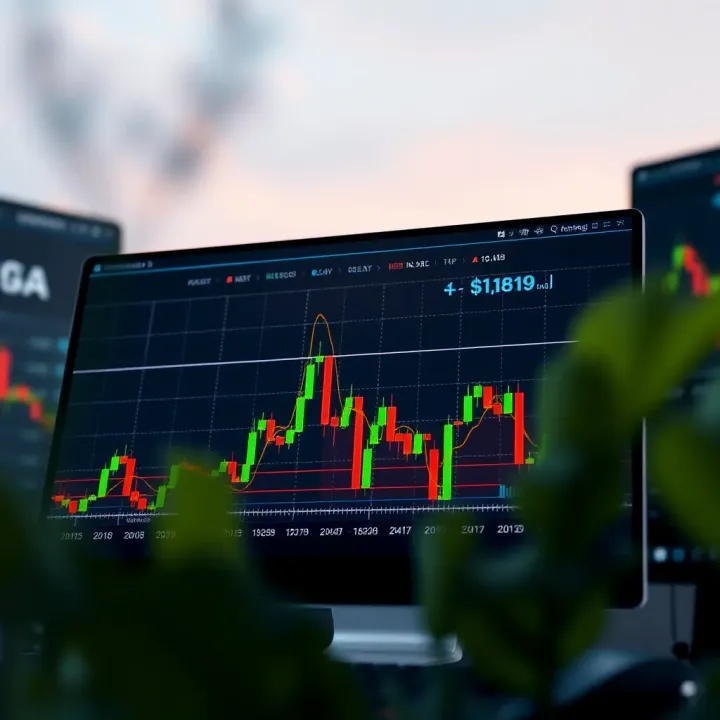
📘 Learn forex trading basics with this practical PDF guide for beginners in Kenya. Discover effective strategies, risk management, and trusted platforms to start trading confidently.

📈 Explore commodity trading for Kenyan investors: learn key commodities, trading steps, risks, and Kenya-specific regulations to start wisely in the market.
Based on 9 reviews