
Using M-Pesa with Forex Brokers in Kenya
Learn how to use M-Pesa for smooth forex trading in Kenya 🇰🇪. Discover practical steps, security tips, and how to pick brokers accepting M-Pesa for hassle-free deposits and withdrawals 💸.
Edited By
Henry Collins
M-Pesa has become a vital tool for millions of Kenyans, not just for sending money or paying bills but also for managing investment and trading activities. With the rise of mobile trading apps that accept M-Pesa as a payment method, it’s now straightforward to fund your portfolio or withdraw your profits using a platform familiar to most Kenyans.
Trading apps in Kenya have adapted well to local financial habits by integrating M-Pesa, which offers convenience and wide accessibility. Whether you're trading stocks, forex, or cryptocurrencies, using M-Pesa reduces the complexity compared to traditional bank transfers or card payments. It works directly from your phone, avoiding the lengthy bank queue or paperwork.
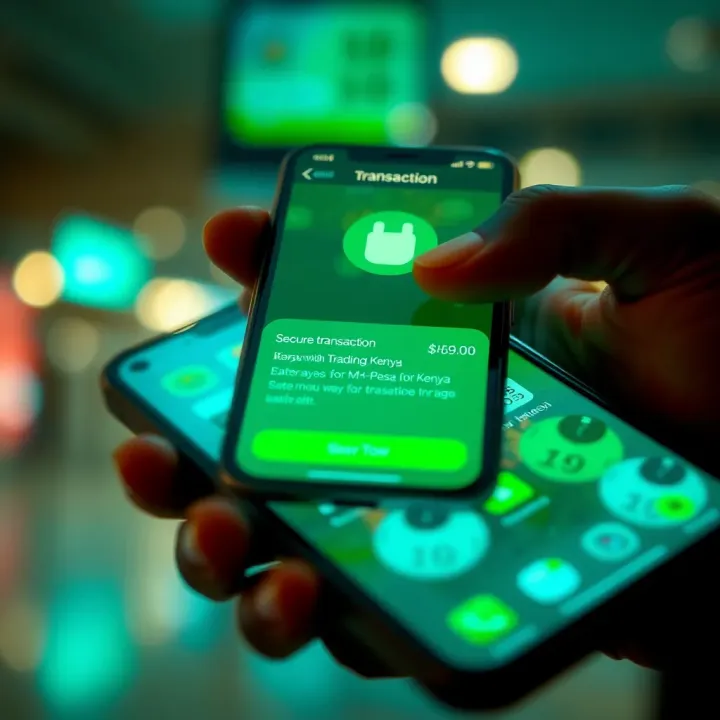
Before you start trading using M-Pesa, it’s essential to understand how transactions flow between the platform and your M-Pesa account to avoid delays or errors.
Most trading apps connect to M-Pesa via Safaricom’s Lipa Na M-Pesa service—this means you use either a Paybill number or a Till number to deposit funds. The process is quick: you enter the app's Paybill or Till number in your M-Pesa menu, specify the amount, and confirm with your PIN. The funds reflect almost instantly on your trading app.
Withdrawing profits is similar but can sometimes take longer depending on the trading app’s processing times. Most reputable apps maintain clear transaction histories and notifications, so you can track your deposits and withdrawals easily.
Choosing the right trading app that integrates smoothly with M-Pesa is key. Look for apps known in Kenya such as EGM Securities, Trademart, or local branches of international players who support M-Pesa. Speed, transparency, and strong customer support go a long way to enhance your trading experience.
In summary, using M-Pesa with trading apps brings the power of mobile money right into your trading activities. It aligns with how most Kenyans handle everyday transactions—quick, simple, and accessible. This guide will walk you through practical steps to set up, manage funds, and keep your trading secure while leveraging M-Pesa’s strengths.
Understanding which trading apps support M-Pesa is key for Kenyan traders looking to manage investments smoothly. Since M-Pesa is the most popular mobile payment method, platforms that integrate well with it offer quick deposit and withdrawal options. This section gives you a clear picture of these apps, their reach, and why M-Pesa support matters for your trades.
Local and regional trading apps tend to focus on markets within East Africa or the wider African continent. Apps like Chipper Cash and Tala allow users to trade stocks, cryptocurrencies, or forex while funding their accounts directly via M-Pesa. Such local platforms understand Kenyan financial habits and regulatory environments better, often providing customer support in familiar languages and adhering closely to local laws.
For instance, Chipper Cash, though regional, has earned trust because it makes trading simple and fast using M-Pesa deposits. This level of integration means traders don’t have to mess around with complicated banking details or foreign currency accounts; the process feels familiar and safe.
International platforms with M-Pesa integration have recognised Kenya’s strong mobile money market and now offer M-Pesa as a payment option. Global apps such as Binance and eToro allow Kenyan users to fund their trading accounts using M-Pesa, broadening access to bigger markets and diverse assets. This is especially useful for Kenyans looking to participate in the international forex and cryptocurrency markets without opening foreign bank accounts.
These platforms often use Paybill or Till numbers for deposits, tailored specifically for M-Pesa transfers. By supporting M-Pesa, they ensure Kenyan traders face fewer barriers when moving funds, encouraging more participation from the country’s tech-savvy population.
Ease of funding accounts is one of the biggest advantages. Linking M-Pesa to a trading app means you can deposit funds instantly from your mobile phone, anywhere you are, without needing a bank branch or ATM. For example, a trader in Kisumu can top up their forex account while waiting for a matatu, just by using M-Pesa. This immediacy helps fill the gap where traditional banking services might be slow or inaccessible.
Convenience for Kenyan users comes from M-Pesa’s wide usage across all social classes and regions. Many Kenyans already have M-Pesa accounts, know how to navigate its menus, and trust Safaricom’s network. Therefore, trading apps that support M-Pesa tap into that confidence and make trading feel familiar. This reduces the learning curve for newcomers and allows seasoned traders to act fast on market moves without a hitch.
Offering M-Pesa integration is no longer just a feature; it’s a necessity for any trading app targeting Kenyan users. It bridges the gap between mobile money culture and modern trading practices.
In summary, trading platforms supporting M-Pesa help Kenyan traders fund accounts easily, join both local and global markets, and benefit from on-the-spot access to funds. This enhances trading activities by making them quicker, safer, and more approachable.
Using M-Pesa to fund and withdraw from trading apps in Kenya simplifies the process significantly. It’s convenient, fast, and taps into a system most Kenyans already know well. For traders, knowing how to handle deposits and withdrawals smoothly can mean quicker access to opportunities and to your profits. This section breaks down how to connect your M-Pesa account to trading platforms and use it for seamless cash flows.
To start trading, you need to connect your M-Pesa wallet to the trading app. Most platforms ask you to enter your M-Pesa-linked phone number. This links the app directly to your mobile money account, paving the way for easy transfers. The platform might require verification through an SMS code or a prompt on your phone to confirm the connection.
By linking your account, you don’t have to juggle bank details or card payments. This is a big plus, especially for Kenyan traders who prefer mobile money for its speed and wide availability. Plus, it cuts down the chance of errors—you won’t accidentally send money somewhere else.
When depositing, trading apps often provide a Paybill or Till Number to which you send money using your M-Pesa menu. For example, you open your M-Pesa, select “Lipa na M-Pesa”, then “Paybill” or "Buy Goods and Services" depending on the app’s instructions, and enter the trading account number as the account reference.
Deposits usually go through within seconds, letting you start trading immediately. This method is handy because it works even when you have only basic phone access and no need for internet banking. You just need enough airtime or money in your M-Pesa wallet.
Once you make profitable trades, the next step is to move your funds back to your M-Pesa wallet. Trading apps typically have a withdrawal or cashout option in their interface. To withdraw, you enter the amount and confirm your M-Pesa phone number that is linked.
Some platforms require you to meet a minimum withdrawal amount or pass identity checks before cashing out. It’s important to read the app’s withdrawal terms so you know what to expect. Prompt withdrawal requests ensure your money comes to you without unnecessary delays.
After confirming your withdrawal, funds are sent straight to your M-Pesa wallet. This direct transfer means you can access your cash anywhere, anytime, through any Safaricom agent or ATM without extra steps.
Many users appreciate this because it avoids the cumbersome process of bank transfers or cheque clearances. Plus, with M-Pesa’s ubiquity in Kenya, this method is reliable and aligns with most users’ daily money habits.
Quick tip: Always confirm the details you enter during deposit or withdrawal to avoid sending funds to the wrong account. Mistakes can be hard to reverse once transactions complete.
Using M-Pesa with trading apps brings trading closer to everyday Kenyans by cutting down barriers and leveraging a familiar, trusted payment channel. Effortless deposits and withdrawals keep your trading experience smooth.
Using M-Pesa for trading in Kenya offers real benefits but also poses some challenges. Understanding these helps Kenyan traders make smarter choices about how they move funds and manage trading activities. This section breaks down the key pros and cons, with examples and tips especially relevant for seasoned traders, brokers, and investors.
M-Pesa's speed is hard to beat. Deposits and withdrawals show up quickly, often within seconds or a few minutes, which is vital in trading where timing can affect profits. For instance, a trader on a Kenyan platform like EGM Securities can fund their account instantly via M-Pesa Paybill, enabling them to respond to market moves right away without waiting days for bank transfers.
Besides speed, reliability matters. M-Pesa rarely goes down thanks to Safaricom’s strong network, meaning traders can count on smooth completion of transactions even during peak periods. This reduces downtime and frustration compared with traditional banking.
Most Kenyan traders already know M-Pesa well. It’s practically a daily tool for millions, which lowers the learning curve for funding trading accounts or withdrawing earnings. Whether in Nairobi or Kisumu, users can reach M-Pesa agents or use their phones without challenges.
This wide use also means trading apps that accept M-Pesa usually see a higher volume of local participation. Users feel comfortable trusting a familiar payment method, which can encourage more active trading and smaller, more frequent transactions without worrying about complicated payment procedures.
While M-Pesa is convenient, its charges can add up, especially for active traders. Depositing small amounts frequently attracts transaction fees. For example, depositing KSh 1,000 might cost KSh 11 or more on some platforms, reducing overall gains.
To handle this, traders can opt to deposit larger sums at once or choose trading apps with fee waivers or lower M-Pesa transaction charges. Always compare these fees across apps to avoid unexpected costs eating into profits.
Mobile money scams exist in Kenya, and M-Pesa users must stay alert. Fraudsters may impersonate trading platforms or send phishing messages. This risk extends to trading apps integrated with M-Pesa where fake apps or fraudsters can trick users into handing over pins or authorising bogus transactions.
Managing these risks requires cautious steps: always verify the trading app’s legitimacy, confirm Paybill or Till Numbers before sending funds, and never share your M-Pesa pin. Using two-factor authentication, where available, and keeping your phone’s software updated further protect your accounts from hacking.
Trust in fast, familiar tools like M-Pesa can boost trading activity, but staying alert to fees and security is key to preserving your money while trading.
By weighing these factors, Kenyan traders can maximise M-Pesa’s practical advantages for trading while navigating common pitfalls smartly.
Using M-Pesa for trading is convenient, but security and regulatory matters are key to protecting your funds and ensuring trades are legitimate. Being aware of these aspects helps you avoid scams, loss of money, and compliance issues. Kenyan regulators have put rules in place to safeguard both traders and mobile money users, so knowing what they cover can keep your trading smooth and safe.
Verifying app legitimacy helps you avoid falling into traps set by fake or unreliable trading platforms. Always confirm that the trading app is recognised by official bodies like the Capital Markets Authority (CMA) of Kenya or listed on reputable app stores. For example, Safaricom’s M-Pesa partnership with certain well-known platforms means those apps are vetted and trustworthy. Also, check for reviews and feedback from other Kenyan traders to dodge apps with poor track records.
Never share your M-Pesa PIN or passwords on any platform. If an app promises unrealistic returns or asks for payment outside M-Pesa channels like Paybill or Till numbers, treat it as suspicious. Verifying legitimacy is your first line of defence.
Using strong passwords and two-factor authentication (2FA) adds extra protection. Choose complicated passwords mixing letters, numbers, and symbols. Avoid using common words or personal info like your birthday. Many trading apps encourage 2FA, which sends a code to your phone or email before you access your account. This way, even if someone steals your password, they can't get in without the second form of verification.
For instance, if your app supports Google Authenticator or Safaricom's M-Pesa PIN verification, enable these features. They might seem a hassle but really reduce the risk of unauthorised access, especially since mobile phones can get lost or hacked.
The Communications Authority of Kenya (CA) oversees the licensing and operation of mobile networks and related services, including mobile money. Their role ensures that services like M-Pesa run within legal standards, protecting consumer rights and broadcasting fair trade practices on digital platforms. CA also monitors data privacy, making sure your personal information collected by trading apps using M-Pesa is handled securely.
In practice, this means any complaint about mobile money misuse through a trading app can be reported to CA, and the authority will coordinate investigations. For Kenyan traders, this offers a channel for recourse if they face issues like unauthorised deductions or data breaches.
The Central Bank of Kenya (CBK) regulates payment services and trading platforms especially where mobile money is involved. CBK sets rules on how mobile money can be used for trading, the limits on transfers, and the required safeguards to protect customers. For example, CBK guidelines demand clear disclosures of fees and transparency from trading platforms that accept M-Pesa deposits or withdrawals.
CBK also requires financial institutions and trading platforms to implement Anti-Money Laundering (AML) and Know Your Customer (KYC) protocols. This protects Kenyan traders and the wider market from fraud and illegal activities, giving confidence that legitimate trades are done on clean, regulated channels.
Always choose trading apps that clearly show their regulatory approvals and follow CBK and CA rules—this is important to keep your money safe and your trading legal.
Keeping these security and regulatory points in mind will help you trade with M-Pesa confidently and reduce risks of financial loss or legal trouble in Kenya’s fast-growing digital investment scene.
Selecting the right trading app that supports M-Pesa is essential for a smooth investment experience. Beyond just funding your account, the choice impacts ease of use, costs, security, and how quickly you can access your money. Kenyan traders face unique challenges, such as varying internet reliability and mobile money fees, making these tips relevant when settling on a platform.
User interface and experience play a big role in how comfortably you can manage your trades daily. A clear, uncluttered app design helps avoid mistakes, especially when markets move fast. For instance, apps like EGM Securities Kenya offer a simple dashboard that even beginners find easy to navigate. On the other hand, a complicated interface might cause delays or confusion—and when trading, time is money.
Next, customer support and reliability are vital. If you hit a snag during a deposit or withdrawal, quick and accessible support saves you stress and lost opportunities. Localised support centres or responsive WhatsApp lines matter more than generic chat bots. For example, apps that provide direct phone lines staffed by Kenyans familiar with local banking and mobile money systems tend to resolve issues faster. Choose platforms that commit to uptime reliability so your orders aren’t disrupted by server downtime or app crashes.
Watch out for hidden charges that can erode your profits. Some apps advertise low deposit fees but add a withdrawal or conversion cost. You might find yourself paying double fees when converting between currencies or withdrawing small amounts through M-Pesa. Always read the fine print and consult user reviews to spot these extra costs early.
When it comes to M-Pesa transaction costs in different apps, note that Safaricom has standard transfer fees, but third-party trading apps may add their own charges for Paybill or Till Number payments. For example, one platform might charge a flat KSh 50 fee per deposit while another waives it for amounts above KSh 5,000. Some apps even reimburse transaction costs to encourage trading volume. Check if the platform offers transparent fee breakdowns and compare these regularly, as fees can change with policy updates.
Choosing a trading app with clear fee structures, reliable customer support, and a user-friendly interface will save you time and money. Don't rush—try demo versions and seek peer recommendations before committing your funds.
By paying attention to these details, Kenyan traders can maximise their trading potential while avoiding common pitfalls linked to mobile money transactions and app functionality.
Learn how to use M-Pesa for smooth forex trading in Kenya 🇰🇪. Discover practical steps, security tips, and how to pick brokers accepting M-Pesa for hassle-free deposits and withdrawals 💸.
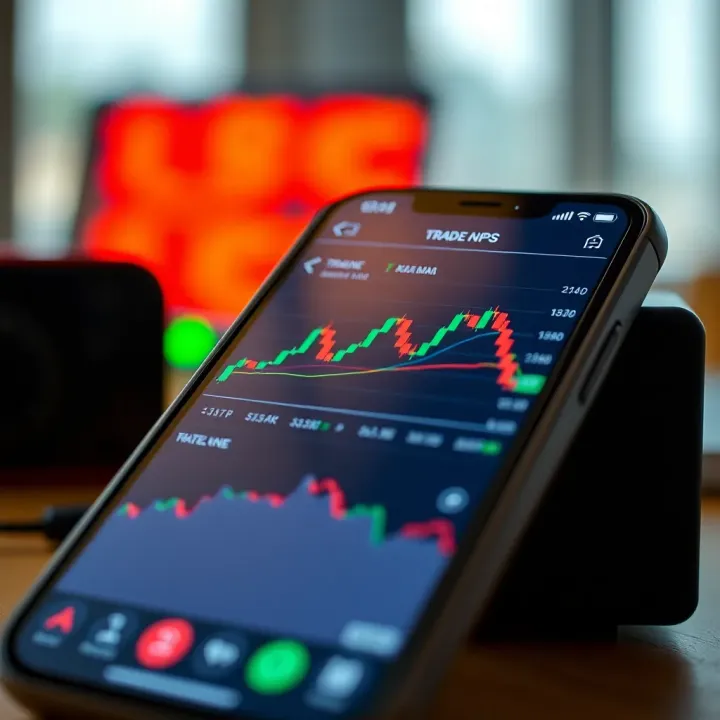
Discover the best trading apps in Kenya! 📱 Learn about features, security, fees, and how to make the most of mobile trading platforms for smart investing.
📱 Explore top trading apps in Kenya with our detailed guide! Learn key features, security tips, and how to start trading smoothly on mobile platforms.
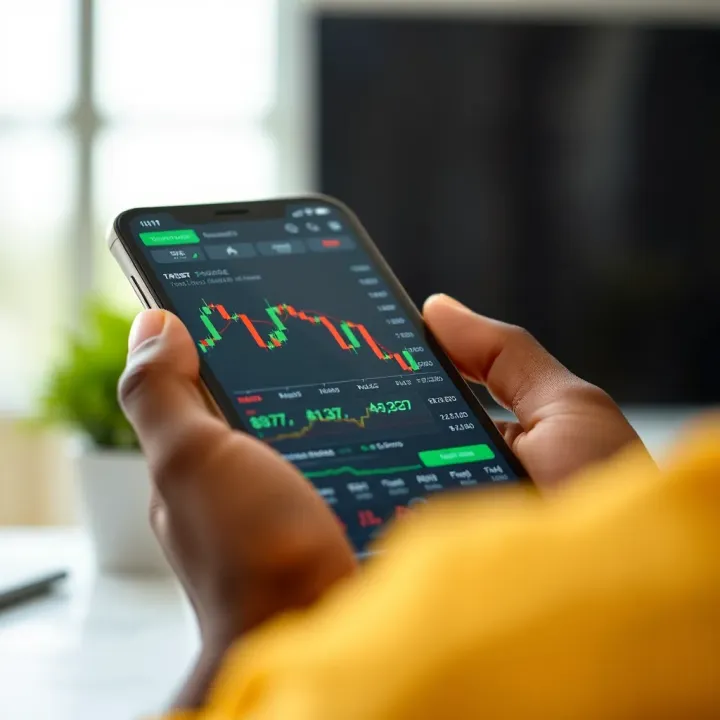
📱 Discover top trading apps in Kenya for easy stock market access. Learn how to start, stay safe, and manage your investments like a pro using trusted platforms. 💹
Based on 7 reviews