

Best Trading Apps in Kenya: How to Choose
📱 Explore top trading apps in Kenya with our detailed guide! Learn key features, security tips, and how to start trading smoothly on mobile platforms.
Edited By
James Whittaker
Trading has shifted dramatically in Kenya, moving swiftly from traditional stockbrokers to digital platforms right on your phone. With this change, picking the right app for trading isn't just a convenience; it’s a necessity for anyone serious about investing and managing their portfolio efficiently.
This article dives into all the necessary details to help you find the trading app that fits best with your goals, whether you're a newcomer trying to understand where to start or a seasoned investor looking to streamline your trades. We'll cover everything from security essentials to costs, usability, and regulatory compliance, focusing especially on what Kenyan investors need to know to navigate this dynamic market.
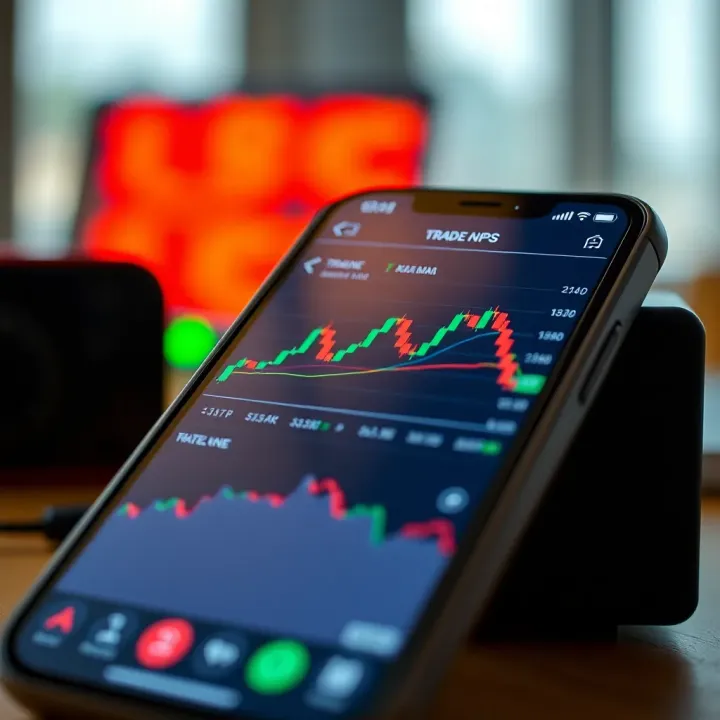
By the end of this guide, you’ll have a clear idea of what features matter most, which apps are leading the pack, and practical tips to make sure your trading experience is smooth and secure. This isn't just about buying and selling—it's making informed choices that could impact your financial future right here in Kenya.
"Choosing the right trading app can mean the difference between a good investment experience and a costly mistake."
Let's get started and explore what to look for when selecting a trading app that fits your style and needs.
When it comes to picking the right trading app in Kenya, knowing what kinds of apps are out there is step one. Different trading apps serve different needs—whether you're looking at stocks, forex, or cryptocurrency. Each type comes with its unique setup, features, and quirks that can make or break your experience.
Knowing these differences helps you narrow down your choices to what's actually useful for your trading style and goals. For instance, if you’re more into the Nairobi Securities Exchange, then stock trading apps tailored to that will serve you better than a crypto-specific platform. Likewise, the needs of someone dabbling in forex will not be matched by apps focused solely on long-term stock investments.
By understanding the types of apps available, you'll have a clearer idea on what to expect, making it easier to spot platforms that are reliable, user-friendly, and suitable for your investment plan.
Stock trading apps let you buy and sell shares directly from your phone or computer, making the stock market accessible anytime you want. They connect to stock exchanges like the NSE, pulling live market data so you can see the latest prices, news, and trends. When you place an order through the app, it routes that order to the exchange for execution.
These apps are designed to bridge the gap between traditional brokers and the average investor, often offering lower fees and quicker access than the old brick-and-mortar routes. For example, apps like EABL’s MyStocks or international platforms like Interactive Brokers provide direct market access with real-time updates.
Understanding this flow helps you appreciate why speed and accuracy in these apps matter—a delay in order execution can mean the difference between profit and loss.
Most stock trading apps come loaded with tools and features designed to help you make smart decisions. Among the basics, you’ll typically find:
Real-time stock quotes: For tracking price changes moment by moment.
Watchlists: Keep tabs on your favorite companies without digging every time.
Market news and alerts: Stay informed on events affecting your stocks.
Order types: Beyond simple buys and sells, some apps let you set limits or stop-loss orders to manage risk.
Portfolio tracking: See how your overall investments are doing at a glance.
For example, Apex Investing offers customizable dashboards with snapshot views of your entire holdings, providing a clear picture of gains or losses without needing spreadsheets.
Enjoying these features allows you to trade smarter and react faster as market conditions shift, essential for staying afloat in fast-moving markets.
Forex and crypto trading apps deal with markets that never sleep, unlike stock markets which have defined trading hours. This means forex and crypto platforms often offer 24/7 trading access, which fits well with traders who keep odd hours or want to catch sudden market moves.
These apps also usually feature different technical tools aimed at short-term speculation. For instance, forex platforms might have built-in calculators for pips and lot sizes, while crypto apps often provide wallet integration for storing digital assets directly.
Platforms like Binance or MetaTrader 4 for forex, include advanced charting tools, leverage options, and sometimes social trading capabilities where you can follow or copy experienced traders.
Understanding these unique aspects means you can pick an app suited not just to trading, but also to your schedule and risk appetite.
Forex and crypto apps can sometimes intimidate beginners with their complex charts and fast-moving markets. However, many have stepped up with user-friendly interfaces, demo accounts, and education resources that break down the basics into digestible bits.
For instance, eToro offers a simple interface with copy-trading for beginners who want to mimic strategies of pros before going solo. Experienced traders, meanwhile, will appreciate apps with customizable technical indicators, tight spreads, and high leverage options.
If you’re just starting, look for apps that give you safe practice environments and clear educational tools. For those who know their way around charts and orders, the focus should be on apps offering stability, deep liquidity, and advanced features.
Picking the right type of trading app boils down to matching the app’s strengths with your trading style and comfort level. A forex app loaded with technical analysis may blow the doors off for an experienced trader but confuse a newbie. Equally, a simple stock app might frustrate a day trader looking for minute-by-minute insights.
Understanding these nuances puts you ahead in finding an app that truly fits your needs in the Kenyan market.
Picking the right trading app in Kenya isn't just about flashy graphics or cool names—it's about what features the app brings to your fingertips. The right features can make a huge difference in how efficiently you trade and how well you can manage your investments. Whether you're looking to trade stocks, forex, or cryptocurrencies, some core features stand out as must-haves.
You don’t want to waste time hunting for basic functions in an app, especially when markets move fast. Ease of navigation means the app layout is simple, intuitive, and straightforward. Think of it like walking into a well-organized store where you can spot what you want with zero fuss. For Kenyan traders, apps like EQUITY’s app excel here because they keep things clean and quick, letting you execute trades without the usual confusion.
A few key points to look for:
Clearly labeled menus and buttons
Logical flow between pages
Minimal clutter on the screen
Such design helps you react swiftly, which can save you money in volatile markets.
Not every trader watches the same stocks or currencies or needs the same set of info upfront. Customizable dashboards allow you to tailor what you see first—whether that’s your favorite market data, recent trades, or news feeds. It’s like arranging your desk exactly how you want it, so everything important is within arm’s reach.
For example, some apps allow you to set up multiple watchlists, drag-and-drop widgets, or even color-code different asset types. A dashboard that’s flexible helps you stay on top of what's important without getting distracted by noise.
Trading involves your hard-earned money, so locking down your app with two-factor authentication (2FA) is a big deal. This means after entering your password, you have to verify your identity through another step—maybe a code sent via SMS, an app like Google Authenticator, or even a fingerprint scan.
2FA acts like a double lock on your digital safe, making it way tougher for anyone to get access if they manage to figure out your password. Most reputable apps available in Kenya, like Binance for crypto or NSE Mobile Trading, offer 2FA by default because they know it’s crucial.
It's not just about keeping outsiders out but also protecting your data within the app. Data encryption turns your info into a secret code while it’s being sent over the internet so hackers can't easily snatch it.
Privacy policies spell out how the app uses your personal information—whether it shares data with third parties or keeps it locked tight. Always check the policy and choose apps that respect your privacy and comply with laws like Kenya’s Data Protection Act.

If your app doesn’t show real-time price changes, you’re at a disadvantage. Imagine trying to buy shares at KES 50 only to find you actually paid KES 52 because the app delayed the update. For fast-moving markets, delays can quickly eat into profits.
Look for apps that feed data directly from exchanges without lag. Interactive Brokers and IG Group are examples that provide near-instant updates, helping you make decisions based on current prices, not yesterday’s.
Good trading apps don’t just show prices; they provide tools to analyze trends, patterns, and potential future moves. Features like candlestick charts, moving averages, RSI (Relative Strength Index), and Fibonacci retracements help both beginners and pros gauge market sentiment.
Customizable charts let you zoom in on specific time frames or overlay indicators, enabling smarter trade timing. For instance, TradingView, popular among Kenyan traders, offers an excellent suite of these tools integrated right into supported trading apps.
Always remember, the best app complements your trading style, providing the right balance of simplicity, power, and protection. With the right features, you're not just trading blindly; you're making informed moves that fit your goals and risks.
In short:
Look for apps that are easy and quick to use
Ensure strong security like 2FA and encryption
Choose ones with real-time data and solid analysis tools
This way, you avoid common pitfalls and make the most out of trading platforms tailored for Kenya's markets.
When picking a trading app, costs and fees are often the deal-breakers that many overlook until it’s too late. In Kenya, where every shilling counts, understanding what you’re paying for can mean the difference between healthy profits and eating losses.
Trading apps charge fees in various forms, and these can add up quietly. It’s crucial to know where the charges bite — whether it’s at every trade you make or during the times you move money in and out. By grasping these nuances, you’re better set to choose an app that keeps your costs lean and maximizes your returns.
Commission is the fee a broker charges whenever you buy or sell an asset. Imagine you invest 10,000 KES on a stock that costs 100 KES per share. If the broker charges a 0.5% commission, you’re paying 50 KES just to enter that trade. It might sound small, but if you’re trading frequently or on thin profit margins, these fees can stack up and chip away at your gains.
Some apps offer zero-commission trading, popular with many Kenyan traders eyeing stocks or forex. However, it’s worth digging deeper — zero commission sometimes means the broker makes its money elsewhere, like wider spreads or inactivity fees.
The spread is the difference between the price you can buy an asset for and the price at which you can sell it immediately. It’s most common in forex and cryptocurrency trading. For example, if Bitcoin’s buying price is 3.8 million KES and its selling price is 3.79 million KES, that gap — the spread — is effectively part of the cost you pay.
Spreads vary a lot depending on the asset, market volatility, and the trading platform. Tight spreads mean lower trading costs but can widen quickly on less liquid pairs or during market turmoil, impacting your trade's cost unexpectedly.
Always check the average spread price on your preferred pair before you dive in — some apps like FxPro or Kraken provide transparent spread data, helping you avoid surprises.
Kenyan traders frequently fund their accounts through mobile money services like M-Pesa, bank transfers, or sometimes debit/credit cards. M-Pesa remains the most popular because it’s fast and widely accepted.
However, not all apps support M-Pesa deposits directly. Some require using third-party payment processors like PayPal or Skrill, adding extra steps and possibly fees. Knowing what’s available and convenient saves you headaches and extra charges down the line.
Watch out for less obvious fees like inactivity charges, currency conversion costs, or withdrawal minimums that can eat into your funds. For instance, if you deposit in Kenyan shillings but the trading app operates primarily in USD, they might charge you a hidden conversion fee.
Some platforms, like eToro, have withdrawal fees and minimum withdrawal limits that might surprise you if you’re expecting free access to your funds.
Before you sign up, spend time reviewing the app’s fee structure, especially terms and conditions. Sometimes the devil is in the details, and a seemingly small fee can snowball into a big cost.
By understanding commissions, spreads, and the deposit/withdrawal landscape, Kenyan traders can dodge unexpected expenses and keep their trading journey financially smooth and profitable.
When diving into trading via mobile apps in Kenya, it's not just about which platform looks slick or boasts cool features. Equally important, if not more, is knowing how regulated and safe these apps are. Kenyan traders must navigate a landscape where scams can creep in, and regulations act like guardrails, keeping trading fair and transparent. For instance, an app might offer lightning-fast transactions but if it isn’t licensed by the right authorities locally, your investments could be at serious risk.
Understanding regulatory considerations means you're not just staring at shiny charts but also protecting yourself from potential losses that come from fraud or bad actors. Plus, safety isn't just about having a strong password; it’s about the app’s entire ecosystem—from how your data is handled to dispute resolution. So before you hit that "Trade" button, taking a good look at licensing and compliance safeguards you and your hard-earned money.
Regulation is the backbone of trust in trading apps. Without it, users are flying blind, vulnerable to scams or unfair practices like sudden fee hikes, misleading ads, or even the worst – apps vanishing with your funds. In Kenya, trading apps that are regulated must follow rules set out to ensure the market stays fair, transparent, and stable. This means these apps undergo checks for financial health, responsibility in handling user funds, and proper data security.
Think of regulation as a traffic light system. It doesn’t prevent all accidents but gives some order and safety cues. For example, a regulated app will often have to keep your money in segregated accounts, ensuring your funds don’t get mixed with the company's operational cash. This practical step provides an extra layer of protection if the company hits financial trouble.
The main watchdog is the Capital Markets Authority (CMA) Kenya, a government body overseeing all trading platforms that deal with securities and financial products. CMA licensing is your go-to sign that a trading app operates within Kenyan law and must abide by strict financial and operational guidelines. An app licensed by CMA must submit regular financial reports and comply with anti-money laundering (AML) measures.
Besides the CMA, other authorities like the Central Bank of Kenya (CBK) sometimes play a role when it comes to forex and cryptocurrency trading due to currency controls and payment systems oversight.
Pro tip: Before signing up, check for mentions of CMA licensing or CBK approval in the app's about or legal section. This simple step can save a heap of trouble down the road.
In Kenya, some dodgy apps claim to be trading platforms but mainly exist to steal money or personal data. A legitimate app usually has a clear digital footprint: a proper company address, transparent terms and conditions, customer support reachable through reliable channels, and user reviews that can be verified externally.
It's also normal for real apps to offer some educational resources or user guides. If an app just jumps to asking for deposits without explaining what you’re dealing with, that's a red flag. Payment methods should be straightforward and reputable — think M-Pesa or bank transfers through known institutions.
Watch out for apps promising guaranteed returns or "too good to be true" deals. Legitimate trading always carries risk, and no app can promise profits. Other warning signs include:
Pressure tactics like rushing you to deposit quickly
Lack of clear licensing information
Poor or no customer support
Unprofessional app design or lots of bugs
Requests for unusual personal data not related to trading
If you come across these signs, it's best to steer clear. Report suspicious apps to the CMA or other relevant bodies. Being cautious now could save you big headaches later.
When it comes to trading in Kenya, the choice of app can make a significant difference in your investment journey. Popular trading apps aren't just about brand name; they offer a mix of user-friendly interfaces, reliable market data, and integration with payment methods that Kenyans commonly use, such as M-Pesa. Knowing which apps dominate the market locally helps traders avoid pitfalls and ensures smoother transactions.
Local familiarity means better customer support and regulatory compliance, which are vital for protecting your funds and personal data. For example, apps like Nairobi Securities Exchange (NSE) M-Akiba provide direct access to Kenyan government bonds tailored for local investors.
Choosing the right trading app is like choosing a good pair of shoes; it must fit well and feel comfortable for the long haul.
When reviewing stock trading apps, it helps to look at both local and international platforms. Local apps tend to focus specifically on the Kenyan market, offering access to NSE-listed companies with sometimes lower fees and better support for local payment methods. For instance, EABL Stocks App is popular among traders focused on East African stocks due to its tailored real-time data and local language support.
On the other hand, international platforms like Interactive Brokers and Charles Schwab offer access to global stock markets. These are best for investors looking to diversify far beyond the Kenyan borders but often come with higher transaction fees and slightly more complex interfaces. These platforms usually support multiple currencies and international payment options.
Understanding your trading goals will help you choose appropriately—for Kenyan market exposure, local apps are more straightforward, but if you want a mix of global stocks, consider international platforms that cater to Kenyan users.
Forex and crypto trading have gained serious traction in Kenya, thanks partly to widespread internet and mobile penetration. Apps such as Binance and FXTM (ForexTime) are popular among Kenyan traders for their varied tools and competitive spreads. These platforms often shine in offering leverage options, instant deposits (via M-Pesa or bank transfers), and advanced charting capabilities.
When comparing these platforms, keep an eye on:
Transaction costs: Forex platforms usually make money through spreads, while crypto platforms might charge fixed transaction fees or withdrawal fees. For example, Binance has relatively low trading fees but charges for withdrawals.
Regulation and trustworthiness: ForexTime is regulated in multiple jurisdictions, which can add a layer of safety. In contrast, many crypto platforms are less regulated.
User tools: Some apps provide educational sections and demo accounts, which can be lifesavers for beginners.
In Kenya, you might notice that some traders prefer apps that accept M-Pesa due to convenience. So, reviewing deposit and withdrawal options is a practical step when comparing forex and crypto apps.
All this said, no single app fits everyone's needs, but knowing the features and costs upfront lets you pick one that's right for your strategies and comfort level.
Starting out with trading apps can feel like learning a new language. It's not just about buying and selling; understanding the basics and setting up your account the right way makes a huge difference. For Kenyan traders, this is even more important because local regulations and available features can vary widely from global markets. Getting off on the right foot means being safe, informed, and ready to use the tools at your fingertips.
When you first open a trading app, choosing strong passwords is your frontline defense. Instead of just using your pet's name or "123456," go for a mix of letters, numbers, and symbols. Think of your password like a key to a locked vault—if it's easy to guess, someone else might get in before you know it. For example, combining a phrase like "MorningTea42!" instead of just "morning" adds a layer of complexity that keeps your account safer.
Next, verifying your identity isn't just a formality. Most legit Kenyan trading platforms will ask you to upload a government-issued ID like your national ID card or passport. It might seem like a hassle, but this step helps prevent fraud and protects you from unauthorized access. Proper verification means you can use the app fully—deposit, trade, or withdraw funds without constant roadblocks.
Getting familiar with basic trading terminology helps cut through the noise. Terms like "bid," "ask," "spread," and "stop-loss" pop up everywhere in trading apps and news. For instance, knowing the difference between "bid" (the highest price a buyer will pay) and "ask" (the lowest price a seller will accept) can help you understand why your trade execution price might vary slightly from what you see on the chart.
Then, there are the app's tools, which can be overwhelming for newcomers. Learning how to use app tools effectively means applying features like price alerts, real-time charts, and portfolio tracking to your advantage. Take for example, setting a price alert on the Safaricom stock: when the price hits your target, the app notifies you—saving you from constantly staring at the screen. These simple steps boost your trading confidence and allow you to make better decisions without getting lost in technical jargon.
Starting with these beginner tips sets a solid foundation. Trading apps are powerful but knowing how to protect your account and use features smartly can turn a messy experience into a controlled, productive venture.
By focusing on security and understanding, you set yourself up to enjoy the full benefits of trading apps available to Kenyans, whether you're dabbling in stocks, forex, or cryptocurrencies.
Enhancing your trading experience isn’t just about finding the fastest app or the lowest fees. It’s about creating a setup that helps you make smarter decisions and keeps stress at bay when the market gets wild. A good trading app should offer tools that complement your trading style, provide timely updates, and help you manage risks effectively. This section dives into practical ways to improve how you trade live, right from your phone.
Setting price alerts can be a real game changer, especially if you can’t stare at your screen all day. These alerts notify you when a stock or currency hits a price you’ve set, so you don’t miss an opportunity or get caught off-guard. For example, if you’re watching Safaricom shares and the price dips to a point where you want to buy, a quick alert can prompt you to act fast. Most popular apps like EGM Securities and ForexTime (FXTM) let you customize these alerts easily.
The key is using price alerts to stay proactive rather than reactive.
Along with price alerts, staying updated during market hours means keeping an ear to the ground without getting overwhelmed. Trading apps often let you receive news flashes, economic calendar updates, or sudden market moves via notifications. This is especially useful when trading forex or crypto markets like Bitcoin, which never sleep and can be unpredictable. By setting only the necessary alerts, you avoid constant interruptions but stay in the loop when it matters most.
Stop-loss and take-profit orders are vital tools that protect your money while you sleep or run errands. A stop-loss order automatically sells your asset if its price falls to a certain point, limiting your losses. On the flip side, a take-profit order sells your investment once it reaches a target price, helping you lock in gains without second-guessing. For instance, if you buy shares in KCB Bank at 40 KES, setting a stop-loss at 35 KES and a take-profit at 50 KES means your app manages these exits for you.
Avoiding emotional trading cannot be stressed enough. Human nature can lead to panic-selling when prices drop or greedy buying when prices spike. This behavior often results in rash decisions and losses. Using the app’s limit tools helps detach your emotions from trades. Also, practicing patience and sticking to your trading plan keeps your head clear. Think of it as using a seatbelt in heavy traffic—it’s a safeguard, even if the road is bumpy.
Remember, trading is as much about managing yourself as managing money.
By mastering alerts, notifications, and risk controls, your trading experience can shift from frantic to confident. These strategies help Kenyan traders navigate the markets smoothly, making the most of every opportunity without losing sleep.
Mobile trading depends a lot on your device's stability and speed, especially when you're trying to make quick decisions in fast-moving markets. Apps that lag or crash can cost you real money. So, knowing how to keep your trading app running smooth isn't just a nice-to-have—it’s a must. This section digs into practical ways to optimize your app's performance on your phone, plus how to pick the right internet connection that keeps you connected when it counts.
Clearing cache and app updates: Over time, apps store temporary files called cache to speed things up. Ironically, too much cache can clog your app, making it sluggish or prone to freezing. Regularly clearing cache frees up storage and can make your app snappier. Also, don't skip updating your trading app. Developers roll out updates not just for new features, but to fix bugs and improve stability. For example, an update might patch a glitch causing your app to crash when pulling live data, something common with apps like EABL or GCX apps used in Kenya.
Managing battery and data usage: Trading apps can drain your battery fast, especially if you leave multiple tabs or notifications on high alert. To avoid this, dim your screen brightness, close unnecessary apps running in the background, and tweak app settings to limit how often it refreshes data. For data usage, pick settings that download only essential info or switch to Wi-Fi when possible. This keeps your phone running longer and saves you from surprise data charges on networks like Safaricom or Airtel.
Keeping your trading app lean and efficient means fewer interruptions and better focus, so you don’t miss out on those crucial buying or selling moments.
Reliable networks available in Kenya: Trading apps need a strong and stable internet connection to work well. In Kenya, Safaricom's 4G network often offers consistent speed and coverage in urban centres like Nairobi and Mombasa. Airtel and Telkom also provide decent alternatives. When you’re out in the county, network strength can vary, so it’s wise to test your connection before making significant trades.
Avoiding downtime during trades: Nothing's worse than a dropped connection right when you’re about to close a deal. To avoid this:
Use mobile data backups: Enable your phone to switch automatically between Wi-Fi and mobile data.
Invest in a power bank to keep your phone charged longer during active trading sessions.
Close bandwidth-heavy applications that compete for internet resources during trading.
By preparing with a reliable network and backup plans, you sidestep unexpected blackouts in your trading app, keeping your trades smooth and uninterrupted.
By focusing on these best practices, you can greatly enhance your mobile trading experience, making sure your device and connection work in your favor when it matters most.
📱 Explore top trading apps in Kenya with our detailed guide! Learn key features, security tips, and how to start trading smoothly on mobile platforms.
📱 Explore how binary trading apps work in Kenya 🏦 Learn key features, risks, legal tips, and strategies to trade smart and protect your investments safely.
Discover how Kenyan investors can pick the best trading platform by comparing fees, tools, security, and support for a smarter trading 📈 experience.
📈 Explore CFD trading basics for Kenyan traders, learn strategies, understand risks, and navigate local regulations to trade smartly.
Based on 13 reviews