
Top Forex Brokers in Kenya Accepting M-Pesa
Explore top forex brokers in Kenya accepting M-Pesa 💰. Learn benefits, compare brokers, and get tips for secure, smooth forex trading in Kenya 🇰🇪.
Edited By
Megan Stewart
For many Kenyans, M-Pesa has become the go-to tool for managing money quickly and securely. It’s little surprise that Kenyan forex traders want to use it when dealing with forex brokers. M-Pesa offers a smooth way to deposit and withdraw funds without having to go through complicated bank transfers or foreign payment methods.
Using M-Pesa with forex brokers can cut down on waiting times and additional charges that often come with international payments. Plus, it keeps your money movements transparent and easy to track, which helps when organising your trading capital. However, not all forex brokers accept M-Pesa, so you need to know how to choose those that do and handle transactions safely.
Remember: Always pick a regulated broker authorised to receive M-Pesa payments. This safeguards your funds and personal details from scams.
Accessibility: Most Kenyans already use M-Pesa, so funding an account becomes straightforward.
Speed: Deposits and withdrawals through M-Pesa happen almost instantly, letting you react fast to market moves.
Cost-Effective: Avoid the bank charges and forex conversion fees linked to other payment methods.
Security: M-Pesa uses Safaricom’s secure network, reducing fraud risks when dealing with trustworthy brokers.
Verify Broker Credentials: Check for licences such as CMA approval to ensure they operate legally in Kenya.
Confirm M-Pesa Integration: Some brokers might claim to accept M-Pesa but only via third-party systems adding costs.
Understand Limits: M-Pesa transactions can have daily limits; ensure these fit your trading needs.
Keep Records: Save your M-Pesa transaction confirmations as proof in case of any disputes.
Forex trading requires swift fund movement, and M-Pesa makes this practical for Kenyan traders. This guide will walk you through the practical steps, security tips, and how to pick the right brokers to make your trading experience hassle-free.
Understanding forex trading and its payment methods is vital for Kenyan traders who want to make sound investment decisions. Forex trading involves buying and selling foreign currencies, which can open opportunities beyond the local stock market. Knowing how payments work, especially with platforms like M-Pesa, helps traders fund their accounts quickly and securely, enjoying seamless transactions that add value to their trading experience.
Forex trading is centred on currency pairs—for example, USD/KES (US Dollar to Kenyan Shilling) or EUR/USD (Euro to US Dollar). Traders speculate on the value changes between these currencies. Say you expect the dollar to rise against the shilling; you would buy USD/KES, hoping to sell later at a higher rate. This market operates 24 hours daily, which means Kenyan traders can participate at convenient times, such as after market hours for local stocks.
Forex prices are influenced by global and local economic factors like interest rates, inflation, or political events. For instance, a change in CBK’s monetary policy may impact the shilling's strength, affecting trading moves and opportunities.
Forex brokers act as intermediaries between you and the global currency markets. In Kenya, brokers provide platforms where trades happen, offer leverage to increase trading power, and manage deposits and withdrawals. Brokers regulated by the Capital Markets Authority (CMA) offer extra security, assuring you that your funds and trades abide by the law.
Choosing a reliable broker with transparent fees and good support is critical. For example, brokers that accept local payment methods like M-Pesa simplify funding your account and accessing your profits without long waits or high fees.
Traditional payment options like bank transfers or credit/debit cards are widely used but come with drawbacks. Bank transfers may take several days to process and attract higher fees, especially for international payments. Credit cards offer faster deposits but sometimes have limits and may attract currency conversion costs.
For Kenyan traders, dealing with international banks can be cumbersome due to paperwork and chargebacks. These challenges make alternative payment methods appealing.
Mobile money platforms, especially M-Pesa, have transformed how Kenyans handle money. Their integration into forex trading means faster, cheaper, and more accessible payments. M-Pesa allows instant deposits and withdrawals directly from mobile phones without needing a bank account.
Traders benefit from this convenience, bypassing delays and bank charges. For example, using M-Pesa to fund a forex account lets you capitalize on market moves immediately, unlike waiting days for bank transfer clearance. This accessibility boosts participation among Kenyan forex traders, making the market more inclusive.
Mobile money platforms like M-Pesa are not just a convenience but have become essential financial tools, especially in markets requiring fast transaction speeds like forex trading.
By understanding these basics of forex trading and payment options, Kenyan traders position themselves to use practical tools efficiently and safely in the fast-moving currency market.
M-Pesa makes it straightforward for forex traders to move money in and out of their trading accounts. Unlike traditional bank transfers that can take a couple of days and require visiting a bank or using internet banking, M-Pesa allows deposits and withdrawals directly from your mobile phone. For instance, a trader in Eldoret can send funds to their broker without queuing, just as easily as buying airtime or paying utility bills.
The process is simple: once your M-Pesa number is linked to your broker account, you can send deposits instantly. Withdrawals also come back to your M-Pesa wallet quickly, so you don’t have to wait long to access your profits.
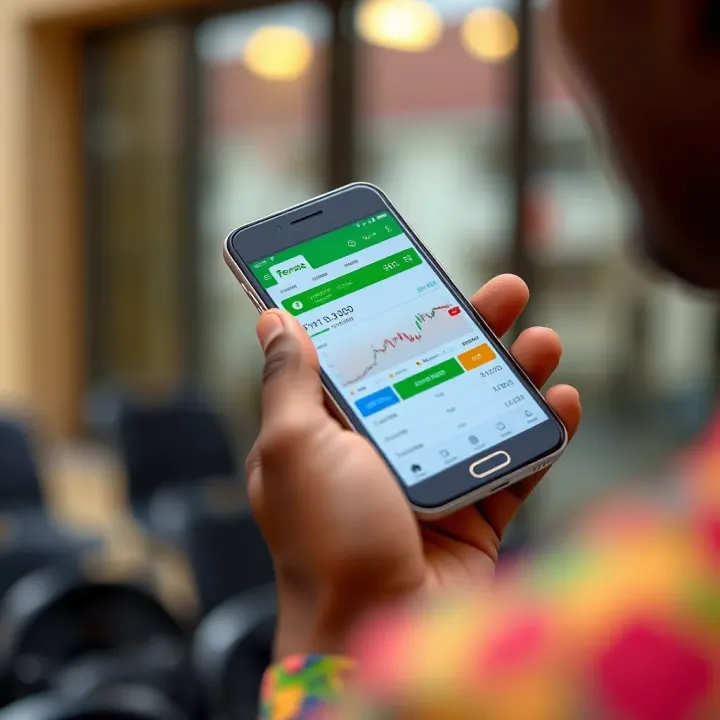
M-Pesa is everywhere in Kenya. Almost every adult with a mobile phone has an M-Pesa account, and this widespread adoption means traders feel comfortable using it for forex transactions. You don’t need to open a separate bank account or learn new payment systems when most people already know how to operate M-Pesa.
This familiarity builds trust. Brokers who accept M-Pesa gain an advantage because Kenyan traders prefer familiar platforms. For example, a young trader in Kisumu may choose a broker accepting M-Pesa over another that doesn't, simply because of convenience.
Transactions through M-Pesa are near-instant. This speed matters in forex trading, where timing your trades can impact profits directly. Being able to fund your account quickly means you can seize market opportunities without delays caused by slow payments.
Plus, M-Pesa works around the clock, even on weekends and holidays. Unlike banks that close early or don't operate on weekends, M-Pesa allows you to make deposits or withdrawals at any time, from any location with mobile coverage.
Using M-Pesa usually costs less than bank transfers or card payments. Banks often charge higher fees for both deposits and withdrawals, including charges for international transactions in some cases.
For example, depositing KSh 50,000 via M-Pesa may cost around KSh 50 to KSh 100 in fees, whereas a bank transfer could incur higher charges, especially when converting shillings to foreign currency for brokers. This cost saving is significant for traders working with tight margins.
M-Pesa transactions have limits set by Safaricom, including daily, weekly, and monthly maximums. For instance, the maximum amount you can send per day is about KSh 300,000, which might restrict larger deposits or withdrawals.
Traders aiming to move substantial sums may need to split transactions over days or combine M-Pesa with bank transfers. It's important to plan your cash flows accordingly to avoid delays caused by hitting these transaction caps.
Not all forex brokers support M-Pesa payments. Some international brokers only accept bank transfers or credit card payments. Even within brokers allowing M-Pesa, the integration level varies — some have smooth direct payment gateways, while others require manual steps that could delay your trades.
Before choosing a broker, verify whether they fully support M-Pesa deposits and withdrawals. Kenyan trader forums and broker reviews can offer insights into how reliable these payment options are.
Since forex trading involves foreign currencies, conversion is inevitable when funding accounts in Kenyan shillings. M-Pesa payments to brokers often get converted to USD or EUR, which might come with exchange rate markups.
Some brokers add their own fees on top, so you should check the total charges. For example, if you send KSh 100,000 via M-Pesa, after currency exchange and fees, you may receive slightly less in your trading account. Understanding these costs helps avoid surprises and ensures your money is working effectively.
Choosing M-Pesa for forex trading in Kenya offers clear benefits, especially in accessibility and cost, but traders should be aware of limits and integration details to make the most of it.
Finding the right forex broker that supports M-Pesa payments is essential for Kenyan traders who want quick and hassle-free transactions. Since M-Pesa is the leading mobile money platform in Kenya, many brokers now attempt to cater to this demand. However, not all brokers provide reliable or genuine M-Pesa integration, so understanding how to verify these options is crucial for both convenience and security.
Start by visiting the broker’s official website and look for the payment or deposits section. Most legitimate brokers clearly list the payment methods they accept, including whether they support M-Pesa deposits and withdrawals. This information is usually found under tabs like "Funding," "Payments," or "Deposit Options." If M-Pesa isn’t mentioned, it’s a sign the broker may not support the platform directly.
Be cautious of brokers that mention M-Pesa in passing without specific instructions or contact details. Some brokers advertise M-Pesa support simply because they work with third-party services, which may introduce delays or extra fees. For example, a well-known broker like XM or Tickmill often specifies how Kenyan traders can use M-Pesa to fund accounts, including step-by-step instructions and limits.
Checking user feedback adds a practical layer to your research. Forums like Forex Peace Army or local communities on Facebook and Telegram provide first-hand reports about brokers’ payment experiences. Kenyan traders frequently discuss transaction speeds, hidden charges, and broker responsiveness here.
For instance, some traders might warn about a broker that charges excessive fees for M-Pesa withdrawals or keeps funds longer than the stated processing time. Others share tips on brokers with the smoothest M-Pesa integration. Pumping through these conversations helps you separate genuine brokers from those that might have questionable payment practices.
Choosing a broker licensed by CMA Kenya is paramount. Regulatory approval means the broker operates under Kenyan law, maintaining standards that protect traders’ funds and rights. CMA-licensed brokers must comply with strict rules on capital requirements, fair dealing, and transparent reporting.
For example, brokers like CySEC- and CMA-regulated entities often publish their licences clearly on their websites. Working with such brokers reduces risks of fraud because the CMA can investigate complaints and enforce penalties if necessary. This regulatory reassurance is especially vital when you’re moving money through mobile platforms like M-Pesa.
Security is a big concern when linking your M-Pesa account with forex brokers. Always check if the broker website uses HTTPS with valid certificates for data encryption. Avoid brokers that ask for unnecessary personal documents or bank details beyond what is typical for Know Your Customer (KYC) procedures.
Additionally, use brokers that support two-factor authentication (2FA) to protect your trading accounts. This adds an extra layer of security beyond just usernames and passwords. For example, a broker might send a code to your mobile phone or email to confirm withdrawals or significant account changes.
Always keep records of your M-Pesa transactions and verify the payment references when making deposits or withdrawals. This habit helps resolve disputes more quickly and proves your transaction history if needed.
By carefully researching broker payment options and ensuring they meet regulatory and security standards, Kenyan traders can confidently use M-Pesa for forex trading. This approach reduces potential hassles and keeps your funds safer during your trading journey.
Navigating the process of funding your forex trading account and withdrawing profits using M-Pesa can significantly simplify your trading experience in Kenya. This step-by-step guide shows you practical ways to set up and manage your account, giving you confidence when dealing with deposits and withdrawals. Using M-Pesa provides quick, reliable mobile money transactions that suit the busy schedules of Kenyan traders.
Starting with a solid broker is key. Sign up on the broker’s platform by providing your basic details like your national ID, contact information, and proof of residence. Many brokers tailor their registration process for Kenyan clients, making verification straightforward. For example, you might upload a scanned copy of your ID or a utility bill to satisfy KYC (Know Your Customer) rules.
Once registered, you'll need to link your M-Pesa number to your forex account. This lets you send deposits directly from your Safaricom M-Pesa wallet and receive withdrawals back seamlessly. Typically, the broker’s payment settings page will ask you to enter your M-Pesa phone number. Ensure the number you use is active and has adequate transaction limits for forex activity.
Funding your account with M-Pesa usually involves sending money to a designated till or paybill number. Some brokers integrate this within their platforms, so you simply enter the deposit amount and confirm payment via M-Pesa. For instance, depositing KSh 10,000 might take less than five minutes and reflect instantly in your trading account. Keep proof of the transaction until you see the funds available for trading.
Withdrawing is just as simple. Log into your broker account, head to the withdrawal section, and choose M-Pesa as your method. Enter how much you want back and submit the request. Make sure the withdrawal amount meets the broker’s minimum limits and your account is verified to prevent delays.
Withdrawal times vary but many brokers process M-Pesa withdrawals within 24 hours. Unlike bank transfers that may take days, you might receive your money within a few hours, especially if the broker operates locally or has partnered with Safaricom. Still, it's wise to check your broker’s stated timelines to avoid surprises.
Some brokers or Safaricom may charge small fees for M-Pesa withdrawals. These costs can vary depending on amounts and timing. For example, withdrawing KSh 50,000 might incur a fee of around KSh 100 to KSh 200. Always review the fee schedule before transactions and factor these costs into your trading plan.
Using M-Pesa with forex brokers in Kenya combines convenience with speed, but staying alert about registration details, transaction limits, and fees helps ensure a smooth trading journey. Keeping records and verifying broker credentials will save you from unnecessary headaches later on.
When using M-Pesa for forex trading in Kenya, following tips and best practices ensures your transactions go smoothly and safely. Given the financial risks involved with forex and the mobile money platform, being careful protects your funds and reduces stress. These practices help you avoid costly mistakes and maintain clear records for your trading activities.
Double-checking payment details is crucial before confirming any M-Pesa transaction to your forex broker. A slight mistake, such as entering the wrong till number or account details, can lead to lost funds that are difficult to recover. For instance, sending payment to an incorrect paybill number may mean your deposit doesn’t reflect in your trading account, causing delays or even missing market opportunities. Always verify the broker’s correct payment instructions, including the exact numbers and names, and cross-check before you hit send.
Keeping transaction records helps you track all deposits and withdrawals made through M-Pesa. This documentation can be vital if disputes arise with your broker or if you need to verify payments for tax purposes. Take screenshots of the transaction confirmation and note the time and amount sent or received. In Kenya’s busy trading environment, having well-organised payment evidence saves time and frustration. Additionally, keeping records supports better money management and helps you assess your overall forex trading budget.
Being cautious with unregulated brokers shields you from potential scams when paying via M-Pesa. Some brokers may not have a licence by the Capital Markets Authority (CMA) Kenya or other trusted regulators. Using such brokers risks client fund safety, delayed withdrawals, and unclear fee structures. Always confirm a broker’s regulatory status and read reviews from local traders before sending funds. Remember, an authorised broker not only follows the law but is more likely to provide reliable M-Pesa payment services and timely support.
Using strong passwords and two-factor authentication (2FA) protects your M-Pesa and broker accounts from unauthorised access. Mobile money transactions involve personal and financial details that hackers could exploit. A strong password should mix letters, numbers, and symbols rather than something obvious like your birth year. Activate 2FA on your broker’s platform where possible, so a second verification step appears on your mobile phone before logging in or making transactions. This extra layer of security reduces the risk of account hijacking.
Monitoring account activity regularly lets you spot any unusual transactions early on, whether on M-Pesa or your forex trading account. Check your transaction list once every few days, or at least weekly, to confirm all deposits and withdrawals match your records. If you notice an unfamiliar payment or withdrawal, report it promptly to Safaricom and your broker. This habit keeps your money safe and ensures quick action if fraud occurs.
Keep transactions simple, secure, and well-documented. These best practices help Kenyan forex traders use M-Pesa confidently without unnecessary risks or delays.
By sticking to these common-sense steps, you’ll navigate M-Pesa payments with forex brokers smoothly and protect your funds from avoidable pitfalls.
Explore top forex brokers in Kenya accepting M-Pesa 💰. Learn benefits, compare brokers, and get tips for secure, smooth forex trading in Kenya 🇰🇪.
Learn how to trade forex in Kenya with tips on M-Pesa payments, managing KSh funds, local currency trends, and smart strategies to trade safely 📈💼

Interested in forex trading? Learn how currency exchange works, key strategies, risks, and tips tailored for Kenyan investors to trade smartly 💱📈.

Discover how forex robots automate trading in the forex market 🤖 Learn their benefits, risks, and how Kenyan traders can pick and use them wisely for better results.
Based on 7 reviews