
Forex Trading Patterns Explained for Kenyan Traders
📈 Learn common forex trading patterns Kenyan traders use to boost their decisions. Download clear PDF guides with pattern charts for confident market analysis.
Edited By
Jack Morgan
Forex investment involves buying and selling foreign currencies to profit from changes in their exchange rates. In Kenya, this market attracts investors seeking opportunities beyond traditional stocks and bonds, thanks to accessible online platforms and 24-hour trading. However, forex trading is complex and carries significant risks, meaning understanding the basics is essential before committing your money.
At its core, forex trading works by exchanging one currency for another, hoping that the price difference favours you later. For example, if you buy US dollars (USD) with Kenyan shillings (KSh) at a rate of KS10 per dollar, and the rate rises to KS15, selling USD back then gains you a profit. But if the shilling strengthens instead, you might incur losses.
In Kenya, several factors influence forex rates beyond global economic indicators. Local elements like Central Bank of Kenya (CBK) policies, political stability, and regional trade through the East African Community (EAC) impact currency movements. Investors must watch these factors closely and stay updated.
Successful forex investors in Kenya combine market knowledge with disciplined risk management. Trading without clear rules often leads to losses, especially amid volatility.
To participate, traders usually open accounts with regulated brokers who provide platforms to execute trades. Kenyan investors should confirm brokers are authorised by the Capital Markets Authority (CMA) or regulated internationally with transparent compliance.
Some practical tips for beginners include:
Start small: Use modest capital while learning to avoid heavy losses
Use demo accounts: Practice trading with virtual money first
Understand leverage: While it can multiply gains, it also multiplies risks
Keep abreast of Kenyan economic news and regional events
Avoid trading based solely on tips or rumours
Forex trading offers opportunities but also demands respect for its complexities. With the right mindset, strategy, and tools, Kenyan investors can explore this market as part of a broader portfolio. This guide will unpack how forex works locally, explore risks, and share actionable advice to help you trade smartly and safely.
Understanding forex investment is essential for anyone looking to participate in currency trading, especially in Kenya where the market dynamics have unique local influences. Forex trading involves buying and selling currencies to profit from their changing values. Getting familiar with how this market operates helps investors make informed decisions and avoid common pitfalls.
The forex market is the largest financial market in the world, where currencies from different countries are bought and sold. It operates 24 hours a day across different time zones, making it very accessible to individual traders anywhere, including Kenya. In practical terms, forex trading is exchanging one currency for another—like swapping Kenyan shillings for US dollars or euros—with the expectation that the exchange rate will move in your favour.
Understanding this market is useful for Kenyans interested in making profits through currency value fluctuations or protecting their business transactions and investments from currency risks.
Currencies in forex trading are quoted in pairs, such as USD/KES, EUR/USD, or GBP/JPY. The first currency in the pair is called the base currency, and the second is the quote currency. The price shows how much of the quote currency you need to buy one unit of the base currency.
For instance, if USD/KES is quoted at 115.00, it means you need KS15 to buy one US dollar. Traders make profits by predicting whether the base currency will strengthen or weaken compared to the quote currency. This understanding helps investors time their trades and manage risks, especially when dealing with imports, exports, or overseas investments.
Currency values change due to factors like economic indicators, political developments, interest rates, and market sentiment. For example, if Kenya's inflation rises faster than expected, the shilling might weaken because it loses purchasing power. Similarly, changes in US Federal Reserve interest rates affect the US dollar’s strength.
These fluctuations are the source of profit opportunities in forex trading but also bring risks. Kenyan investors must keep an eye on local economic reports such as inflation, GDP growth, and Central Bank of Kenya (CBK) policies, alongside global factors like oil prices or geopolitical tensions.
Central banks and governments are the biggest players in the forex market. They intervene to stabilise or influence their currency’s value to support national economic goals. For instance, the Central Bank of Kenya may buy or sell the shilling to ensure stability or fight inflation.
These interventions can cause sharp currency movements and impact trading conditions for investors. Understanding central bank policies and announcements is key in anticipating market trends and avoiding surprises.
Commercial banks and financial institutions handle large forex transactions for clients like corporations and governments. They also engage in proprietary trading, which means trading with their own money to make profits.
In Kenya, banks such as KCB, Equity Bank, and Co-operative Bank play active roles by providing forex services to businesses and individuals. Their large trades help shape market liquidity—the ease of buying and selling currencies—making them important influencers in the forex market.
Retail investors like you and me form a growing part of the forex market, thanks to online platforms. They trade smaller amounts, often using leverage to increase potential gains (and risks).
For Kenyan traders, using local payment methods like M-Pesa to fund accounts and accessing global platforms like MetaTrader 4 or 5 has made forex trading accessible. However, retail investors must be cautious of scams and understand the market’s complexities to succeed in this fast-moving environment.
Knowing the roles of different market players and how currencies behave equips Kenyan investors to navigate forex trading confidently and responsibly.
Trading forex individually means you're buying and selling currencies through a broker with an account made just for you. This section breaks down what it takes to start and how the process runs, making it practical for anyone in Kenya looking to trade. Understanding the steps and mechanics helps you avoid common pitfalls and use local tools effectively.
Choosing a broker is your first real step. You want a broker regulated by recognised authorities, especially the Capital Markets Authority (CMA) in Kenya. A local broker or an international one with a Kenyan presence usually offers better support and payment options. Look for platforms with good reviews and transparent fees. For example, some brokers provide demo accounts so you can practise before risking real money.
Account types and funding options vary depending on the broker. Common types include standard accounts with larger minimum deposits and mini accounts suitable for beginners. Some brokers offer Islamic accounts that comply with Shariah law. Funding is made easier through several options, including bank transfers and local mobile money services. Smaller accounts allow you to start trading with amounts as low as KS,000, which suits many Kenyan investors.
Using M-Pesa and other local payment methods brings convenience. M-Pesa is well-integrated with many brokers, allowing instant deposits and withdrawals without bank delays. This ease of funding aligns with everyday Kenyans’ needs who might not have international credit cards. Some brokers also accept Airtel Money or bank transfers through local banks like Equity or KCB, ensuring accessibility for different users.
Buying and selling currency pairs is the core of forex trading. You buy one currency and simultaneously sell another. For example, if you expect the US dollar to strengthen against the Kenyan shilling, you buy the USD/KES pair. When the exchange moves in your favour, you sell back at a profit. It’s essential to understand how two currencies interact because your gains or losses depend on that movement.
Using leverage and margin makes forex trading attractive since it allows trading with more money than you actually have. In Kenya, some brokers offer leverage up to 1:100, meaning KS,000 can control KS00,000 worth of currency. Be cautious though, because higher leverage also means bigger risks. If the market moves against you, margin calls require you to add funds or close positions, possibly locking in losses.
Reading forex quotes helps you know exactly what you pay and receive. Every quote shows two prices: the bid (selling price) and the ask (buying price). The difference, called the spread, is how brokers earn. For example, a quote for EUR/USD might show 1.1000/1.1002, meaning you can buy at 1.1002 and sell at 1.1000. Knowing this ensures you understand trading costs and timing better.
Opening the right account with a trustworthy broker and grasping basic trading rules is the foundation of successful forex trading for any individual investor in Kenya.
By focusing on these practical aspects, individual traders can handle their investments confidently, avoiding common mistakes related to account setup and trade execution.
Diving into forex trading without understanding the risks is like walking on thin ice — you might not notice it cracking until it's too late. Forex investment comes with plenty of challenges that can catch both beginners and seasoned traders off guard. Knowing these risks helps you prepare better and avoid costly mistakes, especially in Kenya’s unique market environment.
Currency prices in the forex market can shift sharply within minutes. This unpredictability means your profits can swing from gains to losses just as fast. For example, a sudden drop in the US dollar due to an unexpected Federal Reserve announcement can see Kenya Shilling pairs moving wildly, affecting traders holding positions. This volatility is double-edged — while it offers chances to make quick profits, it also means losses can pile up unexpectedly.
Several factors fuel this volatility. Economic reports such as inflation rates, employment data, or political events like elections in major economies can cause rapid price movements. In Kenya, even local events like changes in monetary policy by the Central Bank or political uncertainties can ripple through currency pairs involving the Kenyan Shilling. Traders need to stay alert to global and local news since these events directly affect their trading outcomes.
Leverage lets you control a larger trade position with a smaller amount of your own money. For instance, using 1:100 leverage means with just KSh 1,000 you can trade KSh 100,000 worth of currency. While enticing, it also magnifies your risks significantly.
High leverage can push small price moves against you into big losses fast. When losses reach a certain point, brokers can issue margin calls, demanding more funds to keep your trades open. Failure to meet margin calls might force your broker to close positions, locking in your losses. Many Kenyans new to forex fall into the trap of chasing high leverage without a solid risk plan, which can wipe out their trading accounts quickly.
The forex space in Kenya has its fair share of unreliable brokers who might promise guaranteed profits or unrealistic returns. Recognising these red flags early—like unregulated brokers, lack of transparency on charges, or pressure to deposit large sums—is crucial to protect your money.
Protecting your investment means dealing only with brokers licensed by Kenya’s Capital Markets Authority (CMA). Always verify a broker’s regulatory status and avoid those missing clear contact details or with poor client reviews. Using Kenya’s eCitizen or CMA platforms for verification can save you from falling prey to scams.
The regulatory framework ensures brokers meet certain standards to safeguard investors’ interests. CMA regularly updates the list of authorised forex brokers in Kenya. Trading with authorised players means you benefit from legal protections and dispute resolution avenues, reducing your risk in this fast-moving market.
Staying alert to market swings, cautious with leverage, and only trusting licensed brokers form the backbone of safer forex investing in Kenya. These steps will help you avoid common pitfalls and increase your chances of building lasting profits.
Success in forex trading doesn't come by chance. Understanding and applying the right strategies can significantly improve your chances of making consistent profits. These key strategies align with how the forex market works and the unique challenges faced by Kenyan traders, such as market volatility and regulatory considerations.
Using charts and indicators is crucial for reading price movements and making trading decisions. Charts display historical price data, helping traders spot where prices have generally moved and how they might behave next. Indicators like Moving Averages or the Relative Strength Index (RSI) add a layer of analysis by highlighting trends or overbought/oversold conditions. For instance, a trader in Nairobi might use a 50-day Moving Average to see if the US dollar is generally gaining strength against the Kenyan shilling.
Identifying trends and patterns builds on charts and indicators by looking for shapes or sequences that tend to repeat. Patterns like ‘head and shoulders’ or ‘double tops’ often signal reversals or continuations in price direction. Recognising these can help you decide when to enter or exit trades. For example, spotting an upward trend in the Euro/US dollar pair may prompt a Kenyan trader to buy early before the price rises further.
Assessing economic indicators involves tracking data like interest rates, inflation, and GDP growth. These figures reveal a country's economic health and influence currency strength. For Kenyans, monitoring US Federal Reserve rate decisions or ECB (European Central Bank) policies can be vital since these affect major currency pairs they commonly trade.
How news and geopolitics affect currency values shows why markets can suddenly shift. Political instability, elections, or trade deals can push currencies up or down quickly. A clear example is how Kenya’s own political events can influence the shilling’s value, or how global events like Brexit affected the British pound. Staying on top of news helps you anticipate these swings rather than be caught off-guard.
Setting stop-loss orders is a basic tool that limits how much you can lose on any single trade. By deciding in advance the maximum loss you’re prepared to take, you protect your capital from big downturns—something every trader should keep in mind. If you buy a currency at KSh 100 and set a stop-loss at KSh 95, the trade will automatically close if the price falls to KSh 95, preventing further loss.
Position sizing and diversification help spread your risk so losses in one trade do not wipe out your entire portfolio. Position sizing means deciding how much money to allocate per trade based on your total capital and tolerance for risk. For example, risking just 2% of your KSh 50,000 trading capital per trade keeps you safe from heavy losses. Diversifying by trading different currency pairs can protect you from unforeseen shocks affecting one particular currency.
Applying these key strategies improves your chances in forex trading by combining good analysis with solid risk control. Kenyan traders benefit greatly by tailoring these approaches to local realities, such as using M-Pesa for transactions and keeping an eye on regional economic news.
Technology forms the backbone of modern forex trading, especially for Kenyans looking to participate actively in the global currency markets. The right tools can greatly enhance your ability to analyse trends, execute trades promptly, and manage risks effectively. In Kenya, with increasing internet penetration and smartphone usage, traders have more access to sophisticated platforms and apps that simplify trading processes.
MetaTrader 4 and 5 are among the most widely used forex trading platforms in Kenya. These platforms offer user-friendly interfaces, advanced charting tools, and automated trading options. Many brokers operating locally and internationally provide access to MT4 and MT5, which are compatible with desktop and mobile devices. For instance, a Nairobi-based trader can open an account with a broker offering MetaTrader and follow live price movements, apply technical indicators, and place trades efficiently.
Broker-specific platforms also play a significant role. Some brokers develop their own customised trading platforms to cater to unique customer needs or add features not found in standard software. These platforms may integrate with local payment methods like M-Pesa for easy account funding. While such platforms might lack the widespread community support of MetaTrader, they often provide tailored services like direct customer support within Kenya and enhanced security measures.
The rise of mobile phones has transformed forex trading in Kenya. Trading on mobile phones using apps allows investors to monitor the market from anywhere, even during a matatu commute or while waiting in a queue. Most major platforms, including MetaTrader and broker-specific apps, offer mobile versions with almost all desktop functionalities. This means a trader in Kisumu, for example, can react quickly to currency changes without waiting to reach a computer.
There are clear advantages and limitations to mobile trading. On one hand, mobile apps provide convenient access and notifications about market movements, keeping traders in the loop constantly. On the other hand, screen size limits detailed technical analysis, and unstable internet connections might cause delays or interrupted trades. For serious or high-volume traders, combining mobile trading with periodic desktop access is often best.
Algorithmic trading, commonly called automated trading or using bots, involves computer programmes executing trades based on pre-set rules without human intervention. These systems can scan markets quickly, manage multiple trades at once, and avoid emotional decisions. In Kenya, some retail traders explore automated bots via MetaTrader’s Expert Advisors or broker platforms for increased efficiency.
However, suitability for retail investors depends on knowledge and trust. Automated systems require proper setup, constant monitoring, and understanding of market conditions to avoid losses. Not all bots perform well in volatile environments, and some might not be licensed or regulated by Kenyan authorities. Beginners should approach automated trading cautiously and consider it as a supplement rather than a replacement for manual trading skills.
Using the right technology and tools in forex trading does more than just speed up transactions — it can improve decision-making, help manage risks, and make forex accessible to more Kenyans regardless of location.
In summary, whether you choose popular platforms like MetaTrader, broker-specific software, mobile apps, or automated trading, understanding their workings and limitations is essential. This knowledge helps you take full advantage of what technology offers while protecting your investments in the dynamic forex market.
Navigating the local forex investment environment is key for any Kenyan trader or investor. Understanding the specific rules, challenges, and opportunities in Kenya helps you avoid pitfalls and stay compliant. This section looks at the regulatory framework, tax rules, and practical obstacles traders face daily.
The Capital Markets Authority (CMA) regulates forex trading activities within Kenya. The CMA works to protect investors by licensing and supervising brokers who handle client funds domestically. If a broker isn’t authorised by the CMA, you risk falling victim to scams or unreliable services. For instance, many fake brokers operate under foreign flags; dealing with CMA-regulated firms reduces this risk.
Brokers operating in Kenya must meet strict requirements including capital adequacy, transparent record-keeping, and regular audits. They also need to comply with anti-money laundering rules and consumer protection standards. These checks ensure your money isn’t simply lost in unregulated schemes. Before opening an account, confirm that the broker holds a valid CMA licence.
Forex earnings are subject to taxation by the Kenya Revenue Authority (KRA). Profits made through forex trading are considered taxable income and must be declared when filing returns. This applies whether you trade as an individual or through a business. Reporting keeps you within the law and avoids fines or penalties.
Filing forex income requires you to keep accurate records of transactions and profits. KRA may request evidence during audits, so it’s best to maintain clear documentation. Using tools like iTax simplifies reporting, and relying on professional advice can help you understand applicable tax rates and deductions.
Internet connectivity and power supply issues are common hurdles for Kenyan traders. Since forex trading happens in real-time, any lag or interruption can lead to missed trades or losses. Many traders rely on mobile data bundles or backup power options like generators to stay connected during important market hours.
Currency controls and foreign exchange regulations also affect trading. Kenya has rules on how much foreign currency individuals can access, which sometimes limits capital movement. These regulations require traders to plan wisely when funding accounts or repatriating profits. Working with brokers aware of local rules can ease compliance and avoid legal troubles.
Staying informed about Kenya’s forex environment keeps your investments safer and smoother. Understanding regulations, tax responsibilities, and practical challenges is the way to trade smarter locally.
Always check for CMA-regulated brokers to protect your funds
Declare and pay taxes on forex profits through KRA
Prepare for internet and power challenges by having contingencies
Understand foreign exchange rules before moving money in or out
By keeping these factors in mind, Kenyan investors can approach forex trading with greater confidence, avoiding common mistakes and maximising their chances of success.
📈 Learn common forex trading patterns Kenyan traders use to boost their decisions. Download clear PDF guides with pattern charts for confident market analysis.

📈 Learn trading in Kenya with practical tips on essentials, risk management, and tools for local and international markets. Start smart and stay disciplined today! 🇰🇪
📈 Explore a practical guide to crypto trading in Kenya! Learn key strategies, risk management, and essential tools to trade cryptocurrencies confidently.
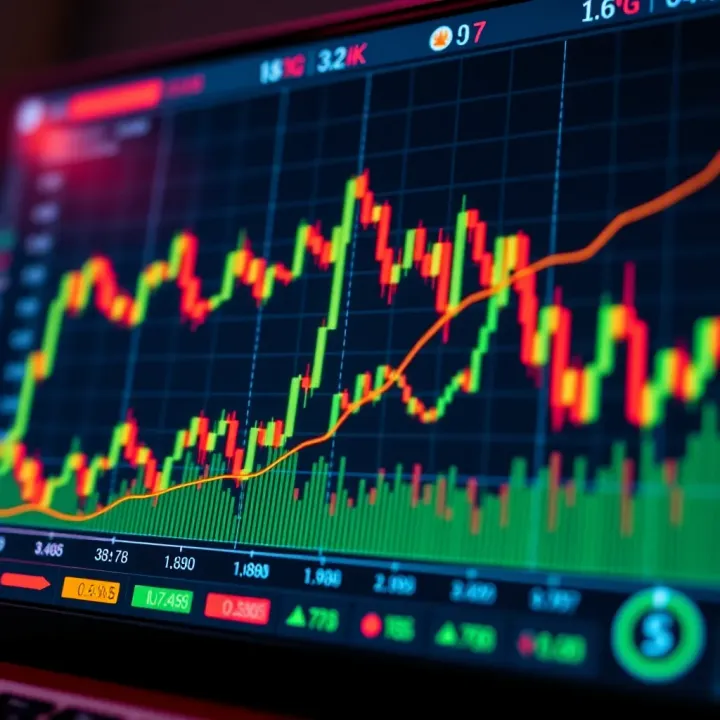
Explore key insights into binary forex trading📈 for Kenyan traders, learn risk management, strategies, regulations, and avoid common mistakes.🇰🇪
Based on 7 reviews