
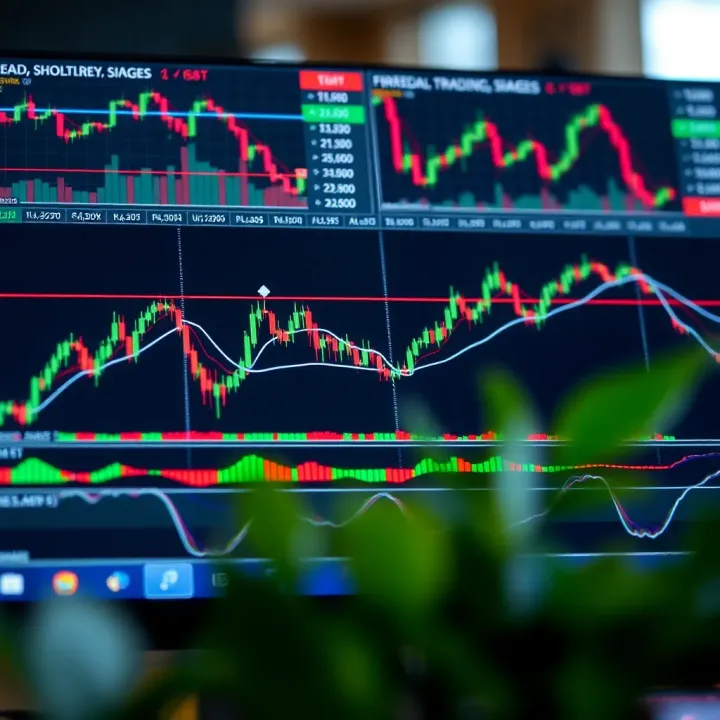
Understanding Forex Chart Patterns: A Practical Guide
📈 Master key forex chart patterns to boost trading skills! Learn how to spot trends, interpret signals, and access handy PDF tools for practical use.
Edited By
Liam Bennett
In forex trading, the spread is one of those costs that can quietly eat into your profits if you’re not careful. Put simply, the spread is the difference between the price at which you can buy a currency and the price at which you can sell it. This gap represents the broker’s commission or fee, and it plays a direct role in your trading outcomes.
Unlike some other markets, forex typically doesn’t charge explicit commissions. Instead, brokers make money through these spreads, so understanding how they work can help you manage your trading costs better.

Traders should always consider spreads as a key factor in their trading plan – a narrow spread means lower trading costs, while a wider spread can reduce potential gains.
There are two main types of spreads you’ll encounter:
Fixed spreads: These remain constant regardless of market conditions. For example, a broker might offer a fixed spread of 2 pips on EUR/USD. Fixed spreads are predictable but may be slightly higher to cover the broker’s risk during volatile periods.
Variable spreads: These fluctuate based on market liquidity and volatility. During busy trading hours, spreads can narrow to fractions of a pip, but they can widen substantially during economic news releases or low liquidity hours.
Several factors influence the size of the spread:
Currency pair popularity: Major pairs like EUR/USD or USD/JPY usually have tighter spreads due to high liquidity.
Market volatility: High volatility often widens spreads as brokers protect themselves against sudden price swings.
Broker type and trading platform: Some brokers operate as market makers setting their own spreads, while ECN brokers connect you directly to the interbank market offering more competitive spreads.
When choosing a broker, it pays to compare their average spreads on the currency pairs you trade most often. Watching out for hidden fees and understanding the terms is equally important because sometimes lower spreads come with additional charges.
In Kenya, where many traders operate on tight budgets, managing spread costs can significantly affect long-term profitability. By picking brokers with competitive spreads and timing your trades during active market hours, you can keep expenses down and improve your bottom line.
Understanding forex spreads isn’t just for beginners; even seasoned traders can benefit by sharpening this knowledge — it can make the difference between a winning and losing trade.
In forex trading, the spread represents the difference between the price at which you can buy a currency (ask price) and the price at which you can sell it (bid price). Understanding spreads is vital because this difference directly affects your transaction costs and thus your overall profitability. For example, if the EUR/USD pair has a bid price of 1.1750 and an ask price of 1.1752, the spread is 2 pips — this is essentially the cost traders face when entering or exiting a position.
Knowing what spreads are helps you make smarter choices about when and where to trade. Some brokers offer lower spreads during peak trading hours or on more liquid currency pairs, such as USD/KES or EUR/USD, which can save you considerable costs over time. On the other hand, less popular exotic pairs tend to have wider spreads, which means higher cost.
The bid price is the highest price buyers are willing to pay for a currency pair, while the ask price is the lowest price sellers accept. The spread is the gap between these two prices. Practically speaking, when you enter a trade, you buy at the ask price, which is a bit higher, and when you sell, you do so at the bid price, slightly lower. This small difference covers the broker's fee and liquidity providers’ costs.
For instance, if you want to buy USD/JPY at an ask price of 110.00 but you can only sell at 109.98 (the bid price), you start your trade with a slight loss equal to the spread, here 2 pips. Spreads fluctuate with market conditions, so it’s crucial to pay attention to the current spread before executing trades.
Spreads play a dual role in forex trading: they represent both the cost of making a trade and an indicator of market liquidity. Narrow spreads often mean high liquidity and active participation, making it cheaper and faster to enter or exit positions. Wide spreads typically happen during low liquidity periods or volatile market events, signalling higher transaction costs.
Consider the Nairobi Stock Exchange compared to a small local market. NSE has high activity and tight bid-ask spreads, similar to major forex pairs like EUR/USD. A small local market with few buyers and sellers will have wider spreads, reflecting difficulty in finding immediate counterparties. Traders should watch spreads closely, especially around economic announcements, to avoid surprises.
Every trade you place incurs a cost through the spread, which acts like a hidden fee. You don’t pay separate commission fees in many forex accounts; instead, brokers widen the spread slightly to cover their earnings. Understanding this helps you estimate how much you pay per trade in Kenyan Shillings or other currencies.
For example, if you trade USD/KES with a spread of 10 pips, and a pip equals KSh 0.05 per unit, trading 10,000 units will cost KSh 50 in spread alone. Over many trades, this adds to thousands of shillings, which could affect your net returns if not managed well.
Spreads directly reduce your potential profits because you start every trade with the spread as a cost hurdle. To break even, the market price must move enough in your favour to cover the spread before you gain. That’s why tight spreads are preferred, especially for frequent traders or those using scalping and day trading strategies.
A trader using a high spread pair may find making small profits difficult or even impossible, as the spread eats into the gains. On the flip side, longer-term traders might be less sensitive since they hold positions for bigger moves. Ultimately, trading with awareness of spreads helps you select pairings and timing that align with your financial goals.
Understanding how spreads work is like knowing the cost of fuel before starting a road trip – it helps you budget wisely and avoid unexpected expenses that drain your profits.
In summary, spreads are foundational in forex trading. You pay this cost every time you trade, so knowing their role helps you plan better, choose suitable currency pairs, and pick brokers who offer competitive spreads aligned with your strategy.
Understanding the different types of forex spreads is key for any trader looking to manage costs effectively. Spreads directly affect your entry and exit prices, so knowing how they work can help you choose the right broker and trading strategy. The two main types are fixed spreads and floating spreads, each with distinct features and practical implications.
Fixed spreads remain constant regardless of market conditions. For example, a broker may always offer a spread of 2 pips on the USD/KES pair. This predictability can be useful for traders who want to budget their trading costs without surprises.
However, fixed spreads are often wider than floating ones during calm market periods, as brokers build in a buffer to cover potential volatility. This means you might be paying slightly more in spread costs most of the time, but avoid the risk of sudden spikes.
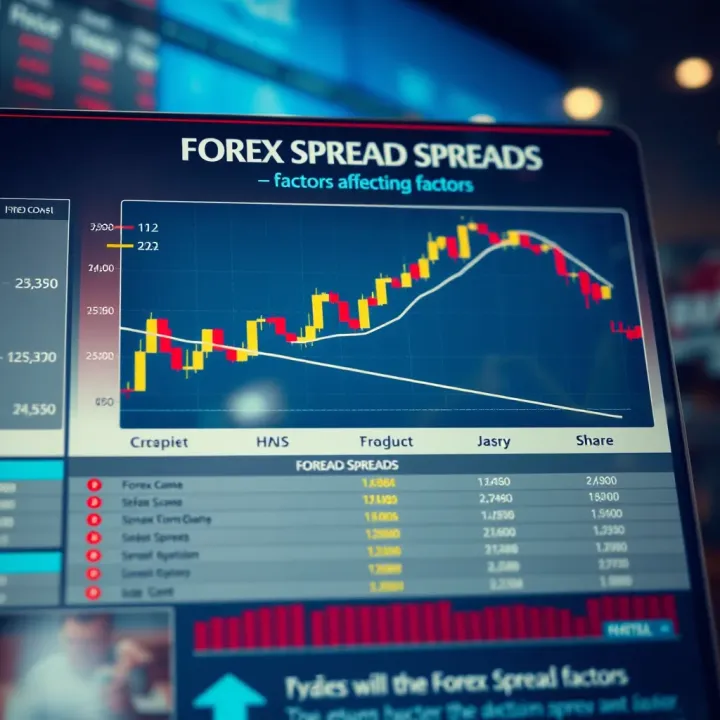
Advantages and disadvantages
One advantage of fixed spreads is the certainty they provide, especially for small-scale or beginner traders. Knowing your maximum cost upfront helps with risk management. Also, during major news breaks, your spread won't suddenly widen, which can protect you from unexpected losses.
On the downside, fixed spreads can be less competitive during high liquidity times. If the market is calm and spreads naturally tighten, you won’t benefit from the lower costs. Some brokers might also widen fixed spreads during volatile moments, which defeats the purpose of having a fixed spread.
What causes floating spreads to vary
Floating spreads, also called variable spreads, change based on market liquidity and volatility. When there’s plenty of trading activity, spreads tend to narrow. Conversely, during quiet periods or times of economic uncertainty, spreads widen. For instance, the spread for EUR/USD may tighten to 0.5 pips during regular London and New York sessions but can widen dramatically in early Asian hours or around important announcements.
When to expect wider or tighter spreads
Expect tighter spreads during peak trading hours when major markets overlap, like the London-New York overlap. Brokers get better prices from liquidity providers when volume is high, passing on the benefit to traders.
Wider spreads occur after-hours, during holidays, or when unexpected news hits the markets. For example, a surprise interest rate announcement by the Central Bank can cause sudden jumps in spreads as market makers adjust for risk.
Suitability for different trading styles
Fixed spreads suit traders who prioritise cost certainty, such as scalpers or those trading with tight risk controls. They can plan their trades knowing exactly what the cost will be, even during volatile periods.
Floating spreads often benefit swing traders or those with longer time frames who can wait out volatile phases and trade during calmer times with lower spreads. They also appeal to experienced traders who can handle spread variability.
Cost implications
Floating spreads generally offer lower average costs, especially during liquid market hours. However, blowouts in spreads around news can inflate costs temporarily. Fixed spreads may cost more on average but shield traders from those spikes.
That said, check the broker’s terms — some charge commission on top of tight floating spreads, which can offset any cost advantages. Always consider total trading costs, not just spreads alone.
Knowing the types of spreads available helps you choose the best setup for your trading style and manage costs more effectively. It’s not just about low spreads but predictable and fair conditions that suit how and when you trade.
Understanding the factors that influence forex spreads helps traders anticipate costs and plan their strategies better. Spreads do not remain fixed; they change depending on several elements such as market liquidity, broker policies, and economic events. Appreciating these can give you an edge, especially when timing your trades or choosing currency pairs.
Currency pairs like EUR/USD, USD/JPY, and GBP/USD are known as popular or major pairs because they have high trading volumes and deep liquidity. This typically leads to tighter spreads, sometimes as low as 1 pip, which reduces trading costs. On the other hand, exotic pairs such as USD/TRY (US Dollar/Turkish Lira) or USD/ZAR (US Dollar/South African Rand) trade less frequently and tend to have wider spreads. For instance, if you traded KS00,000 in EUR/USD, the spread cost is much lower than trading the same amount in an exotic pair like USD/ZAR.
High trading volume means more buyers and sellers are active, which tightens the spread. During Kenyan market hours, pairs involving the USD and EUR typically see more activity and tighter spreads. Conversely, trading during low volume hours—like late-night Nairobi time—often leads to wider spreads. For example, a trader placing a position during Nairobi’s late evening might face spreads twice as wide compared to peak trading hours. This variation directly impacts the cost of entering and exiting trades.
Different brokers offer varying spread structures based on their business models. Market makers often provide fixed spreads but may include a price manipulation risk during volatile times. ECN or straight-through processing (STP) brokers offer floating spreads that reflect real market conditions but may charge separate commissions. In Kenya, if you use a local broker versus an international one, it’s worth checking their spread patterns and whether commissions apply as an extra cost.
Sometimes, spreads are presented as low or zero but come packaged with hidden fees. These could be in the form of wider spreads during certain hours, or added commissions not clearly stated upfront. Some brokers widen spreads purposefully in less liquid times to cover operational costs. For example, a trader might see a spread of 0.5 pips advertised but experience 2 pips during economic news releases without any warning. Always scrutinise the broker’s terms and conditions to avoid surprise costs.
When major economic news hits, such as Central Bank of Kenya (CBK) rate decisions or US non-farm payroll reports, markets become volatile. Volatility often pushes spreads wider as liquidity providers protect themselves from unpredictable price swings. This can mean spreads that are usually around 1 pip might soar to 10 pips or more during these times.
Traders should be wary of entering positions just before or during key news events, as spread widening can quickly erode profits or increase losses.
Smart traders monitor economic calendars and avoid trading when spreads are expected to spike. For example, closing positions an hour before CBK policy announcements can save significant costs. Alternatively, some traders choose to capitalise on volatility but must factor in that wider spreads mean higher break-even points. Using trading platforms with spread alerts or live market data helps to plan and reduces unexpected charges.
In all, knowing what drives spreads allows you to optimise your trading, pick better times to enter or exit positions, and select brokers who offer transparent and competitive trading conditions.
Selecting a forex broker with favourable spread conditions can make a significant difference to your trading results. Since the spread reflects the cost of entering and exiting trades, brokers offering tighter or more predictable spreads can help you keep expenses low, especially if you trade frequently or use short-term strategies like scalping. This section guides you through the practical steps of evaluating spreads among brokers and highlights extra costs that impact your overall trading expenses.
Reading broker spread tables is one of the first things to check before committing to a broker. These tables list spreads for popular currency pairs, usually shown in pips — the smallest price move in a currency quote. For example, if a broker quotes a spread of 1.2 pips on the EUR/USD, you pay that difference when opening a trade. Look closely at whether the spreads are fixed or variable (floating), and whether those numbers apply during peak market hours or extend to all times.
It is also vital to notice if the spread is a raw number or includes some hidden costs. Some brokers may advertise very low spreads but add commissions or other fees on top. Reading the fine print ensures you don’t get caught off guard. For example, a broker might offer a tight 0.5 pip spread on USD/JPY but charge a commission of KSh 100 per trade, which could add up if you trade in high volumes.
Comparing spreads across brokers helps you find the best deal for your trading style. Not all spreads are equal; some brokers specialise in offering low spreads for major currency pairs but charge more on exotic ones. For instance, Broker A might offer a 0.8 pip spread on GBP/USD but 3 pips on USD/ZAR, while Broker B could have 1.0 pip on GBP/USD but narrower spreads on African currencies.
Besides raw spread numbers, consider how consistent the spreads remain during volatile periods. Brokers using aggregated liquidity providers may have floating spreads that widen during news releases, whereas others may stick to fixed spreads but at a higher baseline cost. Also compare trading platforms, as some show more transparent spread data than others, helping you monitor costs in real-time.
Commissions and fees besides spreads can quickly inflate your trade costs. While some brokers claim 'zero commission', they recover costs by increasing the spread. Others separate these charges, allowing clearer cost management — for example, charging a small flat fee per trade regardless of size. Always factor these charges into your total expense calculations, especially if you trade regularly or in large sizes.
Another hidden cost could be fees for deposit or withdrawal methods, often overlooked but impacting overall profitability. For instance, certain mobile money services or bank transfers may attract charges depending on your broker’s policies, especially if operating across borders.
Slippage and execution delays affect how much you actually pay beyond advertised spreads. Slippage happens when your order fills at a worse price than expected, often during fast-moving markets. Even with tight spreads, slippage can increase costs significantly; a typical scenario is when placing a market order just as the Kenyan shilling fluctuates due to unexpected economic data.
Execution delays, especially on less reliable platforms, mean you might miss the best spread prices and enter trades at less favourable levels. Look for brokers with execution speeds suited to your trading style — active day traders need fast, reliable platforms to minimise such risks. Some brokers offer guaranteed stop-loss orders that protect against slippage, but these often come with extra fees.
Choosing a broker isn’t only about low spreads — consider total trading costs, platform reliability, and order execution quality to avoid surprises.
By carefully analysing broker spread tables, comparing offers, and factoring in extra costs like commissions and slippage, you can pick a broker that aligns well with your trading plans and budget. This practical attention to detail helps you keep more of your profits in your pocket.
Managing spread costs is vital for traders who want to keep more of their profits in forex trading. Spreads represent an unavoidable transaction cost, so controlling them can make a big difference, especially over many trades. If you don't watch your spread expenses, even small differences add up to reduce your net gains.
By actively managing spread costs, you also sharpen your decision-making. Knowing when spreads are tight or wide helps you pick the best moments to enter or exit trades. This practical insight makes your strategy more efficient and less vulnerable to market noise.
Spreads tend to be narrower during the busiest market hours, mainly when multiple forex markets overlap. For instance, the London-New York overlap, from roughly 3 pm to 7 pm EAT, often sees lower spreads due to heavy liquidity. Trading within these hours means you pay less in spread costs and enjoy better price execution.
On the other hand, spreading your trades outside these high-volume windows can hike spread costs. For example, trading the USD/JPY pair late in the Asian session might attract wider spreads. By timing your trades for sessions with tighter spreads, you improve your overall trading performance and reduce hidden costs.
Low liquidity often drives spreads wider because fewer participants mean less competition in setting prices. Holidays, weekends, or after-hour sessions can all lead to thin order books and inflated spread costs. As an example, trying to trade USD/ZAR just before the South African market opens might show higher spreads due to low liquidity.
To avoid this, watch the trading calendar closely and steer clear of periods with expected low activity. It saves you from paying unnecessarily wide spreads, which can eat into small profits or worsen losses during volatile times.
Modern forex platforms often include spread monitoring tools that track real-time changes in spreads for your preferred currency pairs. This data helps you spot patterns, such as times of day when spreads tighten or widen. For instance, platforms like MetaTrader or cTrader provide clear spread displays alongside charts, helping traders plan better entries.
Using spread tracking software allows you to be proactive rather than reactive. If you notice a recurring spread spike during certain events or sessions, you can adjust your trades accordingly rather than blindly accepting high costs. This sharp awareness often translates to improved returns over time.
Apart from tracking, setting automated alerts when spreads open beyond a preset level can shield you from surprise costs. For example, if you set an alert for the EUR/USD pair to notify when spreads exceed 2 pips, you avoid trading during unusually costly moments triggered by unexpected volatility or technical glitches.
These alerts keep you informed without staring at the screen all day. Whether you trade full-time or alongside other commitments, staying informed about spread changes helps you avoid painful surprises and make smarter, timely trading moves.
Keeping an eye on spread costs through smart timing and technology helps you trade more efficiently, preserving your hard-earned capital and supporting consistent profitability.
By blending sound timing strategies with spread monitoring tools and alerts, you can handle the ever-changing nature of forex spreads. This balance enhances your trading edge, ensuring you pay as little as possible in spread costs and focus on growing your account steadily.
📈 Master key forex chart patterns to boost trading skills! Learn how to spot trends, interpret signals, and access handy PDF tools for practical use.

Discover how dbots operate and their benefits in Kenya 🇰🇪. Learn practical uses and tips for effective deployment in various industries 🤖📈.

📊 Explore binary charts in computing and data analysis: learn how to read, interpret, and apply them, with tips on tools and common challenges.
Explore how binary accounts work, their pros and cons, and their role in finance and online trading 📊—essential info for investors in Kenya.
Based on 7 reviews