

Trading Commodities in Kenya: A Practical Guide
📈 Explore commodity trading for Kenyan investors: learn key commodities, trading steps, risks, and Kenya-specific regulations to start wisely in the market.
Edited By
Emily Harrison
Indices trading allows you to buy or sell the performance of a group of shares bundled together, rather than dealing with single stocks. These groups, known as stock indices, represent the overall market or specific sectors like banking, energy, or technology. In Kenya, popular indices include the NSE 20 Share Index and the FTSE NSE Kenya 15, which reflect the performance of listed companies on the Nairobi Securities Exchange (NSE).
Trading indices can offer many advantages over picking individual shares. For one, it spreads your risk across several companies, cushioning you from sharp falls in any single stock. For example, if one banking firm listed on the NSE announces a dip in profits, an index tracking the entire financial sector might still stay afloat due to overall sector strength.

Trading indices provides a snapshot of market trends and allows investors to tap into broader economic movements with less exposure to individual company risks.
You can access indices trading in Kenya via several platforms. Safaricom’s M-Pesa Pulse introduced some basic investment features, but for full exposure, online brokers like ICEA Lion Asset Management, or international firms registered with the Capital Markets Authority (CMA) are better options. These platforms let you trade derivatives such as futures and contracts for difference (CFDs) based on indices.
In practice, indices trading works by speculating on the price movement of the basket. You could buy a contract if you expect the index to rise, or sell if you anticipate a fall. This flexibility makes indices popular among traders looking for short-term gains and investors aiming to hedge their portfolios.
Risks include market volatility, especially during economic shocks which can cause index values to swing widely. That said, indices typically show less erratic behaviour than individual stocks. Kenyan investors should also be mindful of regulatory safeguards and select licensed brokers to avoid scams.
Understanding how indices are calculated is important. Most use a weighted formula where larger companies carry more influence. For example, Safaricom’s share price heavily impacts the NSE 20 due to its market size.
In this guide, we’ll break down the types of indices, how to trade them practically in Kenya’s context, the best strategies to use, and how to manage common risks. This way, you’ll be equipped to add indices trading safely to your investment toolkit.
Trading stock market indices offers Kenyan investors a way to gain exposure to the broader economy or specific sectors without buying individual shares. Instead of picking single stocks, indices trading lets you track the performance of a whole basket of stocks, making it simpler to follow market trends. This section breaks down the basics to help you understand how indices function and how you can trade them effectively.
A stock market index is essentially a number that shows how a selected group of stocks perform together. For example, the NSE 20 Index represents 20 leading companies listed on the Nairobi Securities Exchange (NSE). This index moves up or down depending on how these companies’ shares perform overall. Indices give investors a snapshot of the market’s health or specific sectors, without the hassle of analysing hundreds of individual stocks.
For a practical illustration, think of the NSE 20 as a big jiko (cooker) where you add several types of ugali flour. By checking the ugali (index), you get a sense of the overall quality (market performance) instead of tasting each flour (individual stocks) separately.
Indices do not just list stocks; they weigh them so that bigger or more important companies influence the index more. For instance, if Safaricom’s shares rise sharply, the NSE 20 index will reflect that because Safaricom weighs heavily due to its market value. This weighting means indices offer a reliable guide on economic conditions or sector trends.
An investor looking at the FTSE 100 from the UK or the S&P 500 from the US can see the general market mood. Kenyan traders who follow these indices can spot patterns that may affect local markets, especially since global events tend to ripple through interconnected markets.
Indices can be traded in several ways suitable for different strategies. Futures contracts are agreements to buy or sell an index at a future date and price. While futures generally require significant capital and suit bigger traders, Contracts for Difference (CFDs) let investors speculate on price movements without owning the actual index. CFDs are popular because they allow trading with relatively small amounts, which fits well with Kenya’s growing retail trader scene.
Exchange-Traded Funds (ETFs) are another option. An ETF tied to an index like the NSE 20 or S&P 500 behaves like a share you can buy on the exchange. This makes ETFs a simpler, longer-term investment alternative for those who want to hold diversified portfolios without active trading.
Leverage lets traders control a large position with a smaller amount of capital, called margin. For example, with 10:1 leverage, you could trade KSh 100,000 worth of an index with just KSh 10,000. This boosts potential gains but also magnifies losses, so it requires discipline and good risk management.
Using leverage wisely is crucial in Kenya’s context, where many new traders might be tempted to overextend. Setting stop-loss orders and understanding margin requirements help prevent sudden losses. Most brokers accessible in Kenya offer clear terms on leverage and margins, so take time to study those before entering trades.

Trading indices is a practical way to tap into broad market movements. By understanding how indices represent groups of shares and how products like CFDs or ETFs work, Kenyan investors can make more informed decisions and manage risks better.
Stock market indices provide a snapshot of how certain parts of the market are performing. For Kenyan traders, understanding these indices is key to tracking market trends and making informed investment decisions. These indices act as benchmarks that reflect broader economic health or sector-specific movements, useful for diversifying portfolios beyond single stock picks.
Global indices like the S&P 500 (United States), FTSE 100 (United Kingdom), and Nikkei 225 (Japan) are among the most tracked worldwide. The S&P 500 aggregates the performance of 500 large companies and offers a broad view of the US economy, which indirectly influences global markets including Kenya. Meanwhile, the FTSE 100 includes the top 100 companies listed on the London Stock Exchange, often affecting investor sentiment in former Commonwealth nations such as Kenya.
The Nikkei 225, representing Japan’s leading companies, highlights trends in Asia’s economic powerhouse. Kenyan investors who engage in indices trading need to monitor these because shifts can impact currency values, commodity prices, and even multinational firms operating in or with Kenya.
Global events — from US Federal Reserve interest rate decisions to geopolitical tensions — directly affect these indices. For example, rising US interest rates often cause dips in the S&P 500, reflecting uncertainties that spill over into global trade and investments. Kenyan traders should watch such developments closely since they can alter cash flow, investment returns, and trading opportunities locally.
The NSE 20 Share Index is Kenya’s primary stock market indicator, tracking the performance of 20 selected blue-chip companies listed on the Nairobi Securities Exchange (NSE). This index shows how the Kenyan economy is faring and gives traders insights about local market movements. For instance, if the NSE 20 trends upward steadily, it could signal economic growth, boosting investor confidence in Kenyan equities.
Within the East African Community (EAC), the market indices of countries like Uganda, Tanzania, and Rwanda are growing in importance. While Kenya remains the largest economy and market, understanding this regional context helps traders spot cross-border trade opportunities and risks. The EAC’s combined indices highlight economic integration efforts, and fluctuations here may impact Kenyan investors who hold diversified portfolios across the region.
Understanding both global and local stock indices allows Kenyan traders to make decisions rooted in comprehensive market awareness — not just guesswork or hearsay.
Global indices reflect major economic zones influencing the Kenyan market
Local indices such as NSE 20 reveal domestic economic health
Regional indices show EAC market trends and integration
By keeping an eye on these indices, Kenyan investors can balance their portfolios and respond effectively to market changes.
Trading indices offers Kenyan investors a way to gain exposure to broader market movements rather than betting on individual shares. This approach comes with specific benefits and risks that can influence your investment strategy. Understanding these elements helps you balance potential returns with safety, especially given Kenya's developing capital markets and the availability of diverse indices.
When you trade an index, you are effectively investing in a basket of stocks. For instance, the NSE 20 Index reflects the performance of twenty leading companies listed on the Nairobi Securities Exchange. This diversification reduces the risk linked to a single company's poor performance. Instead of hoping one firm does well, you benefit from the overall upward or downward trend of the market.
For Kenyan investors, diversification through indices can protect portfolios against shocks from unexpected factors like company scandals or regulatory changes affecting a single stock. It helps to spread your investment risk without needing to buy shares in every company individually, which can be costly and complex.
Indices tend to be less volatile than individual stocks. The price swings of one company get balanced by the performance of others within the same index. For example, if a major bank in the NSE 20 falls due to poor earnings, the gains from a manufacturing firm in the same index might offset the loss.
This relative calm suits investors who want steady exposure to the stock market without the stress of watching every share’s dramatic movements. It also gives Kenyan traders the chance to avoid some of the sharp drops that may occur if they were holding single shares in a volatile sector.
Even though indices are more stable, they are not immune to market risk. Economic shocks, political unrest, or global events like a commodity price crash can pull down whole indices. Using leverage—trading with borrowed funds—can exaggerate these losses. For instance, a Kenyan trader using high leverage on an index CFD (contract for difference) could lose more than their initial deposit if the market swings against them.
Therefore, it is vital to understand that leverage multiplies both potential gains and losses. Overexposure without proper knowledge can lead to significant financial damage, especially given the unpredictable nature of both local and global markets.
Effective risk management is key to staying in the game longer. Kenyan investors should use tools like stop-loss orders to automatically close positions before losses grow too high. Limiting the amount of capital exposed to a single trade and not overleveraging protects your portfolio from severe drawdowns.
Besides technical tools, staying updated on economic news, like CBK interest rate announcements or upcoming elections, helps anticipate market moves. Learning to combine careful analysis with disciplined risk controls can improve your chances of consistent profits while managing the unavoidable risks in indices trading.
Wise investors know that protecting capital is just as important as making profits. Balancing benefits with risks through diversification and risk controls builds a solid foundation for indices trading in Kenya.
This practical understanding of benefits and risks equips Kenyan traders and investors to make informed decisions, matching their risk tolerance with suitable trading strategies.
Understanding the right platforms to trade indices and the regulatory environment in Kenya is essential for any investor. Picking a suitable broker with reliable access to global and local indices impacts your trading success, while knowing the local laws and protections helps you avoid pitfalls.
Kenyan investors have several options for trading indices, both through local brokers and international platforms. Local brokers like Nairobi Securities Exchange (NSE)-licensed firms offer direct access to the NSE 20 index and sometimes global indices via partnerships. Meanwhile, international brokers such as IG, Plus500, and AvaTrade provide access to major global indices like the S&P 500 and FTSE 100. Choosing a broker depends on your trading goals, charges, platform reliability, and whether they cater to local payment methods.
Funding your trading account in Kenya has become straightforward thanks to mobile money services. Platforms supporting M-Pesa deposits simplify transactions, allowing you to top up instantly without the hassle of bank transfers. Other methods include bank transfers, online cards, and even Paybill numbers that some brokers offer for deposit. For instance, KCB’s partnership with some brokers allows seamless M-Pesa to bank deposit flows, easing the funding process for many traders.
The Capital Markets Authority (CMA) Kenya supervises all stock market activities, including indices trading, ensuring that brokers operate fairly and transparently. The CMA licence confirms that a firm complies with local laws, protects client funds, and maintains ethical trading practices. Traders should verify that their brokers are CMA-registered to avoid falling into scams or dubious setups.
To safeguard investors, there are clear compliance measures that brokers must follow. These include maintaining separate client accounts to protect investors’ money, regular financial audits, and transparent disclosure of risks associated with leveraged trading. Additionally, investors benefit from the Investor Compensation Fund, which provides some level of protection if a CMA-licensed firm collapses or mismanages client funds.
Always check that your trading platform is regulated by the CMA Kenya and supports local payment options like M-Pesa. This ensures smoother transactions and legal protections on your investments.
Navigating trading platforms and regulations carefully allows Kenyan investors to trade indices safely and efficiently while enjoying the benefits of both local and international markets.
Understanding basic strategies is key to improving your chances of success when trading indices. Unlike picking individual stocks, indices represent groups of companies, so your approach needs to balance analysis and risk management carefully. Kenyan investors should focus on strategies that account for both local market conditions and how global events ripple through markets.
Using charts and indicators helps traders time their entries and exits more effectively. Technical analysis involves studying price patterns, volume changes, and indicators like moving averages or the Relative Strength Index (RSI). For example, if the NSE 20 index crosses above its 50-day moving average, it might suggest an upward trend, signalling a potential buy opportunity. This approach offers clear signals without needing deep details about each company in the index.
Monitoring economic reports and news is equally vital. Announcements like Central Bank of Kenya interest rate decisions, inflation data, or international developments such as US Federal Reserve policy shifts can significantly influence indices. For instance, news about rising inflation in the US often causes global indices to react, affecting Kenyan investments indirectly. Keeping an eye on these reports helps traders anticipate market moves instead of reacting late.
Managing leverage and using stop-loss orders can prevent losses from getting out of hand. Since indices trading often involves leverage to amplify gains, the risks multiply too. For example, trading on high leverage without a stop-loss could wipe out your capital in volatile markets. Setting stop-loss points protects your investment by automatically closing positions when prices hit a set level, keeping your losses within limits.
Staying informed about both local and international market trends cannot be overstated. Kenyan markets are influenced by factors like commodity prices, political developments, and international trade dynamics. Following reliable sources and regularly reviewing market analyses will help you spot trends early. For instance, if there is political unrest affecting East African Community trade, local indices might dip, offering both warnings and opportunities for careful traders.
Successful indices trading combines clear analysis methods with sound risk control. For Kenyan investors, adapting these strategies to the local environment and using tools like M-Pesa for quick fund transfers makes trading more practical and efficient.
By blending technical charts, fundamental news, solid risk management, and staying tuned to market shifts, you position yourself for better decision-making in indices trading.
📈 Explore commodity trading for Kenyan investors: learn key commodities, trading steps, risks, and Kenya-specific regulations to start wisely in the market.
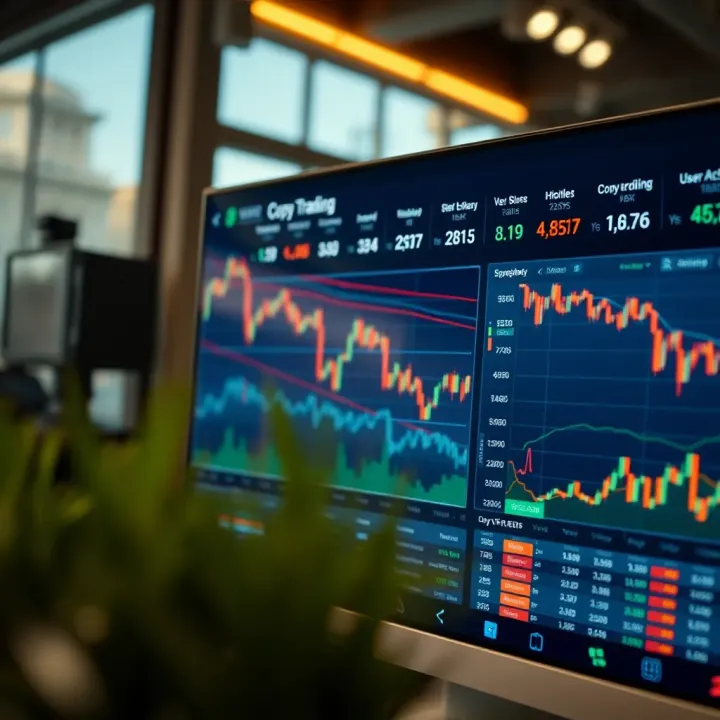
Explore how copy trading works in Kenya 📈, learn its benefits and risks ⚖️, and get practical tips to safely mirror experts’ investments for your financial growth 💼.
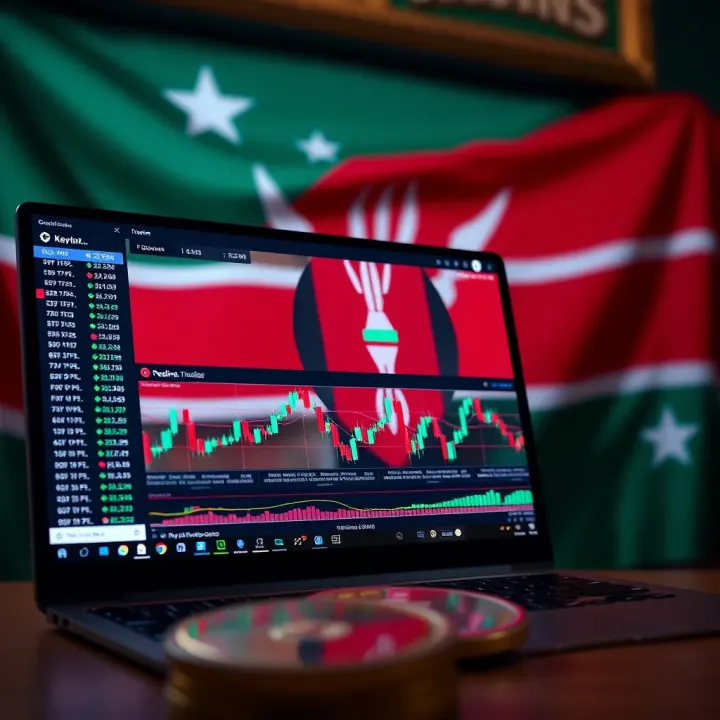
💰 Explore cryptocurrency trading in Kenya with practical tips on strategies, platforms, risks, and legal info to trade confidently in the local market.
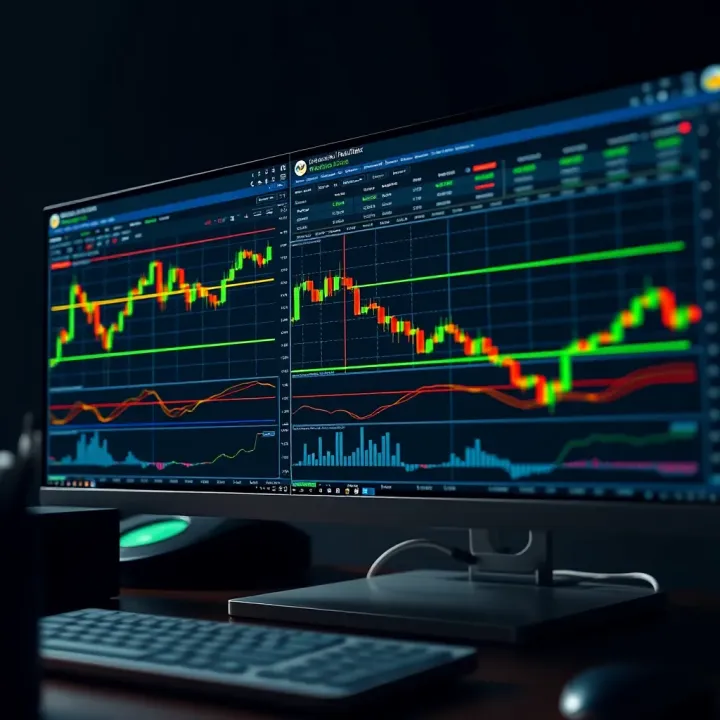
Discover how binary trading works in Kenya 🇰🇪, its legal risks ⚖️, and top tips 📊 to trade confidently and smartly in this detailed guide.
Based on 14 reviews