
Forex Trading PDF for Beginners in Kenya
📘 Learn forex trading basics with this practical PDF guide for beginners in Kenya. Discover effective strategies, risk management, and trusted platforms to start trading confidently.
Edited By
Rachel Morgan
Forex trading has become increasingly accessible to Kenyan traders, thanks in part to digital platforms and growing market awareness. Understanding the basics is the first step before diving into more advanced strategies. This section sets the stage by providing a clear overview of forex trading essentials and what you can expect from a full course PDF on the topic.
Forex (foreign exchange) trading involves buying and selling currencies to profit from changes in their exchange rates. For instance, a trader might buy US dollars (USD) when they expect the shilling (KES) to weaken, then sell those dollars later at a higher rate—earning a profit in the process. Unlike the stock market, forex operates 24 hours a day, five days a week, offering flexibility for different trading schedules.
Most comprehensive forex trading course PDFs you find will cover these main areas:
Market Fundamentals: Understanding how currency pairs like USD/KES or EUR/USD work, market hours, and the factors influencing currency movements such as economic indicators and geopolitical events.
Technical Analysis: Using charts and indicators like Moving Averages or Relative Strength Index (RSI) to identify trading opportunities.
Risk Management: Techniques to manage losses, including stop-loss orders and position sizing to protect your capital.
Trading Strategies: Various approaches such as day trading, swing trading, and scalping tailored to your time and risk appetite.
Trading Psychology: Managing emotions and developing discipline to stick to a plan under pressure.
Learning forex requires patience and practice. Using full course PDFs lets you study at your own pace, revisiting tougher sections and testing concepts with demo accounts.
Currency markets differ globally, but Kenya-specific insights help traders navigate local challenges like volatile shilling rates or regulatory considerations by the Central Bank of Kenya. Also, many courses highlight practical tools relevant to Kenya, such as using M-Pesa for capital transfers or platforms accessible locally.
With this foundation, you’re ready to explore detailed forex trading knowledge and develop skills to trade with confidence. The following sections will break down each topic with clear explanations and real-world examples suited to Kenyan markets and traders.
Grasping how the forex market works is critical before you commit real money to any trade. This section breaks down the essential parts of forex trading and explains why each matters in practice. Knowing the basics helps you read price movements better, pick suitable brokers, and time your trades more wisely.
Forex trading revolves around exchanging one currency for another. For instance, if you anticipate the US dollar (USD) will strengthen against the Kenyan shilling (KES), you might buy USD/KES. The gain comes if the dollar rises, allowing you to sell back for more shillings. This activity is continuous worldwide, making forex the biggest financial market by daily volume.
Currency exchange rates fluctuate due to economic news, interest rates, or geopolitical events. These changes create opportunities to buy low and sell high—or vice versa—with well-timed decisions. For traders in Kenya, this means understanding not just global events but also local economic factors that affect currency pairs.
Forex brokers act as intermediaries connecting traders to the forex market. They provide a trading platform where you can buy or sell currency pairs, offer leverage to increase your trading power, and supply essential tools like charts and news feeds.
Choosing the right broker is vital. A regulated broker with transparent fees and reliable trade execution can make or break your trading experience. Moreover, brokers with M-Pesa integration ease deposits and withdrawals in Kenya, saving you time and transfer charges.
The forex market operates 24 hours on weekdays, but trading activity varies by the time zone. Key centres include London, New York, Tokyo, and Sydney. For example, during London and New York overlaps, price movements tend to be more volatile due to high trading volumes.
For Kenyan traders (EAT, UTC+3), recognising these active periods helps in planning trades. Trading during low activity times might mean wider spreads and less liquidity, increasing risk. Understanding when major markets open and close lets you avoid getting stuck in less favourable conditions.
A pip is the smallest price move in a currency pair, usually the fourth decimal place (0.0001), representing the smallest profit or loss unit. For example, if USD/KES moves from 109.5000 to 109.5001, that’s one pip.
Lot size refers to the volume of the trade. A standard lot is 100,000 units of the base currency, but mini (10,000), micro (1,000), and nano (100) lots are common to help manage risk with smaller capital.
The spread is the difference between the bid and ask prices—essentially the broker’s commission. Tight spreads mean lower trading costs, which is crucial when trading frequently, such as in scalping strategies.
Leverage lets you control a large position with a smaller amount of capital. For example, a 1:100 leverage means you can trade KSh 1,000,000 by putting up only KSh 10,000 as margin.
However, leverage increases both potential profits and losses. Kenyan traders should use leverage carefully and always understand the margin requirements displayed in their trading platform to avoid unexpected liquidation.
The bid price is what buyers are willing to pay, while the ask price is what sellers want. The spread sits between these two. When you buy a currency pair, you pay the ask price; when you sell, you get the bid price.
Knowing which price you're dealing with helps you make better decisions on entry and exit points. It’s also why quick price changes can affect trade execution if you’re not tuned to these concepts.
Mastery of these forex basics creates a solid foundation to build trading skills on. Without understanding how currency exchange works, how brokers operate, and what key terms mean, you risk costly mistakes in the fast-moving forex market.
Understanding the core concepts in forex trading courses is essential for anyone serious about trading. These concepts give you the foundation to analyse markets, make informed decisions, and manage risks. Without a solid grasp of fundamental and technical analysis—along with various trading strategies—you'd essentially be guessing how currency prices move.
Economic indicators that influence forex are key to fundamental analysis. These indicators include reports like GDP growth, inflation rates, employment numbers, and central bank interest rate decisions. For instance, if the Central Bank of Kenya raises interest rates unexpectedly, it often strengthens the Kenyan shilling because higher rates attract foreign investors seeking better returns.
Knowing which economic data to monitor helps you anticipate currency shifts before the market reacts. Traders who ignored Kenya's inflation reports in the past missed chances to adjust their trades when the shilling weakened against the dollar.
Impact of news and events on currency prices can't be overstated. Political developments, trade agreements, or unexpected events like natural disasters can cause sharp currency swings. For example, during Kenya's 2022 general elections, the forex market saw increased volatility as traders responded to election outcomes and related announcements.
Keeping up with reliable news sources and economic calendars helps you prepare for these movements. Experienced traders might avoid opening positions before major announcements to limit risk, while others may trade the volatility for quick gains.
Charts and patterns commonly used include candlestick charts, trendlines, and chart formations like head and shoulders or double bottoms. These visual tools help traders spot trends and potential reversals. For example, if a currency pair forms a clear uptrend on a candlestick chart, a trader might wait for a pullback before entering a buy trade.
By interpreting these patterns, you get clearer signals on when to enter or exit the market rather than relying on hunches.
Popular technical indicators in forex such as Moving Averages, Relative Strength Index (RSI), and Fibonacci retracements provide measurable signals about momentum, overbought or oversold levels, and potential price targets. For instance, a crossover of short-term moving average above a long-term average can suggest a bullish trend, prompting a trader to consider buying.
These indicators complement chart readings, though relying on too many without understanding may cause confusion.
Using support and resistance levels is a straightforward, practical approach. These levels mark price points where a currency pair historically struggles to move beyond (resistance) or falls to but then rebounds (support). For example, if the USD/KES repeatedly bounces off KS10 support, traders might set buy orders near that level expecting a price rise.
Recognising these levels helps with setting stop-loss and take-profit orders aligned with real market behaviour.
Day trading and scalping involve short-term trades that last from minutes to hours. These techniques demand quick decision-making and close market monitoring. A scalper might open multiple trades to gain just a few pips each, while a day trader may focus on capturing intraday trends.
This works well in Kenya’s active forex market, especially when combined with good internet speed to react fast to price shifts.
Swing and position trading are longer-term approaches where trades hold from several days to weeks or even months. Swing traders look to profit from medium-term price swings, while position traders focus on longer trends, often ignoring daily volatility. For example, a trader might hold a Kenyan shilling versus US dollar position based on expectations about interest rate trends for months.
These methods suit those who can dedicate less time to screen watching and prefer steady gains.
Automated trading methods use algorithms and expert advisors (EAs) on platforms like MetaTrader to execute trades based on preset rules. This can remove emotion from trading and help maintain discipline. However, automated systems need proper setup, monitoring, and sometimes adjustment to changing market conditions.
Some Kenyan traders use these systems to run multiple strategies simultaneously, but understanding the logic behind the automation is crucial to avoid unexpected losses.
Mastering these core concepts builds the foundation for confident, informed forex trading. When combined with local knowledge and effective risk management, they improve your chances of trading success in Nairobi or beyond.
Starting forex trading in Kenya involves a series of practical steps that ensure you not only enter the market prepared but also comply with legal standards. This section highlights what you ought to focus on before placing your first trade. Kenyan forex traders benefit greatly from understanding local regulations, choosing the right broker, and setting up accounts appropriately, especially because the market's dynamics can differ from other regions.
Kenya's forex market is regulated mostly by the Capital Markets Authority (CMA), which sets rules to protect traders from unscrupulous entities. It’s crucial to pick a broker authorised by the CMA or an internationally recognised body with stringent standards. For example, brokers licensed by FCA (UK) or ASIC (Australia) often maintain higher operational transparency. Traders should avoid brokers without any regulatory oversight, as this is a red flag for potential fraud or unfair practices.
A good broker must offer a user-friendly platform, competitive spreads, and low fees to keep your trading costs manageable. For instance, features like tight spreads and no hidden commissions can make a big difference in profit margins. Besides, good customer support that operates during Kenyan trading hours, robust security for your funds, and access to various currency pairs help you adapt strategies effectively.
In Kenya, ease of moving funds in and out is crucial. A reliable broker should support popular payment methods such as bank transfers, credit/debit cards, and most importantly, M-Pesa, which is widely used across the country. M-Pesa integration allows instant deposits and withdrawals, simplifying fund management and reducing delays that could impact trading decisions.
Opening a trading account usually starts with simple identity verification, including submitting a copy of your national ID, proof of residence, and sometimes a KRA PIN. The process is mostly online and straightforward, designed to comply with anti-money laundering laws. Kenyan traders find this streamlined, especially when brokers provide clear instructions and responsive support.
Most brokers offer MetaTrader 4 (MT4) or MetaTrader 5 (MT5), which are industry standards for forex trading. These platforms support charting, various technical tools, and automated trading. Kenyan traders often prefer MT4 for its simplicity, but MT5 offers more advanced features suitable for experienced users. Other platforms like cTrader or proprietary broker apps may also be available, each with unique interfaces and functionalities.
Before risking real money, you should use demo accounts offered by brokers. These simulate real-market conditions using virtual funds, helping you test strategies and get familiar with the trading platform. Particularly for Kenyan traders new to forex, demo trading builds confidence and reduces costly mistakes by allowing trial and error without financial loss.
Starting forex trading is a step-by-step process. Paying attention to broker credibility, payment options, and mastering your trading platform prepares you well to handle Kenya's unique market environment. This practical foundation can save you money and frustration as you grow your trading skills.
Managing risks and maximising profits are essential skills for any forex trader, especially in Kenya’s fast-moving market. Without proper risk controls, even the most promising trades can turn sour quickly. Likewise, focusing on profit opportunities while keeping losses in check ensures your trading can be sustainable and grow over time.
Setting stop-loss and take-profit orders helps you protect your capital and lock in gains automatically. A stop-loss is a predefined level where your trade will close if the market moves against you, preventing bigger losses. For example, if you buy USD/KES at 110 and set a stop-loss at 108, the trade will close at 108 if the market drops, capping your loss. Take-profit orders work the other way — they close your trade once it hits a profitable level, say selling at 112 to secure a gain. Using these orders removes guesswork and prevents emotional decisions during volatile moments.
Calculating position size carefully means you decide how much of your money to risk on each trade, based on your total trading capital and acceptable risk per trade. A common rule is to risk only 1-2% of your capital on a single trade. So, if you have KSh 100,000, risking 2% means you should lose no more than KSh 2,000. Knowing your position size helps maintain consistency and avoid blowing your account on one bad trade, which often happens to many beginners.
Emotional discipline in trading is often overlooked but crucial. Forex trading can be stressful, with rapid price changes and unexpected news. Without emotional control, traders might chase losses by doubling down or exit profitable trades too early out of fear. The key is to stick to your strategy and rules, regardless of short-term emotions. Practising patience and accepting small losses can save you bigger trouble later.
Importance of strategy consistency cannot be overstated. Wildly switching tactics based on market noise rarely leads to success. Instead, commit to a tested strategy that fits your style and risk tolerance. Over time, consistent application helps you spot patterns and improve your execution. For instance, if you prefer swing trading based on technical indicators, keep analysing charts, entry points, and exits in line with that method.
Long-term vs short-term goals clarify what you want from forex trading. Short-term goals might include earning daily profits or covering basic expenses, while long-term goals could be building a sizeable savings fund or investment portfolio. Recognising your goals shapes your approach; short-term goals may need faster trade turnover but carry more risk, whereas long-term goals allow patient, calculated moves.
Reviewing and improving your trades turns experience into progress. Keep a trading journal noting each trade’s entry, exit, outcome, and what worked or didn’t. For example, you might realise that your stop-loss levels are too tight, causing frequent small losses. Regular review also highlights strengths and weaknesses, helping you make objective decisions and adjust your plan without guesswork.
Successful forex trading blends careful risk management with clear goals and disciplined routines. Without these, profits are often just lucky guesses that rarely last.
Accessing reliable forex trading course PDFs is essential for anyone serious about understanding the market thoroughly. These resources provide structured knowledge, often condensing complex topics into clear, usable formats. For Kenyan traders, tapping into credible sources avoids misinformation and helps in making well-informed decisions amidst the dynamic forex market.
Many well-established forex brokers provide comprehensive educational materials, including free downloadable course PDFs. These often cover everything from beginner basics to advanced trading strategies. For instance, brokers like XM or HotForex have dedicated sections where traders can download detailed guides that align with their platform’s tools. Accessing such resources directly from brokers offers practical benefits because the material is tailored to their trading environment, including specifics on spreads, leverage, and account types.
Websites specialising in forex education offer extensive free or paid course PDFs. Examples include Babypips or DailyFX, which break down concepts into digestible lessons. Forums like Forex Factory also host user-generated content where traders share experiences and downloadable resources. Engaging with these platforms allows you to compare different viewpoints and methodologies, which is valuable for developing a personalised trading style.
Locally, Kenyan forex trading groups and online communities provide targeted content, often reflecting local market nuances and regulations. Resources shared in these circles, such as PDFs or eBooks, help traders understand regional challenges like regulatory compliance with the Capital Markets Authority (CMA) or preferred payment methods like M-Pesa. Forums and WhatsApp groups within Kenyan trading circles also foster peer learning and exchange of practical tips.
A quality course PDF should cover a broad range of forex trading areas from fundamental concepts to risk management and strategy development. A good example would be a course that includes sections on economic indicators, technical analysis, and different trading styles, ensuring you are well-rounded. Comprehensive material ensures you won’t need to rely on multiple scattered sources, saving time and confusion.
The forex market is dynamic, so educational content should reflect recent trends and regulatory changes. PDFs published or updated within the last year tend to provide relevant data and examples. For instance, courses that discuss current geopolitical influences or CBK policy updates in Kenya can give traders an edge in understanding fresh market movements.
Theoretical knowledge alone doesn’t cut it in forex trading. Look for course PDFs that include clear examples and practical exercises—charts to analyse, example trades, or quizzes. These tools reinforce learning by turning abstract ideas into hands-on experience. Such materials prepare you not only to understand but to apply strategies effectively in live markets.
When choosing your training materials, aim for resources that equip you with both knowledge and actionable skills — staying updated and practising consistently will help you trade smarter and with confidence.
📘 Learn forex trading basics with this practical PDF guide for beginners in Kenya. Discover effective strategies, risk management, and trusted platforms to start trading confidently.
Discover how to trade forex online in Kenya with practical tips on opening accounts, using M-Pesa, managing risk, and avoiding common mistakes 📈💻💸
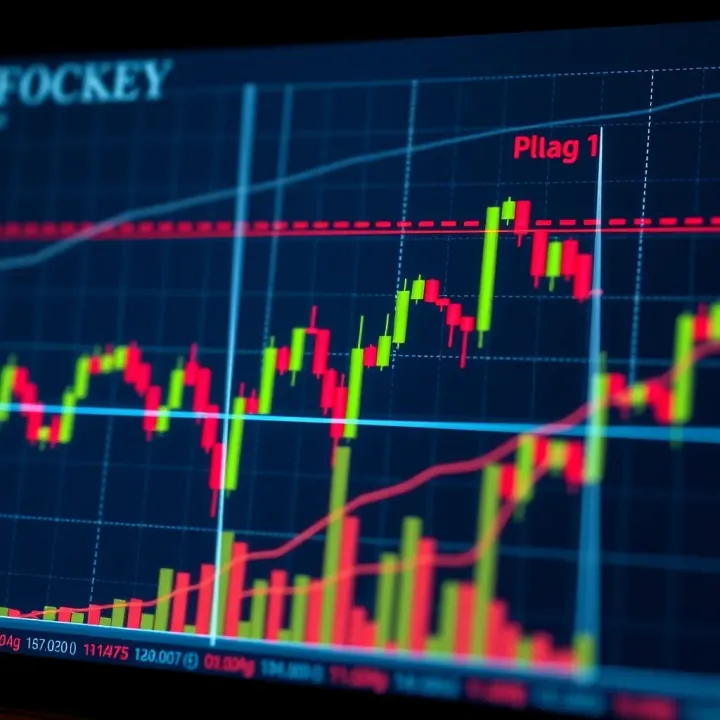
📈 Learn common forex trading patterns Kenyan traders use to boost their decisions. Download clear PDF guides with pattern charts for confident market analysis.
Explore forex trading basics in Kenya 🇰🇪, learn top currency pairs, strategies, risks, and Kenya-specific tips on regulators and payment options like M-Pesa. 💹
Based on 6 reviews