
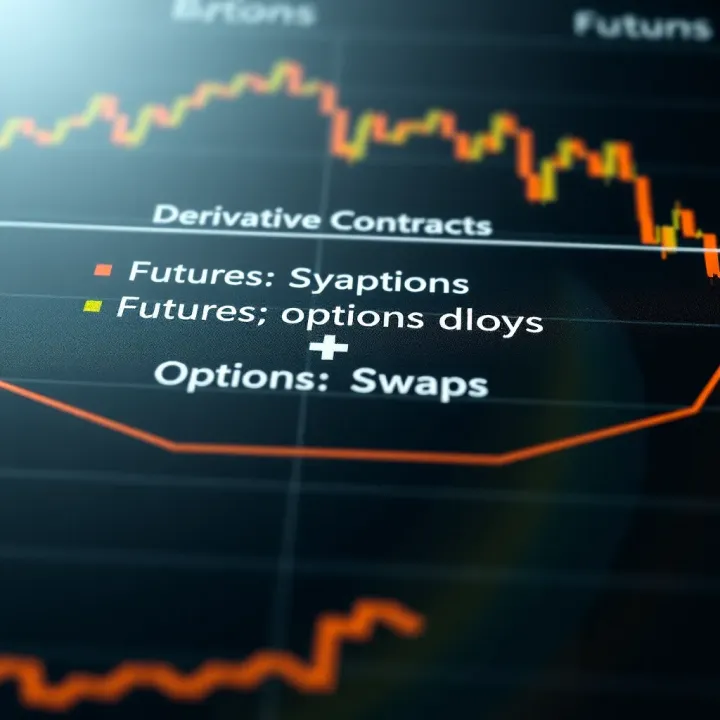
Understanding Derivative Trading in Kenya
Explore derivative trading in Kenya 📈 Learn types, risks, rewards & how to use these tools for smart investing, hedging, and managing portfolios wisely.
Edited By
Benjamin Clarke
Forex trading involves buying and selling currencies to profit from their price changes. It operates 24 hours daily across different global markets, making it accessible to individual traders and investors worldwide.
For many Kenyan traders, understanding forex trading can seem daunting at first. PDF guides offer a practical way to grasp the essentials without the need for constant internet connection or costly courses. These digital books provide comprehensive, easy-to-follow explanations on forex concepts, market terminology, trading strategies, and risk management.

One clear advantage of using PDF guides is convenience. You can download them on your phone, tablet, or computer and study at your own pace. This flexibility suits Kenyans juggling jobs, businesses, or studies alongside trading ambitions.
Basics of forex markets: How currency pairs work, market hours, types of traders.
Technical analysis: Using charts, indicators, and patterns to predict price movements.
Fundamental analysis: Evaluating economic indicators like interest rates, inflation, and political events.
Risk management: Setting stop-loss orders, managing leverage, and controlling emotional trades.
"A well-structured PDF guide can act as your reliable trading companion, especially when starting out or revisiting complex concepts."
PDF guides also often include practical examples tailored to different markets, sometimes featuring African or Kenyan case studies. This local context helps traders relate better to how global forex dynamics might impact the Kenyan shilling or regional currencies.
To get the most from these guides, Kenyan traders should select materials from recognised authors, forex educators, or brokers with solid reputations. Cross-check information with official platforms like the Capital Markets Authority (CMA) Kenya or trusted forex communities.
In short, PDF guides simplify forex learning, offering structured content with in-depth analysis. They empower Kenyan traders with knowledge to enter the market confidently, avoid common pitfalls, and develop effective strategies suited to their lifestyle and financial goals.
Understanding the basics of forex trading is essential for anyone considering entering this dynamic market. Forex, or foreign exchange, involves buying and selling currencies to make profits from their fluctuating values. For Kenyan traders, getting a firm grasp of this market can open up new earning opportunities beyond traditional investments like stocks or real estate.
One key reason why an introduction to forex trading matters is that the currency market operates 24 hours a day, five days a week, allowing flexibility in trading hours that suits different lifestyles. Additionally, understanding forex sets the foundation for managing risks and making informed decisions rather than relying on guesswork or hearsay.
Forex trading revolves around exchanging one currency for another, often in pairs such as USD/KES or EUR/USD. The price for one currency relative to another constantly changes based on factors like economic reports, political events, and market sentiment. For example, if the Kenyan shilling weakens against the US dollar, a trader expecting this shift may sell KES to buy USD and profit when the exchange rate moves as predicted.
Understanding how currencies are priced and how market forces affect these rates is practical knowledge. It enables traders to spot potential profit opportunities or threats and avoid losses through careful analysis.
The forex market is hugely diverse, including banks, governments, corporations, investors, brokers, and individual traders. Central banks like the Central Bank of Kenya often intervene to stabilise the shilling. Commercial companies use forex markets to hedge against currency risk when trading internationally. Retail traders in Kenya can participate online via brokers such as XM or HotForex, accessing global currency pairs.
Knowing who the market players are helps traders understand market moves better. For instance, a sudden increase in USD demand from importers or foreign investors might influence prices differently compared to speculative retail trading.
Forex trading offers the chance to earn profits from even small currency movements thanks to leverage facilities provided by brokers. However, this potential goes hand in hand with significant risk as losses can mount quickly if trades go wrong. For example, a sharp political event or unexpected economic data can cause volatile price swings.
Recognising these risks is practical for developing strategies that protect your investment rather than risking all capital on high-leverage bets.
Jumping into forex without adequate knowledge is like walking into a matatu stage blindfolded — it’s risky and likely to lead to losses. Studying forex concepts, market mechanisms, and trading strategies through reliable guides such as PDF tutorials prepares traders to handle market swings and execute trades sensibly.
Forex trading without education is gambling. Building knowledge lowers risk and improves chances for consistent success.
Kenyan traders who invest time in learning before trading tend to avoid common pitfalls and build solid trading habits. Hence, starting with an introduction through clear PDFs is an invaluable step towards profitable trading.
Learning forex trading through PDFs has become a practical method, especially for Kenyan traders who may not always access formal classroom settings. Forex book PDFs bring together essential concepts and strategies in one place, making it easier to revisit important points whenever you want. This method suits busy individuals juggling other commitments, offering a chance to learn over weekends or during quiet moments.

One major advantage of forex PDFs is their accessibility. You can download these guides on your phone, tablet, or computer, then study whether you’re in a Nairobi matatu, at home in Kisumu, or even during downtime at work. Unlike video tutorials needing constant internet, PDFs can be saved offline, meaning learning doesn’t stop due to limited data or patchy connections common in some Kenyan regions.
Moreover, forex PDFs often come from reputable sources like licensed brokers or forex education hubs, ensuring trustworthy content. You can carry these e-books around without physical weight or risk of losing them, unlike printed versions.
Forex trading involves multiple layers of understanding—from basic currency pairs to advanced techniques. PDFs organise these topics logically, allowing you to start from the fundamentals and gradually move to more complex ideas. This structure helps prevent overload and makes it easier to track progress.
For example, you might spend a few days grasping candlestick chart patterns, then move on to indicators like moving averages at your own rhythm. This flexible pace matters because forex markets are fast-moving, but mastering the concepts takes time. You won’t be pressured by a class schedule; instead, you review tricky sections until you feel confident.
Technical analysis is the study of past price movements to predict future trends. Most forex PDFs cover essential tools like support and resistance levels, trend lines, and chart patterns. For instance, understanding how a head and shoulders pattern signals potential reversal can help avoid wrong trades.
This knowledge allows traders to make informed decisions based on price action rather than guesses. Kenyan traders applying these tools can better analyse currency pairs like USD/KES or EUR/USD, adapting strategies to local market dynamics.
This aspect explores how economic indicators, political events, and central bank decisions affect currency values. Forex PDFs explain key reports such as US Non-Farm Payrolls or Kenya’s inflation rate, helping you understand their impact on forex markets.
By knowing fundamental drivers, you can anticipate shifts better—say, when the Central Bank of Kenya adjusts base lending rates. This information allows traders to position themselves ahead of major moves instead of reacting late.
Effective risk management is critical to protect your capital. Forex PDFs teach methods like setting stop-loss orders, determining position size relative to account balance, and diversifying trades.
For example, many recommend risking no more than 1-2% of your trading account on a single trade. Applying these principles helps Kenyan traders avoid wiping out accounts during volatile forex sessions or unexpected market swings.
Forex trading isn't just about charts and numbers; mastering your emotions also plays a role. PDFs often include sections on managing fear, greed, and overtrading tendencies.
Recognising psychological traps enables traders to stick to their plan, avoiding impulsive decisions caused by excitement or panic. This mental strength is essential whether you're trading from Nairobi or a small town where resources or peer support might be limited.
Getting a solid foundation through forex book PDFs equips you with practical skills, helping you trade smarter and more confidently in Kenya’s evolving forex market.
Locating trustworthy PDFs on forex trading is vital for anyone serious about learning the market dynamics without falling into misinformation traps. Not all forex guides are created equal; some may offer outdated strategies or even misleading tips, which can be costly for traders. Relying on verified and credible sources helps Kenyan traders, investors, and brokers build a solid foundation and avoid losses that come from poor knowledge.
Official forex broker websites often provide free educational resources including PDFs. These brokers, typically regulated entities, want to ensure their clients understand the basics before trading with real money. For instance, brokers licensed by the Capital Markets Authority (CMA) in Kenya usually share updated guides on trading platforms, risk management, and market analysis. Accessing materials directly from such brokers offers practical relevance since the content aligns closely with their trading platforms and tools.
Established forex education platforms specialise in creating comprehensive learning materials. Platforms like BabyPips or Investopedia, known globally, offer downloadable PDFs that cover technical and fundamental analysis as well as trading psychology. Many Kenyan traders benefit from using these materials alongside local broker guides. These platforms often update their content in tandem with market changes, which keeps traders well-informed about evolving trends.
Kenyan trading communities and forums provide unique access to forex PDFs tailored for local market conditions and regulatory environments. Groups active on platforms like Facebook or Telegram often share resources vetted by experienced traders. For example, Kenyan groups might circulate PDFs explaining how to use M-Pesa for funding forex accounts or parsing through Central Bank of Kenya policies affecting forex trading. These communities offer networking benefits alongside resources, allowing learners to discuss practical challenges.
Checking author credentials is essential when choosing forex PDFs. Look for guides written by recognised forex educators or licensed analysts familiar with Kenyan market specifics. Authors with a solid track record, published books, or verified social media profiles typically provide more reliable insights. For instance, a Kenyan author who has worked with CMA-regulated firms or runs training workshops adds credibility that anonymous or generic PDFs lack.
Cross-referencing multiple sources helps weed out incorrect or biased information. Don’t rely solely on one PDF or author. Instead, compare concepts, strategies, and definitions across multiple guides. This broad perspective flags inconsistencies and highlights consensus ideas, enhancing your understanding. For example, if two or three separate sources emphasise a particular risk management technique, it is likely trustworthy. Regularly revisiting information from brokers, education platforms, and peer groups reduces chances of falling for scams or outdated advice.
Always be cautious when downloading forex PDFs from unknown websites; fake guides can carry malware or promote risky trading schemes. Stick to verified platforms and community recommendations.
Finding genuine forex book PDFs is the first step towards confident trading. Kenyan traders benefit greatly when armed with accurate, timely, and practical information tailored to their market environment.
Reading forex trading PDFs is the first step, but putting that knowledge into practice is what builds skill and confidence. Applying what you learn helps bridge the gap between theory and real-market action. For Kenyan traders, this means using practical tools and methods that minimise risk while gaining experience.
Starting with a demo trading account lets you test strategies without losing actual money. It simulates live market conditions using virtual funds, so you can learn to navigate forex platforms, execute trades, and understand price movements safely. For instance, if you read about candlestick patterns in a PDF guide, a demo account allows you to recognise and act on these patterns without financial pressure.
Using a demo account also builds necessary habits like timing entry and exit points. Kenyan beginners often skip this step and jump straight into live trading, which can lead to costly mistakes. Instead, practising with a demo account helps make informed decisions and develop confidence before risking real funds.
Many brokers offer demo accounts suited to Kenyan traders. Notable platforms include MetaTrader 4 (MT4) and MetaTrader 5 (MT5), widely used because of their user-friendly interfaces and analysis tools. Safaricom-supported brokers like FXPesa also provide demo accounts accessible via mobile phones, matching the local preference for mobile trading.
Choosing a platform that offers Kenyan Shilling pricing or integrates M-Pesa payment options can make the transition to live accounts smoother. Familiarising yourself with these platforms on demo mode increases your readiness for live trades.
Forex PDFs offer strategies ranging from technical indicators to fundamental analysis. Developing a trading plan means selecting a few strategies that suit your style and practising them diligently. For example, if a PDF explains the Moving Average Convergence Divergence (MACD) indicator, your plan might include entering trades when MACD lines cross, combined with stop-loss rules.
The clarity of applying well-defined tactics from PDFs transforms vague knowledge into routine practice. This also helps Kenyan traders avoid chasing quick profits without structure, which often leads to losses.
Building consistency means following your trading plan strictly, whether you’re making profits or not. Discipline reduces emotional decisions, such as impulsive buying driven by market rumours common in Kenyan social circles. It ensures you stick to risk limits and log your trades properly.
Sticking to a plan over weeks or months allows you to evaluate its effectiveness objectively rather than reacting to short-term market swings. This mindset helps overcome the temptation of ‘doubling up’ after losses, a common mistake.
Risk control is vital for longevity in forex trading. PDFs teach techniques like setting stop-loss orders, limiting trade size, and diversifying currency pairs. Kenyan traders should aim to risk only 1-2% of their capital per trade, avoiding the temptation to overbet on a single position.
Using stop-loss means you automatically exit a position at a predefined level if the market moves against you, protecting your capital from large unexpected downswings.
Keeping detailed records of every trade — including entry and exit points, reasons for the trade, and outcomes — helps identify patterns and mistakes. By reviewing this data regularly, you can adapt strategies and improve decision-making.
Simple spreadsheets or trading journals work well and can be maintained alongside mobile apps popular in Kenya, helping you track progress even while on the move. This habit turns trading into a learning process, rather than just guesswork.
Practice, patience, and careful record-keeping transform theory from PDFs into profitable forex trading skills. With demo accounts, clear plans, and risk controls, Kenyan traders can navigate the forex markets more confidently and sustainably.
Forex book PDFs are valuable resources that can shape your trading journey if you use them well. They offer solid theoretical grounding and step-by-step guidance, but they make the most impact when balanced with real-world experience. For example, reading about risk management techniques in a PDF is helpful, but practising those techniques in a demo account cements your skills. Kenyan traders who combine study with hands-on practice tend to build confidence faster and avoid costly mistakes.
The continual learning approach means never settling for what you know already. Forex markets constantly change due to global events, economic shifts, and local factors. That’s why keeping your learning process active helps you stay sharp. For instance, after mastering fundamental analysis through PDFs, you might want to explore advanced topics like algorithmic trading or new charting tools. This ongoing study keeps your knowledge fresh and relevant.
Seeking local mentorship and networking can significantly boost your learning curve. Connecting with experienced traders in Nairobi or Mombasa, or joining Kenyan trading forums, gives you insights that PDFs might not cover. You get to hear real stories about challenges faced and solutions found. This local context is especially useful since Kenyan forex traders often navigate specific challenges like currency fluctuations or regulatory updates from the Capital Markets Authority (CMA).
Following market news daily keeps you in touch with events that influence currency prices. Sources such as Bloomberg, Reuters, or local business news help you track developments like changes in US interest rates or East African Community (EAC) trade agreements. Being aware of these shifts allows you to anticipate market volatility better and spot opportunities before others.
Adapting strategies as needed is key since a tactic that works today may fail tomorrow. For example, a breakout trading strategy may succeed during high volatility but struggle in calmer markets. By regularly reviewing your approach against current trends and testing adjustments using a demo account, you keep your trading sharp. This flexibility is one trait that separates successful traders from those who lose consistently.
The right mindset combines steady study of PDF guides with active trading practice, local networking, and market awareness — making your forex journey both informed and practical.
Embracing these practices lets you maximise what forex book PDFs offer and navigate the markets with greater confidence and skill.
Explore derivative trading in Kenya 📈 Learn types, risks, rewards & how to use these tools for smart investing, hedging, and managing portfolios wisely.

📈 Discover how Kenyan investors can benefit from copy trading! Learn to follow top traders, understand risks, and pick the right platforms easily.
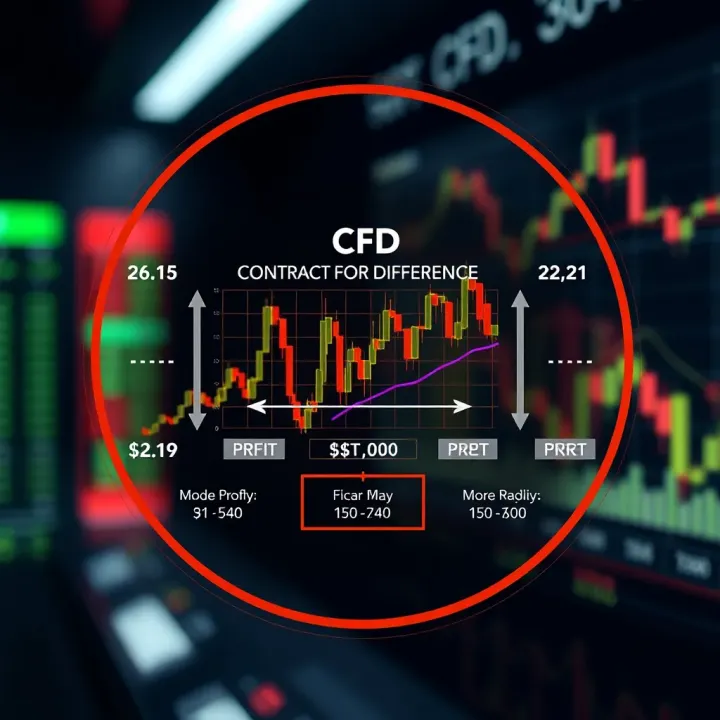
📈 Explore CFD trading basics for Kenyan traders, learn strategies, understand risks, and navigate local regulations to trade smartly.

📊 Learn key candlestick types, their features, and how traders in Kenya use them to spot market trends and improve trading decisions confidently.
Based on 12 reviews