

Forex Trading PDF for Beginners in Kenya
📘 Learn forex trading basics with this practical PDF guide for beginners in Kenya. Discover effective strategies, risk management, and trusted platforms to start trading confidently.
Edited By
Isabella Hughes
Starting forex trading in Kenya can seem overwhelming at first, but with the right information, you can navigate the market confidently. Forex trading involves buying and selling currencies in pairs, aiming to profit from changes in exchange rates. For example, trading the USD/KES pair means speculating on whether the US dollar will strengthen or weaken compared to the Kenyan shilling.
The forex market operates 24 hours a day, five days a week, making it accessible even after normal business hours. This flexibility suits Kenyans who may trade part-time alongside other jobs or businesses. Popular currency pairs include major ones like EUR/USD, GBP/USD, and regional pairs such as USD/KES.

Getting started requires a few key steps:
Choose a reliable broker: Look for brokers regulated by recognised bodies like the Capital Markets Authority (CMA) to ensure your funds are safe.
Open a trading account: This usually involves submitting identification and proof of residence through platforms like eCitizen or directly on the broker’s website.
Learn about trading platforms: MetaTrader 4 and MetaTrader 5 are widely used in Kenya and offer tools for charting, technical analysis, and order execution.
Risk management is vital. Many beginners lose money by trading without limits. Set stop-loss orders to automatically close a trade at a certain loss level, and never trade more than you can afford to lose. Starting with a demo account can help you practise without risking real money.
Consistent success in forex trading is built on discipline, research, and careful management of your capital.
Useful tools include economic calendars highlighting key events like Central Bank of Kenya (CBK) rate decisions or US Federal Reserve announcements, which often impact currency movements. Understanding these events can help you make informed trades.
By combining practical steps with continuous learning—such as reading educational PDFs tailored for Kenyan traders—you position yourself to trade forex effectively. This guide will walk you through everything from basic concepts to advanced strategies, helping you gain a clear grasp of currency markets and how to operate within them.
Understanding forex trading basics is the first step for anyone wanting to venture into currency trading in Kenya. This knowledge helps you grasp how currency markets operate and why prices fluctuate, which is vital before risking any capital. For example, knowing what currency pairs mean can prevent you from blindly trading without understanding whether you’re buying or selling a particular currency.
Forex trading refers to the buying and selling of currencies on the foreign exchange market. Each trade involves a currency pair, such as USD/KES, where you buy one currency while selling the other. Knowing these pairs helps traders make decisions based on how they expect one currency to perform against another.
The forex market is the world’s largest financial market, operating 24 hours a day on weekdays. Trades happen in real time as currencies respond to economic news, political events, and market sentiment. Unlike stock markets, forex trading requires no central exchange, instead happening electronically through banks and brokers.
Key participants include central banks, commercial banks, financial institutions, corporations conducting international trade, and retail traders in Kenya who access the market through brokers. Central banks might intervene to stabilise their currency, while large banks facilitate the bulk of transactions. Retail traders, though smaller in size, play an increasing role thanks to technology.
Accessibility is a major draw for Kenyan traders. Platforms that allow deposit and withdrawal through M-Pesa, the ubiquitous mobile money service, make it simple for most Kenyans to engage in forex without needing bank accounts or credit cards. This convenience lowers entry barriers compared to other investments.
Trading hours also appeal because the forex market operates outside regular Kenyan business hours. You can trade early before your workday starts or late in the evening, suiting individuals who need flexible schedules to fit trading around their daily hustle.
Additionally, there are opportunities in regional currencies such as KSh (Kenyan Shilling), Tanzanian Shilling, and Ugandan Shilling. Traders can gain from fluctuations driven by East Africa’s economic trends, cross-border trade, and political developments — insights that local traders are often better positioned to understand.
Understanding the basics of forex trading equips you with the tools to make informed decisions rather than relying on luck. With Kenya-specific advantages like M-Pesa integration and regional knowledge, it can be a practical way to engage with global markets.
By grasping these fundamental points, beginners can approach forex trading with confidence and a clearer picture of the opportunities and risks involved.

Starting forex trading in Kenya requires careful preparation, especially because it involves real money and market risks. This section covers the essentials to help you make informed decisions right from the start. Understanding how to choose the right broker, familiarise with key trading platforms, and access helpful learning resources can boost your chances of success.
Kenya’s forex market operates under the watch of the Capital Markets Authority (CMA), which regulates brokers to protect traders. Choosing a CMA-licensed broker means your funds are safer and the broker abides by local laws. For example, CMA regulation requires brokers to keep client funds in segregated accounts, which adds a layer of security.
Popular brokers among Kenyan traders include HotForex, XM, and Pepperstone. These firms offer easy account setup, accept KSh deposits, and provide decent local customer support. Their presence also means you’re less likely to fall into scams, a concern in the unregulated space where some firms disappear with client money.
One major advantage for Kenyan traders is that many brokers accept M-Pesa for funding accounts. You can deposit KSh directly via M-Pesa without going through complicated bank transfers. For example, HotForex allows instant M-Pesa payments which help quick-start your trading without unnecessary delays.
Most Kenyan traders use popular platforms like MetaTrader 4 or MetaTrader 5, known as MT4/MT5, or cTrader. These apps offer charting tools, technical indicators, and order execution features all in one place. MT4, for instance, is user-friendly and widely supported by brokers, making it ideal for beginners. Using these platforms helps you analyse market trends efficiently and execute trades swiftly.
Apart from platforms, traders benefit greatly from educational PDFs available freely and for purchase. These documents break down complex trading concepts into manageable lessons and often include tips relevant to local trading conditions. By studying materials from brokers or reputable forex educators, you improve your understanding without resembling trial-and-error experiments on live accounts.
To build your skills confidently, demo accounts offer a risk-free practice environment. For example, you can get a virtual balance and test out strategies on MT5 without risking KSh. Practising on demo accounts also helps you familiarise with the platform’s interface, understand order placement, and develop discipline before using real money.
Selecting the right broker and mastering key tools is like laying a solid foundation for a house — without it, everything else risks collapse. Focus on using regulated platforms, mobile-friendly deposit solutions like M-Pesa, and build skills patiently through practice.
These steps ensure your start in forex trading is informed, practical, and safer within Kenya’s trading environment.
Forex trading isn’t just about guessing which way a currency will move; it requires clear strategies to navigate the market effectively. For beginners in Kenya, understanding key trading strategies can mean the difference between steady gains and avoidable losses. This section covers fundamental and technical analysis along with practical risk management techniques, providing a solid foundation for making informed decisions.
Understanding economic indicators is vital for spotting market trends. Indicators like Kenya’s inflation rate, interest rate decisions by the Central Bank of Kenya (CBK), and employment figures impact currency strength. For example, if CBK raises interest rates, the Kenyan Shilling might strengthen, affecting forex pairs involving KES. Monitoring such releases helps traders anticipate moves and adjust positions accordingly.
Moving over to basic chart patterns and trend analysis, these are visual tools that show how prices behave over time. Patterns such as ‘head and shoulders’, ‘double tops’, or ‘triangles’ reveal potential trend reversals or continuations. A trader spotting a ‘double bottom’ can guess that the currency might bounce back up. Kenyan traders often use charts on MetaTrader platform to spot such patterns before placing a trade.
Using indicators like RSI (Relative Strength Index) and moving averages simplifies decision-making. RSI shows whether a currency pair is overbought or oversold, signalling possible price reversals, while moving averages smooth out price data to highlight trends. For instance, a 50-day moving average crossing above a 200-day moving average can indicate a bullish trend. These indicators help beginners avoid impulsive trades and stick to clearer signals.
Setting stop-loss and take-profit levels is about protecting your money. A stop-loss automatically closes a trade at a set loss to stop bigger damage, while a take-profit locks in gains once a target price is hit. Suppose you buy USD/KES at 110.00 expecting it to rise to 112.00; you might place a stop-loss at 109.50 to limit loss if the market goes against you.
Managing trade sizes with leverage also demands care. Leverage lets you control a larger position than your capital, but it magnifies both profits and losses. Kenyan brokers often offer leverage ratios like 1:100. If you risk too much leverage on one trade, a small move can wipe out your account. Start small, use minimum leverage, and grow as you gain confidence.
The importance of trading plans and discipline cannot be overemphasised. A trading plan outlines entry, exit, and risk levels based on research and personal goals. Without discipline to stick to this plan, emotions like fear or greed take over, leading to poor decisions. Keeping a trading journal helps track mistakes and successes, encouraging continuous improvement.
Mastering these strategies gives Kenyan traders the tools to approach forex with confidence, balancing opportunity with caution.
Forex trading in Kenya, while promising, poses several challenges that beginners must recognise early. Knowing these hurdles helps traders protect their investments and build skills sustainably. Issues like scams, emotional stress, and unrealistic expectations can easily derail even the most promising efforts. This section highlights key pitfalls and offers practical ways to avoid them.
Scams in forex often lure traders with promises of quick, guaranteed profits or use aggressive sales tactics. Common red flags include unsolicited calls or messages urging urgent deposits, unusually high leverage offers without proper warnings, or brokers refusing to provide transparent information on fees and regulation. For example, a broker claiming to generate consistent daily returns of 10% is likely unrealistic and should raise suspicion.
To verify broker legitimacy, Kenyan traders should check registration with the Capital Markets Authority (CMA), the main regulator of forex brokers in Kenya. CMA-licensed brokers comply with safeguards designed to protect clients’ funds and data. This registry is publicly accessible and an essential tool to avoid unregulated or fake brokers. Opting for a CMA-approved platform reduces risk significantly.
When trading online, safety goes beyond broker legitimacy. Avoid sharing passwords or PINs, use strong passwords for accounts, and enable two-factor authentication where possible. Trading through secure internet connections, rather than public Wi-Fi, also helps prevent hacking. For instance, some traders have lost money when accessing accounts using unsafe networks in cafes or matatu stages.
Losses are part of forex trading, and handling them calmly is vital. Emotional reactions like frustration or panic can cause rash decisions, such as increasing trade size in desperation or abandoning stop-loss rules. One Kenyan trader shared how losing KSh 50,000 initially made him trade recklessly, which deepened losses. A better approach is to accept losses as learning moments and stick to a predefined plan.
Patience and realistic expectations protect traders from disappointment. Forex trading is not a quick fix to becoming wealthy. It takes time to develop skills and a steady edge. Expecting too much too soon leads to frustration and poor choices. Setting small, achievable goals—like mastering chart reading or maintaining discipline—can keep motivation healthy and focused.
Keeping a trading journal helps manage emotions and improve technique. Writing down each trade’s reasons, entry and exit points, and emotional state can reveal patterns over time. Through this, traders spot mistakes and avoid repeating them. For example, noting that most losses happen after following tips from unreliable sources will encourage relying on personal analysis.
Staying alert to challenges and actively addressing them boosts your chances for sustainable success in forex trading. Awareness of scams and emotional discipline are tools every Kenyan trader should carry in their kit.
Forex trading PDFs are handy resources that let you study crucial concepts, strategies, and market insights at your own pace. They offer detailed explanations and practical examples, helping you build a strong foundation before risking real money. For Kenyan traders, especially beginners, these PDFs are valuable because they are easily accessible through mobile devices and can be reviewed offline, perfect for learning during your daily commute or quiet moments at home.
Trusted websites and forums serve as starting points for many traders seeking quality learning materials. Reputable trading sites, forums like BabyPips, and local forex communities often share well-curated PDFs covering basics to advanced strategies. Since the forex market is flooded with misinformation, sticking to trustworthy platforms reduces the risk of falling for misleading guides. When downloading PDFs, always check user reviews and author credentials to confirm reliability.
Broker-provided educational materials are another solid source. Most regulated forex brokers operating in Kenya, such as HotForex or FXPesa, offer free learning resources directly on their websites. These materials are usually tailored to help new traders understand the broker’s platform, trading tools, and market analysis methods. Using broker PDFs can be practical because they often include step-by-step instructions on account setup and platform navigation, making it easier to transition from learning to actual trading.
Local training centres and online courses also produce useful forex PDFs. Centres in Nairobi or online platforms like Udemy sometimes provide course materials as supplementary PDFs, designed to complement live or video lessons. For Kenyan traders, enrolling in these programs can deepen understanding through structured content and interactions with instructors. Local centres often contextualise the content to East African currencies and market conditions, which is a direct benefit over generic international guides.
Setting study schedules helps maintain consistent progress. Choose specific times each day or week to review different sections of your PDFs. Treat these like school lessons; for example, dedicate Mondays for learning technical analysis and Wednesdays for risk management. Consistency ensures information sinks in and you stay motivated, rather than cramming all at once and risking confusion.
Combining theory with demo trading is essential for practical learning. After studying a topic such as chart patterns from your PDF, apply what you’ve learned on a forex demo account. This hands-on approach helps cement concepts and familiarises you with real-time market movement without risking actual cash. For instance, if you read about support and resistance levels, try to identify and trade these on a demo platform to see how they influence price action.
Reviewing updated materials regularly keeps your knowledge current. Forex markets evolve, influenced by economic changes, new regulations, or trading technologies. Make it a habit to revisit PDFs from credible sources every few months, or check for newsletters from brokers and forex communities that share the latest updates. Staying informed ensures your trading decisions are based on relevant data, not outdated information.
Effective use of forex trading PDFs combines focused study, practical application, and regular updates to build confident, informed traders ready to navigate the Kenyan forex market.
By integrating reliable PDFs into your learning routine, you pave the way for smarter trading decisions and better management of risks associated with forex trading in Kenya.
📘 Learn forex trading basics with this practical PDF guide for beginners in Kenya. Discover effective strategies, risk management, and trusted platforms to start trading confidently.
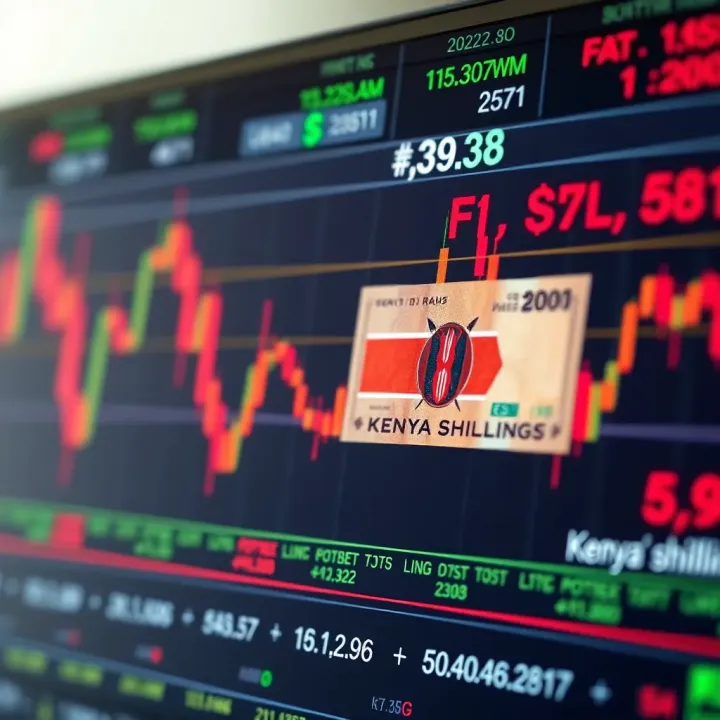
Discover how to trade forex online in Kenya with practical tips on opening accounts, using M-Pesa, managing risk, and avoiding common mistakes 📈💻💸

📈 Learn common forex trading patterns Kenyan traders use to boost their decisions. Download clear PDF guides with pattern charts for confident market analysis.

Explore key insights into binary forex trading📈 for Kenyan traders, learn risk management, strategies, regulations, and avoid common mistakes.🇰🇪
Based on 13 reviews