
Understanding Forex Trading for Kenyan Investors
Interested in forex trading? Learn how currency exchange works, key strategies, risks, and tips tailored for Kenyan investors to trade smartly 💱📈.
Edited By
Edward Greene
Forex bots are computer programs that execute trades in the foreign exchange (forex) market automatically. They analyse currency price movements, identify trading opportunities according to set rules, and place buy or sell orders without the need for manual intervention. This automation helps traders avoid emotional decisions and be active in the market even when they are away from the screen.
Most forex bots operate using algorithms based on technical indicators, moving averages or price action. For example, a bot might be programmed to buy the US dollar against the euro if the 50-day moving average crosses above the 200-day moving average, signalling a potential upward trend. These rules can be simple or complex depending on the bot’s design.
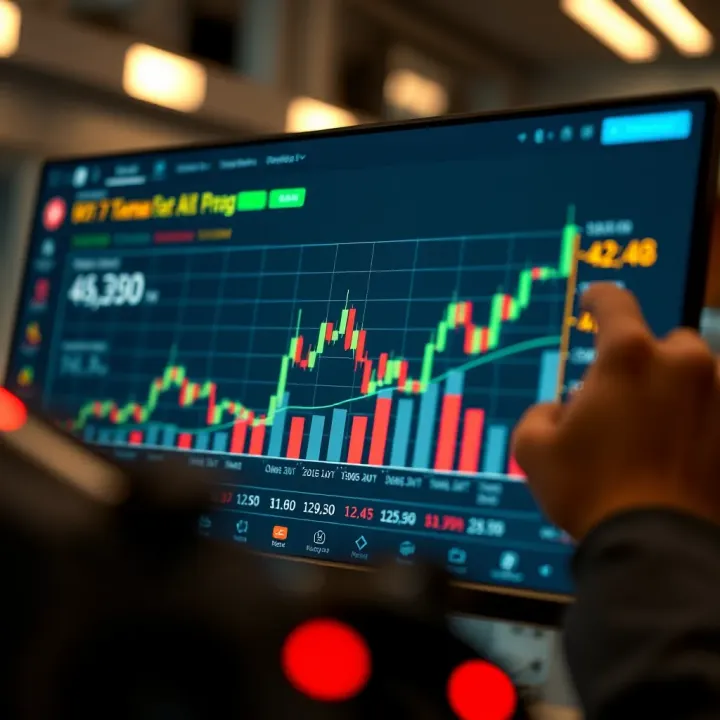
Automated forex trading can speed up decision-making and allow for execution at the perfect moment, which is often difficult manually due to market volatility.
Users benefit from forex bots by gaining consistency and round-the-clock market monitoring. This can be especially useful for Kenyan traders who may have day jobs or other commitments but still want to participate actively in currency trading. However, success depends heavily on programming quality and strategy effectiveness.
They reduce human error and emotional trading
They operate nonstop, responding instantly to market changes
They require regular monitoring and adjustment to remain effective
In the Kenyan context, integrating forex bots with mobile platforms like M-Pesa or local brokerage systems is becoming more common, making it easier for traders to fund accounts and manage trades remotely.
Understanding how forex bots work and their limitations is crucial before relying on them fully. Not every bot suits every trading style or market condition, so careful selection and testing are vital to avoid costly mistakes.
This article will explore these aspects in detail, aiming to equip Kenyan traders and financial professionals with solid knowledge on how to use forex bots effectively in their trading strategies.
Understanding what a forex bot is and how it operates is fundamental for anyone involved in currency trading. A forex bot is a software program designed to automate trading decisions by analysing market data and executing trades without manual intervention. This technology helps traders to act quickly on opportunities and maintain consistent strategies even during long trading hours.
Algorithmic trading involves using computer algorithms to execute trades based on pre-set rules. In forex trading, these algorithms assess currency price movements, trends, and patterns to decide when to buy or sell. Algorithmic trading removes the emotional bias human traders often experience, helping to keep decisions logical and data-driven. For example, a bot might trigger a trade once the Kenyan shilling reaches a certain exchange rate against the US dollar.
Manual trading, on the other hand, requires the trader to analyse charts, news, and indicators before placing trades manually. This process can be slower and prone to errors due to fatigue or emotional stress. Automated trading with a forex bot eliminates such delays and fatigue, allowing round-the-clock operation. However, bots do depend on the quality of their programming and data inputs.
Rule-based bots follow strict, predefined criteria. They operate on simple "if-then" guidelines—if the price hits a certain level, execute a buy or sell order. These bots work well for clear, straightforward strategies but might struggle during unusual market activity. For example, a rule-based bot might continuously sell if the price drops below a historical support level.
Machine learning bots use data from past trades to adapt and improve their strategies over time. These bots can detect subtle patterns invisible to human traders and adjust decisions accordingly. However, they require large datasets and powerful computing to function effectively. Kenyan traders venturing into machine learning bots should ensure reputable suppliers and understand the underlying models.
Signal-based bots act on alerts from external sources or analytic services. Instead of analysing the market themselves, they follow signals such as buy/sell recommendations from trusted providers. This type can be useful for traders who prefer a hands-off approach but still want some human guidance.
Forex bots integrate directly with popular trading platforms like MetaTrader 4 and MetaTrader 5, which are widely used in Kenya. This integration allows bots to receive live market feeds and send trade orders instantly. Being connected to these platforms means traders can monitor bot activity via mobile or desktop.
Bots use technical indicators such as Moving Averages, Relative Strength Index (RSI), and Bollinger Bands to spot potential trade opportunities. For instance, a bot might enter a trade when the RSI indicates an overbought condition, expecting a price reversal. These tools help ensure that bot decisions are based on established market signals, not guesswork.
Finally, trade entry and exit mechanisms control when a bot opens or closes positions. These rules might include stop-loss limits to reduce losses, take-profit levels to secure gains, or trailing stops to follow profitable trends. Proper configuration of these settings is vital for managing risk and optimising returns.
Automated forex trading offers speed and discipline, but success depends on understanding how bots work and configuring them to suit one’s trading goals.
In short, knowing what a forex bot does and how it interacts with trading platforms, market data, and strategy rules can help traders use this technology effectively while staying in control of their investment decisions.
Forex bots bring real benefits to currency trading, especially for those looking to reduce manual workload and improve efficiency. They automate many repetitive tasks, offering precise and timely actions without emotional interference. This section breaks down these advantages, focusing on how they matter to Kenyan traders and the general trading community.
Reducing human error is one of the biggest reasons traders adopt forex bots. When manually trading, even a skilled trader can slip up — a lot size, miss a stop-loss placement, or act on impulse after a sudden market move. Bots follow strict algorithms without fatigue or distraction. For instance, a trader using a bot does not worry about missing trades overnight, when human alertness naturally drops. This constant vigilance helps catch opportunities and limits losses more reliably than manual tracking, especially in volatile currency markets.
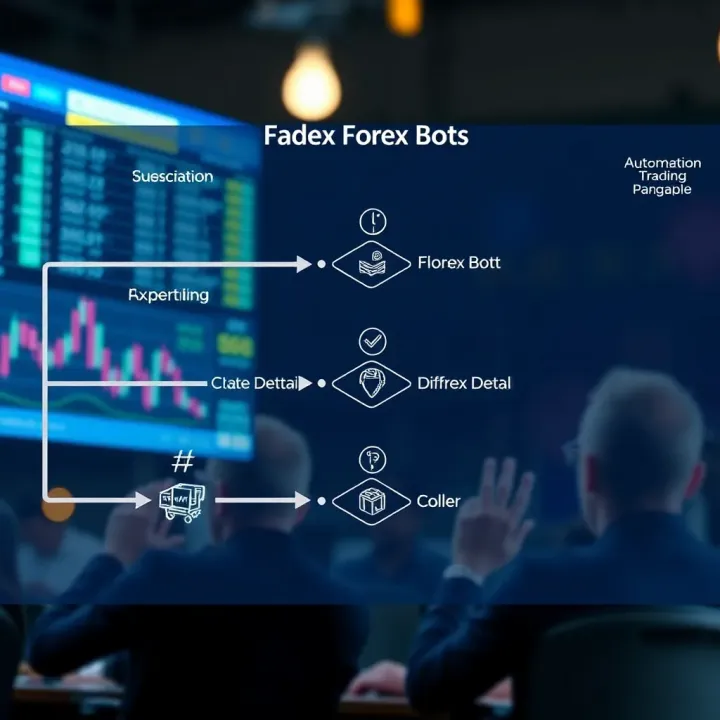
Maintaining discipline in trading is a real challenge for many. Emotional responses, like fear and greed, often sway decisions, causing irrational moves such as holding losing positions too long or jumping into trades without proper analysis. Bots enforce strategy discipline by sticking to preset rules, no matter the market mood. Kenyan traders, navigating long trading days around other commitments like work or family, benefit from this hands-off approach. The bot maintains consistency, reduces emotional fatigue, and prevents costly impulsive trades.
Instant order execution is critical in forex, where prices change every second. A bot executes trades immediately once its conditions are met, often faster than even the most alert human can react. For example, during a rapid drop in the USD/KES rate, a bot can close a position or enter a new one in milliseconds, potentially saving or making money that might otherwise be missed. This speed makes bots particularly useful in fast-moving markets or news-driven volatility.
Handling multiple currency pairs simultaneously is another significant advantage. Manually watching several pairs like EUR/USD, GBP/USD, and USD/KES requires intense focus and split-second decisions. A forex bot can monitor and trade across various pairs simultaneously, executing according to its programmed strategy without confusion. For a Kenyan trader interested in several currency pairs or regional markets, this boosts the chance to capitalise on diverse opportunities without overstretching attention or resources.
Managing trades across time zones is a practical concern. Forex markets operate 24 hours globally, but Kenyan traders have daily routines and commitments. A bot can monitor markets even when traders are asleep or busy with other tasks. For example, it can react to Asian or European market openings while a trader in Nairobi rests, ensuring no opportunity is lost because of time differences.
Adapting to local internet and power conditions is a practical challenge for many in Kenya. Stable electricity and high-speed internet aren’t guaranteed everywhere, which can disrupt manual trading. Forex bots, often hosted on cloud servers or VPS (Virtual Private Servers), continue to operate uninterrupted despite local power outages or slow internet at the trader’s home. This setup allows Kenyan traders in towns with inconsistent infrastructure to maintain continuous market access without needing to keep their own computers running 24/7.
Forex bots streamline trading by removing emotional biases and fatigue, speeding up trade execution, and fitting into Kenyan traders' busy lifestyles and infrastructural realities.
These advantages make forex bots a useful tool for traders wanting to improve consistency, handle more complex trading portfolios, and manage markets beyond local time and infrastructural limits.
Using forex bots can simplify currency trading but comes with risks that Kenyan traders must understand. Automated systems are based on algorithms and historical data, so unexpected market shifts often catch them off guard. Recognising these limits helps traders avoid heavy losses and use bots more effectively.
Forex bots rely mainly on technical analysis, which means sudden news events—like political upheavals or central bank announcements—can disrupt their strategies. For instance, if the Central Bank releases an unexpected policy change, bots might continue trading as if the market were stable, leading to losses. Such events cause sharp price swings traders call "volatility spikes," and bots often fail to adapt quickly enough.
Markets can behave erratically, especially during crises. Bots programmed with fixed rules may not cope well when conditions stray far from historic patterns. During the 2008 global financial crisis, many automated strategies triggered heavy losses because the environment was unlike anything in the bots’ training data. For Kenyan traders, this means bots should not be left running without supervision, especially during known risk periods like political election seasons or global economic shocks.
Bots analyse data quantitatively but often miss qualitative insights, such as upcoming government projects, regional instability, or currency devaluations driven by political decisions. For example, a bot might keep buying the Kenyan shilling just as policy changes suggest a possible devaluation, resulting in losses. Human intuition and economic awareness remain key to complement automation.
Some traders rely solely on bot-generated signals, ignoring their own due diligence. Blind trust can be costly when bots produce false positives, like suggesting a profitable buy during a slow, declining market. It is wise to treat bot signals as one input among many rather than an infallible guide. Regular manual checks prevent costly mistakes.
Kenya's rising forex interest has attracted scammers offering bots promising unrealistic profits. These often lack transparency or verified performance records. For instance, some bots ask for large upfront fees but fail to deliver trading activity. Always verify if the bot or platform is recognised by the Capital Markets Authority (CMA) or reputable brokers.
Bots require access to your trading accounts, which opens security risks if safeguards are weak. Sharing API keys or login credentials on insecure platforms can lead to hacking or fund theft. Use strong passwords, two-factor authentication, and trusted software only. Regularly updating software and monitoring account activity helps keep your investments safe.
While forex bots add automation, they are not foolproof. Kenyan traders should balance technology with sound knowledge, remain cautious about security, and avoid overreliance on automation.
By understanding these risks and limitations, traders can use forex bots to support their strategies rather than blindly depend on them, safeguarding their funds in the complex currency markets.
Choosing the right forex bot is a key step for any trader who wants to automate their trading while minimising risk. The forex market moves fast, and not all bots perform as well under different conditions. Understanding how to evaluate a bot's reliability, compatibility, and cost ensures you invest in software that suits your trading goals and local context, especially for Kenyan traders who may face unique challenges like spotty internet or power cuts.
Backtesting results give you a glimpse of how a bot would have behaved in past market conditions. This process uses historical data to simulate trades based on the bot’s strategy. While backtesting doesn't guarantee future success, it helps identify bots with consistent strategies rather than those relying on luck. For example, a forex bot showing strong backtesting results over multiple years is likely better tuned to handle different market phases, such as the periods of high volatility around Kenya’s economic announcements.
Live trading reviews reflect how the bot operates in real time with actual money on the line. These reviews often come from users who share their experiences on forums or review sites. Checking these gives you practical insight into how the bot performs on real platforms such as MetaTrader, how it deals with slippage, latency, and live order execution. For instance, a bot that fares well in backtesting but has poor live reviews may have issues adapting to live market surprises like sudden currency swings or power outages common in some Kenyan areas.
Integration with MetaTrader 4 (MT4) and MetaTrader 5 (MT5) matters because these platforms dominate forex trading in Kenya. They provide the infrastructure forex bots depend on, offering tools for charting, trade execution, and strategy scripting. A bot compatible with these platforms ensures smooth operation and easier management of trades. Moreover, many Kenyan brokers support MT4 and MT5, increasing your chances of finding a trustworthy broker that works well with your chosen bot.
Mobile and desktop access is crucial since many Kenyan traders rely on mobile devices due to limited access to computers or stable power. Bots that allow control and monitoring via both mobile apps and desktop software give you flexibility. Imagine you are at a boda boda stand and still can check your bot’s status or tweak settings on your phone without delay.
Forex bots come in different payment models: upfront fees or subscription plans. Upfront payments are a one-off cost but might come with limited updates, while subscriptions usually include ongoing support and software improvements. Knowing this distinction helps you budget effectively—say you have KSh 30,000; deciding whether to pay it once or spread it monthly depends on how active your trading is.
Verifying legitimate software is vital to avoid scams. Genuine forex bots provide licence numbers, clear terms of use, and transparent refund policies. Always confirm the seller is credible and avoid bots promising guaranteed profits. A legitimate bot will also comply with Kenya’s Capital Markets Authority (CMA) guidelines when offered through regulated brokers, protecting your investment and data.
Choosing the right forex bot means balancing performance, compatibility, and cost while staying cautious of fraud. Doing your homework upfront saves time, money, and stress later.
By focusing on these factors, Kenyan traders can select forex bots that genuinely match their trading needs and local realities, improving chances for success in the fast-moving currency markets.
Using forex bots without proper precautions can lead to losses rather than gains. It's essential to approach bot trading carefully to protect your funds and increase your chances of success. Following best practices ensures your trading remains controlled and adaptable to market shifts.
Demo accounts offer a risk-free environment to experiment with different forex bots. Many brokers, including those accessible to Kenyan traders, provide demo platforms mimicking live market conditions. This allows you to see how your bot executes trades during various market phases without putting your kenyanshilling capital on the line. For example, you might test a bot's reaction to daily currency volatility or news events to identify weak points.
Each forex bot comes with a range of settings—such as stop-loss levels, take-profit targets, and risk exposure—that influence how it trades. Using a demo account, you get hands-on insight into these features, which helps you tailor the bot to your trading style and risk appetite. Rather than diving straight into live trading, this stage helps avoid costly mistakes caused by misunderstanding a bot’s automated behaviour.
Relying entirely on a forex bot without supervision is risky. While automation saves time, the markets can change suddenly, and bots may falter. Traders should check their bot’s performance regularly—perhaps daily or weekly—to identify any unusual activity or emerging problems. For instance, if your bot suddenly starts making loss-making trades, you can intervene fast rather than letting losses compound.
Markets are dynamic; political events, economic reports, or shifting trends affect currency prices. A bot programmed with last month’s data may struggle now. By reviewing your settings regularly, you can adjust parameters like risk limits or trading hours to align with current market behaviour. For example, during Kenya’s festive seasons when trading volumes might dip, modifying your bot’s trade frequency helps manage risk.
Forex trading in Kenya is subject to regulations from bodies like the Kenya Revenue Authority (KRA) and the Capital Markets Authority (CMA). It’s crucial to understand tax obligations related to trading profits and ensure your activities comply with CMA rules. Ignoring these aspects might lead to penalties or legal complications. While forex bots automate trades, accountability for regulatory compliance remains with you.
Selecting brokers licensed by the CMA ensures your funds and trading operations have legal backing in Kenya. Regulated brokers follow strict guidelines on transparency and risk management. A forex bot connected to an unregulated broker risks exposing you to scams or fund mismanagement. Brokers like KCB Securities or Nairobi-based platforms provide safer environments for bot trading, ensuring your capital is more secure.
Practising these steps—starting with demos, monitoring regularly, and working with regulated brokers—doesn't guarantee profits but helps manage risks involved in automated forex trading within Kenya's financial landscape.
Interested in forex trading? Learn how currency exchange works, key strategies, risks, and tips tailored for Kenyan investors to trade smartly 💱📈.
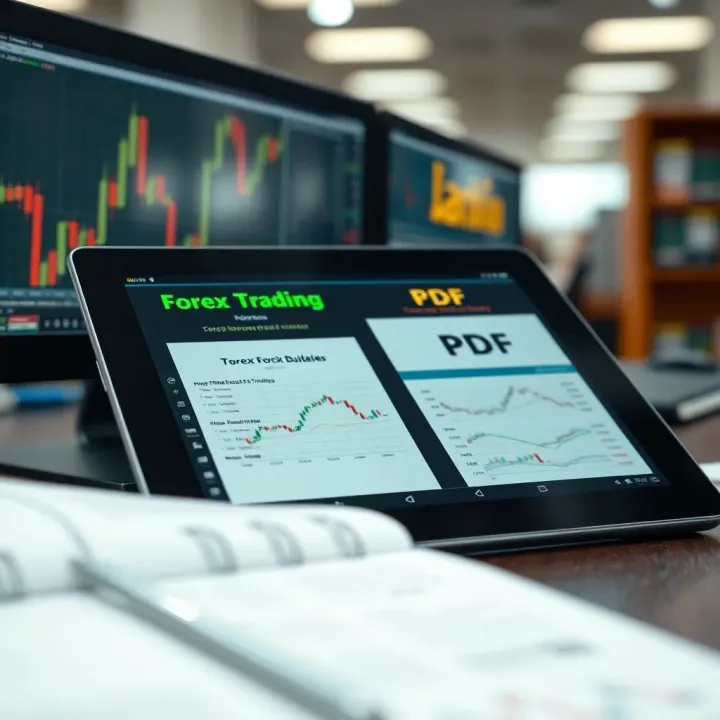
Learn forex trading basics with PDF guides 📄 tailored for Kenyan traders 🇰🇪. Discover key strategies, safe practice tips, and reliable forex book sources.

📊 Discover how trading bots work in stocks, forex & crypto markets in Kenya. Learn benefits, risks, & tips to pick a reliable bot for smart investing 💹
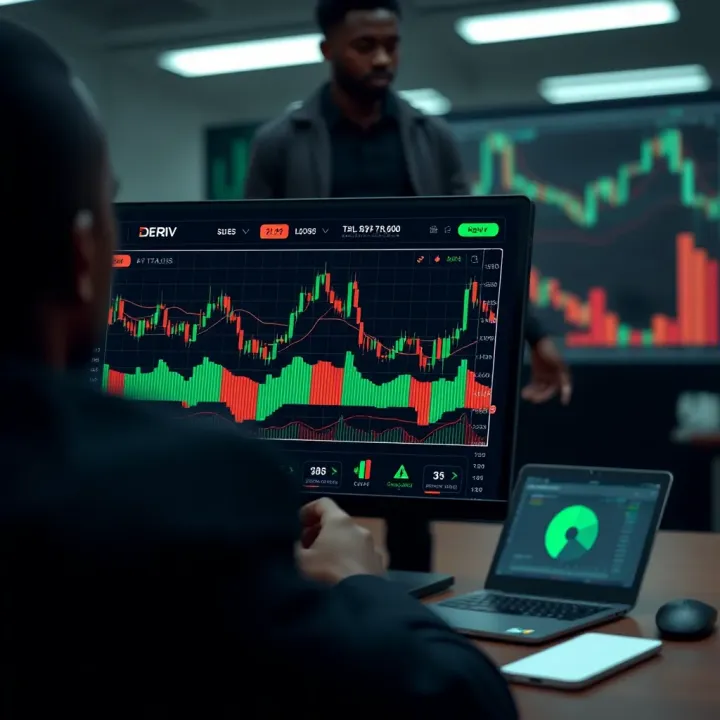
🤖 Discover how Deriv trading bots work for Kenyan traders, learn strategies, benefits, risks, and tips to automate trades smartly and safely on Deriv.
Based on 7 reviews