

Understanding TradingView on Deriv for Kenyan Traders
📈 Discover how to use TradingView on Deriv for smarter trading in Kenya. Get clear steps, local tips, and insights to improve your market analysis and execution.
Edited By
Isabella Hughes
Deriv and TradingView are two of the most popular tools used by traders in Kenya today. Deriv offers a wide range of financial instruments, including options and forex, while TradingView provides detailed charts and analysis tools. Together, they make a powerful combination for anyone serious about trading.
Kenyan traders often face challenges like unpredictable market movements and limited access to real-time data. Using Deriv on TradingView helps close this gap by delivering up-to-date charts connected directly with your Deriv account. This integration means you can analyse price trends and execute trades more efficiently without switching between platforms.
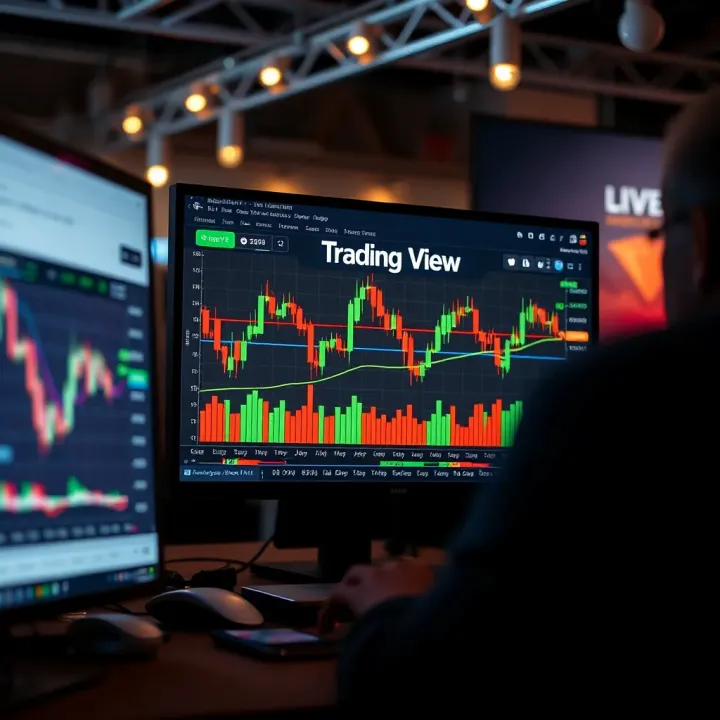
The practical benefits go beyond convenience. For instance, getting live updates on currency pairs like USD/KES or major commodities from TradingView helps Kenyan traders anticipate market shifts better. Plus, Deriv’s intuitive trading interface linked with TradingView charts makes entry and exit points clearer.
Using Deriv on TradingView allows you to connect smart charting with straightforward trading execution – a crucial edge for Kenyan traders looking to improve strategy and results.
For example, suppose you spot a bullish trend on the TradingView chart for Brent crude oil. You can instantly place a trade on Deriv based on that insight, potentially capturing profitable moves before others.
The rest of this guide will walk you through the steps to connect your Deriv account with TradingView and explain how to use some handy features unique to this setup. We will also touch on local considerations like trading during Kenyan market hours and managing risk in volatile markets.
With clear charts and smooth trading, you get better control over your investments, save time, and increase your chances of success. It’s a practical approach any Kenyan trader can adopt with ease.
Stay tuned as we break down everything you need to know for getting started with Deriv and TradingView in Kenya.
Understanding Deriv and TradingView is essential for Kenyan traders aiming to step up their online trading game. Deriv offers a well-rounded platform for diverse trading instruments, while TradingView provides powerful charting and analysis tools. Combining these two gives traders an edge for smart decision-making in both local and international markets.
Deriv is an online trading platform that lets users trade various instruments including forex, commodities, stocks, and synthetic indices. It has grown popular in Kenya because it offers accessible options trading, low minimum deposits, and a user-friendly interface. For example, a Kenyan trader can quickly start trading forex pairs or even try synthetic indices that simulate market volatility without real-world downtime.
What sets Deriv apart is its simplicity combined with flexibility. It supports features like smart charts, automatic trades, and demo accounts ideal for practice. That said, it’s important to use Deriv alongside deeper analytical tools to improve timing and accuracy.
TradingView is widely known as one of the top charting platforms globally, offering clean charts, real-time data, and an active community sharing trading ideas. Kenyan traders benefit from its rich set of technical indicators, drawing tools, and customisable layouts. For instance, a trader analysing the NSE 20 share index can use TradingView’s candlestick charts and RSI indicators to spot entry points.
The platform supports scripting with Pine Script, letting advanced users customise indicators and even build automated alerts. The best part is TradingView integrates smoothly with brokers like Deriv, so charts become more actionable by linking directly with your trading account.
Kenyan traders lean towards Deriv paired with TradingView because it provides a practical balance of trading ease and technical insight. Deriv’s direct access to markets matches well with TradingView’s detailed chart analysis, improving the chances of spotting profitable trades.
Moreover, both platforms accommodate local realities: Kenyan shilling deposits can be made easily through local services like M-Pesa, and user interfaces are straightforward, making them friendly to new and experienced traders alike. Plus, trading hours on Deriv align well with Nairobi time, helping traders follow markets when it matters most.
For Kenyan traders, mastering Deriv together with TradingView not only opens up global markets but also sharpens one’s trading skills through better analysis and strategy.
In short, this combo turns trading from guesswork into a more calculated and informed process.
Linking your Deriv account with TradingView is a practical step for Kenyan traders aiming to blend powerful charting tools with live market data from Deriv. This integration makes trading smoother by allowing you to monitor real-time price movements and execute trades efficiently within a single platform. The following sections break down the process and highlight what you should expect.

Before connecting to TradingView, ensure your Deriv account is fully set up and verified. You'll need basic information like your full name, ID documents, and proof of address handy for the verification process—this is standard to comply with local and international regulations. For Kenyan traders, using M-Pesa or bank transfers to fund your Deriv account offers practical payment routes, ensuring your trading capital is ready.
Once verified, check that you have sufficient funds or access to demo accounts on Deriv; you can practice linking and trading without risking your real money. Remember, a verified account is essential not only for security but also for accessing all features needed for live trading on TradingView.
To link your TradingView account, log in and navigate to the Trading Panel at the bottom of the screen. Here, select Deriv from the list of supported brokers. You will be prompted to enter your Deriv API token or user credentials. This token can be generated from your Deriv account’s security settings—keep it safe and never share it.
Once successfully connected, your TradingView platform will display live charts fed directly from Deriv’s market data. This setup lets you analyse price movements, apply technical indicators, and observe live market changes alongside your trading position. Kenyan users can track commodities like coffee or maize futures, forex pairs, and synthetic indices available on Deriv all from TradingView.
Sometimes, connecting Deriv to TradingView hits a snag. A common issue is token authentication failure, often caused by expiry or incorrect copying of the API token. If this happens, regenerate a new token in Deriv's account settings and carefully re-enter it in TradingView.
Another obstacle is slow or unstable internet, which can disrupt live feeds. Since Kenyan internet can be spotty outside major cities, using a stable fibre connection or reliable mobile data is advisable to ensure uninterrupted trading.
Delayed data or charts freezing can also occur if your TradingView subscription limits real-time updates. Upgrading to a paid TradingView plan can fix this, offering smoother live connections and better data integrity.
Always double-check your token details and internet connection when troubleshooting to avoid unnecessary delays.
By following these steps and tips, Kenyan traders can enjoy a seamless link between Deriv and TradingView. This connection boosts their ability to take timely trading decisions and manage risks effectively on a unified platform.
Making the most of Deriv on TradingView can significantly improve your trading outcomes. Using this integration, Kenyan traders can access real-time data, sophisticated charts, and multiple market options all in one place. This setup not only speeds up decision-making but also helps manage risks better, particularly when the markets turn unpredictable.
TradingView offers a wide array of technical indicators and drawing tools that allow you to analyse price trends clearly. When linked with Deriv’s market options, such as forex pairs, synthetic indices, or commodities, these tools give you an edge. For instance, you might use the Relative Strength Index (RSI) to time entry points on a Deriv forex pair like EUR/USD or monitor volatility through Bollinger Bands when trading synthetic indices. This combination provides a detailed picture, helping you avoid jumping into trades blindly.
To build a strong trading strategy, you need to merge the graphical insights from TradingView with Deriv’s own market signals. Say you notice a bullish engulfing pattern on TradingView’s candlestick chart; Deriv’s price movement alerts can confirm whether this is a reliable buy signal. This approach is practical for traders using short expiry options, especially during Kenyan market hours when volatility spikes. You can backtest these strategies on TradingView’s platform using historical data, allowing you to refine before real money is on the line.
Risk control is vital, particularly with Deriv’s high-leverage offerings. TradingView doesn’t execute trades, but by monitoring charts and setting alerts, you can better control your exposure. For example, stop-loss levels can be identified visually on TradingView’s charts and then applied in your Deriv trading interface. This helps prevent loss beyond your comfort zone. Also, you can track multiple assets simultaneously, allowing a diversified risk approach rather than concentrating all your funds on one market.
Using Deriv and TradingView together gives Kenyan traders a clearer edge through improved charting, timely signals, and better risk control — all important in today's fast-moving markets.
In summary, combining TradingView’s tools with Deriv’s options markets enables hands-on control over trades with data-backed confidence. The integration’s real power lies in its ability to give you sharp, actionable insights that, when coupled with disciplined risk management, lead to smarter trading decisions in the local and global markets.
Understanding how Deriv and TradingView work within the Kenyan context can greatly improve your trading experience. Every trader here needs to consider the practical details, like how to fund their account, match trading times with local hours, and navigate the regulations that apply specifically to Kenyan users.
Funding your Deriv account in Kenyan shillings is straightforward but requires knowledge of the local payment methods. Popular options include M-Pesa, one of Kenya’s most trusted mobile money platforms. You can deposit directly through M-Pesa via Lipa Na M-Pesa, choosing the Paybill or Till number provided by Deriv. For example, inputting the correct Paybill and your Deriv account number as a reference ensures the funds reach your trading account swiftly.
Besides M-Pesa, some Kenyan traders use bank transfers via local banks like Equity Bank or KCB, which connect smoothly with Deriv’s supported payment methods. However, be aware of bank cut-off times to avoid delays. Another route is card payments using Visa or Mastercard, which are accepted but may attract foreign transaction fees. Always check whether the platform charges conversion costs if you deposit in KSh but trade in USD or GBP.
Deriv offers access to global financial markets which operate on various time zones. Kenyan traders must adjust to these differences because market hours in New York or London don’t line up with Nairobi time (East Africa Time, UTC+3). For instance, the New York Stock Exchange opens at 3:30 pm EAT and closes at 10 pm EAT.
You can schedule your trading sessions around these times, especially if you prefer day trading or forex pairs tied to US or European currencies. TradingView's charting tools help you track live market movements regardless of the hour, but balancing your trading hours with local daily rhythms—like early mornings or evenings—is critical for focus and managing risk.
Trading with Deriv through TradingView requires awareness of Kenya’s regulatory framework. Although Deriv is an international platform, Kenyan traders must ensure their activities comply with local law. The Capital Markets Authority (CMA) supervises trading activities and issues guidelines to protect investors.
Kenyan traders should keep their KRA PIN ready for tax compliance when reporting profits. NHIF and NSSF contributions should also be current to avoid issues when your income fluctuates due to trading. If you're new to trading, it’s wise to consult with a financial adviser familiar with Kenyan investment regulations to avoid running into legal problems.
Being savvy about local payment methods, trading times, and regulatory rules ensures you don't just trade but trade smartly and safely in Kenya's growing online financial market. This also helps you make the most out of Deriv and TradingView’s combined power.
By keeping these local practicalities in mind, Kenyan traders can fully leverage Deriv on TradingView without surprises or unnecessary setbacks. This local knowledge bridges the gap between international trading tools and everyday financial life here in Kenya.
Mastering Deriv on TradingView requires more than just linking accounts or using basic tools. Building effective trading skills involves understanding how to read charts deeply, practising strategies without risking real money, and steering clear of common mistakes that many traders face. Kenyan traders benefit most when they balance technical know-how with practical habits tailored to local market quirks.
TradingView offers a rich set of charting tools that Kenyan traders should learn to use fully. For example, you can add multiple indicators like the Relative Strength Index (RSI) and Moving Averages on the same chart to spot overbought or oversold conditions. Customising time frames helps too — a trader focusing on short-term opportunities might switch between 5-minute and 15-minute charts, while long-term investors might prefer daily or weekly views. Practising drawing trendlines and support/resistance levels directly on the charts can improve your market reading. These skills help spot breakout or reversal points more confidently, especially when combined with Deriv’s live market data.
Practice is key here — use TradingView’s extensive library of tutorials and community scripts to see different chart setups. Kenyan traders can learn a lot by replicating strategies used by successful local traders shared on the platform.
Before putting real KSh on the line, take advantage of Deriv’s demo account linked with TradingView’s backtesting features. This enables you to simulate trades based on historical data, analysing how your strategy would have performed in past market conditions. For instance, a trader testing a moving average crossover system can see how often it would have signalled profitable trades versus false signals.
Backtesting helps weed out ineffective strategies and fine-tune parameters like stop-loss distance or entry points. Kenyan traders should treat demo trading seriously to build confidence and understand market rhythms without financial pressure. It also helps identify any behavioural quirks, such as premature exits or overtrading, which can be costly in live markets.
New traders often stumble into avoidable mistakes. One common pitfall is relying too much on a single indicator or signal; markets are complex, so always combine multiple technical factors before acting. Another is neglecting stop-loss orders, which can expose you to unexpected losses if the market swings.
Additionally, Kenyan traders should be wary of overtrading, especially during high-volatility sessions when emotions run high. Avoid chasing the market based on rumours or news without verifying from credible sources. Also, remember that while TradingView has powerful chart alerts, these should guide decisions, not replace critical thinking.
Lastly, watch out for connectivity hiccups — unstable internet can delay order execution, leading to slippage. Testing your setup during non-peak hours might uncover such issues before they affect real trades.
Taking these tips seriously will improve your trading experience with Deriv on TradingView, helping you make smarter decisions tailored to both the global markets and Kenya’s unique context.
📈 Discover how to use TradingView on Deriv for smarter trading in Kenya. Get clear steps, local tips, and insights to improve your market analysis and execution.

📈 Learn how Kenyan traders can link TradingView with Deriv for smart charting, strategy setting, and risk control. Trade smarter, profit more!

📈 Kenyan traders, learn to master TradingView on Deriv.com with clear steps on account setup, chart use, indicators, trading tips, risk control & troubleshooting.
Explore how Deriv Mpesa connects trading and Mpesa for Kenyan users📱. Learn benefits, security tips🔒, and easy steps for smooth transactions💹.
Based on 12 reviews