
Understanding Forex Spreads: A Practical Guide
💱 Learn how spreads in forex trading affect your profits, types of spreads, what impacts them, and how to pick brokers with better deals for smarter trading.
Edited By
Thomas Bennett
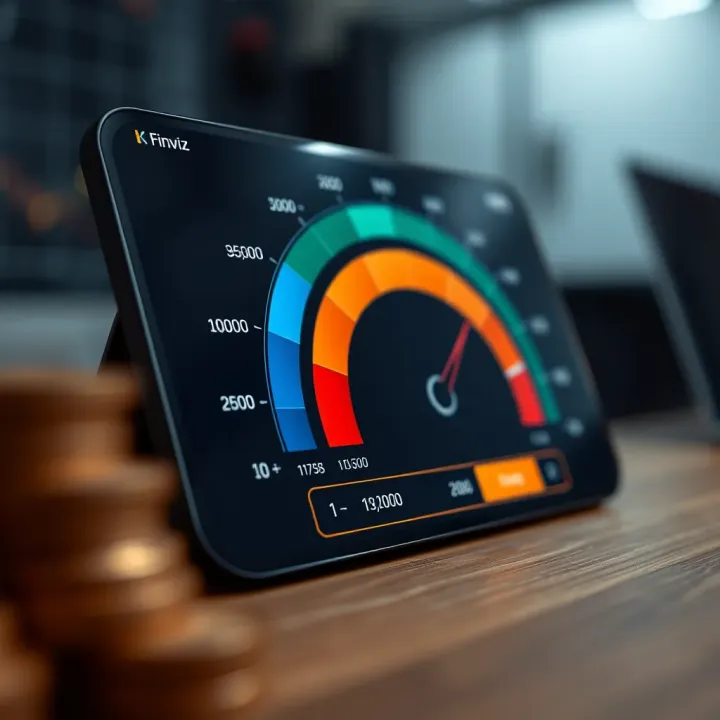
The Finviz Currency Strength Meter is a handy tool for anyone involved in forex trading or investing. It provides a clear visual summary of how major currencies perform against each other—all in one place. For Kenyan traders who often juggle multiple currency pairs, this meter can help spot opportunities quickly without getting lost in charts or numbers.
At its core, the meter calculates the relative strength of popular currencies like the US dollar (USD), euro (EUR), British pound (GBP), Japanese yen (JPY), and others by analysing their recent price movements across various forex pairs. Instead of just showing the price of one pair, it gives you a broader perspective—whether a currency is generally strong or weak compared to the rest.
For example, if the Kenyan shilling (KES) were part of the meter, and you saw USD consistently rising across pairs, while KES was weakening, you’d immediately know the greenback is the dominant force. This information is valuable when deciding to buy USD/KES or sell KES/USD.
This meter fits well alongside tools like technical charts or economic calendars. While charts focus on price patterns for individual pairs, the strength meter offers a quick snapshot of market sentiment across currencies. That said, it should not be the only tool you rely on—sound trading decisions come from combining different types of analysis.
The Finviz Currency Strength Meter simplifies a complex forex market by condensing multiple currency moves into straightforward readings, saving you time and helping you make more informed trading decisions.
To sum up, using the Finviz strength meter allows Kenyan traders to identify:
Which currencies currently lead or lag in strength
Potential cross-currency opportunities
Changes in market momentum before price swings happen
In the sections ahead, we will look into how the meter works, practical ways to use it on Kenyan trading platforms, and how it compares with other currency strength tools available locally.
The Finviz Currency Strength Meter offers a clear snapshot of how various major currencies perform relative to one another at any given moment. This is especially useful for forex traders and investors looking to identify which currencies are gaining momentum and which ones are losing ground. Instead of tracking multiple pairs individually, the meter consolidates this data so you can see the overall strength of each currency in one place.
Currency strength refers to a currency's relative power compared to others in the foreign exchange market. A strong currency can buy more units of other currencies, indicating higher demand or confidence in its economy. Conversely, a weak currency loses value against others due to factors like poor economic performance or political uncertainty. For example, if the US dollar is rising against the euro, it’s said to be strong compared to the euro’s weakness.
Knowing which currency is strong or weak helps traders pick the right currency pairs to trade. If you buy a pair where the base currency is strong and the quote currency is weak, you increase your chances of profit as the trend may continue. Kenyan traders, for instance, might watch the strength of the US dollar (USD) against the Kenyan shilling (KES) indirectly through major pairs, to better time their trades or hedges against currency fluctuations in the local market.
The Finviz meter uses simple colour coding to make strength data easy to read at a glance. Typically, green shades show strong currencies, red depicts weakness, and yellow or amber signals neutrality or mid-range strength. This quick visual helps traders identify promising currencies without sifting through numbers. For example, if the EUR shows dark green and the GBP appears red, it’s evident that EUR is currently outperforming GBP.
The strength scores are numerical values reflecting a currency’s relative power based on multiple currency pairs. Scores closer to 100 indicate stronger currencies, while those near zero point to weakness. Traders can use these figures to compare potential trades. For instance, if USD has a strength score of 78 and JPY shows 22, the USD/JPY pair suggests likely USD dominance, which could guide entry and exit decisions.
Using the meter’s visual and numerical cues together creates a straightforward approach to analysing market conditions quickly, especially valuable when the forex market moves fast and you need timely decisions.
By understanding what the Finviz Currency Strength Meter reveals, you gain practical insight that helps refine your trading strategy, saving time and increasing your chances of success in forex markets.
Understanding how the Finviz Currency Strength Meter calculates strength is essential for traders who want to make informed decisions. Knowing the data sources, currency pairs involved, and calculation method helps you trust the meter’s readings and apply them correctly. This section breaks down the components behind the meter's calculations to give you confidence in interpreting its signals.
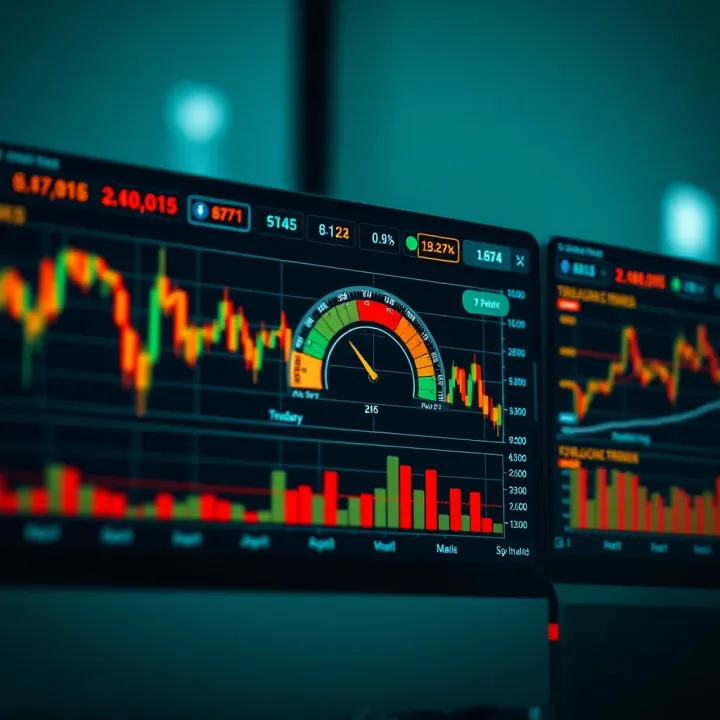
The meter looks at major currency pairs to determine each currency's strength. This includes pairs like USD/EUR, USD/JPY, GBP/USD, USD/CHF, AUD/USD, and NZD/USD. These pairs cover the key global currencies and capture most of the forex market's daily action. By focusing on these, the meter gives a broad yet accurate picture of how each currency is performing against its strongest rivals.
For example, if the Kenyan shilling is paired with the dollar or euro in the meter’s data, noticing a consistent dip in USD/KES or EUR/KES means the shilling could be weakening relative to those currencies. Traders in Nairobi or Mombasa can then use this insight to gauge import costs or forex trading timing.
The type of data the meter relies on—whether real-time or delayed—influences how timely and actionable the strength readings are. Real-time data gives an up-to-the-minute picture but might sometimes be harder to source or costlier. Delayed data, usually lagging by a few minutes, still provides valuable insight for daily trading decisions without the noise of ultra-short-term fluctuations.
For instance, traders using the meter during regular market hours will find delayed data sufficient for spotting trends. However, if you want to react quickly during volatile periods, having real-time data helps catch sharp moves.
The meter calculates currency strength by comparing each currency against others across the chosen major pairs. Essentially, it looks at how a currency performs relative to multiple rivals rather than just one pair. This comparison reveals if a currency is broadly gaining or losing ground.
To illustrate, if the euro is rising against the dollar, pound, and yen all at once, the meter will show the euro as strong. If it falls against these currencies consistently, it will be marked weak. This multi-pair comparison avoids misleading readings that might happen if only one pair was considered.
After gathering these pairwise comparisons, the meter summarises overall currency performance in one score or colour-coded indicator. This summary helps traders see at a glance which currencies are performing well or poorly across the market.
Tip: Use this summary score to prioritise which currencies to target or avoid in your trading for the day.
This summarisation allows for straightforward decisions without getting bogged down in too much raw data. It helps Kenyan traders focus on currencies relevant to their strategies, whether they trade forex pairs or hedge import-export risks.
By understanding these calculation steps, you’ll appreciate why the Finviz Currency Strength Meter can be a reliable tool for tracking currency momentum and making trading calls based on actual market action rather than guesswork.
Using the Finviz Currency Strength Meter can help traders spot where money is moving and give a clearer picture of market trends. This makes it easier to choose currency pairs that have the best chance of profit. For instance, if the meter shows the US dollar as very strong and the euro as weak, a trader might focus on the USD/EUR pair, betting on the dollar's strength. This practical approach reduces guesswork and improves decision-making.
The Finviz Currency Strength Meter highlights which currencies are gaining or losing strength in real time. Traders can use this to find pairs where one currency is strong and the other is weak. Such pairs often offer clearer trends and better opportunities for profits. For example, if the meter indicates the British pound is weak while the Japanese yen is strong, a trader might short GBP/JPY expecting the pound to fall against the yen.
This approach helps avoid pairs where both currencies move similarly, which often results in narrow price swings and unclear trends. By selecting pairs with contrasting strength signals, traders increase their odds of riding a strong trend.
Monitoring the momentum of currencies shown on the meter helps determine when to enter or exit trades. If a currency’s strength is rising steadily, it may be a good time to buy that currency against a weaker one. Conversely, if a currency's strength begins to fade, traders might consider exiting before the trend reverses.
For example, a Kenyan trader watching the meter might see the Kenyan shilling strengthening against the US dollar during favourable local economic reports. This could signal a good entry point for buying KSh/USD. Exiting too late after momentum slows can erode profits, so keeping an eye on these strength changes is key.
Kenyan traders should remember that local factors influence currency strength just as much as global ones. Using the Finviz meter alongside an understanding of county-level issues, political developments, or regional trade agreements can give a sharper edge. For instance, if there’s upcoming trade talks between East African countries, currencies like the Kenyan shilling may move distinctly compared to others.
Additionally, consider liquidity and trading hours. The Kenyan market opens differently from major centres like London or New York, so timing your trades around when local banks and investors are active helps reduce unexpected swings.
The meter shows current currency strength, but news still drives the bigger moves. Integrating it with local economic updates — such as Central Bank of Kenya (CBK) policy statements, inflation reports, or NHIF premium changes — helps anticipate shifts before they fully impact the meter.
For example, if Kenya’s inflation rises sharply, you might expect the shilling to weaken soon. Watching the meter after such news confirms the trend and supports smarter entries or exits. This combined approach avoids relying on the meter alone and adds context from the Kenyan economic landscape.
The Finviz Currency Strength Meter works best when used as a tool alongside local insights. Combining real-time data with knowledge of Kenya’s economic environment can sharpen your forex trading strategy and improve outcomes.
Understanding how the Finviz Currency Strength Meter stacks up against other tools is key for traders and investors who want to make smarter, more informed decisions. Different currency strength indicators have their own ways of calculating and presenting data, which can impact the insights you gain. Comparing them helps identify which tool suits your trading style, risk appetite, and market focus.
Several currency strength meters exist beyond Finviz, each designed to offer a quick snapshot of currency performance. For instance, the Strong Weak Meter used by some forex platforms shows relative strength based on recent price changes, while the Forex Power Indicator analyses multiple time frames to give a more comprehensive view. Other tools like the Trade-Ideas Currency Strength Meter highlight moving average crossovers and momentum.
These options can complement or contrast the Finviz meter. For example, a Kenyan trader using Finviz alongside a momentum-based indicator might spot entry points more precisely. It's practical to experiment with a few tools to see which ones offer signals that align with your trading objectives.
Regarding calculation methods and data sources, most currency strength meters rely on analysing currency pairs, but they differ in data frequency, pair coverage, and algorithms. Finviz pulls from major currency pairs and provides near real-time updates. Others may use a broader set that includes minor or exotic pairs or incorporate technical indicators like RSI or MACD in their calculations.
A key consideration is whether the data is live or delayed. Finviz updates frequently but may have a slight delay compared to platforms offering tick-level data. The choice affects how quickly you can respond to market movements, which can be crucial in volatile sessions.
Finviz stands out because of its clean, easy-to-read interface and the clear visual cues for currency strength. It’s accessible for both beginners and experienced traders and integrates well with other Finviz tools for stock and commodity analysis. For Kenyan traders, its inclusion of major pairs makes it relevant for trading USD, EUR, GBP, and local interests like USD/KES.
However, the meter also has limitations. It focuses primarily on major pairs, meaning less attention to regional or emerging market currencies you might trade. It also treats currency strength mostly as a relative value without deep technical overlays or fundamental context. So, relying solely on Finviz without checking macroeconomic news, especially local Kenyan economic updates like CBK policy changes or KRA tax headlines, might leave you unprepared.
Remember, currency strength meters are tools—not standalone solutions. Combining Finviz insights with other technical indicators and news helps build a more balanced trading strategy.
In summary, comparing the Finviz Currency Strength Meter with other tools lets you play to its strengths, such as clarity and ease of use, while mitigating its gaps through additional resources. This approach fits well in Kenya’s dynamic forex environment where multiple factors influence currency moves.
Accessing the Finviz Currency Strength Meter and knowing how to navigate it effectively is key for traders who want to make informed currency decisions quickly. The meter offers live insights into currency movements, but without clear guidance on finding and using it, its benefits can be lost. For Kenyan traders juggling local market news and forex signals, getting straight to the point with this tool saves time and sharpens trading precision.
To locate the Currency Strength Meter on Finviz, first, visit the Finviz website homepage. From the main menu, navigate to the "Forex" or "Currencies" section—Finviz groups all currency-related tools here. Within this section, you will find the Currency Strength Meter listed alongside other forex resources like heat maps and top gainers. Clicking the meter opens a page showing live strength readings across major currencies.
Understanding where to find this tool means you won't waste precious time digging through menus during fast market hours. For example, a Kenyan trader tracking USD/KES pairs can check overall USD strength on Finviz while cross-checking local economic updates from CBK (Central Bank of Kenya).
Once on the meter page, the interface presents a grid or bar format displaying each currency alongside a strength score. Colour coding quickly draws your eye to the strongest (usually green) and weakest (often red) currencies of the moment. This layout is designed for a quick glance to inform your next trading move without needing detailed analysis immediately.
Adjusting time frames for analysis allows traders to view currency strength over different periods, such as hourly, daily, or weekly intervals. This flexibility is helpful to spot short-term momentum or identify longer-term trends. For instance, a forex trader in Nairobi focusing on day trading might use 1-hour or 4-hour time frames, while an investor planning monthly positions would prefer the daily or weekly views.
Filtering by currency groups or specific pairs helps you zero in on what matters. Finviz allows you to focus on major pairs like USD, EUR, JPY, or regional sets such as East African currencies. Kenyan traders can filter the meter to highlight USD, EUR, GBP, and regional currencies relevant for cross-border trade decisions or remittance timing. Choosing custom filters streamlines the analysis and avoids clutter from less relevant currencies.
Knowing how to access and customise the Finviz Currency Strength Meter ensures you get relevant, timely information tailored to your trading style and market focus. This practical control helps traders respond confidently to market changes and maximise their forex strategies.
💱 Learn how spreads in forex trading affect your profits, types of spreads, what impacts them, and how to pick brokers with better deals for smarter trading.

Discover how dbots operate and their benefits in Kenya 🇰🇪. Learn practical uses and tips for effective deployment in various industries 🤖📈.

📊 Explore binary charts in computing and data analysis: learn how to read, interpret, and apply them, with tips on tools and common challenges.
Explore how binary accounts work, their pros and cons, and their role in finance and online trading 📊—essential info for investors in Kenya.
Based on 5 reviews