
Dogecoin Price Prediction: What to Expect
🐕 Curious about Dogecoin’s future price? Explore its trends, expert insights, and risks to make savvy investments in this meme coin popular with Kenyans.
Edited By
Liam Foster
Gold prices capture the attention of many investors, traders, and even everyday consumers in Kenya. Being able to predict today's gold price is not about guessing; it hinges on understanding both global and local forces that move the market.
The value of gold often responds to events like shifts in the US dollar, geopolitical tensions, or economic reports from major markets such as China and the US. For instance, when the US dollar weakens, gold usually gains value because it becomes cheaper for holders of other currencies, including the Kenyan shilling.
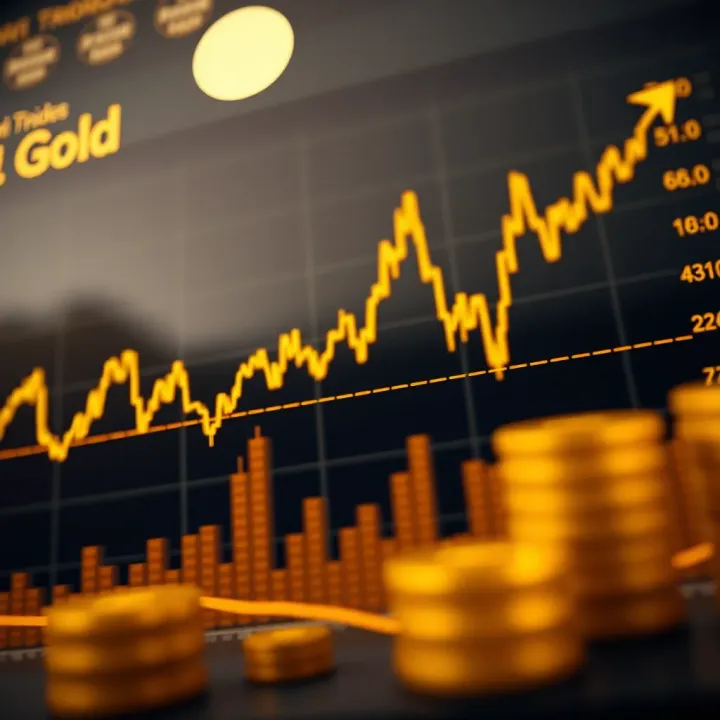
Locally, factors like inflation rates, interest rates set by the Central Bank of Kenya (CBK), and demand in informal markets play significant roles. When inflation rises, Kenyans might seek gold as a store of value, pushing prices higher in Nairobi's markets.
Understanding these influences helps you avoid costly mistakes and spot opportunities in gold trading or buying.
Here are some key aspects to watch for in today's gold price predictions:
US Dollar Strength: Gold and the US dollar often move inversely. A weaker dollar tends to lift gold prices.
Interest Rates: Higher rates can lower gold's appeal since the metal doesn't pay interest or dividends.
Geopolitical Risk: Political unrest or conflicts increase investor demand for safe-haven assets like gold.
Kenyan Economic Indicators: Inflation, CBK policy decisions, and supply-demand dynamics in local gold trade influence prices.
For Kenyan investors, gold offers a way to diversify beyond stocks or bonds. However, effective use of price predictions means keeping tabs on news from global financial centres and understanding Kenya's own economic signals.
In the sections ahead, we will unpack how these factors interact and share tips for applying today’s gold price predictions to your investment or buying decisions. Whether you are trading at the NSE or purchasing gold jewellery at a local market, clear insight into price movements will help you make sound choices.
Understanding how gold prices are forecasted is essential for anyone involved in trading or investing in gold. Accurate forecasts help manage risks and spot opportunities early, especially in a market as sensitive to global and local shifts as gold. For Kenyan investors, knowing the key influences on price movements can inform smarter decisions about when to buy or sell.
Global economic indicators play a significant role in predicting gold prices. For example, when global economic reports show slowing growth, investors tend to seek gold as a safe haven, pushing prices up. Conversely, strong economic performance usually reduces gold demand, lowering prices. GDP growth rates from major economies like the US, China, and the EU are closely watched to anticipate shifts in gold prices.
Currency strength, especially the US dollar, is another critical factor. Gold is priced in US dollars internationally; therefore, when the dollar strengthens, gold becomes more expensive in other currencies, reducing demand and dragging prices down. On the other hand, a weaker dollar makes gold cheaper globally, often triggering higher prices. For instance, if the dollar weakens against the Kenyan Shilling, local gold prices might increase even if global demand stays steady.
Inflation rates and interest levels influence gold’s appeal as a store of value. Rising inflation typically leads investors to buy gold to protect purchasing power, lifting prices. Similarly, lower interest rates reduce returns on bonds and savings accounts, making gold more attractive by comparison. In Kenya, for example, a hike in the Central Bank’s benchmark rate might temporarily cool gold demand as safer fixed-income investments offer better returns.
Supply and demand in the gold market directly impact prices. Gold mining output, recycling rates, and consumer demand from sectors like jewellery and technology affect availability. For example, a drop in gold production in key mines in South Africa or Ghana can tighten supply, nudging prices higher. Likewise, increased gold buying during Kenyan festive seasons can create local demand spikes.
Technical analysis and price charts use past price movements to forecast future trends. Traders observe chart patterns, volume changes, and resistance levels to spot buying or selling signals. In Nairobi’s gold market, a sudden spike in price followed by consolidation might signal either a short-term correction or an emerging trend. Technical tools like moving averages or Relative Strength Index (RSI) help traders decide entry or exit points.
Fundamental analysis of economic data involves looking at macroeconomic stats, such as inflation, employment figures, or trade balances, to judge gold’s future value. If Kenya’s inflation rises while the shilling weakens, fundamental analysis would suggest a likely rise in local gold prices. This method complements technical analysis by offering long-term context.
Market sentiment and investor behaviour reflect how traders feel about gold’s prospects. This sentiment can be gauged through indicators like the Commitment of Traders reports or surveys among Kenyan investors. For example, if a large portion of investors expect political instability, buying interest in gold might surge as a hedge, influencing price predictions.
Understanding both data and sentiment is crucial since markets often move on perception as much as facts.
Role of financial analysts and forecasting services is vital in providing professional insights. Firms specialising in commodity forecasts combine technical, fundamental analyses and insider information to publish price outlooks. Kenyan investors should check forecasts from trusted entities, including banks, commodity brokers, and economic think tanks, while also watching official reports from the Central Bank of Kenya and the Capital Markets Authority.
These forecasts offer useful benchmarks to compare with personal analysis but should never be followed blindly, as the gold market remains sensitive to unexpected changes.
In essence, forecasting gold prices requires a blend of understanding economic factors, market psychology, and reliable analytical tools to navigate this complex market effectively.
Understanding current trends in gold prices is vital for anyone trading, investing, or buying gold in Kenya. These trends reflect shifts in both global events and local economic conditions that directly affect gold prices. Keeping an eye on these helps traders time their moves, investors manage risks, and buyers make sound decisions.
Recent geopolitical tensions often cause a spike in gold prices. For instance, conflicts in the Middle East or political instability in large economies increase uncertainty, pushing investors toward gold as a safe haven. When tensions flare, gold tends to outperform other assets because it's seen as a reliable store of value in times of crisis.
Trade policies and tariffs also sway gold prices. Changes in tariffs between countries like the US and China can disrupt supply chains and economic growth expectations. For example, if tariff hikes threaten global trade, investors might anticipate inflation or currency depreciation, nudging them to buy gold as protection against these risks.
Central bank actions worldwide play a significant role in shaping gold prices. When central banks, including the US Federal Reserve or the European Central Bank, adjust interest rates or announce bond-buying programmes, they influence inflation expectations and currency values. Lower interest rates typically make gold more attractive since it doesn’t pay interest but holds value better when returns on bonds and savings drop.
KSh exchange rate fluctuations affect the local price of gold directly. When the Kenyan shilling weakens against the US dollar, imported gold becomes more expensive in local currency terms. For example, if 1 USD moves from KSh 110 to KSh 120, gold priced in dollars will cost more shillings, impacting both traders and consumers in Kenya.
Inflation and interest rate developments in Kenya shape domestic demand and investment appeal for gold. Rising inflation eats into the value of cash savings, encouraging Kenyans to put money into gold, which historically holds value even when prices rise. Conversely, if the Central Bank of Kenya raises interest rates to curb inflation, fixed-income investments may seem more appealing compared to gold, sometimes slowing gold demand.
Demand for gold in Kenyan markets is influenced by cultural factors and economic growth. Jewellery remains popular in Kenya for ceremonies and status symbols, and as disposable incomes rise, more people buy gold. Additionally, during festive seasons or wedding periods, gold sales typically pick up, temporarily pushing prices higher by increasing local demand.
Staying updated on both global and local factors helps investors and buyers make smarter decisions and avoid surprises in gold price movements.
Watch for world news affecting geopolitics and trade flows
Monitor Central Bank announcements and Kenyan economic indicators
Follow seasonal trends and cultural activities affecting local gold demand
These combined forces shape the real-time value of gold in Kenyan markets every day, so keeping abreast of them is a smart move for anyone involved in gold.
Gold price predictions serve as valuable tools for both investors and buyers alike. Understanding the ups and downs of the market can influence when you choose to buy or sell, what type of gold to invest in, and how to manage your overall financial risk. Whether you’re looking to add gold to your investment portfolio or simply wanting to buy a piece of jewellery, knowing how to interpret and apply these predictions can save you from costly mistakes.
Timing the market for buying and selling is one of the most straightforward uses of gold price predictions. Investors often watch for signals indicating when gold prices are expected to rise or fall, aiming to buy when prices dip and sell when they peak. For example, if data suggests inflation will increase, gold prices often follow suit. An investor who understands this might buy gold ahead of the rise, then sell when the price climbs sufficiently, maximising returns.
Risk management strategies also lean heavily on price predictions. Since gold tends to react to various economic factors, investors use forecasts to balance their exposure. If predictions point to a bearish gold market, for instance, they might reduce their gold holdings or hedge through products like gold futures or ETFs (Exchange Traded Funds) that allow easier entry and exit without physical handling. This approach limits losses during downturns while retaining the chance to benefit from gold’s traditional role as a safe haven.
Another key strategy is diversifying investment portfolios with gold. Investors typically hold a mix of assets—stocks, bonds, property, and commodities like gold—to spread risk. Price predictions help identify how much gold to include based on market outlook. If forecasts suggest turbulence in equities or currency markets, increasing gold allocation can offer stability. For example, Kenyan investors sometimes turn to gold during KSh exchange rate pressures, as gold can protect against local currency depreciation.
When it comes to buying gold, especially for personal use or as a store of value, spotting reliable price forecasts matters. Not all predictions are equal; trustworthy sources typically use transparent methodologies and up-to-date market data. Consumers should watch for reports from reputable Kenyan dealers, international financial news, or institutions like the Central Bank of Kenya. Avoid relying solely on social media chatter or unverified blogs, which might mislead.
Understanding premium costs in local markets is also important. The price you pay is usually above the global gold rate due to factors like import taxes, dealer markups, and local demand. For instance, gold jewellery purchased in Nairobi might carry a higher premium compared to bullion bought directly from a known dealer. Consumers should account for these extra costs when planning their purchase to avoid surprises.
Lastly, choosing between physical gold and gold-backed financial products is a major consideration. Physical gold includes coins, bars, and jewellery, offering tangible ownership but with storage and security challenges. On the other hand, financial products like gold ETFs or gold accounts allow easy trading and lower storage costs but expose the investor to counterparty risk. Kenyan buyers concerned about security or liquidity might prefer gold-backed financial products, whereas those valuing physical possession may opt for jewellery or bars.
Whether you’re investing or buying gold for keeps, using price predictions wisely helps you make decisions that protect your money and maximise its potential.
Understanding how to apply these insights within the Kenyan context sharpens your financial strategy in a world where gold remains a trusted asset amid economic changes.
Access to trustworthy gold price information is key for anyone involved in trading, investing, or buying gold in Kenya. Prices can fluctuate daily due to global and local factors, so relying on credible and up-to-date sources helps you make informed decisions and avoid potential losses.
Kenyan gold dealers and market websites play a major part in providing current price listings and trends. Dealers such as Nairobi-based firms or Mombasa gold traders often update their rates daily to reflect global market changes and local demand. Checking their websites or official social media accounts gives buyers and investors a direct view of spot prices and premium costs relevant to Kenyan shillings.
Financial news outlets covering commodities are another reliable source of market insights and analysis. Local platforms like Business Daily, The East African, and Capital FM often report on gold alongside other commodities. They include expert opinions, forecasts, and coverage of international events affecting gold prices, such as US Federal Reserve announcements or geopolitical tensions. This helps investors follow broader trends beyond just the spot price.
Official reports from the Central Bank of Kenya (CBK) and the Capital Markets Authority (CMA) provide authoritative data impacting gold markets. CBK's statements on foreign exchange rates and inflation directly influence gold’s appeal as a hedge. Likewise, CMA updates on commodity market regulations offer insights into the investment climate for gold-backed securities or exchange-traded funds. Referencing these official sources ensures you get accurate economic context rather than just trending headline numbers.
Price tracking through mobile apps has become increasingly important in Kenya’s fast-moving market. Mobile applications like Glint or local platforms with commodity sections allow investors and consumers to monitor real-time gold prices in Kenyan shillings. Alerts and push notifications help one stay ahead of sudden price changes, particularly useful for those involved in frequent buying or selling.
Using M-Pesa and online platforms for transactions integrates price information with convenient payment methods. Popular digital payment systems in Kenya support gold purchases and sales directly from dealers or investment platforms. This speeds up transactions and ensures you can act on price changes immediately without delays caused by cash handling or bank visits.
Community and jewellers’ insights offer valuable local perspectives that official data might miss. Experienced jewellers in Nairobi or Kisumu often gauge market moods from grassroots buyers and collectors. Their knowledge about the quality of gold available, seasonality, or local demand spikes can offer practical guidance to those navigating the Kenyan gold market. Visiting reputable jewellers and asking about trends adds a human element to the numbers you see online.
Keeping tabs on a variety of these sources allows you to build a comprehensive and reliable picture of the gold price situation in Kenya. This diversity makes it easier to spot discrepancies, avoid scams, and make timely decisions whether trading or investing.
Gold price predictions provide valuable guidance but come with inherent risks and limitations every trader and investor should understand. The gold market reacts not only to predictable trends but also to sudden, unexpected events that can dramatically shift prices. Recognising these risks helps you avoid costly mistakes and make better-informed decisions.
Sudden geopolitical shifts often rattle gold prices because gold is seen as a safe haven during unstable times. For instance, tensions in the Middle East or a sudden conflict between major economies can cause prices to spike sharply. While analysts try to factor in such risks, these events can arise without warning, sending gold prices soaring or plunging depending on market sentiment. Kenyan investors relying solely on predictions without watching such developments risk being caught off guard.
Volatile currency movements, especially fluctuations in the US dollar, also impact gold prices. Since gold is typically priced in dollars, a strengthening dollar usually pulls gold prices down, making it more expensive for buyers using other currencies like the Kenyan shilling. For example, if the dollar gains ground due to US Federal Reserve interest rate changes, Kenyan investors may find gold suddenly less affordable, regardless of predictions.
Unexpected economic data releases, such as inflation reports or employment figures, shift market expectations instantly. A sudden rise in inflation numbers beyond forecasts can push investors towards gold, raising its price. However, predictive models often lag real-time economic surprises, leaving investors vulnerable if they rely too heavily on forecasts that don't yet reflect new data.
Overreliance on predictions without due diligence is a common trap. Some investors treat forecasts as certainties and make large commitments without looking at broader market signals or understanding local dynamics. For example, trusting a forecast that gold prices will rise sharply without assessing Kenya’s inflation trends or currency strength can lead to losses if local factors drive a different price movement.
Misreading short-term market noise causes many to panic or jump in at the wrong time. Gold prices often experience daily fluctuations due to minor events or speculative trades that do not represent underlying long-term trends. Kenyan investors should avoid chasing sharp price moves based on brief news or social media hype and instead focus on consistent market analysis.
Ignoring local economic influences can skew decisions. Kenya’s inflation rate, interest changes by the Central Bank of Kenya (CBK), or fluctuations in the Kenyan shilling affect gold affordability and demand uniquely. An investor who focuses only on global gold price trends but ignores rising local inflation and currency depreciation may wrongly assume favourable conditions for buying gold, leading to unexpected costs or lower returns.
Successful gold investment depends on balancing price predictions with an awareness of risks, local realities, and ongoing market monitoring. Always pair forecasts with your own research and cautious judgement to navigate gold’s complex market effectively.
🐕 Curious about Dogecoin’s future price? Explore its trends, expert insights, and risks to make savvy investments in this meme coin popular with Kenyans.

Explore Cardano price trends, expert views, and key factors shaping its future 📈. Stay informed on updates and market moves impacting Kenyan investors.

Explore key factors and market trends shaping Bitcoin's price in Kenya 🇰🇪. Understand BTC value predictions and challenges in this volatile crypto space 💹.

Learn how to trade cryptocurrency in Kenya safely ⚡ Choose trusted platforms, understand trading methods, use M-Pesa payments, manage risks, and follow Kenyan regulations 📈
Based on 11 reviews