

How to Trade Forex in Kenya: Practical Guide
Learn how to trade forex in Kenya with tips on M-Pesa payments, managing KSh funds, local currency trends, and smart strategies to trade safely 📈💼
Edited By
Rachel Morgan
Trading cryptocurrency in Kenya has grown steadily as more people see it as a way to diversify investments or even create income streams. However, navigating this market requires a practical understanding of how to buy and sell cryptocurrencies safely and in line with Kenyan regulations.
Unlike traditional forex or stock trading, crypto operates on decentralised technology, so knowing where and how to trade is crucial. Popular platforms like Binance and Paxful offer easy access, but you must pick a platform that fits your needs and supports local payment options such as M-Pesa, which is widely used in Kenya.

Before placing your first trade, understand the two main trading methods: spot trading (buying and selling assets immediately) and derivative trading (speculating on asset price movements without owning them). For most beginners, spot trading is simpler and less risky.
Kenyan authorities do not have explicit laws banning cryptocurrency, but regulation is still evolving. The Central Bank of Kenya (CBK) has issued warnings about risks and advises traders to exercise caution. That said, no strict oversight creates a need for extra vigilance to avoid scams and fraud, common pitfalls in this market.
Always confirm the credibility of the trading platform and carefully check user reviews. Avoid platforms with unclear terms or suspiciously high returns promised in a short time.
To start trading, you will typically:
Create and verify an account on the exchange.
Fund your wallet using M-Pesa, bank transfer, or card payments.
Choose your crypto asset, for example, Bitcoin or Ethereum.
Place a buy or sell order based on your market analysis.
Risk management is essential. The crypto market can be volatile, so use stop-loss orders and only trade amounts you can afford to lose. Record your transactions carefully for tax purposes, as the Kenya Revenue Authority (KRA) is beginning to watch crypto trading.
Understanding the local context, payments, and regulations will help you make smarter decisions. This starting point will set you on the right path to trade cryptocurrency in Kenya confidently and securely.
Starting with cryptocurrency trading sets the foundation for successful investment and risk management. It’s about understanding what you’re dealing with before putting your money into the market. For someone in Kenya, the benefits include access to an emerging financial asset class, potential profit from price movements, and the option to diversify beyond traditional savings or stocks.
Cryptocurrency is a form of digital money secured by cryptography, which makes it difficult to counterfeit. Unlike Kenyan shillings or US dollars, cryptocurrencies like Bitcoin or Ethereum are decentralised, meaning no single bank or government controls them. This decentralisation appeals to traders who want more control over their funds and are keen on new ways to move and store money without middlemen.
Crypto operates on exchanges where coins are bought and sold using market prices determined by supply and demand. Unlike a Nairobi stock exchange, crypto markets run 24/7, so opportunities and risks can appear at any time. For Kenyans, this means flexibility; you can trade after matatu rides or late at night. However, this round-the-clock activity also means staying alert to sudden price swings.
Before trading, understanding key terms helps avoid costly mistakes. Terms like "wallet" (where you store digital coins), "blockchain" (the ledger keeping all transactions), and "order book" (list of buy and sell orders on an exchange) come up often. Knowing what a "stop-loss" is – an order to sell when prices fall to a specific point – can help protect your investment, especially in a market known for volatility.
Several crypto exchanges serve Kenyans, including globally known ones like Binance and Kraken, and Kenya-specific platforms like BitPesa or Paxful. Each platform offers different features such as payment options, security levels, and coin selections. For example, Binance supports M-Pesa deposits, which makes funding your account easy without a bank.
Reliability and security top the list when picking a trading platform. Check if the exchange enforces two-factor authentication and keeps most coins in cold storage to minimise hacking risks. Also, consider transaction fees, the speed of deposit/withdrawals, and customer support responsiveness. Since Kenyan traders often use mobile money, platforms accepting M-Pesa or bank transfers make deposits smoother.
Once you choose a platform, create an account and verify your identity. Most platforms require a government-issued ID like a national ID or passport – this is part of Kenya’s effort to curb money laundering and fraud. Verification might take a day or two but is crucial for full access to deposit, trading, and withdrawal features. Keep your login details and recovery phrases safe; losing these can mean losing access to your crypto assets.
Getting started the right way means knowing your tools and the market clearly. It sets you up to trade confidently and avoid common pitfalls, especially in Kenya’s growing but still developing crypto space.
Understanding the various methods of trading cryptocurrency is essential for any Kenyan trader aiming to navigate this fast-moving market successfully. Different approaches suit different goals, risk tolerance, and investment timelines. Knowing your options helps you pick the best strategy for your needs, whether you want to hold coins for the long term or try your hand at quick trades.
Spot trading involves purchasing or selling cryptocurrencies for immediate settlement. When you buy Bitcoin or Ethereum on a platform like Binance or Paxful, you pay the current market price and receive ownership instantly. This is straightforward and fits traders who want direct control over their digital assets without dealing in contracts or derivatives.
This method appeals to many Kenyan traders because it’s easy to understand and requires less technical know-how. For instance, if you spot a price dip in Bitcoin, you can jump in, buy it right away using M-Pesa, and sell later when the price rises.
Spot trading’s main advantage is simplicity and transparency. You know exactly what you have—real coins in your wallet or on the exchange—and your profits or losses depend directly on the coin’s price movements. However, this also means your gains are limited to how much the price changes.
On the flip side, spot trading can be risky if you buy during a price surge or hold during a crash. Cryptocurrency markets can be volatile in Kenya due to global trends and local economic factors. Without proper risk management, losses can quickly eat into your capital.
Margin trading lets Kenyan traders borrow funds from a broker to increase their buying power. Imagine you have KSh 10,000 but use leverage of 5x; you can trade as if you have KSh 50,000. This can amplify profits if the market moves in your favour.
Traders use margin mainly on platforms like Bitfinex or Binance, where you can open positions much larger than your deposit. It’s useful when you expect short-term price swings, allowing you to make bigger trades without needing huge capital upfront.
While leverage can boost profits, it also magnifies losses and can wipe out your deposit quickly. For example, a 10% adverse movement with 5x leverage means a 50% loss on your margin. Kenyan traders need to be cautious, especially since crypto prices can be highly unpredictable.
Liquidation is another concern—if your losses reach a certain point, the platform closes your position automatically, and you lose your deposit. Always have a clear exit strategy and never trade with money you can’t afford to lose.
Futures contracts allow traders to buy or sell cryptocurrencies at a specified price on a future date. These contracts don’t require owning the underlying coins, making them popular for hedging or speculation. Kenyan traders can use futures to bet on price changes without holding actual assets.
Derivatives like options add flexibility but also complexity. They can help protect investments or profit from market moves but demand a sound understanding of how these products work to avoid heavy losses.
Peer-to-peer (P2P) trading enables buyers and sellers to trade directly without an intermediary. Platforms like Paxful or LocalBitcoins are very popular here. P2P trading suits Kenyans who prefer paying with M-Pesa or other local methods rather than linking bank accounts.
This method gives flexibility and sometimes better prices but requires vigilance. Traders should check counterparty reputation carefully to avoid scams or delays in payment. Proper communication and using escrow services built into P2P platforms reduce risks substantially.
Being familiar with these trading methods arms you with the tools to pick how you want to participate in Kenya’s crypto market. Whether you opt for simple spot trades or more advanced margin trading, understanding the mechanics and risks is key to protecting your investment and making informed decisions.
Starting your cryptocurrency trading journey involves clear, practical steps that help minimise errors and improve your chances of success. This section walks you through the essential actions—from funding your account using familiar Kenyan payment methods to confidently placing your first trade. Getting these basics right is key before diving deeper into trading strategies.
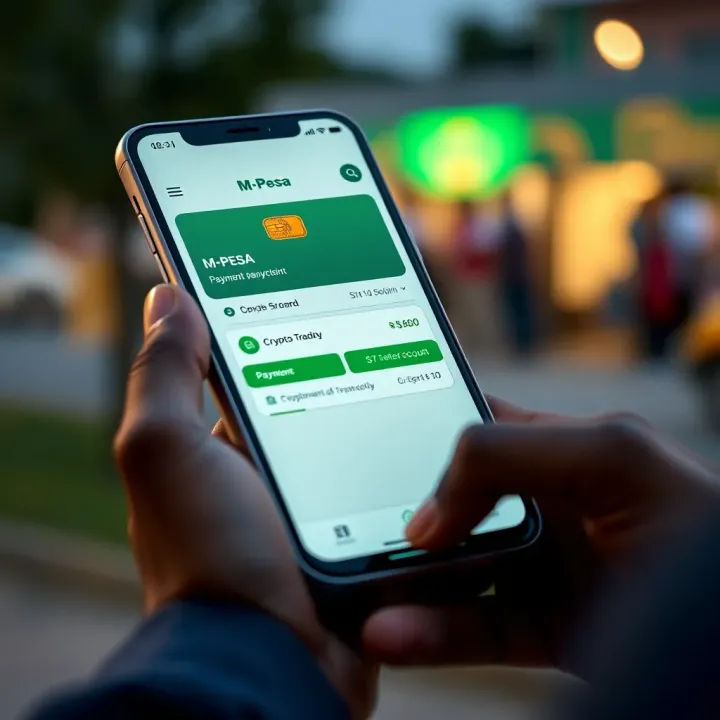
Using M-Pesa for deposits and withdrawals is one of the most convenient ways to handle your crypto wallet in Kenya. Most major exchanges supporting Kenyan traders integrate M-Pesa, allowing you to fund your trading account quickly without the need for bank transfers or cards. For example, platforms like Binance and Luno let you link your M-Pesa number directly, so you can send KSh straight to your trading account and also withdraw profits seamlessly back to your mobile wallet.
This method is practical mainly because M-Pesa is widespread, secure, and fast, especially for smaller to medium transaction amounts common among new traders. However, remember to watch out for M-Pesa’s daily transaction limits and any applicable service charges by the exchange or Safaricom.
Bank transfers and card payments serve as alternative ways to move funds, often preferred for larger transactions or by traders who keep funds in their bank accounts. Most Kenyan banks, including Equity Bank, KCB, and Co-operative Bank, support quick transfers through platforms like Lipa Na M-Pesa or direct bank deposit options offered by exchanges. Card payments via Visa or Mastercard are also accepted on some trading platforms but may come with foreign transaction fees.
While bank payments can be slightly slower compared to M-Pesa, they provide a straightforward route for traders comfortable with conventional banking. Keep in mind your bank’s policies and cut-off times to ensure timely deposits especially if you want to capture a particular market opportunity.
Understanding order types is fundamental before executing any trade. The most common are market orders, which buy or sell immediately at the current price, and limit orders, which only execute when the price hits a specific level you set. For example, a market order works well if you want to buy Bitcoin quickly, while a limit order helps when you aim to buy Ethereum at a lower price than the current market.
Knowing these order types helps you control your trading costs and decide the best entry or exit points. Some platforms also offer stop orders, handy for managing risks by automatically selling if prices drop to a set level.
Executing buy and sell orders is fairly straightforward but requires careful attention. Once your account is funded, you just choose the coin, enter the amount, select the order type, and confirm. For instance, if you plan to buy Bitcoin worth KSh 10,000 using a market order, the exchange will complete the purchase at the best available rate.
When selling, similarly, you specify how much to sell and pick whether it’s immediate or conditional. Keep in mind the charges associated with each transaction, as these directly impact your net returns. Starting small with your first trades also helps you get familiar with the process without risking large sums.
A practical, well-planned start reduces surface-level mistakes and sets a strong foundation for successful crypto trading in Kenya.
By correctly funding your account and understanding how to place orders, you will navigate the crypto market more confidently and avoid common pitfalls faced by new traders. This hands-on approach is critical before progressing to advanced trading methods or managing more complex portfolios.
Cryptocurrency trading in Kenya comes with its unique set of risks, making it essential to manage these effectively and safeguard your investments. Without solid strategies, even experienced traders can lose significant sums. Understanding risk management and security measures shields you from sudden market swings, scams, and technical pitfalls.
Setting stop-loss and take-profit levels helps control losses and lock in gains automatically. A stop-loss order instructs your platform to sell a coin when its price falls to a certain point, preventing deeper losses if the market turns against you. For instance, if you buy Bitcoin at KS million, you might set a stop-loss at KS.7 million to cap your loss at 10%. On the other hand, a take-profit order sells when a coin reaches a target price, securing your gains without needing to watch the charts constantly. This is particularly useful during volatile times when prices can swing rapidly.
Diversifying your crypto portfolio lowers the overall risk. Relying on one coin, say Ethereum alone, means your entire capital’s performance depends on that single asset. By spreading investments across various cryptocurrencies such as Bitcoin, Binance Coin, and Cardano, you avoid putting all your eggs in one basket. This way, if one asset dips, gains in others might balance out the losses. Given the Kenyan market’s volatility, diversification helps smooth returns over time.
Using two-factor authentication (2FA) adds an extra safety layer beyond just your password. With 2FA, logging in or confirming a transaction requires a second proof of identity, often a code sent to your mobile or generated by an app like Google Authenticator. This prevents unauthorised access even if your password leaks or gets stolen. Since many Kenyan traders fund their accounts using M-Pesa, integrating 2FA on both your exchange and mobile money accounts reduces hacking risks dramatically.
Keeping wallets and private keys secure is vital as these control access to your cryptocurrency. Hardware wallets, which are physical devices storing keys offline, offer strong protection against online threats. For example, Ledger and Trezor devices are popular worldwide and increasingly available in Kenya. If you use software wallets, ensure they’re from reputable providers and always back up your private keys in a secure place. Never share your private keys or seed phrases, as anyone with these can withdraw your coins immediately. Some traders keep backups on encrypted USB drives stored separately to avoid losing access due to device failure or theft.
Safeguarding your investments involves both smart trading moves and tight security habits. Mistakes or negligence in either can wipe out months of gains in a flash.
In summary, combining risk management tools like stop-loss orders and diversification with solid security practices including 2FA and wallet safety helps Kenyan traders protect their crypto assets. This practical approach keeps you prepared for market ups and downs while defending against common threats.
Understanding the regulatory and tax landscape is vital for anyone trading cryptocurrency in Kenya. Staying on the right side of the law prevents unnecessary fines or legal troubles and helps build trust with financial institutions and other traders. Knowing your tax obligations ensures you don't face surprise demands from Kenya Revenue Authority (KRA) after a profitable trading month.
Kenya currently has no specific legislation that outright bans cryptocurrency trading, but it remains an unregulated space. As of now, the government treats cryptocurrencies as digital assets rather than official currency. This means you won’t find clear rules on consumer protections or dispute resolution like you would with banks. For example, if a crypto exchange collapses or disappears, traders might find it hard to seek redress through the courts.
While no explicit crypto laws have been enacted, several government agencies keep a close eye on developments. The lack of solid regulation means users should exercise extra caution, especially with peer-to-peer trading, where scams are more common.
The Central Bank of Kenya (CBK) has taken a cautious stance on cryptocurrencies. It does not recognise crypto as legal tender and has warned the public about the risks, such as price volatility and fraud. CBK also prohibits banks and other regulated financial institutions from facilitating cryptocurrency transactions, which explains why many traders rely on mobile money platforms like M-Pesa for deposits and withdrawals instead.
Though CBK’s position limits formal financial services involvement, it signals that any major regulatory changes will come from them. Traders should monitor CBK announcements because future policies could impact liquidity and accessibility significantly.
Crypto trading profits in Kenya are subject to taxation as capital gains or business income, depending on the scale of trading activities. For an occasional trader making small gains, declaring profits during annual tax returns is necessary, just like income from other investments.
Losses, on the other hand, may be offset against taxable crypto gains if properly documented. For example, if you bought Bitcoin for KSh 500,000 and sold at KSh 700,000, the KSh 200,000 gain is taxable. Keeping detailed records of transactions is crucial, as KRA can request evidence to verify your declared profits or losses.
KRA requires taxpayers to declare all cryptocurrency earnings on their iTax returns. Since crypto is relatively new, some uncertainties remain, but KRA treats digital currencies similarly to other income for tax purposes. Traders should register for a KRA Personal Identification Number (PIN) if they haven’t already.
Filing accurate tax returns helps avoid penalties and audits. Using clear transaction records from exchanges or wallets simplifies this process. Being proactive by seeking advice from tax professionals familiar with digital assets can also safeguard you from mistakes. Finally, remitting taxes promptly maintains good standing with KRA and supports Kenya’s growing financial ecosystem.
Navigating Kenya’s regulatory and tax requirements for cryptocurrency trading demands clear understanding and preparation, but this attention to compliance brings peace of mind and long-term viability for your trading activities.
Learn how to trade forex in Kenya with tips on M-Pesa payments, managing KSh funds, local currency trends, and smart strategies to trade safely 📈💼

📈 Master Olymp Trade with this practical guide for Kenyan traders! Learn registration, M-Pesa deposits, smart strategies, risk checks, and avoid scams confidently.
💰 Explore cryptocurrency trading in Kenya with practical tips on strategies, platforms, risks, and legal info to trade confidently in the local market.

Learn how Olymp Trade Kenya works, its features, payment options like M-Pesa, safety tips, and how to trade smartly on this popular platform 📈💻
Based on 11 reviews