

Olymp Trade Kenya: How to Start Trading Safely
Learn how Olymp Trade Kenya works, its features, payment options like M-Pesa, safety tips, and how to trade smartly on this popular platform 📈💻
Edited By
Clara Mitchell
Trading online has become increasingly popular in Kenya, especially as more people look for ways to grow their savings beyond traditional banking. Olymp Trade is one of the platforms gaining traction among Kenyan traders, thanks to its user-friendly interface and compatibility with local payment methods like M-Pesa.
However, stepping into online trading without clear guidance can be risky. This guide breaks down the essentials of Olymp Trade specifically for Kenyan users, helping you navigate registration, deposits, and trading strategies with confidence.
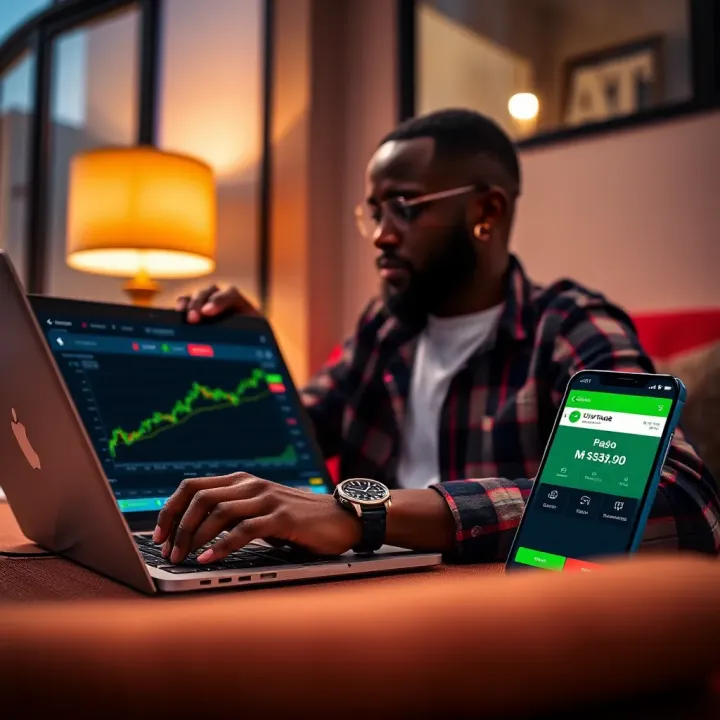
Olymp Trade offers fixed time trades and Forex trading, catering to both beginners and more experienced traders. One of its main draws for Kenyans is the ease of depositing and withdrawing funds through mobile money platforms, eliminating the usual banking delays.
Moreover, Olymp Trade provides a demo account where you can practise without risking real money. This is especially important to build your skills before moving to live trades.
Remember, trading is not about quick wins but steady learning and smart risk management.
Seamless deposits and withdrawals with M-Pesa: No need for bank cards; just use your mobile money.
User-friendly mobile app: Trade on the go, perfect for busy hustlers.
Education resources: Tutorials and webinars help you understand market movements.
By focusing on these features, Kenyan traders can make the most out of Olymp Trade's offerings while mitigating common pitfalls.
The following sections will guide you through setting up your account, funding it securely, and adopting effective trading techniques suited to local market conditions.
Stay tuned to make your trading journey clearer and more manageable.
Understanding how Olymp Trade works and the options it offers is the first step for any Kenyan trader aiming to make informed decisions. Grasping the platform’s core features can help you avoid common pitfalls and maximise your chances of success. For example, knowing the difference between Forex and options trading means you can pick the approach that suits your style and market outlook.
Olymp Trade is an online trading platform where users buy and sell financial instruments to profit from price movements. It operates across multiple asset classes and provides tools for both beginners and experienced traders. The platform is accessible through a web browser or mobile app, making it easy for traders in Kenya to participate at any time, even from their phones. Olymp Trade also offers demo accounts, which are great for practising without risking real money.
Forex trading on Olymp Trade involves buying or selling currency pairs based on their exchange rate fluctuations. For Kenyan traders, this means you can speculate on pairs like USD/KES or EUR/USD. Since the forex market is highly liquid and operates 24 hours on weekdays, you get ample trading opportunities to react to global economic events. It’s suitable for those who understand how currencies react to political and economic news.
Options on Olymp Trade allow you to predict whether an asset’s price will go up or down within a specific timeframe. Unlike traditional forex, options have a fixed expiry, and you know your potential profit or loss upfront. This suits traders who prefer shorter-term trades with clear risk levels. For instance, you might bet on the price of Brent crude oil rising over the next 15 minutes, and if the prediction holds, you gain a predetermined return.
With the rise of digital currencies, Olymp Trade offers cryptocurrency options where you can trade assets like Bitcoin and Ethereum. Given Kenya’s growing interest in crypto, this feature allows traders to tap into this volatile market directly. It’s helpful for those looking to diversify but should be approached carefully due to crypto’s notorious price swings.
Olymp Trade also provides options for commodities like gold and silver, as well as indices representing groups of stocks, such as the Nasdaq 100. Trading these instruments lets you benefit from broader economic trends—for example, shifts in global demand for metals or stock market movements without buying actual shares. This aspect can be useful for Kenyan traders wanting exposure beyond currencies.
Placing trades on Olymp Trade is straightforward. You select your asset, choose either to buy or sell (often called 'call' or 'put' in options trading), set how much you wish to invest, and pick your trade duration. The platform’s interface visually guides you through these steps. Once the trade runs its course, the system automatically calculates your profit or loss based on market movements and your prediction.
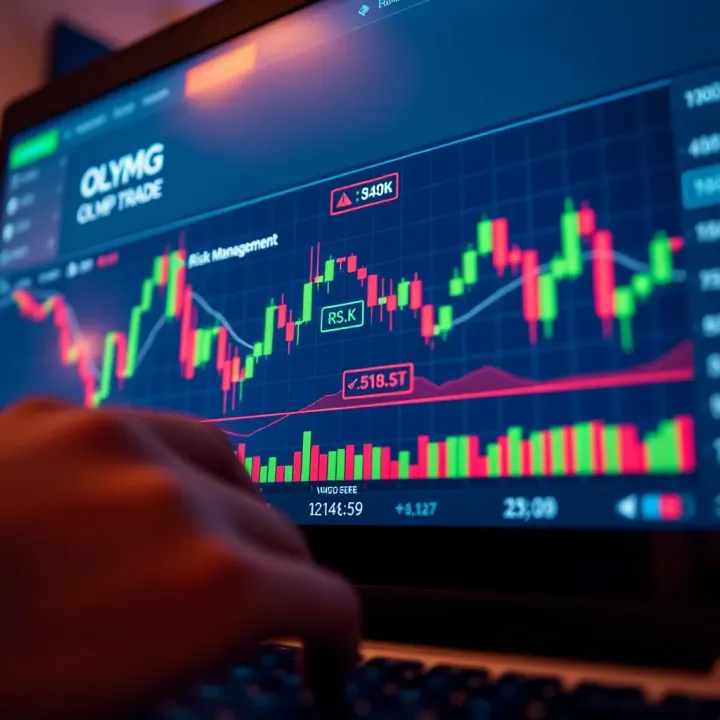
Remember, the key to success on Olymp Trade is understanding your chosen instrument thoroughly and trading within your risk limits. The platform provides tools to help, but your knowledge is what truly drives good results.
By getting familiar with these options and how trades work, Kenyan users can approach Olymp Trade with confidence and clarity, avoiding guesswork and focusing on strategies suited to their financial goals and risk appetite.
Creating an Olymp Trade account is the first step for any Kenyan trader aiming to tap into this platform's opportunities. Given the unique payment methods and verification requirements in Kenya, understanding the registration and setup process helps avoid delays and ensures your account is ready for trading without hitches.
Registering is straightforward but requires a few careful steps. Start by visiting the official Olymp Trade website or using their app. You'll be asked to provide your full name, valid email address, and a strong password. Next, select Kenya as your country to ensure local services, such as M-Pesa payments, are available. You also need to confirm your phone number, preferably the one linked to your M-Pesa account, as this streamlines deposit and withdrawal.
Before proceeding, you’ll choose your preferred currency; Kenyan Shillings (KSh) is commonly supported, making it easier when you load or withdraw funds. Once submitted, an email confirmation will be sent to verify your contact details. Completing this process creates a basic account ready for demo or live trading.
The demo account is a vital tool, especially if you’re new to trading or Olymp Trade. It provides KSh 10,000 virtual funds, letting you practise trading without risking real money. This helps you get familiar with tools, test strategies, and understand market movements in a risk-free environment. For example, you could try out forex trades on the Kenyan Shilling versus the U.S. dollar pairing to observe market trends without financial exposure.
Once confident, upgrading to a live account allows you to trade with real funds. Live accounts support deposits through methods common in Kenya, such as M-Pesa, bank transfers, or card payments. Real trading means real gains and losses, so managing your risk is crucial here. Live accounts also offer access to full market information, trading options, and customer support tailored to Kenyan traders. Notably, Olymp Trade often provides bonuses or promotions exclusive to live accounts, helping boost your initial capital.
Verification is a regulatory requirement to keep your trading secure and compliant with international standards. Olymp Trade will request identification documents, typically a scanned Kenyan national ID or passport, proof of address like a utility bill, and sometimes a selfie for facial confirmation. This ensures that your account is protected from fraudulent activities and aligns with anti-money laundering laws.
Completing verification might take a few days but is essential before withdrawing any funds. It is best to prepare these documents during registration to avoid trading interruptions. Kenyan traders benefit because compliant accounts have smoother withdrawal processes and greater trust from the trading platform.
Remember, setting up your Olymp Trade account correctly from the start saves you frustration later and keeps your investments secure.
This section equips Kenyan traders with practical steps to open, understand, and verify an Olymp Trade account, making the pathway to active trading clear and manageable.
For Kenyan traders on Olymp Trade, managing deposits and withdrawals smoothly is vital for confidence and convenience. Using payment methods that feel familiar and trustworthy reduces the hassle and delays often faced when transferring money internationally. Besides, localised payment options ensure you can fund your trading account and access your earnings without stumbling over foreign currency complexities or long processing times.
M-Pesa payments stand out as the most popular and practical deposit method for many Kenyan traders. Since M-Pesa dominates mobile money in Kenya with millions of daily users, it offers a quick and secure way to move funds directly from your Safaricom wallet to your Olymp Trade account. Deposits via M-Pesa typically process instantly or within a few minutes, letting you start trading right away without waiting around.
Bank transfers are another option, favoured by traders who prefer direct dealings with their banks or have larger sums to transfer. Major banks like Equity Bank, KCB, and Co-operative Bank support transfers to Olymp Trade’s corporate accounts, but the process might take longer compared to M-Pesa due to interbank clearing times. Still, bank transfers are safer for bulkier deposits and, for some, carry lower transaction fees.
Card payments — including Visa and MasterCard — provide flexibility, especially for users comfortable with online card use. With card payments, deposits clear almost immediately, allowing traders to capitalise on fleeting market opportunities. However, some banks may flag international card payments as suspicious, requiring prior approval or verification to complete the deposit successfully.
Withdrawing your profits is straightforward but varies depending on the payment method. For M-Pesa, payouts usually reflect in your mobile wallet within a couple of hours or up to one business day. Bank transfers may take two to five business days depending on the bank’s processing speed. Card withdrawal times tend to mirror deposit speeds but may sometimes take longer due to additional checks. Always verify your account fully before initiating a withdrawal to avoid delays.
To ensure deposits and withdrawals go without a hitch, keep these points in mind:
Always double-check your payment details before submitting to avoid errors.
Verify your Olymp Trade account promptly by submitting all required documents — incomplete verification can block withdrawals.
Use the same payment method for withdrawal as you did for deposit to comply with platform rules and ease tracking.
Monitor your bank or M-Pesa statements regularly to spot any irregularities early.
Contact customer support immediately if transactions take longer than expected or you notice discrepancies.
Successful money transfers on Olymp Trade depend on understanding the local payment environment. Using Kenya’s widely trusted options like M-Pesa helps you trade with fewer worries and keeps your cash flow steady.
This hands-on approach to managing deposits and withdrawals saves time and encourages smarter trading choices tailored for Kenyan users.
Using effective trading strategies and solid risk management is key to succeeding on Olymp Trade, especially for Kenyan traders navigating volatile markets. These tools help you make informed decisions and protect your capital from big losses. Without a clear plan or risk controls, even profitable trades can turn sour quickly.
Trend following involves identifying the overall market direction and trading alongside it. For example, if the price of the USD/KES pair shows a steady upward movement over several hours, a trend follower would buy, expecting the trend to continue. This approach is simple and avoids trying to guess market reversals, which beginners often find tricky. Its strength lies in riding momentum, but you have to watch out for sudden reversals that could eat into profits.
Support and resistance levels are price points where the market tends to reverse or stall. Support is the lower boundary where buying pressure usually stops prices from falling further, while resistance is the upper boundary where selling pressure might stop an uptrend. On Olymp Trade charts, marking these levels helps identify good entry and exit points. Suppose NSE 20 shares find support at KS50 and resistance at KS70 — buying near support and selling near resistance can increase chances of a successful trade.
Technical indicators add nuance by analysing price data mathematically to reveal trends, momentum, or volatility. Indicators like Moving Averages or Relative Strength Index (RSI) provide extra confirmation before entering or exiting trades. For instance, if the RSI shows a currency is overbought, you might anticipate a short-term fall and plan trades accordingly. While technical indicators require familiarity, they can refine timing and improve risk assessment.
Combining multiple assets means diversifying your trades between different instruments, such as forex pairs, cryptocurrencies, and commodities. Rather than betting all on one asset like EUR/USD, spreading across several reduces risk from unexpected moves in any single market. For Kenyan traders, this also helps navigate periods when local forex or commodity markets might see unusual volatility, balancing potential losses with gains elsewhere.
Setting stop-loss levels is crucial to limit losses by automatically closing a trade when the price moves unfavourably beyond a set point. For example, if you buy gold at KSh6,500 per gram, a stop-loss at KSh6,450 can prevent bigger losses if the price drops. This hands-off risk control prevents emotional decisions and helps safeguard your trading funds.
Limiting trade sizes means only risking a small percentage of your total capital on each trade, typically around 1–3%. This keeps any one loss manageable and protects your overall portfolio from quick depletion. For someone with KS0,000 in their Olymp Trade account, risking KS00 per trade maintains enough shield against a string of bad trades, allowing you to stay in the game longer and learn.
Balancing the right strategies with sound risk management is what separates consistent traders on Olymp Trade from those burning through their funds. Always plan your trade, know your limits, and keep learning from each move.
Trading on platforms like Olymp Trade offers opportunities, but also comes with risks, especially when scams are rife. For Kenyan traders, knowing how to spot genuine trading sites from fraudulent ones is critical to protecting your money and personal information. Scams often target beginners and sometimes even seasoned investors who aren’t careful. Being able to identify legitimate platforms helps you trade confidently and avoid costly mistakes.
A safe trading platform will be transparent about its operations and regulations. One key factor is licensing. For instance, Olymp Trade is regulated by the International Financial Commission (FinaCom), which offers a dispute resolution mechanism—something many scams lack. Kenyan traders should always check for valid licences from recognised authorities, whether local or international.
Beyond that, a secure platform regularly updates its software and uses encrypted connections to protect user data. You can test this by looking for “https” in the website’s URL and a padlock symbol next to it. Also, genuine platforms provide clear information on their trading conditions, fees, and terms of use. If a platform promises unusually high returns without risk or has vague details about how it operates, that should raise suspicion.
Scammers often use pressure tactics, pushing you to deposit more money quickly or to recruit others. Watch out for unsolicited messages, aggressive phone calls, or emails urging immediate action. They might also claim to have “guaranteed wins” or insider tips—trading always carries risk, so such promises are unrealistic.
Another red flag is difficulty withdrawing your money. If a platform delays payouts, adds sudden fees, or makes the withdrawal process overly complex, it’s likely a scam. Kenyan traders should beware of websites with poor user reviews or limited customer support channels.
For Kenyan users of Olymp Trade, safety starts by sticking to official channels—register on the verified Olymp Trade site or app. Fund your account through trusted methods like M-Pesa, bank transfers, or cards recognised locally. Avoid sharing your login details with anyone and use strong, unique passwords.
Keep your software updated and be cautious with public Wi-Fi when trading. Also, always confirm any communication supposedly from Olymp Trade by logging into your account directly rather than clicking on links in emails or messages. Remember, Olymp Trade’s support team never asks for your password or PIN.
Trading safely means being cautious and informed. Stay alert to warning signs, use legitimate routes, and safeguard your credentials to enjoy a better experience on Olymp Trade.
By applying these practical steps, Kenyan traders can protect themselves well and have more confidence navigating the online trading world.
Learn how Olymp Trade Kenya works, its features, payment options like M-Pesa, safety tips, and how to trade smartly on this popular platform 📈💻

🤔 Wondering if Olymp Trade is real or fake? This review breaks down its legitimacy, withdrawal speed, risks, and user feedback to guide Kenyan traders wisely.

Is Olymp Trade safe and legit for Kenyan traders? Learn about its regulations, security, local use, and risks before you invest your KSh.📈🔒
Learn how to trade forex in Kenya with tips on M-Pesa payments, managing KSh funds, local currency trends, and smart strategies to trade safely 📈💼
Based on 7 reviews