

Olymp Trade Kenya: How to Start Trading Safely
Learn how Olymp Trade Kenya works, its features, payment options like M-Pesa, safety tips, and how to trade smartly on this popular platform 📈💻
Edited By
Emily Harrison
Trading during the London session has a big impact on global financial markets, and Kenya is no exception. Understanding how London’s trading hours line up with Kenyan time is essential for anyone involved in forex, stock markets, or businesses that rely on these trading activities.
The London trading session officially runs from 8:00 am to 4:00 pm Greenwich Mean Time (GMT). Kenya operates on East Africa Time (EAT), which is GMT+3. This means when London’s markets open at 8:00 am, it is already 11:00 am in Kenya. Correspondingly, the London session closes at 4:00 pm GMT, which is 7:00 pm Kenyan time.

This timing overlap makes the London session especially relevant to Kenyan traders and investors. Since London is a key global financial hub, many major currency pairs like GBP/USD, EUR/GBP, and GBP/JPY experience their highest volatility during these hours. Kenyan traders can expect more activity and tighter spreads during this time, offering better opportunities for entry and exit.
Kenyan traders should pay attention to London session hours as market liquidity tends to peak, leading to more predictable price movements.
Besides forex, London’s session also influences global stock markets and commodities trading. Companies listed on the London Stock Exchange (LSE) announce earnings and other vital news during this window. A Kenyan investor holding shares or mutual funds linked to UK markets needs to track these hours closely.
Plan your trading day around the London session starting at 11:00 am EAT to catch the best market hours.
Use alerts for economic news releases from the UK, which often occur during this session.
For businesses relying on forex transactions or remittances involving GBP, aim to finalise trades during London’s active hours to benefit from favourable rates.
Be aware of daylight saving time changes in the UK, which shift London’s session by one hour and indirectly affect Kenyan trading times.
In summary, syncing with London session time offers Kenyan traders and investors a practical advantage, boosting their chance to make informed decisions and improve returns. Aligning trading activities with this window is a smart move for anyone serious about financial markets affected by London’s pulse.
Understanding the London trading session is key for Kenyan traders and businesses that deal in the forex market or with international clients. This session is one of the most active periods in global financial markets. Since Kenya operates in East Africa Time (EAT), knowing how this fits with London time helps in scheduling trades, calls, and business activities without missing critical windows.
The London trading session officially runs from 8:00 am to 4:30 pm London time. ForKenyan traders, these hours cover much of the working day and often overlap with other important markets, increasing trading volume and liquidity. For example, around 10:00 am London time, both London and New York markets are open briefly together, providing heightened market activity.
This timing is practical because it covers peak European market hours when major financial institutions execute trades. For traders in Kenya, this means the best opportunities to buy or sell currencies like the British pound (GBP), euro (EUR), and US dollar (USD) often come during these hours, especially when important economic data is released.
London is considered the financial hub of Europe and plays a crucial role in setting global forex trends. The city's stock exchange, banks, and financial institutions handle vast volumes daily, influencing price movements across various assets worldwide.
The session’s importance is due to London’s geographical location bridging Asian and American markets. Its session overlaps partly with the end of the Asian market and start of the US market, which often results in higher volatility and potential profits. Kenyan traders who master this timing can make informed decisions and adapt strategies to these global rhythms.
Kenya follows East Africa Time (EAT), which is consistently three hours ahead of Coordinated Universal Time (UTC+3). This zone does not change throughout the year, unlike London.
Because of this, Kenya maintains a fixed time difference with London except during British summer time adjustments. Typically, Nairobi is three hours ahead of London when UK is on standard time and two hours ahead when the UK observes daylight saving.
During the UK's standard time (roughly November to March), London operates on Greenwich Mean Time (GMT), and Nairobi is three hours ahead. For example, when it is 8:00 am in London, it’s 11:00 am in Nairobi.
This gap means Kenyan traders can engage actively mid to late morning, syncing well with London’s market activity without starting their day too early. Businesses involving London can easily schedule calls in the Kenyan workday without much distortion.
When UK clocks move forward by one hour in late March to start British Summer Time (BST), London shifts to GMT+1. This reduces the time difference with Nairobi to two hours.
Consequently, the London session opens earlier for Kenyan participants, starting at 10:00 am EAT instead of 11:00 am. Traders must adjust their plans accordingly to avoid missing the early session spikes and stay synced with market openings.

Staying aware of these time shifts helps Kenyan traders and businesses avoid costly timing errors and maintain reliable communication with London counterparts throughout the year.
The London trading session holds particular significance for Kenyan traders and businesses because it overlaps with Kenyan business hours and influences global financial markets where many Kenyan enterprises engage. Understanding this session helps traders and investors anticipate market movements, while importers and exporters can align their communications effectively to avoid delays and unfavourable exchange rates.
The London session is pivotal in forex trading as it covers a substantial chunk of daily currency transactions. Major currency pairs like GBP/USD, EUR/USD, and USD/CHF experience heightened activity during this time. For Kenyan traders dealing with these pairs, knowing when the London market is active can offer better entry and exit opportunities. For example, a trader focusing on GBP/KES via brokers that provide direct GBP/USD exposure can benefit from understanding London’s open hours to catch the market peaks.
Trading volume tends to surge during the London session because it overlaps with both Asian and New York sessions briefly. This increase results in higher market volatility, which traders can exploit to their advantage. For instance, Kenyan traders might notice larger daily price swings during London hours, offering chances for short-term gains. However, increased volatility also demands careful risk management to avoid unnecessary losses.
For Kenyan businesses importing goods from or exporting to the UK and Europe, syncing operations with London business hours ensures smoother communication with suppliers, clients, and banks. Since Kenya is three hours ahead of London (except during UK daylight saving), making calls or processing documents in London’s working hours is practical and avoids unnecessary back-and-forth caused by mismatched times. A Kenyan exporter aiming to confirm shipping details early in London’s trading day can plan their schedule around these hours to enhance responsiveness.
Kenyan businesses exposed to GBP and EUR currency risks should pay close attention to London trading times since forex rates fluctuate more during this session. For example, an importer buying stock priced in pounds might see the rate shift significantly during London open hours, impacting costs and profit margins. Staying informed allows these players to time their currency conversions or hedge positions effectively, thus protecting their businesses from sudden exchange rate swings.
For Kenyan traders and business people, grasping the London session hours is not just about clock-watching. It directly impacts trading success, timely communication, and financial decision-making linked to international markets.
Aligning your work and trading schedule to the London session can be a challenge but it’s necessary for anyone engaged in forex, commodities, or stock markets linked to London. Since the session runs mainly from 10 am to 7 pm Nairobi time (East Africa Time), Kenyan traders and businesses must fine-tune their routines to capture the best opportunities without burning out. This section offers practical advice on how to manage your time effectively and get the most from the London market hours.
The London session overlaps with both the early European and late Asian trading sessions. For Kenyan traders, the peak period tends to be between 10 am and 4 pm, when liquidity and market volatility are highest. This is the sweet spot for trading major currency pairs like GBP/USD, EUR/GBP, and USD/CHF, which show increased activity due to high participation from London financial centres. Outside these hours, spreads tend to widen and trading risks rise.
A practical example: a Kenyan forex trader focusing on day trading should plan orders and trades around this peak window. This limits exposure to less liquid periods and poor price movements. Importantly, businesses relying on currency markets for imports or exports can time their hedging activities within this prime period to reduce costs.
Technology plays a vital role in keeping track of London session times and market movements. There are plenty of free apps and websites — including trading platforms like MetaTrader and specialised tools — that show real-time session hours adjusted to Nairobi time, accounting for daylight saving changes in the UK.
Setting alerts for market openings and important announcements can prevent missed opportunities. For instance, a mobile notification ten minutes before the London session starts provides a handy reminder for Kenyan investors monitoring several markets or juggling other jobs. Integrating trading schedules with digital calendars streamlines planning and allows businesses to coordinate team activities around London hours effortlessly.
Adjusting to London trading hours might mean starting your day earlier or staying up late, especially when daylight saving shifts the hours. To avoid burnout, establish a consistent sleep routine by going to bed and waking up at the same time daily, even on weekends. Using blackout curtains and limiting screen time before sleep helps improve rest quality.
Moreover, it helps to prioritise tasks during your most active hours. So, if trading happens early, handle complex analysis before starting; then, dedicate the rest of your day to less demanding duties. This approach prevents exhaustion and makes balancing London session demands more manageable.
Businesses and traders often face the tough juggle between local obligations and international market hours. One way is to delegate some tasks or share responsibilities within the team to cover off-peak hours. For example, a forex brokerage can assign an agent to handle London session trading calls while the rest focus on local clients.
Additionally, embracing flexible work arrangements helps. By adjusting working hours or allowing remote logins, Kenyan firms can bridge the time gap without affecting staff morale. Simple things such as scheduling internal meetings outside London peak hours ensure no one is left struggling to attend while managing the market’s pulse.
Staying in sync with London session hours means more than tracking time; it involves juggling your day sensibly to trade smart and keep life balanced. With a clear schedule and practical use of technology, Kenyan traders can maximise their market edge without sacrificing wellbeing.
Dealing with the London trading session from Kenya brings several practical challenges. Traders and businesses must navigate time differences, especially during the UK's Daylight Saving Time (DST), which affects session hours. Communication gaps between Kenyan local hours and London business times also pose difficulties. Understanding these hurdles helps you plan better and stay competitive.
Daylight Saving Time in the UK shifts the clock by one hour, usually starting in late March and ending in late October. For Kenya, which stays on East Africa Time (EAT) all year round without DST, this means the time difference with London changes between seven and eight hours depending on the season. When London moves an hour forward during DST, the London session starts earlier in Kenyan time, affecting traders who rely on precise timing for forex and other markets.
Being aware of these changes is vital. For example, during British Summer Time, the London session begins at 10 am EAT instead of 9 am. This shift can lead to missed trading opportunities or poor timing for meetings with London partners if not accounted for. Kenyan investors should adjust their schedules accordingly to stay aligned with market hours.
To stay updated, use reliable online world clock tools or financial platforms that automatically adjust for DST. Mobile apps with notification settings can alert you when the UK initiates or ends DST, helping avoid confusion. Subscribing to newsletters from trusted forex sites or financial news outlets also provides timely reminders.
The difference in business hours between Kenya and London often causes delays in calls, emails, and report exchanges. London’s working day usually ends while Kenya’s is still active, leading to time gaps where no immediate feedback is possible. For example, a Kenyan business seeking approval on a deal may face a delay until the next London business day, affecting decision-making speed.
To manage this, establish clear expectations with London counterparts about response times and deadlines. Use scheduled emails and calendar invites to ensure messages reach during the recipient’s working hours. When possible, agree on overlapping times for urgent calls, such as early morning in Kenya when London is mid-morning.
Delays in feedback can be frustrating but planning helps. Prepare reports and requests well in advance and avoid last-minute communications near London’s closing time. Automate reminders and keep a log of correspondence to track pending issues easily. Employing these strategies reduces friction and keeps business flowing smoothly despite time zone differences.
Staying ahead of London session timing and communication challenges improves your trading and business outcomes. A little planning goes a long way in bridging the distance between Nairobi and London offices.
Tracking the London trading session accurately is essential for Kenyan traders and investors. The time difference between Nairobi (East Africa Time) and London changes with daylight saving adjustments, making it easy to misjudge the best trading or business hours. With the right tools, you can stay on top of session times, avoid missing key market moves, and improve your decision-making.
Several online world clocks and forex trading platforms help monitor time zones effectively. Websites like Timeanddate or WorldTimeBuddy allow you to compare Nairobi and London time side-by-side, so you know exactly when the London session opens and closes. For example, during London’s daylight saving time, the six-hour difference shifts to seven hours, which some clocks automatically adjust for.
Trading platforms like MetaTrader 4 (MT4) or MetaTrader 5 (MT5) used by many Kenyan forex traders also display market hours, highlighting the active trading sessions. Using such platforms saves you from manually calculating time differences and helps you spot overlapping sessions, like the London-New York overlap, which is known for high liquidity.
Key features beneficial to Kenyan traders include automatic adjustment for daylight saving time changes, reminders for session openings, and the ability to set local time zones. These features reduce the risk of missing trades or key announcements. Some tools also provide real-time alerts when markets open or close, helping you react swiftly to price movements.
Setting up notifications on your mobile phone is a practical way to track London session openings. Apps like TradingView or Forex Factory let you set alerts that notify you when the London session starts. This approach is handy for busy traders or investors who cannot monitor the market continuously but still want to catch important session openings.
Integrating your trading schedule with your mobile or desktop calendar helps avoid missed opportunities. You can set recurring reminders for the London session hours adjusted to Kenya’s time zone, including changes during the Daylight Saving Time period. This integration ensures your trades or market analysis fit smoothly around your daily routine and local business commitments.
Simple tools like online clocks and mobile reminders do more than just tell time—they help Kenyan traders manage their workload and timing efficiently, which is crucial for successful trading during the London session.
Using these tools consistently will sharpen your timing in the forex and stock markets linked to London hours, giving you an edge in the competitive trading environment.
Learn how Olymp Trade Kenya works, its features, payment options like M-Pesa, safety tips, and how to trade smartly on this popular platform 📈💻

📊 Discover how to use the Deriv analysis tool effectively—learn setup, key features, and strategies for smarter trading and risk management in Kenya.

📈 Discover how DerivTradingView blends TradingView's charts with Deriv’s trading tools for Kenyan forex and CFD traders seeking smarter market analysis and control.
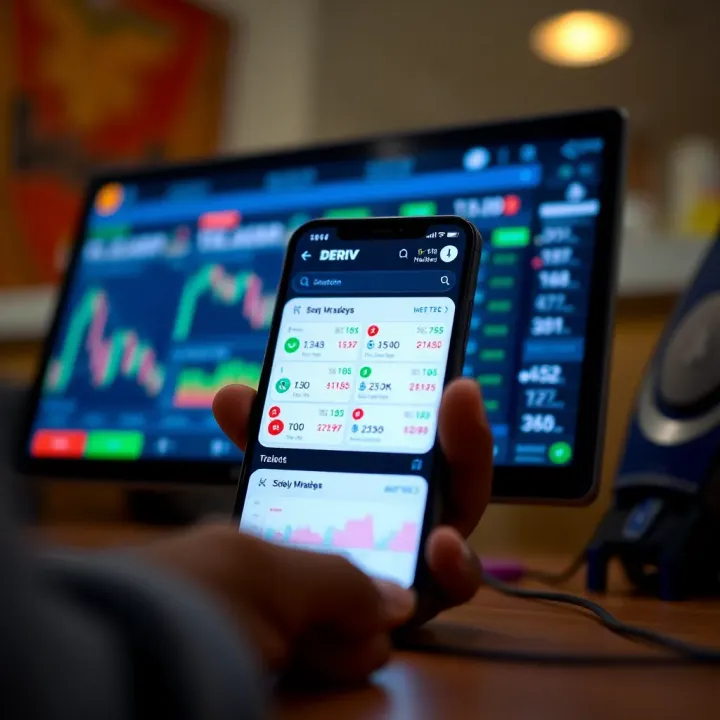
📈 Discover how to set up your Deriv account, explore markets, manage risks, and use smart trading strategies tailored for Kenyan traders. Trade with confidence today!
Based on 5 reviews