
How to Transfer Perfect Money to M-Pesa in Kenya
Learn how to safely transfer Perfect Money funds to M-Pesa in Kenya 🇰🇪. Step-by-step guide, top exchange rates, fees, & tips for smooth international wallet transfers 💸📲
Edited By
Oliver Bennett
For many in Kenya, using PayPal alongside M-Pesa has become essential, especially for freelancers, online sellers, and businesses handling international payments. PayPal serves as a convenient platform for receiving payments globally, while M-Pesa offers a fast and reliable way to manage funds locally. Understanding how to link these two platforms helps smoothen money movement without unnecessary delays or extra charges.
Linking PayPal with M-Pesa allows you to transfer funds directly from your PayPal account to M-Pesa, making it easier to access your hard-earned money in Kenyan shillings. This is particularly useful given the limitations on direct PayPal withdrawals to Kenyan bank accounts, which can be slower and carry higher fees.
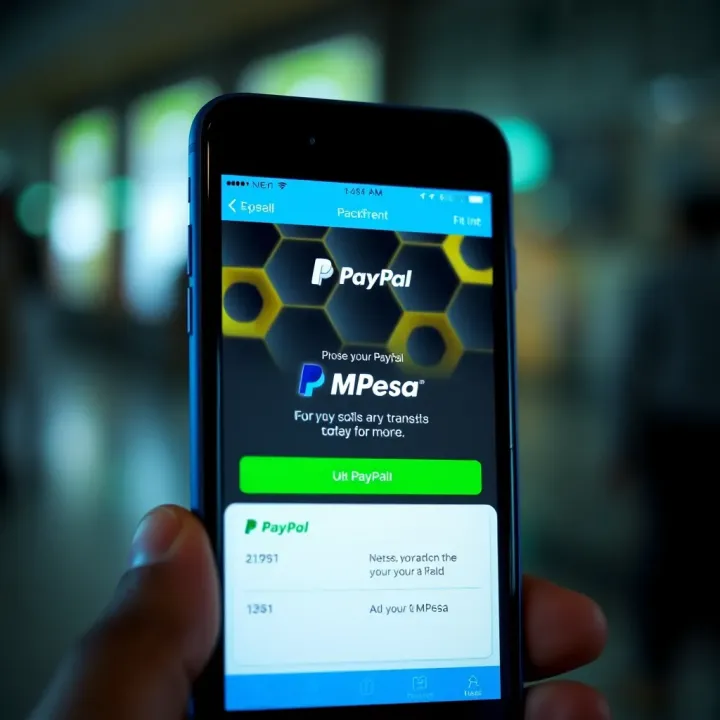
Many users find that integrating PayPal and M-Pesa saves time and reduces costs when transferring money from international clients, enabling quicker turnaround for payments and business operations.
This guide will walk you through the preparatory steps, including signing into PayPal, verifying your account, and linking it appropriately with services that connect to M-Pesa. We'll also look at the challenges encountered in the process and offer practical tips to handle common issues.
Whether you freelance by offering content writing, teaching online courses, or sell products via e-commerce platforms, knowing how to manage your PayPal and M-Pesa accounts efficiently improves financial control and accessibility. By the end of this guide, you should confidently manage transactions and transfers between the global PayPal system and local M-Pesa services with ease.
Linking PayPal to M-Pesa creates a bridge between global digital payments and Kenya’s widely used mobile money system. This connection matters because it simplifies how individuals and businesses receive and send money across borders. For Kenyan traders, investors, and freelancers, understanding this link can open up new markets and payment options, making financial operations smoother and more transparent.
PayPal is an international online payment system that allows users to send and receive money securely worldwide. By linking bank accounts or cards, users can shop online, pay for services, or transfer funds conveniently. Its buyer and seller protection policies make it a trusted platform for international transactions, especially where credit card usage is limited or risky.
M-Pesa is Kenya’s leading mobile money platform, operated by Safaricom. It enables users to deposit, withdraw, transfer money, and pay bills using their mobile phones without needing a bank account. Because of its accessibility, even to people in remote areas, M-Pesa is deeply entrenched in everyday Kenyan life. For example, someone in Kisumu can send money almost instantly to a relative in Nairobi using just their phone.
Both Kenyans and Nigerians rely heavily on M-Pesa and PayPal because these platforms fill gaps left by traditional banking. Many people lack access to full banking services but need to participate in global trade or freelance work paid in foreign currency. For instance, a Kenyan freelancer hired by a client in the US can receive payments through PayPal and then withdraw via M-Pesa for local use, avoiding cumbersome bank procedures.
Connecting PayPal and M-Pesa simplifies receiving money from abroad. Instead of long waiting times and high bank fees, users can transfer PayPal funds to a local M-Pesa account quickly. This convenience helps freelancers or small business owners who depend on foreign clients and reduces dependence on multiple intermediaries or informal channels.
Once PayPal and M-Pesa are linked, Kenyans can shop from international online stores that accept PayPal payments. This opens access to a wider range of goods and services not available locally. For example, a clothier in Nairobi can import raw materials from Alibaba or Etsy sellers by paying through PayPal, using funds moved via M-Pesa.
Freelancers and SMEs benefit from fast payment cycles. Funds received on PayPal can be withdrawn to M-Pesa in a matter of hours rather than days, improving cash flow. This speed allows businesses to pay suppliers or staff on time, manage expenses better, and grow with fewer liquidity hiccups. Also, M-Pesa’s popular mobile platform offers extensive reach even beyond urban centres, making it practical for SMEs in smaller towns.
Linking PayPal and M-Pesa is more than just connecting accounts — it’s about bridging global opportunities with local efficiency, empowering Kenyans to work, trade, and expand without borders.
Understanding these basics helps Kenyan users appreciate the practical value of the PayPal-M-Pesa connection, setting the foundation for smoother, more reliable financial transactions ahead.
Navigating PayPal from Kenya involves more than just entering your credentials. Since linking PayPal with M-Pesa serves critical needs — like receiving payments from clients abroad or shopping online — knowing how to set up and access your PayPal account properly is key. This guide helps you understand the process from account creation to smooth login on different devices, cutting unnecessary delays or frustrations.
Account signup is your first step. Visit the official PayPal site or use the app to register. Provide your personal details accurately, including your Kenyan address and valid email. Tying the account to a real, active email matters because PayPal will send confirmation links or alerts regarding your transactions. At signup, select the right account type—personal or business—depending on what you intend to do. For example, freelancers who get payments might choose a personal account, while small business owners prefer business accounts for extra features.
Identity verification requirements follow sign up. PayPal must confirm who you are to comply with international financial regulations. In Kenya, this means linking your account with a valid government-issued ID (like your national ID or passport) and sometimes confirming your bank details or mobile money number. It’s not just red tape; this reduces fraud risk and helps protect your funds. Verification can take a day or two, so apply early if you want to start using the account immediately.
Common mistakes to avoid include entering inaccurate details during signup, such as misspelling your name or giving a wrong phone number. Many users also select the wrong account type, later complicating their transactions. Another frequent error is neglecting the email confirmation step, which blocks full account access. Lastly, avoid shortcuts like using third-party verification services or unverified apps, as these bring security risks and might freeze your account.
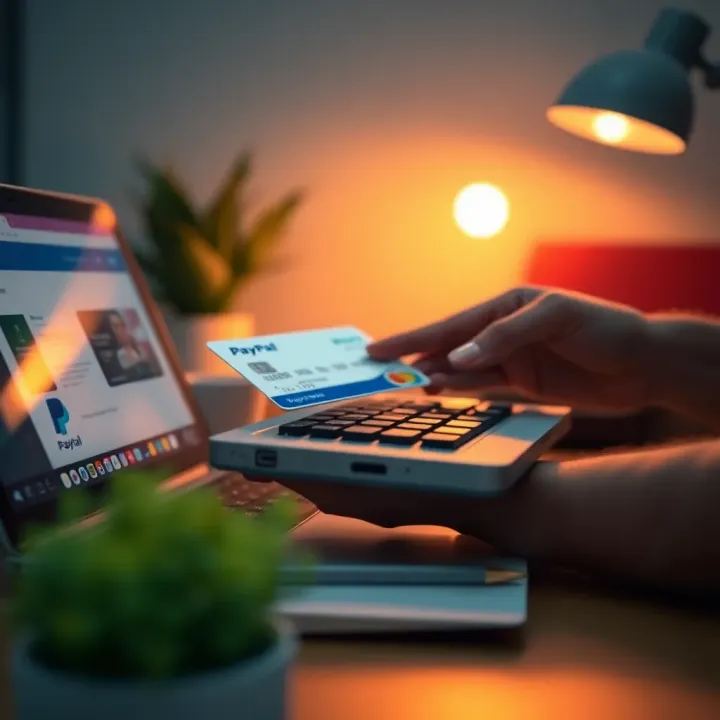
Using official websites and apps safely means always starting from PayPal’s official platform — either the website or the sanctioned mobile application available on Android or iOS stores. This reduces risk from phishing attacks or fake sites pretending to be PayPal. When logging in, check the SSL certificate on the site (usually shown as a lock symbol in the browser address bar) and keep your device’s software updated to avoid vulnerabilities. For example, many Kenyan users face login issues from outdated apps or browsers, which often block PayPal’s security protocols.
Troubleshooting login problems often requires patience and clear steps. Common hurdles include forgotten passwords, two-factor authentication (2FA) lockouts, or account suspensions because of suspicious activity. Reset your password through PayPal’s secure recovery option rather than guessing repeatedly, which may cause a temporary block. For those stuck with 2FA, check if your phone’s date and time are synced correctly, as mismatches can cause authentication errors. Should an account suspension happen, contact PayPal support directly to clarify the situation rather than trying unofficial fixes.
Logging in safely and correctly is the gatekeeper to using PayPal effectively with M-Pesa. A solid setup and cautious login practice keep your money and data secure.
By understanding these steps clearly, you'll avoid common pitfalls and speed your entry into using PayPal alongside M-Pesa seamlessly in Kenya’s digital financial ecosystem.
Linking your M-Pesa account with PayPal is key to making international money transfers easier, especially for freelancers, businesses, and anyone involved in cross-border trade. With PayPal handling global transactions and M-Pesa serving as a ubiquitous mobile money platform within Kenya, the connection between the two ensures users avoid costly delays and unfriendly exchange rates. This integration also opens doors to international e-commerce, where payments are often processed through PayPal but require local cash-out options like M-Pesa.
To begin, you must have both a registered M-Pesa account and an active PayPal account. Your M-Pesa should be linked to your Safaricom line, registered under your national ID. Similarly, a PayPal account needs to be verified with a valid email and linked to a bank account or card where possible. Without these basics, the systems cannot communicate or allow transfers.
In practice, a freelancer in Nairobi receiving payment from abroad will withdraw funds from PayPal only if they have these accounts in good standing. In case your PayPal account is unverified, withdrawal options via M-Pesa may be blocked.
Kenya Revenue Authority (KRA) compliance is central to financial transactions in Kenya. To connect PayPal with M-Pesa, you need a valid KRA Personal Identification Number (PIN). It’s also important to provide correct bank details, even if transactions primarily go through M-Pesa, since PayPal often requires a bank account for verification and withdrawal processing.
Consider this the government’s way of tracking your income for tax purposes and preventing fraud. Many businesses dealing with cross-border payments regularly update their KRA and banking info to keep payments smooth and compliant.
Direct PayPal-to-M-Pesa transfers are not yet fully supported by either platform, so you need to register with authorised PayPal partners in Kenya. These partners act as bridges, converting PayPal balances into M-Pesa cash.
For example, platforms like Pezesha or Mazishi Money provide such services, allowing users to withdraw funds from PayPal and have them sent straight to M-Pesa wallets. Registering with these partners ensures you stay within legal frameworks and benefit from secure withdrawals.
Once set up with a partner, transferring money involves logging into your partner account, linking your PayPal, then requesting withdrawal to your M-Pesa number. The partner handles the currency exchange and sends the money directly to your mobile wallet.
This process is practical for freelancers paid in dollars, who then need quick access to Kenyan shillings. It skips the lengthy bank transfer process, letting you get funds via M-Pesa within hours in most cases.
Each step between PayPal, the payment partner, and M-Pesa attracts fees. PayPal itself deducts a withdrawal charge and currency conversion cost. The partner usually adds a small percentage for facilitating the transfer, and M-Pesa applies a cash-in fee.
For instance, withdrawing KSh 50,000 worth of PayPal balance might incur a combined fee of about 3% to 5%, depending on the partner and exchange rates. Being aware of these fees helps you plan better and avoid surprises.
Typically, PayPal to M-Pesa withdrawals through partners take from 1 to 3 hours, sometimes up to 24 hours when network congestion or verification steps slow the process. For urgent transfers, some partners offer instant withdrawals with slightly higher fees.
Understanding transaction timeframes keeps expectations realistic. If your payment is delayed beyond 24 hours, contacting the partner’s support is advisable.
Unlike withdrawing from PayPal to M-Pesa, funding your PayPal wallet from M-Pesa is less direct. You usually need to transfer money from M-Pesa to a linked bank account that supports PayPal top-ups, or use a trusted agent service that converts M-Pesa funds into PayPal credits.
This method suits Kenyans buying services or products internationally through PayPal or making monthly payments to freelancers abroad. A typical route might involve bank transfer from M-Pesa to KCB or Equity Bank, then topping up PayPal from the bank account.
There are strict regulations on sending money abroad, mainly to prevent money laundering and fraud. These include transaction limits on both M-Pesa and PayPal sides, plus KRA reporting for large sums.
You cannot simply link your accounts for unlimited funding; you must adhere to limits—such as M-Pesa’s daily transaction caps (currently KSh 150,000 per day). Also, PayPal may require additional verification for high-volume payments, which means frequent check-ins to stay compliant.
Linking M-Pesa and PayPal opens access to a wider world of finance but requires attention to regulatory demands, fees, and proper account setups. Having all your details in order saves both time and money in the long run.
Using PayPal with M-Pesa in Kenya can streamline financial transactions, but users often face some challenges. Understanding these obstacles and how to tackle them helps prevent frustration and ensures smooth money movement. Whether you are a freelancer waiting on client payments or a trader handling cross-border sales, knowing what could go wrong and how to fix it saves you time and costs.
Causes of transaction delays often relate to network issues, verification limits, or partner agent workloads. For example, money sent from PayPal through registered withdrawal partners may take longer during peak hours or when Safaricom’s M-Pesa system is updating. Additionally, exceeding daily transfer limits or incomplete account information can stall payments unexpectedly.
Steps to resolve failed payments include first confirming all account details match the registered information — mismatched KRA PINs or phone numbers often cause rejection. Next, check your transaction status on both PayPal and M-Pesa apps before contacting customer support. If the failure is due to system downtime, waiting a few hours usually resolves it. Reporting issues promptly to Safaricom or PayPal prevents delays from persisting and can lead to quicker refunds or reprocessing.
Breakdown of PayPal and M-Pesa charges is crucial for budgeting your transactions. PayPal typically charges a percentage fee for receiving international payments, while M-Pesa levies withdrawal and service fees depending on the amount. For instance, withdrawing KSh 10,000 from M-Pesa after transferring from PayPal could attract both a 1.5% PayPal fee and a fixed M-Pesa withdrawal fee around KSh 41.
How to minimise currency exchange losses involves planning ahead and choosing the right timing for transfers. Exchange rates fluctuate, and using PayPal’s conversion might be more expensive than using your local bank's rates or trusted forex bureaus. Some users prefer withdrawing to their Kenyan bank accounts linked to M-Pesa first, then withdrawing cash later to avoid double fees.
Protecting your login details means never sharing passwords or PINs and enabling two-factor authentication on both PayPal and your Safaricom account. A common mistake is accessing accounts on public Wi-Fi without protection, which can expose sensitive information.
Recognising and avoiding scams is vital since fraud is common. If you receive unusual requests to share M-Pesa codes or PayPal passwords, or offers that seem too good to be true, do not engage. Trust only official communication channels and verify any suspicious activity immediately.
Using official channels only refers to transacting through registered PayPal Kenya partners, Safaricom M-Pesa platforms, and verified financial institutions. Avoid using unlicensed third-party services to link accounts, as these may jeopardise your funds and personal data.
Staying alert and informed about common challenges helps you manage your PayPal and M-Pesa transactions confidently and securely. Whether dealing with delays, fees, or scams, simple precautions make a big difference in your financial dealings.
Connecting PayPal to M-Pesa opens a world of possibilities, but knowing the local resources and additional tips can make handling transactions a lot easier. These pointers help you avoid common pitfalls and speed up your experience, especially when dealing with cross-border payments or verification challenges.
Licensed PayPal-M-Pesa Agents and Platforms
In Kenya, not all exchanges between PayPal and M-Pesa happen directly through these services; many rely on licensed third-party agents who facilitate withdrawals and deposits. These agents are authorised to provide you with a reliable and safer way to convert your PayPal balance to M-Pesa cash. For instance, platforms like WorldRemit and Sendy are well-known for their licensed services that Kenyan users trust for quick conversions without unnecessary bureaucracy.
Dealing with such licensed agents means reduced risk of scams and fraud. Always confirm that the platform or agent is officially recognised; uncertified ones often promise low fees but can lead to loss of funds. Real-life cases exist where users have lost significant amounts due to unlicensed or unknown agents, so sticking to reputable services is key.
Using eCitizen and KRA for Verification
Verifying your identity is necessary for many financial platforms including PayPal and M-Pesa. The eCitizen portal is the government’s official online service where you can apply for and access numerous services such as a digital KRA PIN (Kenya Revenue Authority Personal Identification Number) or update your details.
When registering accounts or linking your PayPal to M-Pesa, having a KRA PIN verified via eCitizen adds credibility and smooths the process. Banks and payment platforms often check the KRA status for AML (Anti-Money Laundering) compliance, hence ensuring your KRA details on eCitizen are current and verified helps prevent delays or account blocks.
Safaricom Customer Care for M-Pesa
Safaricom, which manages M-Pesa, has a dedicated customer care service to help with transaction issues, account closures, or security concerns. You can reach them through their helpline (100 from Safaricom lines) or visit Safaricom shops in towns like Nairobi or Mombasa for face-to-face assistance.
Their agents are familiar with common problems Kenyans face, such as failed M-Pesa withdrawals or Safaricom system outages. This means you get practical advice and often swift resolutions, which is critical when you depend on mobile money for business.
PayPal Official Support Channels
For problems directly related to your PayPal account—be it login troubles, disputed payments, or system notifications—using PayPal’s official support is the safest bet. PayPal Kenya users should avoid sharing sensitive info on unofficial forums when they face issues.
PayPal offers live chat and email support accessible globally but response times can vary. Keeping your account details updated and ensuring correspondence is through verified PayPal addresses will prevent phishing risks. Also, PayPal’s Help Centre provides guides tailored for Kenyan users on account verification and linking to local services.
Community Forums and Online Groups
Sometimes the quickest tips come from fellow users. Kenyan online forums like Kenyans.co.ke or Facebook groups dedicated to freelancers and traders often share fresh experiences on using PayPal with M-Pesa, changes in transaction fees, or regulatory updates.
Members discuss workarounds for delays or share trusted agents they use for withdrawals. Joining these communities can keep you informed about anything from new services to fraud alerts. Just remember to verify any financial advice with official sources before acting.
Using trusted partners and tapping into local support networks ensures safer, smoother PayPal and M-Pesa transactions in Kenya. This knowledge helps you avoid common hiccups and makes managing your money across borders more reliable.
Having these additional tips and knowing where to seek help can save time and protect your funds, especially in a market as dynamic and evolving as Kenya’s financial ecosystem.
Learn how to safely transfer Perfect Money funds to M-Pesa in Kenya 🇰🇪. Step-by-step guide, top exchange rates, fees, & tips for smooth international wallet transfers 💸📲
📲 Learn how to easily deposit money to your Deriv trading account using M-Pesa in Kenya. Step-by-step guide, safety tips, common challenges, and payment options included. Trade confidently with local insights! 💹
Learn how to easily download and set up the Deriv app in Kenya 🇰🇪. Discover features, installation steps, and safe trading tips to start confidently 📱💼.
Learn how to safely download and install the Deriv app APK on your Android in Kenya 📲. Get step-by-step tips for registration, setup, and legal info 🇰🇪.
Based on 9 reviews