

Binary Forex Trading Explained for Kenyan Traders
Explore key insights into binary forex trading📈 for Kenyan traders, learn risk management, strategies, regulations, and avoid common mistakes.🇰🇪
Edited By
Clara Mitchell
Starting forex trading with just $1 might sound like a stretch, but it’s doable if you approach it wisely. Many Kenyan traders shy away thinking they need hefty capital to join the market, but the truth is, trading with low funds requires discipline, good choices, and the right tools.
Forex, or foreign exchange trading, involves buying and selling currency pairs like USD/KES with the aim of making a profit from price changes. Usually, traders think they need lots of cash to start, but with modern brokers, you can open a micro or nano account allowing trades from as low as a dollar.
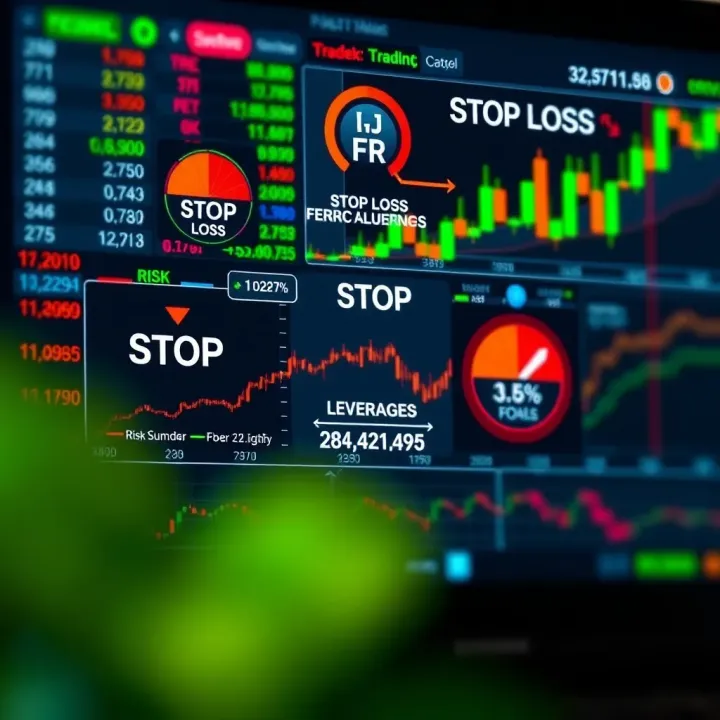
The challenge is managing risks and keeping expectations realistic. With KSh 150 (roughly $1), you can’t expect to earn millions overnight; instead, focus on learning the ropes, practising with small deals, and developing a consistent strategy.
Starting small lets you understand market behaviour without risking big losses. It’s like learning to ride a boda boda on quiet roads before going into busy Nairobi traffic.
To succeed, choose a broker that accepts low minimum deposits and offers reliable platforms. Check for local payment options like M-Pesa deposits, as this makes moving funds easier and cheaper.
Leverage is another tool that can amplify your position with little capital, but be cautious. While it can boost gains, it also increases risk. For instance, a leverage of 1:100 means with $1 you control $100 worth of currency, but small market moves can wipe out your investment fast.
Here’s a quick checklist to get started:
Pick a reputable broker with micro accounts and Kenya-friendly deposit methods
Understand how leverage works and use it sparingly
Set clear stop-loss orders to limit losses
Start with major currency pairs like USD/KES or EUR/USD that have tighter spreads
Use demo accounts to practise before committing real money
With patience and attention, trading forex with little money in Kenya becomes more than a shot in the dark. You gradually build skills, get familiar with platforms like MetaTrader 4 or 5, and learn how market news impacts currencies.
Looking beyond quick gains is essential. Forex trading should be treated like a skill to grow rather than a get-rich-quick scheme. Even with just $1, every trade teaches you something valuable.
Starting forex trading with a small amount like $1 may raise some eyebrows, but understanding the basics can make all the difference. Small investors must grasp how the forex market works to navigate its challenges effectively and make the most of limited capital.
Forex trading means buying and selling currencies to profit from changes in exchange rates. For example, if you believe the US dollar will strengthen against the Kenyan shilling, you buy USD/KES. Later, if the dollar’s value goes up, you sell and pocket the difference. Unlike investing in shares, forex trading often happens on short timeframes, which suits small investors who seek quick opportunities. However, it requires constant attention to market movements and economic news.
Leverage allows you to control a larger position in the market with a small deposit, sometimes up to 100 times or more. If you start with just $1, leverage is your key tool to making meaningful trades. For instance, with 1:100 leverage, your $1 lets you trade as if you had $100. But the caution here is real: leverage can amplify both gains and losses. A small adverse move might wipe out your deposit quickly, so managing position sizes carefully is essential.
Before you jump in, it’s helpful to get familiar with several forex terms:
Pip: The smallest change in a currency pair’s price. For USD/KES, one pip might be 0.01.
Spread: The difference between the buying and selling price charged by brokers. Tight spreads save you money.
Lot: The size of a trade. Micro lots (1,000 units) are ideal for small investors.
Margin: The amount of money you need in your account to open a trade using leverage.
Stop Loss: An order that automatically closes your trade to prevent bigger losses.
Many beginners overlook these terms, but knowing them improves your ability to trade smartly, especially when working with tight budgets.
Understanding these elements arms you with practical tools and the confidence to approach forex trading thoughtfully. While trading on just $1 isn’t typical, grasping the basics helps you start responsibly and grow steadily without throwing cash around blindly.
Starting forex trading with just $1 means you must be very careful in picking the right broker. Many forex brokers set minimum deposits that are too high for small investors. Finding brokers that accept small deposits not only gives you a chance to trade with limited funds but also reduces your financial risk while learning the ropes.
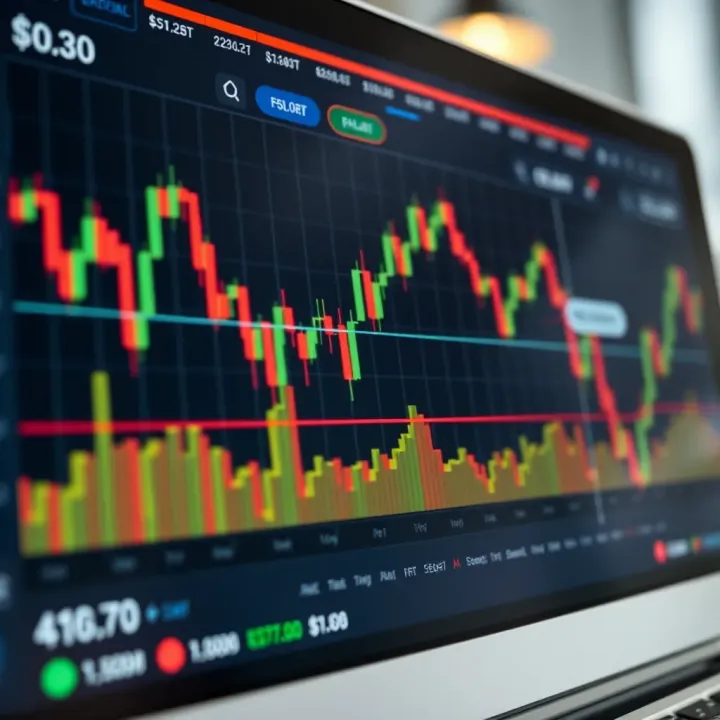
A broker that accepts $1 as a minimum deposit usually targets beginner traders or those with small capital. Such brokers often offer micro or nano accounts where trade sizes are much smaller compared to standard lots. For example, you might be able to trade mini lots (1,000 units) or micro lots (100 units) instead of full-sized contracts. These smaller trade sizes mean you risk less money per trade, which suits wallets starting with $100 or less.
It’s also important to check if these brokers charge any hidden fees or high spreads that could eat into your profits quickly, especially when trading with minimal capital. Brokers offering $1 minimum usually balance low deposit needs with competitive spreads and reasonable commissions.
Regulation is not to be taken lightly. Make sure the broker is either licensed locally or regulated by recognised bodies such as the Capital Markets Authority (CMA) of Kenya or international authorities like the Financial Conduct Authority (FCA) in the UK. This protects your funds and ensures fair treatment.
Kenyan traders can also look for brokers with a strong presence in East Africa or those willing to support M-Pesa payments, which can make funding your account easier. Reading online experiences and reviews from Kenyan forex communities can give you an early heads-up on which brokers deliver on their promises and which ones to avoid.
Ease of use matters a lot when you’re just starting. MetaTrader 4 (MT4) and MetaTrader 5 (MT5) are among the most popular platforms worldwide. They let you trade forex with advanced charting tools but are still intuitive for beginners. Some brokers also use platforms like cTrader which offer good user interfaces.
Mobile apps are vital too, given how many Kenyans rely on smartphones. Check if the broker's platform works well on Android or iOS devices and offers features like real-time charting, order placement, and account management. For example, many Kenyan traders find MT4 mobile version reliable and easy for trading on the go.
Starting small doesn’t mean you have to miss out on essential broker features. Look for a broker that balances minimum deposit requirements with trustworthy regulation and user-friendly platforms to help you grow confidently.
Finding the right broker sets the foundation for your forex journey. Stay vigilant about broker terms and always test with demo accounts before risking your $1 deposit in live trades.
Trading forex with just $1 means your margin for error is extremely tight. Managing risks in this setup isn’t just good practice—it’s your lifeline. When you trade with such a small account, even a slight loss can wipe out your capital. For Kenyan traders venturing into forex, understanding how to protect your funds and avoid big losses is critical to staying in the game.
With limited capital, aiming for huge profits every trade is unrealistic. Instead, set modest targets that offer steady growth over time. For example, targeting 1-2% profit per trade helps you build your account gradually while avoiding unnecessary risks. Similarly, limit your losses; decide beforehand the maximum loss you can afford on a single trade, such as 0.5-1%. If Kenyan traders ignore this, a couple of bad trades can quickly drain the whole KSh 100 (roughly $1) start-up.
Stop loss and take profit orders are like safety nets. Setting a stop loss caps your losses automatically, so you don’t keep losing beyond what your account can handle. Suppose you buy EUR/USD and set a stop loss at 10 pips below your entry to protect KSh 10 worth of your capital. This ensures a controlled loss, preventing emotional decisions to hold losing trades hoping they’ll turn around.
Similarly, placing take profit orders locks in gains once your price target is reached. On a small account, securing profits consistently—even small ones—helps you avoid the temptation to overtrade or chase the market. But don’t place stops or targets randomly; base them on market analysis, support and resistance levels, or your strategy’s guidelines.
Discipline is the backbone of small capital trading. Kenyan traders often struggle with temptation to take big risks, driven by hopes to turn KSh 100 into thousands overnight. The reality is harsh—if you blow your account by ignoring your plan, you may find it hard to start all over.
Stick to your risk limits and trading rules no matter what. Avoid revenge trading after losses and resist adding more than your strategy allows. For instance, if your rule is trading two lots maximum, don’t bump to five just because you feel lucky. Discipline will gradually build your confidence and smooth your trading journey even with tight funds.
Treat your small forex account like a fragile seedling—it needs careful handling, consistent watering (practice), and protection from harsh weather (market volatility). Good risk management and discipline ensure it can grow.
Managing risks effectively when your trading capital is just $1 separates serious traders from those who join and quit quickly. With practical targets, well-placed orders, and steely discipline, Kenyan traders can navigate forex markets without burning their limited funds fast.
When trading forex with just $1, having effective strategies is vital for preserving your capital and improving your chances of success. Unlike trading with large accounts, small funds demand precise planning, disciplined execution, and realistic expectations. Kenyan traders need to focus on strategies that minimise risk but still offer potential for steady gains. Let’s explore some practical approaches you can use.
Scalping and day trading are styles suited for traders with limited capital because they involve making quick trades to capture small price movements. Since you are working with only a dollar, avoiding overnight exposure reduces the risk of losses from unexpected market moves or news events. For example, a trader might buy EUR/USD at 1.1000 and aim to sell at 1.1005, capturing a tiny profit multiple times a day. It needs fast decision-making and quick execution, so platforms like MetaTrader 4 or MetaTrader 5 that Kenya’s brokers often support become handy.
While scalping offers frequent opportunities, it demands extra focus on transaction costs. Broker charges, spread, and commissions can eat into profits quickly. Make sure to choose brokers with low spreads for major pairs such as USD/KES or EUR/USD. Be mindful to avoid emotional trading; small accounts don’t afford excessive losses.
Before risking real money, practice on demo accounts is invaluable. Demo trading lets you try out strategies and understand how markets behave without losing your initial deposit. Many Kenyan brokers offer demo versions that simulate live market conditions and allow you to practice depositing $1 or less.
Use this time to track your trades, learn how leverage affects your position sizes, and test technical indicators. For instance, practicing how to set stop loss and take profit orders within a demo account helps build discipline. Once confident, switch to live trading—starting small but with a clear plan.
Successful traders combine technical and fundamental analysis for better decision-making. Technical analysis involves studying charts, trends, and price patterns. Even with minimal capital, learning key tools like moving averages, RSI (Relative Strength Index), and support/resistance levels can help identify good entry and exit points. For example, if USD/KES price hits a long-term support level, it may signal a good moment to buy.
Fundamental analysis means understanding economic indicators, news releases, and central bank policies that influence currency values. Kenyan traders should watch events like CBK interest rate announcements or US Federal Reserve statements, as these can cause sharp movements. Combining both analyses makes your trades smarter and safeguards your small investment from sudden surprises.
Successful forex trading on a tight budget is all about patience, learning, and sticking to strategies that protect your capital while aiming for steady growth. Play it safe, practise often, and keep sharpening your skills.
These strategies give you a realistic path to trading forex with $1 in Kenya. They reduce the chance of major losses and help build your confidence gradually. Remember that every small win builds a foundation for future bigger trades.
For Kenyan traders starting forex with just $1, understanding practical aspects can make or break your experience. These details help you avoid common pitfalls and make trading smoother despite the tight budget. You'll find real benefits when using convenient payment methods, focusing on currency pairs related to Kenya’s economy, and safeguarding yourself against online scams.
Funding a forex account safely and quickly is key, especially when you’re starting with a small amount like $1. M-Pesa, Kenya’s widely used mobile money platform, is often the easiest and most reliable option. Many brokers now accept direct M-Pesa deposits, so you can move money instantly without long bank transfers. For example, you might deposit KSh 100 (around $1) directly from your M-Pesa to your broker’s Paybill or Till number to start trading immediately.
Besides M-Pesa, some brokers allow bank transfers or card payments, but these may involve higher minimum deposits or longer processing times. Choose a broker who supports payment methods familiar and accessible to you. Also, be sure to confirm any fees involved—some payment methods charge extra and that can eat into your small trading capital.
As a Kenyan forex trader, it makes sense to focus on currency pairs that relate closely to Kenya’s economy or your daily life. The USD/KES pair (US dollar to Kenyan Shilling) is the most obvious since it directly reflects changes in the shilling’s strength. Other popular pairs include EUR/USD and GBP/USD, because they often affect the cost of imports and exports for local businesses.
Trading currency pairs that are familiar increases your chances of making informed decisions. To illustrate, if the Central Bank of Kenya (CBK) announces monetary policy changes, this often moves the USD/KES rates. Understanding how news and events impact these pairs means you can react faster and plan your trades better.
One of the biggest challenges new traders face in Kenya is avoiding scams. Fake brokers and fraudulent schemes target beginners especially those with limited funds hoping for easy profits. To protect yourself:
Only trade with brokers regulated by recognised bodies, such as the Capital Markets Authority (CMA) in Kenya or international regulators.
Avoid promises of guaranteed profits or overly aggressive marketing.
Verify broker reputations through user reviews and forums like Forex Peace Army.
Never share your trading account password or personal identification details.
Always remember, if something sounds too good to be true, it probably is. Staying cautious saves you from losing your hard-earned KSh few thousands or even more.
Taking these practical steps ensures your $1 investment has the best chance to grow without falling victim to scams or unnecessary fees. Starting small in forex needs patience but also vigilance.
By using M-Pesa for easy deposits, focusing on currency pairs linked to Kenya, and steering clear of scams, you set a strong foundation to build your forex skills confidently from day one.
Explore key insights into binary forex trading📈 for Kenyan traders, learn risk management, strategies, regulations, and avoid common mistakes.🇰🇪

🤖 Discover how forex trading bots work, their pros and cons, plus tips for Kenya traders on choosing, managing risks, and blending manual strategies.
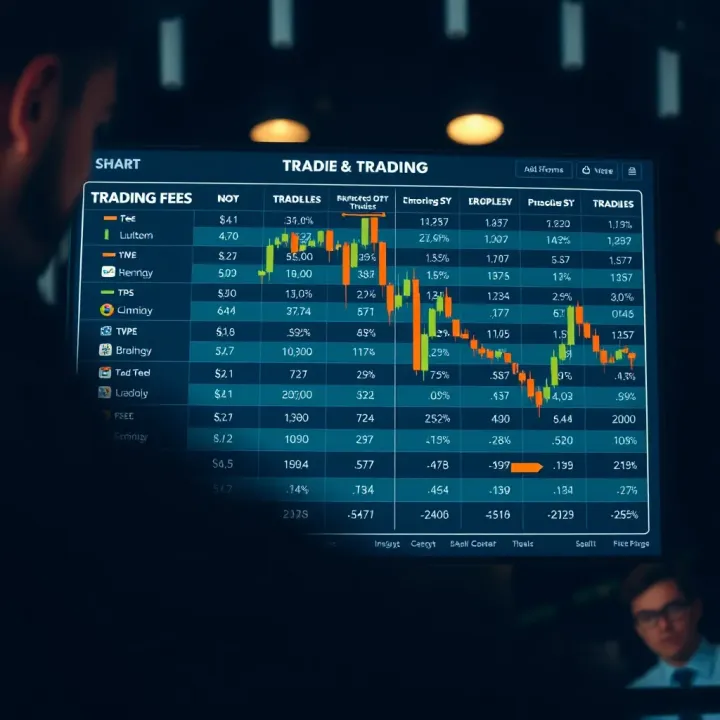
Discover how Kenyan investors can pick the best trading platform by comparing fees, tools, security, and support for a smarter trading 📈 experience.
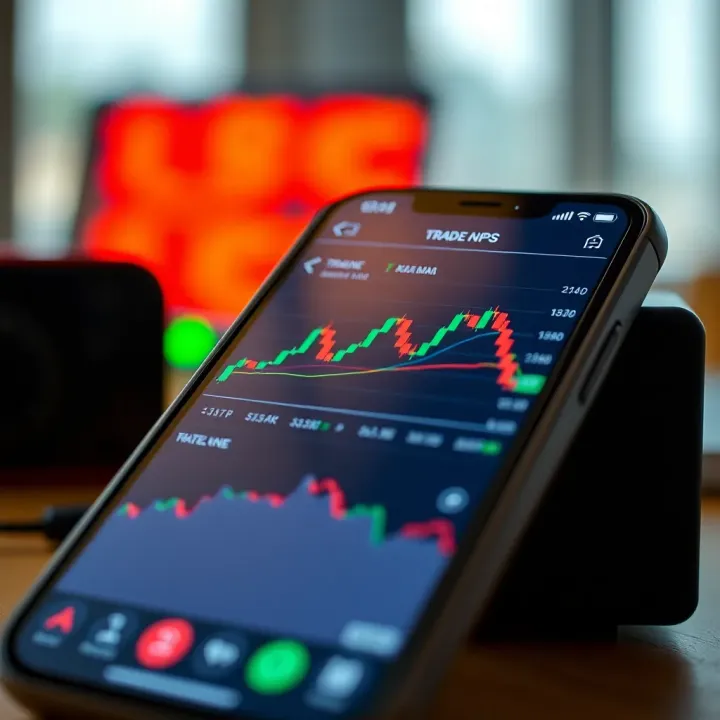
Discover the best trading apps in Kenya! 📱 Learn about features, security, fees, and how to make the most of mobile trading platforms for smart investing.
Based on 8 reviews