

Coca-Cola Competitors in Kenya and Worldwide
Explore Coca-Cola's key rivals 🍹 globally and in Kenya 🇰🇪, their strategies, products, and the challenges shaping the beverage market today.
Edited By
Oliver Mitchell
The head and shoulders pattern is a popular chart formation traders watch closely to anticipate changes in market trends. Recognising this pattern early can give you an edge, whether you are trading on the Nairobi Securities Exchange (NSE) or tracking global assets from your laptop.
At its core, the pattern signals a potential reversal in price direction after an uptrend or downtrend. It usually appears in three parts: two smaller peaks, called "shoulders", surrounding a taller peak known as the "head". The line connecting the low points between these peaks is referred to as the "neckline".

Spotting this pattern helps traders decide when to enter or exit trades, manage risk better, and plan their next moves more confidently.
In practical terms, suppose a stock listed on NSE, like Safaricom, has been climbing steadily. When the price peaks then pulls back, rises again to an even higher peak, then falls and rises once more but not as high as the middle peak, this may form a head and shoulders pattern. If the price breaks below the neckline after forming the right shoulder, it could suggest the start of a downward trend.
Understanding the pattern’s variations is also key. For example, an inverse head and shoulders signals a possible bullish reversal after a downtrend, common in volatile Kenyan sectors like agriculture or banking.
Traders must also consider local market factors such as liquidity, trading volume, and economic indicators to avoid false signals. No pattern is foolproof, so combining head and shoulders with other tools or indicators improves decision-making.
This section sets the stage for exploring the head and shoulders pattern in detail, focusing on how you can identify it, interpret signals, and apply these insights wisely in Kenyan financial markets.
The head and shoulders pattern is a key chart formation that signals a potential change in market trends. For traders and investors, recognising this pattern helps in anticipating price reversals. That way, they can make better-informed decisions rather than relying solely on instinct. Understanding its structure and interpretation can improve timing on entry and exit points.
The left shoulder forms when price rises to a peak and then dips downward. This first wave reflects a bullish attempt, but it isn’t strong enough to sustain a continued upward move. For example, in a stock listed on the Nairobi Securities Exchange (NSE), you might see a share price climb from KSh 120 to KSh 135 and then pull back to around KSh 125. This initial peak sets the stage for the pattern by showing traders the market’s early hesitation.
The head appears as the highest peak in the pattern. Price rallies above the level of the left shoulder, usually followed by a deeper decline. This signals a last surge by buyers or bulls before more significant selling pressure steps in. If the previous example’s price reached KSh 135, the head might push to KSh 145 before pulling back to around KSh 130. This peak catches the eye, as it represents the market trying to push even higher, but eventually losing steam.
The right shoulder resembles the left but tends to be lower, signalling weakening momentum. Traders should watch for a rise that doesn’t exceed the head’s high, then a decline towards the neckline. Continuing the NSE share example, the price might rise to KSh 133 then fall again. This lower high confirms that buyers are losing control, helping traders anticipate a potential trend reversal.
The neckline connects the lows following the left shoulder and the head. It acts as a support level that, once broken, confirms the pattern’s completion. For instance, if the lows after the left shoulder and head fall near KSh 125 and KSh 130 respectively, a break below that level suggests selling may accelerate. Traders use the neckline break as a signal to sell or short the asset, as it reflects a shift from bullish to bearish sentiment.
One main reason traders follow the head and shoulders pattern is its reputation as a reliable trend reversal indicator. When it forms after an uptrend, it points to a potential switch to a downtrend. That said, the pattern isn’t foolproof – false signals do happen. Still, combining it with volume analysis or other technical tools improves confidence. For example, volume often declines during shoulder formations and rises significantly when the neckline is broken, adding weight to the reversal signal.
Though most commonly signalling bearish reversals, the pattern has an inverse variant called the inverse head and shoulders that indicates bullish trend reversals. The standard head and shoulders appear at the end of an upward move, while the inverse version happens after a downtrend. Kenyan traders should understand both forms because spotting these can help capture possible reversals in the NSE or forex markets. Recognising the context is vital; a head and shoulders pattern in an already bearish market might fail or need confirming factors before acting.
Success with the head and shoulders pattern depends on combining careful visual analysis with other market signals and economic context. In Kenyan markets, this means paying attention to both price action and relevant news or events that might affect investor sentiment.
Recognising the head and shoulders pattern in actual trading scenarios is key to making informed decisions in financial markets. While textbook diagrams show clearly defined shoulders and heads, real markets tend to be messier. Understanding the nuances and key signs can help traders distinguish a genuine formation from mere price fluctuations, improving the chances of successful trades.
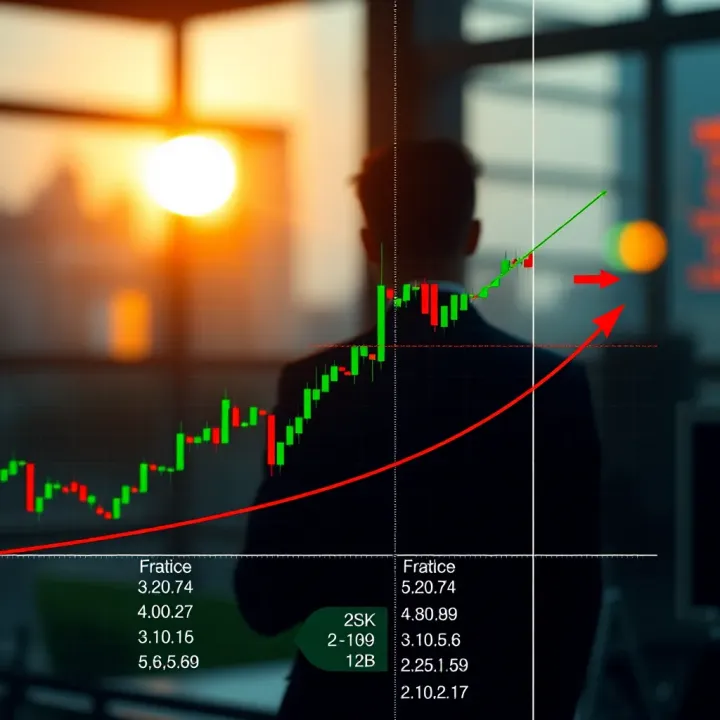
Volume plays a notable role in confirming the head and shoulders pattern. During the formation of the left shoulder, volume typically rises as buyers push the price up. As the price reaches the head, volume tends to peak but may start declining, signaling that buyer momentum is easing despite higher prices. When the right shoulder forms, volume usually drops further, indicating weakening interest among buyers. Finally, a significant increase in volume often accompanies the breakdown through the neckline, validating the pattern and suggesting sellers are gaining control.
For example, in NSE trading, a stock might show steady volume increase during the left shoulder and head but then volume dries up during the right shoulder. When price breaks below the neckline with a surge of trade activity, it confirms a likely reversal. Traders watch these volume cues closely to avoid chasing false breakouts.
The reliability of the head and shoulders pattern improves with longer time frames. Patterns forming on daily or weekly charts tend to be more dependable than those on intraday ones, such as 5-minute or 15-minute charts. This is because short time frames often show noise and random price swings, which can create misleading shapes that look like the pattern but lack meaningful confirmation.
In Kenyan markets, traders focusing on medium to long-term price charts—say daily candles across several weeks—will usually get more stable signals. For instance, a pattern forming over three to six weeks on a stock listed in NSE provides stronger evidence for a trend reversal than one happening within hours. Still, some scalpers might use shorter frames for fast trades but with greater caution and additional confluence from other indicators.
Double tops and bottoms are common patterns often mistaken for head and shoulders due to their multiple peaks or troughs. A double top shows two peaks at roughly the same price level, indicating strong resistance. However, unlike the head and shoulders, it lacks the middle higher peak (head) and two distinct shoulders.
Understanding this difference matters because the double top signals a reversal but tends to be simpler and less predictive than the head and shoulders. For instance, a stock may hit KSh 150 twice over a month without breaking higher, signaling resistance. Traders should verify whether there is an intermediate peak (head) to correctly identify the head and shoulders pattern, as this implies a more complex shift in market sentiment.
The cup and handle pattern looks like a rounded “U” (the cup) followed by a small consolidation (the handle). It indicates a continuation of an uptrend rather than reversal. The head and shoulders, on the other hand, points mostly to a trend reversal.
This distinction guides trading strategy: a cup and handle suggests holding or entering to ride the upward move, while head and shoulders warns of potential decline. Because the shapes are visually quite distinct, traders rarely confuse them once confident, but beginners may mix signals if not paying close attention. In the Kenyan context, some blue-chip stocks on the NSE have shown clear cup and handle patterns during sustained bull runs—identifying these correctly helps investors avoid missing out on gains.
Spotting these subtle differences and paying attention to volume and time frames makes interpreting patterns much more practical for meaningful trading decisions.
The ability to distinguish the head and shoulders pattern from similar shapes is essential for traders aiming to avoid false signals and sharpen their market timing. Knowing these features builds a strong foundation for trading with confidence in real-world Kenyan markets.
Recognising common variations of the head and shoulders pattern helps traders avoid misreading market signals. These tweaks often change the usual meaning or timing of reversals, so understanding their implications improves trading decisions. Kenyan traders who spot these variations early can adapt strategies for better entries and exits.
The inverse head and shoulders is essentially the upside-down version of the standard pattern. Instead of signalling a bearish trend, it predicts a bullish reversal. When prices form two higher troughs (shoulders) separated by a lower trough (head), it suggests sellers are losing control and buyers are gaining strength. Traders watch for a break above the neckline as confirmation to go long.
This pattern is critical in spotting opportunities after a downtrend. Acting too early without a confirmed breakout, however, can lead to losses, so patience is key. The pattern often appears in daily or weekly charts, signalling medium-term upward swings.
On the Nairobi Securities Exchange (NSE), inverse head and shoulders have signalled bullish reversals in stocks like Safaricom and KCB Group. For instance, after a slide in mid-2023, Safaricom’s price formed the inverse pattern on the daily chart before rallying significantly. Traders who recognised this early reaped gains by entering soon after the neckline breakout.
Local economic events, such as Central Bank of Kenya’s interest rate adjustments or political stability reports, often influence the timing and strength of these reversals. Kenyan traders should pay attention to these alongside chart patterns for better timing.
Sometimes, charts show more than one shoulder on either side of the head. These multiple shoulders indicate prolonged battles between buyers and sellers before a clear trend emerges. This formation signals indecision but still leans toward a trend change once the neckline is broken.
In practice, multiple shoulders demand caution and longer observation. These patterns can cause false breakouts, so Kenyan traders often confirm signals with volume spikes or other indicators like the Relative Strength Index (RSI).
Irregular head and shoulders lack the clean symmetry traders prefer. The shoulders and head might be uneven, or the neckline slanted. Such patterns still carry reversal signals but require more skill to interpret correctly.
For Kenyan markets, irregular patterns often arise from sudden economic news or unexpected events, causing erratic price behaviour. Traders should avoid relying solely on pattern shape here and combine analysis with fundamentals or news flow.
Understanding these variations equips you to respond better to market complexities. Clarity on pattern implications helps manage risks and pinpoint profitable moments in Kenyan trading scenes.
The head and shoulders pattern offers traders a clear setup for making informed entries and exits in the market. Its predictability, when combined with proper timing and risk management, can improve decision-making and potentially limit losses. Kenyan traders particularly benefit by aligning this pattern with local market nuances such as NSE trading habits and regional economic events.
Trading the Break of the Neckline
The most practical entry point is when the price decisively breaks the neckline, indicating a trend reversal. For a classic head and shoulders, traders often sell once the price closes below the neckline on higher volume. This break signals increased bearish momentum. In Kenya’s NSE, for example, this can be seen when market heavyweights like Safaricom or KCB show this pattern before a broader sector decline. Entering at this point offers a better chance to ride the downward move.
Setting Stop Loss and Take Profit Levels
Stop loss placement is crucial to limit potential losses if the break turns out false. A common strategy is setting the stop loss just above the right shoulder in a head and shoulders top or just below the right shoulder in an inverse pattern. Take profit levels can be estimated by measuring the distance from the head’s peak to the neckline and projecting this distance downward from the neckline break. This method helps traders lock in gains based on realistic pattern targets rather than guesswork.
False Signals and How to Avoid Them
Not every head and shoulders pattern results in a significant trend shift. False breakouts happen, especially during volatile sessions or amid unexpected news, like changes in political developments affecting Kenyan markets. One way to avoid this trap is waiting for confirmation—such as increased volume on the breakout or a sustained close beyond the neckline before taking a position. Also, observe the wider market context to ensure the pattern aligns with overall sentiment.
Combining with Other Indicators
Using the head and shoulders pattern alongside other technical tools sharpens trading decisions. For instance, pairing it with momentum oscillators like the Relative Strength Index (RSI) can confirm overbought or oversold conditions, enhancing confidence in trade direction. In the NSE environment, volume analysis remains vital, as volume increase on neckline breaks solidifies the pattern’s validity. Also, moving averages can help filter out noise and align entries with broader trends.
Successful trading using the head and shoulders pattern hinges on disciplined entries, smart stop placements, and combining signals to filter out false alarms. Kenyan traders who integrate these steps tend to manage risks better and optimise returns.
Understanding the limits of the head and shoulders pattern is as important as spotting it correctly. Although it's a popular tool among traders worldwide, local market nuances in Kenya mean you can't rely on it blindly. Practical tips help you adapt analysis to the realities of the Nairobi Securities Exchange (NSE) and the regional economy. This section sheds light on common pitfalls and how to tailor your approach effectively.
Many traders make the mistake of depending solely on the head and shoulders pattern to make buy or sell decisions. While it signals a likely trend reversal, no pattern works perfectly every time. In the NSE, for example, sudden political events or corporate announcements can disrupt technical patterns. Ignoring other factors means you might enter or exit trades prematurely, risking losses.
Successful trading often combines multiple tools. Using the head and shoulders pattern alongside volume analysis, moving averages, or momentum indicators can filter out false signals. A good practice might be waiting for confirmation like a sustained break below the neckline on strong volume before acting.
The head and shoulders pattern does not exist in a vacuum. Kenyan markets can be particularly sensitive to economic news such as Central Bank of Kenya (CBK) policy decisions, inflation reports, or currency fluctuations. Traders who ignore these may misinterpret the pattern or miss the bigger picture.
For instance, a bearish pattern forming during a period of positive Kenya shilling strengthening might fail due to underlying economic optimism. Staying updated on relevant news and aligning it with your chart signals improves timing and decision-making.
NSE trading volumes and price swings differ from more liquid markets such as the New York Stock Exchange. Kenyan stocks often experience lower daily volumes, and liquidity can be patchy. This issue affects how reliable the head and shoulders pattern appears.
Traders should adjust by looking at intraday volumes for confirmation instead of daily alone. Some NSE shares may need pattern validation over longer time frames to avoid being misled by short-term jittery price moves. Recognising these peculiarities is key to making the pattern work effectively.
Kenyan markets do not operate in isolation but respond to broader East African Community (EAC) developments and global influences. Events like fluctuating oil prices or political unrest in neighbouring countries can cause sudden market reactions.
When using the head and shoulders pattern, it's wise to consider these external factors. For example, an inverse pattern suggesting a bullish trend might not hold if regional instability spikes risk aversion among investors. Integrating economic context with technical analysis provides a sharper edge.
Combining technical patterns with market context and local insights improves your chances of trading success in Kenyan financial markets.
By avoiding these common mistakes and adjusting for local conditions, traders stand a better chance of using the head and shoulders pattern wisely to make smarter decisions.
Explore Coca-Cola's key rivals 🍹 globally and in Kenya 🇰🇪, their strategies, products, and the challenges shaping the beverage market today.

🔑 Master Deriv sign in with this guide for Kenyan users! Get step-by-step help, resolve common issues, and learn key security tips to trade safely.
Discover how Kenyan investors can pick the best trading platform by comparing fees, tools, security, and support for a smarter trading 📈 experience.

Discover the best trading apps in Kenya! 📱 Learn about features, security, fees, and how to make the most of mobile trading platforms for smart investing.
Based on 7 reviews