
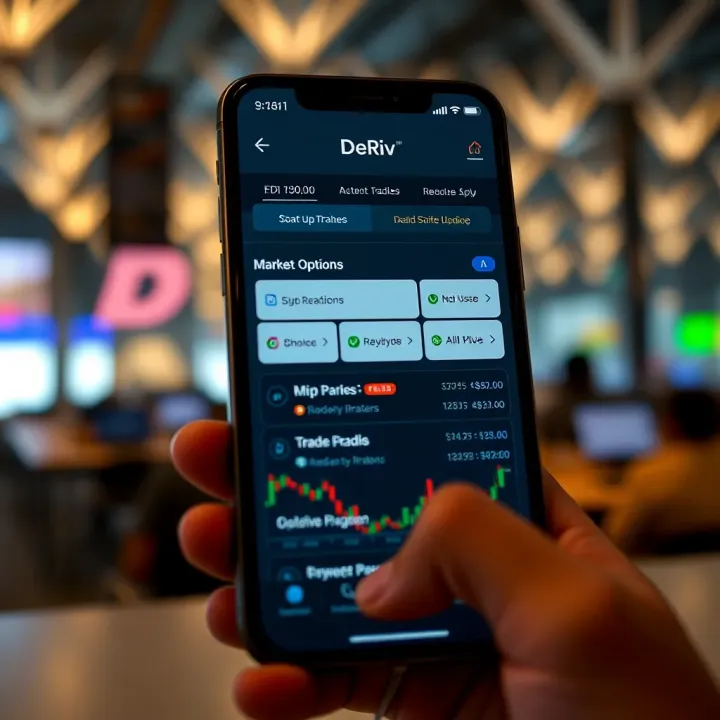
Deriv Trading App: Features and Guide for Kenyan Traders
Explore Deriv trading app features, account types, market access & security tips for Kenyan traders 🇰🇪 Start with confidence & smart support 👍
Edited By
Thomas Hughes
DTrader has gained attention among Kenyan traders for its straightforward platform and variety of trading options. Unlike some complex systems, DTrader focuses on simplicity, making it easier for beginners and seasoned investors alike to navigate without feeling overwhelmed.
The platform supports numerous asset classes, including forex pairs, commodities, stocks, and indices. This diversity allows traders to spread their investments across different markets, which is handy in managing risk and seizing opportunities as they arise.

One feature that stands out, especially for Kenyan users, is the ability to fund accounts using M-Pesa. This integration simplifies deposits and withdrawals, ensuring that accessing your funds doesn't turn into a hassle.
DTrader also offers different account types tailored to varied trading needs. For example, novice traders might prefer a basic account with access to essential tools and lower minimum deposits, while more experienced users can opt for advanced accounts offering additional features like detailed analytics and personalised support.
It’s worth highlighting that the platform comes with built-in educational resources. These help users understand market movements and sharpen their trading skills on the go. For professionals advising clients or educators teaching finance, this adds valuable context beyond basic trading.
By balancing user-friendly design with essential tools, DTrader makes online trading accessible but not simplistic. Its combination of flexible funding options, asset variety, and tailored accounts suits both individual traders in Nairobi and those operating remotely across Kenya.
Understanding how DTrader fits into the Kenyan trading ecosystem helps investors decide if it’s the right platform for their style and goals. The following sections will unpack its features, usability, and how it stacks up against competitors found in the local and regional markets.
Starting with a clear understanding of DTrader and its position in the market helps traders gauge the platform's credibility and relevance. For many investors in Kenya and across Africa, knowing who stands behind a trading platform is just as vital as the tools it offers. DTrader has built a reputation for being user-friendly and catering to online traders with varying experience levels.
DTrader operates under the umbrella of a well-established company in the financial technology sector. The platform is owned by a firm with several years' experience in providing digital financial services, ensuring a certain level of trust. For example, its parent company has a history of compliance with regulatory bodies such as the Financial Conduct Authority (FCA) in the UK, which contributes to the platform's reliability. This regulatory adherence means DTrader implements practices that protect users' funds and data, easing concerns around online fraud and mishandling.
The platform emphasises simplicity without sacrificing important trading features. Kenyan users find this especially helpful when compared to more complex platforms that can overwhelm beginners. Additionally, DTrader frequently updates its offerings and security protocols to stay competitive and safe for users.
DTrader focuses largely on retail traders, including those just starting and individuals seeking straightforward access to financial markets. Its design appeals to those who prefer trading via mobile phones or tablets, which fits well with mobile-first markets like Kenya where many rely on affordable smartphones and mobile data.
Beyond Kenya, DTrader attracts users from various continents, including Africa, Asia, and parts of Europe. This global reach means the platform offers support in multiple languages and varying asset classes relevant to different markets. For instance, traders interested in commodities like crude oil or gold, or in stock market indices, will find a broad selection on DTrader. This variety caters to diverse investment strategies and risk preferences.
Understanding a platform's owner and its operational reach gives you a clearer picture of what to expect in terms of service, security, and asset range. Kenyan traders should particularly note how DTrader’s mobile-friendly setup complements local trading habits where matatu rides and quick data bundles shape daily internet use.
In summary, DTrader’s market presence combines solid regulatory backing, a user-friendly platform, and a global audience, making it a contender worth considering for Kenyan traders aiming to explore various financial instruments with ease.
Trading on any platform boils down to what you can actually trade and how easy it is to navigate through the available options. DTrader makes this straightforward by offering a variety of asset classes and markets tailored to suit different trading styles and risk appetites. Whether you prefer stocks, forex, commodities, or indices, understanding the platform’s offerings helps you make informed choices aligned with your investment goals.
DTrader covers a broad spectrum of financial assets. For instance, Kenyan traders can access major forex pairs like USD/KES alongside popular global pairs such as EUR/USD and GBP/USD. Commodities like gold and oil are also on offer, enabling investors to diversify beyond currencies. The platform even features indices like the NSE 20 or S&P 500, letting you tap into wider market movements without picking individual stocks.
What stands out is the inclusion of synthetic indices, which simulate market conditions available 24/7. This is particularly handy for traders who need flexibility outside regular market hours — say after a long day at work or during weekends. It means you don’t have to wait for Nairobi Securities Exchange (NSE) trading hours to engage the markets.
These diverse options provide versatility. For a trader keen on reacting to currency shifts tied to Kenya’s economy, forex pairs with KES are vital. At the same time, commodities like coffee or oil offer ways to hedge or speculate on global price changes relevant to regional trade.
DTrader's user interface is clean and intuitive, designed to keep both beginners and pros comfortable. The dashboard highlights key information like price charts, asset lists, and order types without clutter. This ease of navigation helps traders focus on market movements rather than wrestling with complicated menus.
Accessing DTrader works smoothly on computers and mobiles, including Android and iOS devices. This cross-platform availability supports busy Kenyans who might trade during commute breaks or at home using Safaricom’s reliable internet. Plus, the platform’s lightweight design ensures it doesn’t hog data — an important detail given the cost of mobile internet.
On top of that, DTrader offers customisable watchlists and alerts. So if you have your eyes on particular assets—for example, the Nairobi Securities Exchange 20 Share Index (NSE 20)—you can get notified of price changes or news without constantly refreshing the screen.
The combination of diverse trading instruments and an accessible interface makes DTrader a practical choice, especially for Kenyan investors balancing trading with daily commitments and internet costs.
Overall, DTrader brings useful assets and clean design together, allowing you to manage trades effectively whether you are a forex day trader or a casual commodities speculator based in Kenya.

Understanding the different account types and how to register on a trading platform is vital for any investor. This section focuses on how DTrader caters to varying trader needs and walks you through the registration process, ensuring you can get started smoothly with no surprises.
DTrader offers several account types to suit beginners, casual traders, and professionals alike. For instance, the Basic Account requires a minimal deposit, which makes it ideal for those just testing the waters without risking much capital. The Standard Account comes with a lower spread and access to more assets, providing better conditions for active traders.
For more seasoned investors, the VIP Account unlocks tighter trading spreads, faster withdrawals, and access to exclusive market analysis reports. This account suits traders who place larger volumes and need advanced tools to inform their decisions. Kenyan traders can benefit from accounts that allow funding via M-Pesa, making deposits straightforward without needing a local bank account—an important convenience given the country’s mobile money dominance.
Opening an account on DTrader is quite straightforward and can be completed within minutes. Start by visiting the platform’s website and clicking on the "Sign Up" button. Here’s what you’ll typically do:
Fill in personal information such as full name, date of birth, and contact details.
Verify your identity by uploading a valid ID (like a national ID or passport) along with a proof of residence document.
Choose your account type based on your investment goals and deposit capacity.
Set up your login credentials including a strong password to protect your account.
Make your initial deposit using preferred payment methods like M-Pesa, bank transfer, or credit card.
Completing your profile verification quickly helps avoid delays in trading and withdrawals, particularly important in Kenya where KYC (Know Your Customer) regulations are strict.
Once registered, you can log in to the DTrader platform on your mobile or desktop and start exploring the trading instruments available. Remember, selecting the right account type at registration influences your trading fees, access to features, and risk management tools.
This clear account structure and simple registration process are part of what makes DTrader popular among Kenyan traders looking for straightforward access to international markets without complex bureaucracy.
Traders need more than just access to markets; they require effective tools and resources that support smart decision-making. This section covers how DTrader equips users with features that help them analyse markets, make informed trades, and improve over time. In Kenya, where many traders balance trading with other hustles, having reliable tools on hand can make a real difference.
DTrader offers a range of analytical tools designed to give traders a clear view of price movements and market trends. For example, the platform provides interactive charts that allow users to apply various technical indicators such as moving averages, RSI (Relative Strength Index), and Bollinger Bands. These tools help detect potential buy or sell signals by showing when an asset’s price may be overbought or oversold.
The platform supports multiple chart types, including candlestick, line, and bar charts, which traders can customise to suit their preferences. For instance, a forex trader monitoring the USD/KES pair can overlay trend lines and Fibonacci retracements to identify support and resistance levels, which are critical for timing trades.
DTrader also allows real-time price updates and chart adjustments without needing to reload the page. This makes it convenient for those who trade during specific market hours or based on breaking news. The platform’s mobile-friendly design means traders can access these analytical features on the go, even when commuting in Nairobi traffic or at a buka (small eatery).
Understanding the markets is crucial, especially for beginners or those transitioning from manual trading to online platforms. DTrader provides educational materials, including video tutorials, articles, and webinars, to help users grasp fundamental and technical analysis. These resources explain key concepts like risk management, order types, and trading psychology in simple language.
The platform also runs live sessions that Kenyan traders can join, offering answers to common questions and practical trading tips tailored to local market conditions. For example, sessions might cover how to trade commodities like coffee or tea futures, which are significant for the Kenyan economy.
Customer support is available through multiple channels: live chat, email, and phone, helping users resolve issues quickly. Local traders appreciate this accessibility, as some prefer direct conversations rather than automated responses. Support agents readily assist with account setup, deposit options—including M-Pesa integration—and technical challenges.
Reliable tools and clear support are vital for trading success, especially in busy markets like Nairobi where timing and information can make or break a trade.
Having these tools and resources means traders on DTrader can approach their activities with more confidence, better positioning themselves for success in Kenya’s dynamic trading environment.
Security and regulation form the backbone of trust in any online trading platform, especially for Kenyan traders dealing with hard-earned cash. When you entrust a platform like DTrader with your funds and personal data, you expect concrete safeguards against fraud and hacking. Equally important is assurance that the platform operates within legal frameworks protecting investors across regions.
DTrader employs multiple layers of security to keep users’ information and money safe. For instance, it uses SSL (Secure Socket Layer) encryption, which scrambles data sent between your device and the platform. This means that sensitive details like passwords and payment information remain confidential and cannot be intercepted by cyber criminals.
Account protection also extends to two-factor authentication (2FA). This adds an extra step at login — besides entering your password, you verify your identity via a second device or app, drastically cutting down the risk of unauthorised access. These protocols align well with what other leading Kenyan-friendly platforms like Safaricom’s M-Pesa use for user safety.
Moreover, DTrader maintains segregated client accounts. This practice keeps user funds separate from the company’s operating capital, ensuring your money isn’t mishandled in case of business difficulties. These steps offer real peace of mind, crucial when investing through digital platforms.
Operating legally under recognised authorities ensures DTrader is held to standards protecting traders’ interests. The platform is licensed by respected bodies such as the Financial Services Authority (FSA) in Seychelles and complies with international regulations to some extent. While Seychelles regulation may not be as strict as authorities like the UK’s Financial Conduct Authority (FCA), it still imposes rules to prevent malpractice.
Kenyan users should note there is no direct licence from the Capital Markets Authority (CMA) Kenya for DTrader. This means the platform operates with limited oversight locally, so traders should exercise extra caution by practising prudent risk management.
Nonetheless, DTrader’s approach to transparency, such as showing company ownership details and providing clear terms, reflects a commitment to regulatory compliance where it is licensed. Traders operating from Kenya benefit most by understanding these boundaries and choosing trading volumes suited to their risk appetite.
For Kenyan traders, balancing convenience, security, and regulatory clarity is key. Knowing the platform’s protection measures alongside licensing status helps avoid surprises and builds confidence in your trading experience.
In summary, DTrader implements robust technical security measures to guard your information and money. Its licensing status, while not fully aligned with Kenyan regulation, meets several international standards. As always, practising safe trading habits and awareness of jurisdictional differences remains essential when using platforms like DTrader.
Choosing the right trading platform is a big deal for Kenyan traders. DTrader has gained traction here, but like any service, it has its strong points and some drawbacks. Understanding these helps you decide if it fits your trading style, goals, and local context.
One key advantage is the platform's simple and clean interface. Many Kenyan traders appreciate tools that don’t require heavy tech skills or lengthy training. DTrader’s mobile-friendly design is a bonus too—traders can manage positions on the go, which fits well with Nairobi’s busy life or rural areas with limited access to desktop setups.
M-Pesa integration is another huge plus. Since M-Pesa dominates Kenya’s payment systems, being able to deposit and withdraw funds quickly using it saves time and avoids the costly bank fees common in international transfers. This localised payment option makes DTrader very accessible.
The platform also offers a range of asset classes including forex, commodities, and cryptocurrencies. This variety suits Kenyan traders who seek diverse opportunities beyond traditional stocks or local business investments. Plus, competitive spreads and the absence of commission fees on some trades help keep costs down, which is ideal for traders operating with smaller capital.
Customer support that provides Swahili and English options helps remove language barriers. This accessibility in communication means traders feel more confident when dealing with issues or learning new features.
On the flip side, DTrader doesn’t have a deep local presence in Kenya. That means no physical offices or localised regulatory oversight, which might concern traders who prefer local recourse if problems arise.
Also, some advanced trading features found in bigger platforms are missing. For example, there is limited support for automated trading or complex order types. Kenyan traders focused on algorithmic or high-frequency trading might find the platform restrictive.
Volatility in forex pairs involving the Kenyan shilling can sometimes lead to wider spreads on DTrader compared to specialised platforms that focus on African currencies. This makes day trading or scalping local pairs less attractive.
Lastly, while the educational content covers basics well, it lacks Kenyan-specific market insights or examples related to regional economic conditions, which would help local users make more informed decisions.
For Kenyan traders, the choice to use DTrader should weigh its simplicity and local payment ease against the need for advanced features and deeper regulatory protection.
In summary, DTrader ticks many boxes for ease and locality but falls short in custom features and local institutional presence. Knowing this helps you trade with eyes wide open.
Comparing DTrader to other trading platforms popular in Kenya helps traders make informed choices suited to their specific needs. Kenyan traders often juggle factors like transaction fees, asset offerings, and payment methods compatible with local solutions like M-Pesa. Understanding how DTrader stacks up against competitors ensures you pick a platform that aligns with your trading style, risk appetite, and budget.
DTrader provides a straightforward user interface and supports a wide range of assets, but its fee structure differs notably from platforms like Binomo, IQ Option, and Pocket Option which also have active user bases in Kenya. For example, DTrader typically charges no commission on trades but incorporates spreads that vary by asset and market conditions. In contrast, some platforms apply fixed commissions but offer tighter spreads. It’s essential to check how these fees affect net returns, especially for frequent traders.
Additionally, DTrader supports instant deposits and withdrawals via M-Pesa, a big bonus for Kenyan users who prefer mobile money. In comparison, platforms like IQ Option usually require bank cards or wire transfers, potentially causing delays or extra charges for local users. The range of markets also differs: DTrader offers forex, commodities, indices, and some cryptocurrencies, while others may focus more heavily on binary options or CFDs.
When choosing a platform, factor in whether it allows you to hedge easily, the availability of demo accounts, and the quality of charting tools since these impact your trading decisions and learning curve.
DTrader suits beginners and intermediate traders looking for an uncomplicated platform with essential tools. Its intuitive design and mobile compatibility make it a good fit for those who want to trade while on the move, typical of Kenya's busy urban lifestyle. Meanwhile, experienced traders seeking advanced charting, algorithmic trading, or complex order types may find platforms like FxPro or MetaTrader more appropriate.
Kenyan day traders focusing on fast in-and-out trades benefit from DTrader’s responsive interface and M-Pesa integration for quick cash flow. However, long-term investors might prefer platforms offering more detailed fundamental analysis and lower overnight fees.
Ultimately, the best platform depends on your trading goals and how local factors like payment options and support services influence your daily trading experience.
Comparing DTrader’s offerings with other platforms ensures you do not miss out on features that might better suit your strategy or reduce costs. Proper evaluation can save money and improve outcomes in Kenya’s growing online trading landscape.
Explore Deriv trading app features, account types, market access & security tips for Kenyan traders 🇰🇪 Start with confidence & smart support 👍

Explore Deriv Go 📱—a user-friendly trading platform in Kenya 🇰🇪. Discover features, safety tips, customer support, and benefits for smarter trading today! 💹
Discover how Kenyan investors can pick the best trading platform by comparing fees, tools, security, and support for a smarter trading 📈 experience.

Discover the best trading apps in Kenya! 📱 Learn about features, security, fees, and how to make the most of mobile trading platforms for smart investing.
Based on 12 reviews