

Olymp Trade Kenya: How to Start Trading Safely
Learn how Olymp Trade Kenya works, its features, payment options like M-Pesa, safety tips, and how to trade smartly on this popular platform 📈💻
Edited By
James Thornton
Trust stands at the heart of trading in Kenya's bustling markets, from the busy open-air bazaars of Kisumu to Nairobi’s organised trading centres. It is the invisible thread that connects buyers, sellers, and intermediaries, shaping how business is done and influencing the reliability of transactions.
Without trust, trading slows down. For example, a farmer from Eldoret may hesitate to sell maize to a trader in Mombasa without prior confidence in timely payment or honest measure. This hesitation leads to missed opportunities and increased costs, which affect prices and availability for consumers.

Kenya's trading scene is unique because many transactions still happen face-to-face, relying heavily on personal relationships and reputation. Traders often depend on word-of-mouth and community recommendations to decide whom to deal with. Trust reduces the need for costly contracts or third-party enforcement, saving time and money.
Reputation: Known sellers with a history of fairness attract more buyers.
Consistency: Regular supply quality and prompt payments build confidence.
Communication: Open, honest dialogue prevents misunderstandings.
Technology Use: Platforms like M-Pesa offer secure payment options reinforcing reliability.
In many Kenyan towns, traders' trust turns simple exchanges into sustainable partnerships that can survive market shocks and competition.
Building trust also means overcoming challenges such as counterfeit goods, delayed payments, or unclear regulations. Traders must understand how to verify partners, use available technology, and navigate legal frameworks effectively.
This article will unpack the anatomy of trust within Kenya’s trading networks, highlighting practical approaches to fostering confidence, the role of technology and regulations, and the benefits for market efficiency and growth. Whether you are a trader, investor, or analyst, understanding these dynamics adds valuable insight into Kenya’s trade environment.
Trust among traders in Kenya goes beyond mere politeness; it forms the bedrock of business dealings, especially in an environment where formal systems can sometimes be slow or cumbersome. When traders trust one another, transactions become smoother, reducing the need for endless paperwork or legal follow-ups. For instance, in Nairobi's bustling Gikomba market, traders often rely on trust to extend credit or confirm quality before payment, which keeps the market running efficiently despite limited formal guarantees.
This trust translates into quicker decision-making and fosters lasting partnerships, which benefit both small-scale retailers and wholesalers. Without trust, many local deals would stall, increasing costs and slowing down economic activity.
Trust in Kenyan trade circles acts much like a handshake agreement but with deeper social implications. It is the belief that the other party will act honestly and uphold commitments even when no formal contract exists. Take a farmer in Eldoret selling produce to a retailer in Nakuru; the farmer trusts the retailer will pay fully upon delivery, while the retailer trusts the farmer's products will meet agreed standards. This unwritten confidence speeds up trade and encourages repeat business.
Moreover, trust helps resolve misunderstandings without escalating conflicts. Business in Kenya often operates in close-knit communities where reputation holds significant value; thus, maintaining trust is essential for survival.
While formal contracts are important, many Kenyan traders operate in environments where such agreements are less common or harder to enforce due to cost or bureaucracy. In such cases, trust replaces legal paperwork as the primary tool for securing deals. For example, small traders along Mombasa Road might agree verbally on prices and delivery terms, knowing that breaking trust could close doors to future opportunities.
That said, both trust and contracts often work hand in hand. Larger suppliers and retailers increasingly use formal contracts alongside established trust relationships to protect themselves. But in many day-to-day transactions, reliance on trust remains the norm because enforcement through courts can be slow or expensive.
In Kenyan markets, informal networks strongly influence trust. Traders often exchange information about reliable partners through personal connections or community groups. For instance, a supplier recommended by a respected trader in Kisumu is more likely to find new clients quickly. These networks act as informal credit checks and quality controls.
Such word of mouth is vital in areas where official regulatory oversight is limited. A trader’s standing in their local community can open business opportunities or, conversely, restrict them if trust is breached.
Consistency in delivering quality goods on time is how many Kenyan traders build and maintain their reputation. For example, a wholesaler in Nakuru who consistently supplies maize flour without shortchanging gradually earns trust, leading retailers to prefer them over competitors. This reputation becomes a valuable asset beyond immediate sales, sometimes allowing traders to negotiate better credit terms or bulk discounts.
Reputation is also closely tied to reliability in handling disputes. A trader known for fair resolution of disagreements secures longer-term client loyalty. In this way, steady, dependable performance is often more persuasive than contract terms alone.
Trust runs deeper than contracts in Kenyan trade settings; it weaves through reputation, relationships, and everyday actions, ultimately sustaining the market’s heartbeat.
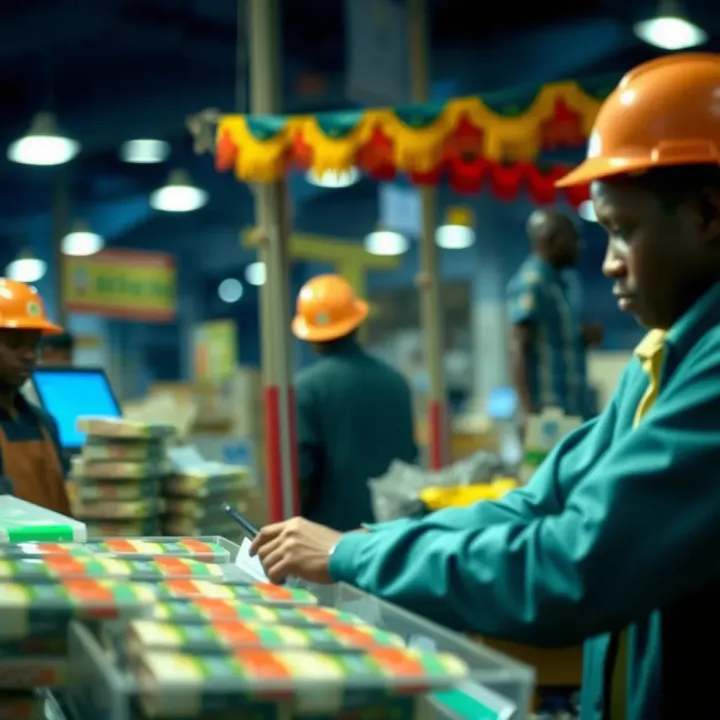
Trust in Kenyan trading environments hinges on several key factors that govern how buyers, sellers, and intermediaries interact. Understanding these factors helps traders build lasting relationships and smooth business operations. Below we explore honesty and transparency, reliability with delivery, and financial integrity, each vital to sustaining confidence in trade.
Clear communication about pricing and product quality lays the foundation for trust. Traders who honestly disclose costs, possible defects, or batch variations avoid disputes and build reputations for fairness. For example, a supplier in Kisumu openly sharing information about seasonal price changes and product origin encourages buyers to return even during fluctuating market conditions.
Handling disputes fairly is the practical follow-up to transparency. When issues arise—say a consignment falls short or is damaged—how traders address problems shows their true integrity. Fair dispute resolution, such as offering refunds, replacements, or negotiating solutions without harsh blame, preserves relationships. This approach, common in Nairobi’s informal markets, prevents one-off conflicts from becoming long-term breakages to trust.
Meeting agreed schedules is critical in Kenya’s dynamic trading hubs. Late deliveries can disrupt buyer plans, especially for perishables or just-in-time supply chains in industries like floriculture or fresh produce exports. A reliable trader who consistently meets deadlines gains an edge, as businesses can confidently plan stock levels and sales.
Product quality assurance goes hand in hand with delivery. Kenyan buyers rely on consistent quality to maintain their market credibility. For instance, a tea buyer in Kericho counts on uniform leaf quality from a supplier to meet international standards. Providing samples, quality certificates, or using trusted labs for testing helps reinforce trust in the product being offered.
The widespread use of M-Pesa has transformed payment security, offering transparent records that boost trust among traders. Both buyers and sellers prefer M-Pesa transactions for their traceability and speed, reducing the chances of payment disputes common with cash deals. Many traders use safeguards like confirming M-Pesa receipts before releasing goods, a practice that builds confidence while preventing fraud.
Credit terms also influence trustworthiness. Extending credit without formal contracts relies heavily on personal reputation and repayment history in Kenya’s market circles. When a wholesaler offers payment terms like 30 days to a regular retailer who has consistently paid in time, it reflects mutual confidence and encourages smoother cash flows. However, failing to honour these terms damages trust and may close future opportunities.
Traders who prioritise transparency, reliability, and sound payment practices establish the backbone of Kenya’s trading ecosystem. These factors reduce risks, encourage repeat business, and drive efficient market operations.
By understanding and applying these key elements, traders in Kenya can build stronger, more resilient networks that withstand market pressures and grow over time.
Trust deeply affects how traders in Kenya carry out their business, shaping daily interactions and the broader marketplace's performance. When trust exists among traders, it lowers barriers that usually slow down trade, such as lengthy checks on counterparty reliability or fears of cheating. Given Kenya's mix of formal and informal trade systems, trust acts as the glue that keeps many deals moving smoothly, often without the need for formal contracts.
Transaction costs include more than just money—they cover time, effort, and resources spent verifying a partner’s credibility before a deal. In Kenya's bustling markets, trust cuts down the need for detailed background checks or repeated renegotiations. For example, a trader in Nairobi's Gikomba market who has earned a solid reputation among suppliers and buyers can bypass exhaustive vetting, saving both money and time. This means faster cash flow and less overhead.
With trust in place, traders avoid expensive legal fees or delays caused by disputes. When a trader knows their counterpart will deliver quality goods on time, they can plan inventory more efficiently without overstocking as a buffer against risks. This predictability benefits everyone involved, creating a smoother trading cycle.
Negotiations typically slow down when parties suspect they might be taken advantage of. However, trust encourages swift decision-making. Take a case where a wholesaler in Mombasa has consistently honoured deals with a retailer; the retailer is more likely to agree to terms quickly without demanding excessive assurances. This cuts down back-and-forth discussions and allows contracts to be finalised faster.
Moreover, trust reduces the need for stringent documentation and controls, which are often burdensome. In less formal trading settings like local shambas or roadside kiosks, an informal handshake backed by trust may suffice, speeding up the process. This operational speed is vital in Kenya’s fast-moving markets, where prices and demand fluctuate regularly.
Many traders in Kenya, especially SMEs in places like Nakuru or Eldoret, rely on informal credit from suppliers or other traders. In these relationships, trust replaces physical collateral. For instance, a small duka owner may receive stock on credit because their supplier trusts their ability to pay back, built over past punctual payments. This trust allows businesses without assets or formal credit histories to continue operating and growing.
Informal lending based on trust also strengthens community ties, as defaulting risks social and economic backlash. These networks often fill gaps where banks are reluctant to lend, helping keep the hustler economy afloat. This dynamic is particularly relevant during economic shocks or festive seasons when cash flows are tight but demand spikes.
Trust paves the way for stronger supplier partnerships, enabling traders to buy in bulk at discounted prices. A trusted retailer in Kisumu who always pays promptly might get preferential rates or early access to new stock from their supplier. These benefits improve margins and competitiveness.
Bulk ordering also reduces logistics costs and encourages suppliers to prioritise reliable buyers. For example, a trader in Thika might organise collective orders with other local retailers they trust, lowering delivery charges and ensuring steady supply. Without trust, such collaborations are difficult, as risks of default or disputes rise.
Ultimately, trust acts like invisible currency among Kenyan traders—fueling quicker deals, safer credit, and stronger supply chains. Building and maintaining this trust is as much a strategic move as it is part of daily business practice.
Trust among traders in Kenya doesn't come without its challenges. The trading environment is dynamic and often unpredictable, presenting obstacles that can shake confidence. Understanding these challenges is key to building resilient relationships that withstand market pressures and dishonest practices.
Fraud and dishonesty remain significant hurdles in Kenyan trade markets. Common scams include sellers misrepresenting product quality, delivering less than agreed quantities, or being slow to deliver altogether. For example, in wholesale markets such as Nairobi's Gikomba or Kirinyaga Road, some traders have reported receiving counterfeit goods labelled as branded items. Another common fraud is the misuse of mobile payment platforms like M-Pesa where scammers might use fake transaction receipts or double-charge buyers.
Such dishonest practices can quickly erode trust, making buyers wary and slowing down trade activities. This mistrust forces many to demand cash payments upfront or avoid new trading relationships, limiting market growth and innovation.
Strategies to avoid fraudulent partners involve thorough vetting and building personal networks. Traders often rely on referrals from trusted colleagues before engaging new suppliers or customers. Regular visits to suppliers’ premises and inspecting goods beforehand help verify authenticity. Some traders also record transaction histories on mobile apps or notebooks to track behaviour patterns.
Using secure payment methods such as M-Pesa's official channels, avoiding off-platform deals, and insisting on receipts reduce risks. Trade associations and local business forums in Kenya increasingly offer forums to share warnings about dishonest traders, which helps contain possible scams.
Balancing cooperation and competition is a delicate act. While traders compete for customers and market share, there's also a need to maintain mutual respect and collaboration. For instance, matatu operators competing along the same route still cooperate to share loading spaces and coordinate schedules, showing how cooperation can coexist with competition.
In Kenya’s dense markets, traders often form informal networks that share market information, creating a circle of trust despite competition. However, fierce rivalry can tempt some to undercut prices unfairly or spread false rumours about competitors, threatening the overall trust climate.
Maintaining trust in crowded marketplaces involves consistent honesty and clear communication. Traders who transparently share stock levels, delivery timelines, and pricing build reputations that withstand rivalry. Meeting commitments despite stiff competition reassures partners and helps sustain long-term relationships.
In busy settings like Nairobi's CBD or Mombasa's Kongowea Market, trust also grows through repeated interactions and shared norms. Traders who honour promises are more likely to receive preferred spots, better credit terms, or exclusive supplies, reinforcing why trust is worth maintaining even under pressure.
In Kenya's fast-moving trade scenes, trust isn't just a nice-to-have — it's what keeps the wheels turning smoothly despite scams and stiff competition.
By recognising these challenges and actively managing risks, traders can foster confidence that benefits not just individuals but the wider market network. This makes trading more efficient, inclusive, and sustainable across Kenya's diverse commercial hubs.
Building trust between traders in Kenya often depends on practical tools and habits that boost transparency, accountability, and personal connections. Such tools and practices help reduce misunderstandings and ease the worries that come with business deals. These methods are especially valuable in Kenya’s diverse trading landscape, where informal networks and formal systems coexist.
Mobile money platforms like M-Pesa have changed how traders handle payments, making transactions quicker and more secure. With M-Pesa, traders can easily send proof of payment via SMS or the app’s transaction history, which acts as a record that both parties can refer back to if any confusion arises. This visibility supports trust because it minimises disputes over payments, a common cause of mistrust in local trade.
Online marketplaces such as Jumia Kenya and Twiga Foods also contribute by allowing buyers and sellers to build reputations through seller ratings and customer reviews. Traders with positive feedback gain credibility more quickly, encouraging repeat business. Rating systems work like informal credit scores, helping participants weed out unreliable partners without needing cumbersome paperwork.
Consumer protection laws in Kenya ensure buyers are shielded from fraud or substandard goods. When traders comply with these laws, customers feel safer engaging with them, knowing there are remedies if things go wrong. For example, laws enforced by the Competition Authority of Kenya regulate unfair trading practices, which supports a fair and trustworthy market environment.
Trade licences and formal documentation also play a key role, especially in giving new or external traders a stamp of legitimacy. Holding valid licences reassures customers and partners about the business’s legal status and commitment to standards. This formal backing often smooths negotiations and opens doors to larger supplier contracts or financing.
Attending trade fairs, industry workshops, and community meetings helps traders connect face-to-face, which is vital for building trust beyond transactions. These encounters allow traders to share information about market trends, challenges, and opportunities, strengthening their networks. For example, annual events like the Nairobi International Trade Fair offer platforms where new partnerships emerge based on personal interaction rather than just digital or paper trails.
Establishing mutual respect and loyalty turns trading relationships into partnerships. This respect is shown through consistent honesty, punctuality, and fair dealing. Long-standing relationships often benefit from informal understandings, such as flexible payment terms during slow seasons, which would be difficult to arrange purely through contracts. Such loyalty encourages traders to support one another during tough times, reaffirming confidence in their trading community.
Practical tools and genuine relationships are the backbone of trust in Kenyan trade. Technology and regulations help, but steady connections and respect keep trust alive for the long haul.
Learn how Olymp Trade Kenya works, its features, payment options like M-Pesa, safety tips, and how to trade smartly on this popular platform 📈💻

Discover how demo accounts work and why they’re a key tool for Kenyan traders 🎯 Build skills, boost confidence, and try trading risk-free before investing real cash 💡

Explore top forex traders in Kenya 🇰🇪, learn their strategies, gain insights into the local market, regulations, and practical tips to boost your trading success 📈.
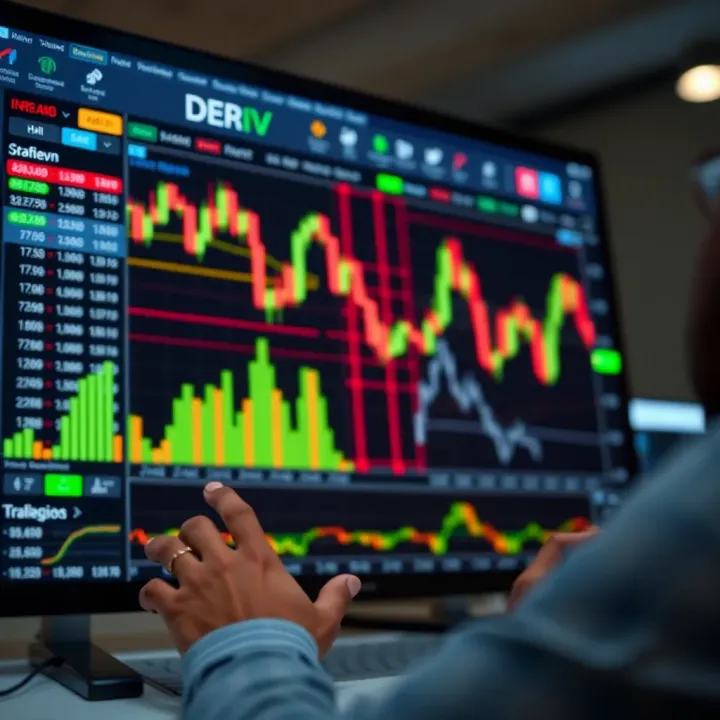
📊 Discover how to use the Deriv analysis tool effectively—learn setup, key features, and strategies for smarter trading and risk management in Kenya.
Based on 8 reviews