

Using Deriv Trading View for Better Market Decisions
Boost your trading game in Kenya with Deriv Trading View 📈. Learn setup tips, key tools, and how to spot market trends for smarter decisions. 🇰🇪💡
Edited By
James Cartwright
When it comes to making sharper trading decisions, combining tools gives you an edge. TradingView offers comprehensive charting features, while Deriv provides a user-friendly platform for trading various assets. In Kenya, traders increasingly rely on these platforms to improve how they analyse markets and execute trades.
TradingView excels with its rich real-time charts, technical indicators, and customisable scripts. Deriv, on the other hand, opens up access to forex, commodities, and synthetic indices with straightforward trade options and flexible stakes. Using TradingView alongside Deriv can refine your market timing and help spot entry and exit points more clearly.
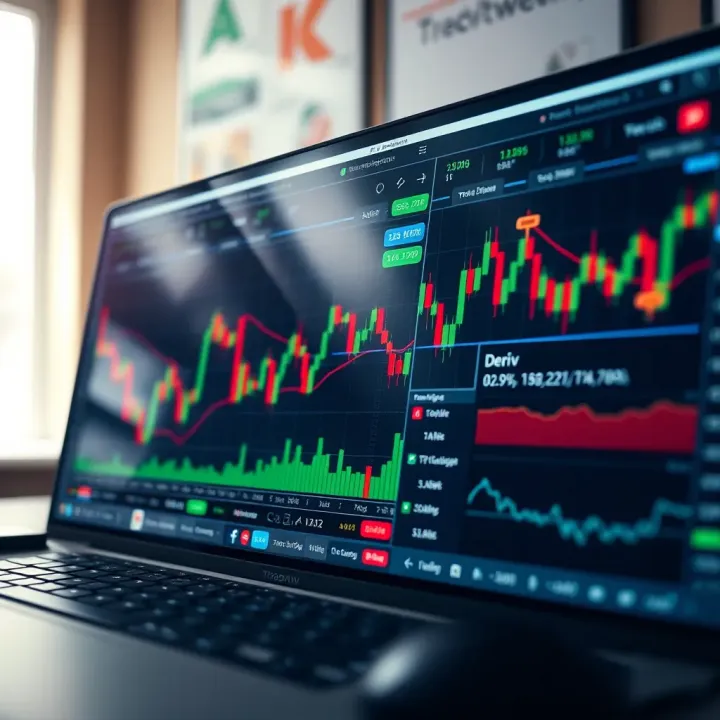
Combining TradingView's charting power with Deriv’s trading interface allows Kenyan traders to back their decisions with solid data and act fast in volatile markets.
You don’t have to be a tech expert to use both platforms efficiently. The key is to integrate TradingView’s charts for in-depth analysis while placing trades on Deriv based on signals and patterns you identify. For example, a trader monitoring USD/KES on TradingView can track support and resistance levels, RSI trends, and moving averages before opening a position on Deriv.
Practical steps include setting TradingView to the same asset you intend to trade on Deriv, using alerts for timely price movements, and practising with Deriv’s demo account to test strategies. This approach helps you build confidence — rather than relying on guesswork — while navigating markets.
In terms of benefits, this integration offers:
Access to up-to-date and reliable market data
Customisable indicators to suit your trading style
Quick decision-making supported by visual trends
Safer experimentation through Deriv’s risk controls
For Kenyan traders, especially those dealing with forex pairs like USD/KES or commodities like coffee and oil, this pairing brings the advantage of local market relevance combined with global data.
With that foundation, you can proceed to set up and explore functionalities that will make your trading journey more informed and potentially more profitable.
Understanding both TradingView and Deriv platforms is essential for anyone aiming to trade smarter. TradingView offers powerful charting and analysis tools that help you spot market trends and potential trade signals, while Deriv serves as your trading gateway, letting you act on those insights quickly. Knowing how each platform works ensures you make well-informed decisions, cutting down guesswork and boosting your confidence.
TradingView provides a broad set of charting tools specifically designed to simplify market analysis. From candlestick charts to line and bar charts, traders can visualise price action in multiple ways. Importantly, TradingView offers hundreds of technical indicators, such as Moving Averages, MACD, and RSI, which help identify entry and exit points. For example, using a 50-day moving average with RSI can highlight when an asset is oversold or trending.
TradingView’s community aspect sets it apart. Traders worldwide share trading ideas, strategies, and forecasts openly. This social element exposes you to different perspectives, especially useful when local market information is scarce. You might find a Kenyan trader posting a strategy based on NSE trends or global forex movements that you can study and adapt.
Accurate data timing matters for trading. TradingView offers real-time quotes alongside extensive historical data, making it easier to backtest strategies and understand how markets behaved in past conditions. For example, reviewing forex price action during Kenya’s election period on TradingView can help you anticipate market moves during similar events.
Deriv provides access to a range of financial instruments including forex pairs, commodities like oil and gold, synthetic indices, and stock CFDs. This diversity suits traders wanting to diversify their portfolio within a single platform. For instance, you can trade Brent crude oil and EUR/USD forex pairs alongside synthetic indices that simulate market volatility.
Deriv’s user interface is straightforward and friendly, which helps newbies take to it fast. The trading dashboard shows open positions, quick access to charts, and order placement controls in a clean layout. Buttons for buying or selling trades are sizeable and clearly labelled, preventing accidental orders – quite important when timing is critical.
Deriv offers various account types, including demo accounts for practice and real trading accounts with different leverage levels. Funding is convenient for Kenyan traders: M-Pesa, bank transfers, and local debit cards are commonly accepted. This means you can top up your trading account quickly and focus on executing your strategies without unnecessary delays.
Combining TradingView’s advanced analysis tools with Deriv’s user-friendly trading environment helps Kenyan traders make smarter decisions and improve their chances of consistent profits.
Integrating TradingView with Deriv offers traders a clear advantage by combining superior technical analysis tools with real-time trading execution. TradingView provides advanced charting and indicators that help you spot trends and price movements early, while Deriv gives you a platform to act on these insights quickly. This connection is particularly useful for Kenyan traders who need reliable analytics coupled with a user-friendly platform accepting local payments like M-Pesa.
Monitoring price movements on TradingView involves observing live price action through candlestick or bar charts. These charts display how the price fluctuates over time and can reveal patterns such as support and resistance levels. For example, if a stock listed on Deriv shows a strong bounce from a support zone on the TradingView chart, it might indicate a good entry point.
Keeping an eye on volume alongside price helps verify the strength of moves. A spike in volume with rising price often signals genuine buying interest, guiding you to take long positions on Deriv confidently.

Technical indicators like Moving Averages, Relative Strength Index (RSI), or Bollinger Bands on TradingView assist in pinpointing when to enter or exit trades on Deriv. For instance, a crossover of the 50-day moving average above the 200-day moving average (the golden cross) can suggest upward momentum, signalling a buy opportunity.
Exit points can be identified using indicators such as RSI reaching overbought levels. By syncing these signals with Deriv’s trading instruments, you make informed decisions rather than relying on guesswork.
TradingView lets you set customised alerts based on price levels, indicator signals, or trendline breaks. Receiving these alerts on your phone or email ensures you don’t miss trading chances even when away from your computer.
For example, setting an alert when a currency pair crosses a specific price helps you react quickly on Deriv before the market moves too far. This timely notification enables smarter, more opportunistic trading.
You can use split-screen on your computer to keep TradingView and Deriv open simultaneously. This setup lets you analyse charts and execute trades without switching windows, saving precious seconds in volatile markets.
On tablets or laptops, dedicating separate tabs for each platform also works well, especially when using fast internet connections.
TradingView offers chart widgets that can be embedded or opened in a compact view. Kenyan traders can use these to keep key charts visible on one part of the screen while managing trades on Deriv on another.
Alternatively, using separate browser tabs, pinned on your browser bar, ensures quick access without crowding your desktop.
Customising TradingView layouts means saving specific chart setups with your preferred indicators and timeframes. For example, you may save a layout showing RSI and moving averages for forex pairs you trade often on Deriv.
This way, every time you log in, you get instant access to relevant data without wasting time reconfiguring charts. Efficient layouts help Kenyan traders keep a steady focus on markets and make quicker, more confident trading choices.
Combining these platforms wisely gives you a practical edge: detailed analysis plus the ability to act swiftly on Deriv. Setting up a functional trading workspace is a simple step with real payoffs.
TradingView provides several features that can sharpen your trading strategies on Deriv. Using the right technical indicators and setting timely alerts on TradingView helps you to react quickly to market changes and make more confident trading decisions. With Deriv’s easy interface and access to various instruments, these features become especially useful for spotting opportunities and managing your trades efficiently.
Moving averages and trend identification shift focus from noisy price data to the overall direction of an asset. These averages smooth out daily price fluctuations, making trends easier to spot. On Deriv, where traders often rely on short-term trades like contracts for difference (CFDs) or forex, observing moving averages helps identify clear entry and exit points. For example, a simple moving average (SMA) crossing above a longer one might suggest an uptrend, signaling a buy opportunity.
Relative Strength Index (RSI) for momentum insights measures how fast and how strongly prices are moving. RSI values above 70 indicate that an asset might be overbought and due for a pullback, while values below 30 suggest oversold conditions and possible price rises. Kenyan traders can use RSI on TradingView to gauge momentum before placing trades on Deriv, avoiding entering when the market is overheated or too weak.
Bollinger Bands for volatility analysis consist of a moving average with upper and lower bands showing price volatility. When the bands squeeze tightly, a big price move often follows. This prepares traders to expect possible breakouts or breakdowns. For Deriv users, understanding volatility helps decide when to trade or hold back. For example, if prices hug the upper band with increasing volume, it might point to a strong trend continuation.
Types of alerts that benefit Deriv traders include price level alerts, indicator condition alerts, and drawing tool triggers. These alerts notify you when price touches a resistance level or when RSI crosses below a threshold. Such timely information can mean catching an opportunity before the price moves too far.
How to set customised notifications involves choosing your asset, defining the alert condition (like price crossing a moving average), and selecting how you want to be notified. TradingView lets you pick pop-ups, emails, or mobile app alerts. Customisation ensures you only get alerts relevant to your trading plan without noise.
Managing alerts on mobile and desktop is seamless with TradingView’s cross-device syncing. Whether you’re at home on your laptop or on the go in Nairobi’s CBD, you’ll receive the same prompt alerts. This constant connection helps you react quickly to market moves on Deriv, even when away from your main setup.
Combining these TradingView features with Deriv’s trading platform gives you an advantage by providing clear market signals and immediate updates—tools every serious trader needs to stay ahead.
By mastering these key features, you position yourself to trade smarter, minimise risk, and better navigate the markets accessible through Deriv.
Kenyan traders can gain a real edge by combining TradingView’s analytical power with Deriv’s trading features. The key is to focus on practical strategies that consider local realities, from market hours to payment options. This section offers concrete tips to manage risk effectively and adapt your trading approach to the Kenyan context, ensuring you make smarter, more informed decisions.
Stop losses are essential risk management tools, especially in volatile markets. By leveraging TradingView’s detailed charting and technical indicators, you can identify logical levels to place stop losses. For instance, if you spot a strong support level on a TradingView chart that has held several times, it makes sense to set your stop loss just below that point when trading on Deriv.
This approach helps prevent heavy losses if the price breaks through support. Rather than arbitrarily placing stop losses, TradingView guides you to positions backed by data and trends. This can be the difference between walking away with a small loss or wiping out a significant chunk of your investment.
Knowing how much to trade matters just as much as when to trade. Position sizing helps you control exposure and manage account risk. On Deriv, you can adjust trade amounts easily, so combining this flexibility with insights from TradingView ensures your stakes match your confidence level.
For example, start with smaller trade sizes for volatile assets showing mixed signals on TradingView indicators. Bigger positions can be taken when multiple strong confirmations align. Proper position sizing prevents blowing your account during rough patches and helps maintain steady growth.
Some markets, like the NSE (Nairobi Securities Exchange) or commodities linked to local demand, have specific active hours. To avoid missing key moves or facing low liquidity, align your TradingView analysis and Deriv trading with these periods. Trading during peak hours makes price action clearer and execution smoother.
For instance, the NSE’s trading hours are from 9 am to 3 pm EAT. Monitoring charts and placing trades within this window reduces risks caused by wider spreads or price gaps after hours.
Local and international economic announcements can shake markets quickly. Stay informed about Kenya’s economic calendar—data like inflation reports, Central Bank of Kenya (CBK) rate decisions, and election cycle news directly influence currency pairs and regional stocks.
Using TradingView for technical analysis alongside a keen eye on Kenyan economic events gives you better context. When news hits, price action can change swiftly; preparing for this can protect your capital.
Funding your Deriv account conveniently and securely is vital. M-Pesa's ubiquity in Kenya offers seamless deposits and withdrawals, meaning you can focus on trading without payment hassles.
Most platforms, including Deriv, integrate M-Pesa options, allowing instant transfers. This immediacy helps you react fast to trading opportunities spotted on TradingView, rather than waiting for slow bank transactions. Plus, managing funds via a platform you trust reduces the risks of failed payments or delays.
Combining TradingView’s sharp analysis with Deriv’s flexible trading and Kenya-friendly payment options like M-Pesa empowers traders to act confidently, tailor strategies to local markets, and manage risks more precisely.
By weaving these practical tips into your routine, you increase the chances of trading success and financial stability in Kenyan markets.
When combining TradingView with Deriv, recognising common pitfalls can help you trade smarter rather than harder. Both platforms offer valuable tools, but understanding their limitations and how to work around them keeps your decisions grounded and timely.
TradingView and Deriv might not always display the exact same price at the same moment. The source of market data for each differs slightly, which can cause small delays or variations in price quotes. For example, TradingView often pulls data from exchanges and aggregators, while Deriv reflects its internal pricing tailored for traders. Those few seconds can matter, especially when entering or exiting volatile trades.
In practice, this means you should treat TradingView’s charts as a guide rather than a direct feed for trade execution on Deriv. Keep a close eye on Deriv’s live price and use TradingView mainly for analysis and spotting trends. A delay of just 1-3 seconds may seem minor but could impact the outcome when trading fast-moving assets like forex or indices.
Consistent internet access is critical. In Kenya, intermittent connectivity often disrupts trading, especially for day traders relying on real-time alerts. A stalled or slow connection can cause your orders to delay or fail, potentially leaving you exposed to sharp market moves.
Using a stable Wi-Fi network or mobile data with good coverage helps, plus consider backup options like a secondary SIM card or a portable router. It’s best to avoid trading during known network congestions, like when many people access the internet simultaneously in busy estates. Tools like QoS (Quality of Service) settings on your router can prioritise trading traffic and reduce lag.
Charts tell stories, but they do not explain why markets move. Kenyan traders often miss out when they rely just on indicators without checking news that might affect assets, such as economic reports, political updates, or global shocks. For instance, a forex pair might spike due to a Central Bank of Kenya (CBK) interest rate announcement—not visible on a chart until after the fact.
Integrating a news source, even just the economic calendar, alongside TradingView and Deriv can help. You’ll see why a sudden price change happened and avoid misreading technical signals. This offers a full picture, helping you decide if a signal is worth following or just noise.
Trading can be a rollercoaster. Charts and analysis aside, successful trading depends heavily on self-control. Kenyan traders sometimes jump in impulsively, hoping to catch quick wins without a plan. This often leads to losses when emotions take over and they chase prices or refuse to cut losses.
Set clear rules for your trades—such as maximum loss per trade or daily limits—and stick to them. Use TradingView’s alert features to avoid watching prices constantly, which can increase stress. Remember: sometimes the best decision is to wait quietly on the sidelines. Overtrading or revenge trading only eats your capital.
Combining technical skills with reliable internet and emotional discipline gives you the best chance of success when using TradingView alongside Deriv.
By understanding these challenges, you’re better equipped to avoid common traps and make your trading approach more resilient and effective.
Boost your trading game in Kenya with Deriv Trading View 📈. Learn setup tips, key tools, and how to spot market trends for smarter decisions. 🇰🇪💡
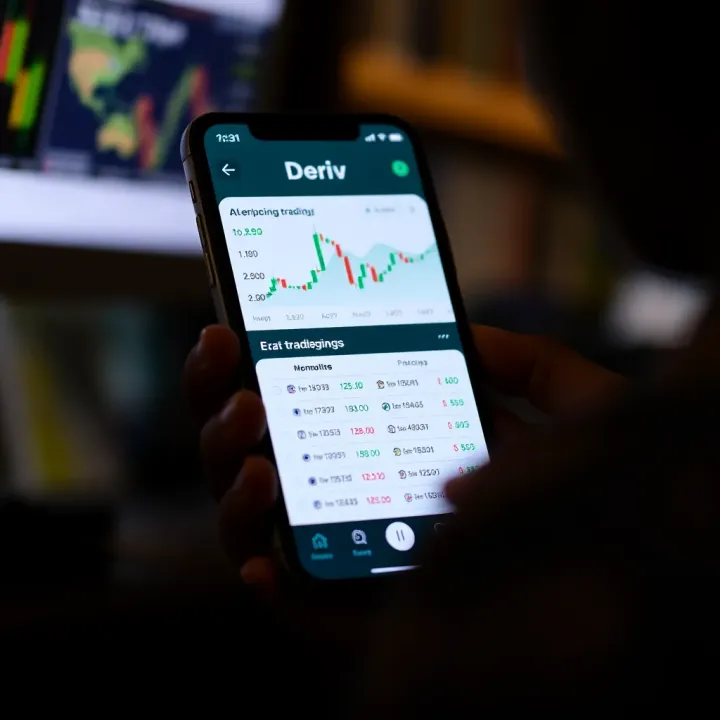
Explore how to set up and navigate the Deriv trading app in Kenya 📱 Gain tips on trading options, security, and boosting your trading success 🇰🇪💹
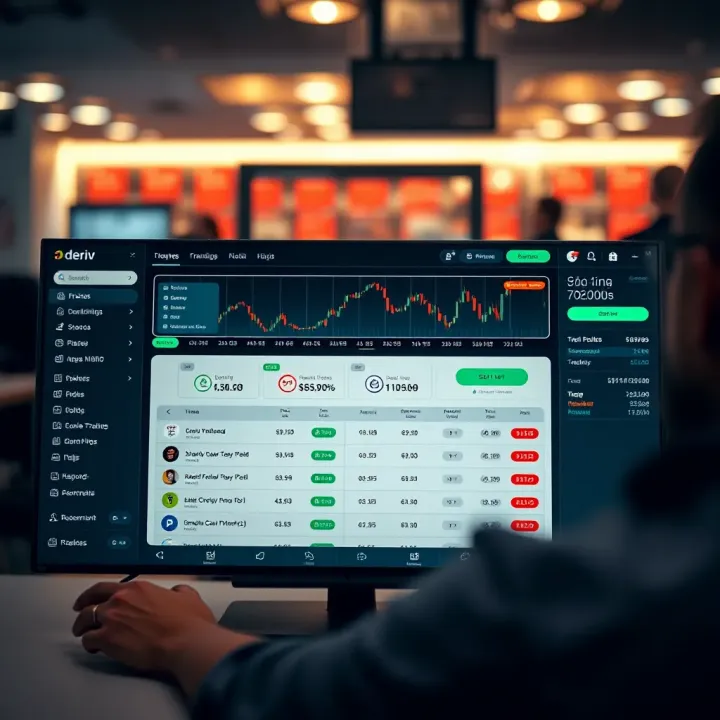
Learn how to set up and use the Deriv trading bot 🤖 at deriv.com/bot. Get practical tips & strategies for smarter trading in Kenya and beyond 📈🌍.
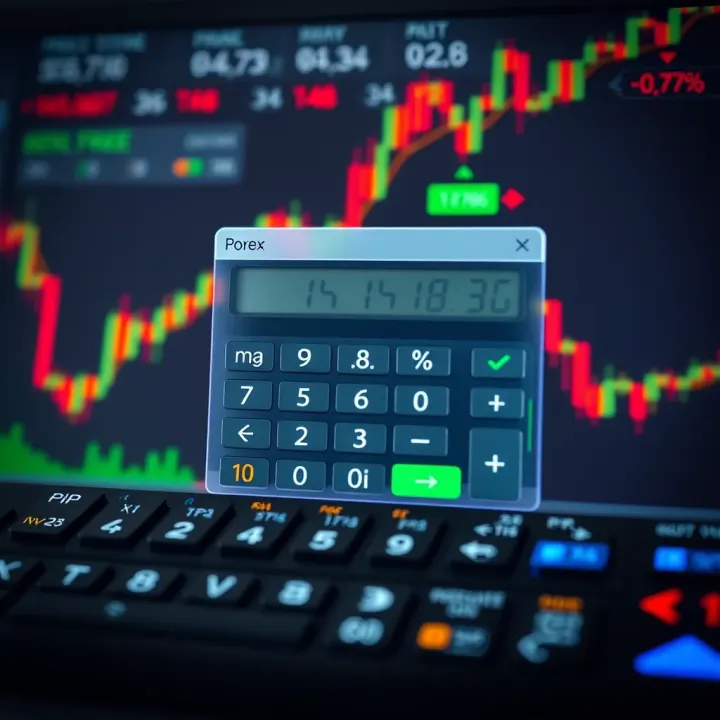
Learn to use the Deriv pip calculator 📊 for precise Forex trading. Understand pip values, improve risk management, and make smarter trade decisions today!
Based on 15 reviews