

Understanding Demo Trading Accounts for Kenyan Traders
📈 New to trading in Kenya? Learn how demo accounts let you trade risk-free with virtual money, master platforms, and confidently switch to real funds.
Edited By
Henry Davies
A trading platform is the digital space where investors and traders buy and sell securities, commodities, or currencies. It serves as the interface connecting you to the market, showing prices, charts, and allowing you to execute trades in real time. For Kenyan investors, knowing how these platforms work is key to making smart investment decisions.
Trading platforms vary widely—from simple apps for beginners to complex software used by professional brokers. Some platforms focus on stock trading on the Nairobi Securities Exchange (NSE), while others specialise in forex or commodities. For instance, software like EGM Securities caters to futures and forex, whereas Cytonn Investments provides access to local stocks and unit trusts.

Kenyan investors should pay close attention to several features before choosing a trading platform:
User-friendliness: A platform with a clean, easy-to-navigate interface helps you react quickly when market conditions change.
Security: Choose platforms with strong encryption, two-factor authentication, and reliable data protection.
Fees: Look for transparent fee structures, including commissions, withdrawal charges, and inactivity fees.
Access: Mobile compatibility matters since many Kenyans trade on smartphones using mobile data or Wi-Fi.
Tools and Research: Platforms offering charts, technical indicators, and local market news can improve your trading decisions.
Trading platforms are not just tools but gateways to the financial markets. The better the platform suits your needs, the more effectively you can manage risks and seize opportunities.
In Kenya, popular platforms include Safaricom's M-Akiba for government bonds, NSE's X-Report for equities, and international apps like MetaTrader 4 or 5, often used for forex trading. Understanding what each platform offers will help you tailor your trading strategy to local and international market conditions.
Before using any platform, confirm if it abides by the Capital Markets Authority (CMA) of Kenya regulations, which helps protect your investments. Also, always test demo accounts when available to get a feel for how the platform works without risking real money.
In summary, trading platforms are the backbone of modern investing in Kenya. Getting familiar with their functions and features gives you the edge needed to participate confidently in the market.
A trading platform is the software that allows investors and traders to buy and sell financial assets such as stocks, bonds, forex, or commodities. For Kenyan investors, understanding how trading platforms operate is essential because these tools offer direct access to markets like the Nairobi Securities Exchange (NSE) and international exchanges. Without a reliable platform, making timely decisions or tracking investments becomes nearly impossible.
Trading platforms efficiently connect you to the market, handling everything from displaying live prices to executing your orders. They simplify complex financial processes, giving investors the means to monitor market trends, analyse data, and manage trades all in one space. For example, a Kenyan investor using a platform like EABL’s M-Farm can easily track shares and make buy or sell decisions on the go, sometimes right from their mobile phone via M-Pesa integration.
At its core, a trading platform is a digital gateway that links you to the financial markets. It acts as a marketplace interface where you can access different types of securities, check market data, and conduct transactions. The platforms vary from simple web browsers to advanced desktop software, but their primary purpose remains the same: to facilitate trading with speed and accuracy.
The beauty of these platforms lies in their accessibility. Whether you are a seasoned broker or a first-time investor in Nairobi, you can open an account, fund it using Kenya’s mobile money services, and start trading shares, forex, or commodities. This accessibility has lowered barriers for many Kenyans entering the investment world.
Trading platforms perform multiple functions vital to your trading experience. First, they offer real-time quotes and charts, which are crucial given how fast prices can change. Kenyan forex traders, for example, rely on live updates to make quick decisions as the forex market operates 24 hours.
Second, platforms handle order execution. When you hit the buy or sell button, the platform sends your order to the market and confirms its completion. Execution speed matters because delays can mean missing out on favourable prices.
Third, these platforms provide tools for analysis and risk management. Many feature technical indicators, news feeds, and historical data to help traders build strategies suited to local and international market movements.
A reliable trading platform is more than just software; it's your partner in navigating the markets, helping you trade smartly and confidently.
In summary, for Kenyan investors, recognising what a trading platform is and how it works is the first step towards effective participation in financial markets. It empowers you to make informed decisions, execute trades swiftly, and manage your investments with ease and security.
In Kenya, investors encounter a range of trading platforms, each suited for different trading styles and needs. Choosing the right platform depends on factors like convenience, access to markets, and the level of technical support. Understanding the main types helps traders pick a platform that aligns with their experience and investment goals. Let’s explore the three common formats: web-based platforms, mobile trading apps, and desktop software.
Web-based platforms run directly through internet browsers without the need to download software. This flexibility makes them popular among Kenyan investors who may want to trade from various computers or locations. For example, the Nairobi Securities Exchange (NSE) allows trading through its licensed brokers’ web portals, accessible on common browsers like Chrome or Firefox.
The key advantage is convenience and ease of access. You just log in with your credentials and trade. However, web platforms often depend on stable internet connections, which can be patchy in some regions. They usually offer straightforward tools ideal for beginners and moderate traders but might lack advanced features required by professionals.
Mobile apps have taken off in Kenya thanks to widespread smartphone use and mobile money services like M-Pesa. Apps from brokers such as EABL Securities Mobile, KCB Capital, and Stanbic Bank allow you to trade stocks, forex, or commodities directly from your phone. This is especially handy for active traders who need to monitor markets on the go.
These apps often support direct payments via M-Pesa or bank accounts, easing deposits and withdrawals. The key benefit is quick access anytime, anywhere—even during your commute on a matatu or waiting in a queue. Yet, mobile apps may have limited screen space, affecting detailed analysis tools. Still, they suit investors who prefer fast trades and alerts.

Desktop software offers the most comprehensive trading experience. These programmes, like MetaTrader 4 for forex or IBKR Trader Workstation for multi-asset trading, require installation on your computer. Kenyan traders using these benefit from faster execution speeds and more powerful charting tools.
While desktop platforms demand higher technical skills and often need a more stable internet connection, they are valuable for experienced investors who rely on complex strategies. For instance, institutional investors or active day traders might prefer this option to access in-depth market data and automatised trading.
Each platform type suits different trading needs. Web platforms offer convenience, mobile apps provide flexibility, and desktop software delivers advanced tools. Knowing these options helps Kenyan investors choose wisely based on their goals and technical comfort.
By understanding these common types, traders in Kenya can better assess how to align their trading habits with the most suitable platform.
Choosing the right trading platform is like picking the right matatu route to work: it has to be smooth, reliable, and affordable. For investors in Kenya, the platform's features directly impact how effectively you can trade, manage risks, and maximise profits. It’s essential to focus on elements that affect your day-to-day trading experience and the platform’s overall trustworthiness.
A clean and intuitive user interface (UI) helps you navigate quickly, making it easier to place orders and track your trades. Platforms like NSE’s Easy Online Trading (EOT) and apps such as E-Trade by Faida Investment Bank are popular partly because they are user-friendly, even for beginners. Complex layouts might slow you down, especially during volatile market moments. A responsive design that works well on both mobile and desktop is vital, since many Kenyan traders use mobile phones chiefly for trading.
Security is not just a feature; it is a necessity. Kenyan investors must check if a platform is regulated by bodies like the Capital Markets Authority (CMA) Kenya. Secure platforms use encryption standards to protect your data and have two-factor authentication (2FA) to prevent unauthorised access. For instance, when linking your M-Pesa number or bank account, the platform should guarantee safety to avoid fraud or hacking. Always verify the regulatory licenses and never trade on platforms without clear compliance.
Access to reliable trading tools gives you an edge. Good platforms provide real-time price charts, technical indicators, and fundamental research reports. For example, some platforms integrate NSE market data straight into their interface, helping you react swiftly to market movements. Kenyan investors benefit a lot when platforms offer news feeds on local companies or sectors, plus educational articles tailored to our market.
Trading fees can eat into your earnings faster than you realise. Always review the costs carefully—these can include commissions, spreads, withdrawal fees, or inactivity charges. Popular platforms in Kenya might offer free deposits via M-Pesa but charge small fees on withdrawals. For example, Faida Investment Bank’s platform charges commission per trade, while others might spread fees within the buy-sell price difference. The cheapest platform may not be the best if it compromises service or security, so weigh costs alongside features.
Choosing a trading platform is about balancing convenience, safety, functionality, and cost. Doing your homework on these essentials saves money and frustration down the line.
In summary, focus on a platform that feels straightforward, keeps your money and data safe, provides useful tools for informed decisions, and is clear about all charges. This way, you trade smarter, not harder.
Investing through trading platforms in Kenya comes with its own set of risks and challenges that every investor should understand before committing funds. While these platforms offer accessibility and convenience, overlooking certain risks can lead to financial losses or security issues. Being aware of these concerns helps you make safer trading decisions and choose platforms that meet regulatory and technical standards.
Market volatility is a reality in all investment environments, but it's particularly significant in emerging markets like Kenya. Prices of stocks on the Nairobi Securities Exchange (NSE) can fluctuate sharply due to economic news, political events, or changes in commodity prices. For example, a policy shift affecting agriculture could rapidly impact the shares of companies linked to farming or exports. This volatility means your investments may face sudden gains or losses.
It’s crucial to use trading platforms that provide real-time market data and indicators to monitor these shifts closely. Tools like stop-loss orders can help limit losses when the market moves unfavourably. Also, diversifying your portfolio across different sectors and asset classes can reduce exposure to one sector's sudden downturn.
Technical reliability plays a vital role in successful trading. Some platforms, especially those new or less regulated, might suffer downtime during peak trading hours or experience slow order execution. For instance, if the platform crashes while you attempt to sell shares during a market dip, you could face avoidable losses.
Choosing platforms with robust infrastructure and good user reviews helps mitigate this risk. Some popular platforms used by Kenyans, such as those linked directly to NSE or global brokers with local presence, tend to offer better uptime and faster trade execution. Also, having reliable internet access and backup devices is advisable to avoid connectivity issues.
Fraud is a serious challenge in Kenya’s growing trading market. With the rise of online investments, some unscrupulous operators launch fake or unregulated trading platforms promising unrealistic returns. These scams can cause investors to lose their capital entirely.
To avoid falling victim, verify if the platform holds licences from regulatory bodies like the Capital Markets Authority (CMA) Kenya. Be cautious if the platform pressures you to deposit funds quickly or guarantees fixed high returns. Scam platforms often lack transparent contact details or customer support.
Always confirm the platform’s regulatory status and never trade on platforms that lack clear oversight in Kenya.
Being aware of these risks and staying vigilant can help Kenyan investors trade confidently and protect their investments on trading platforms.
Starting with a trading platform in Kenya might seem complicated at first, but breaking it down into clear steps helps make the process manageable. Whether you want to trade equities on the Nairobi Securities Exchange (NSE) or go for forex and commodities, understanding how to open and verify an account, link your payment methods, and execute your first trade is vital.
The first step is to open an account with a brokerage firm or trading platform authorised by the Capital Markets Authority (CMA). Most platforms will require you to provide personal identification such as your National ID or passport, proof of residence like a utility bill, and sometimes a KRA PIN to confirm your tax status. Verification is essential to comply with anti-money laundering laws and keep your account secure.
Take, for example, an investor who wants to start trading shares on the NSE through a local broker like Sterling Capital. The broker’s platform will guide you through uploading scanned documents and sometimes a selfie for identity confirmation. Verification can take from a few hours up to a couple of days depending on the broker's processing time. Without completing this step, you won’t be able to deposit funds or trade.
Once your account is verified, you’ll need to deposit funds. Kenyan investors benefit greatly from the convenience of linking mobile money platforms such as M-Pesa directly to their trading accounts. Platforms like EFG Hermes or Faida Investment Bank allow seamless transfers using Lipa Na M-Pesa, which means you don't have to rely solely on bank transfers.
Adding your M-Pesa number or your bank account as a payment method is usually straightforward. After linking, funding your account involves transferring KSh directly from your phone or bank to your trading wallet. This method is fast and secure, an advantage especially for active traders who need to act quickly on market moves.
With your account funded, placing your first trade is just a matter of navigating the platform’s interface. You’ll select the asset you want to trade, such as NSE shares or forex pairs like USD/KES. Enter the amount or number of units you want to buy or sell, and review the order details before confirming.
For instance, an investor might buy 100 shares of Safaricom through their broker’s web platform. They would enter the ticker symbol "SCOM", specify the quantity, and confirm. The order will then be matched on the NSE and confirmed on your account.
Starting with clear steps—account setup, funding, and trade execution—ensures you avoid common pitfalls and trade confidently.
Remember, several platforms offer demo accounts where you can practise trading without risking real money. This is especially useful if you are new and want to get familiar with the platform’s features before going live.
By following these practical steps, Kenyan investors can quickly get going, taking advantage of the growing opportunities in local and international markets. The key is to choose a regulated platform that supports your preferred payment methods and provides clear guidance throughout the process.
For Kenyan investors, choosing the right trading platform is more than just about access; it’s about reliability, cost, and support for local payment methods like M-Pesa. Popular platforms have built a track record in Kenya’s market, offering easy entry into equities, forex, commodities, or other assets suited to different trading styles. Familiarity with these options helps traders pick platforms that suit their goals and avoid pitfalls.
Kenya’s Nairobi Securities Exchange (NSE) is the main hub for trading local equities. Popular platforms offering NSE access include NSE Web Trader and Chaka. These platforms allow direct trading of NSE-listed shares with up-to-date market data. For example, Chaka stands out as it supports trading in multiple African markets besides NSE and integrates smoothly with mobile money payments. Features like real-time portfolio tracking and KRA PIN-linked verification simplify tax compliance and account management.
Using these platforms means investors can buy shares of firms like Safaricom, Equity Bank, or KCB without needing a broker on the floor. However, they should consider factors such as platform fees, ease of withdrawing KSh funds, and the platform’s regulation status.
Forex and commodities trading attract a different crowd — usually those seeking short-term gains and leverage. Platforms like HotForex, Exness, and XM have gained significant use among Kenyan traders. They offer currency pairs such as USD/KES and commodities like gold or oil. These platforms provide advanced charting, indicators, and leverage options which can magnify gains but also increase risk.
A key consideration when choosing forex platforms in Kenya is regulation. Many popular forex platforms are licensed abroad but not necessarily by the Capital Markets Authority (CMA) in Kenya. Traders should verify the platform’s credibility and beware of scams. Additionally, look for platforms with clear withdrawal processes and support for local currencies.
M-Pesa is the backbone of payments in Kenya, so many traders prefer platforms that accept deposits and withdrawals through mobile money. Platforms such as Chaka, SokoTrader, and IG Markets Kenya reliably facilitate M-Pesa transactions, making funding accounts and cashing out swift and convenient.
This feature lowers barriers to entry since many Kenyans don’t have traditional bank accounts or international credit cards. On top of that, these platforms often provide live chat support in Swahili or English, helping users through technical or trading issues. However, users should confirm any mobile payment transaction fees and possible delays in settlements.
Picking a platform that supports M-Pesa and is regulated locally or regionally can save you unnecessary hassle and protect your hard-earned KSh.
In summary, understanding these platform categories and their strengths helps Kenyan investors trade more confidently and effectively. Whether you focus on NSE equities, dabble in forex, or prefer smooth mobile money payments, there are practical options tailored to Kenya’s unique financial ecosystem.
📈 New to trading in Kenya? Learn how demo accounts let you trade risk-free with virtual money, master platforms, and confidently switch to real funds.
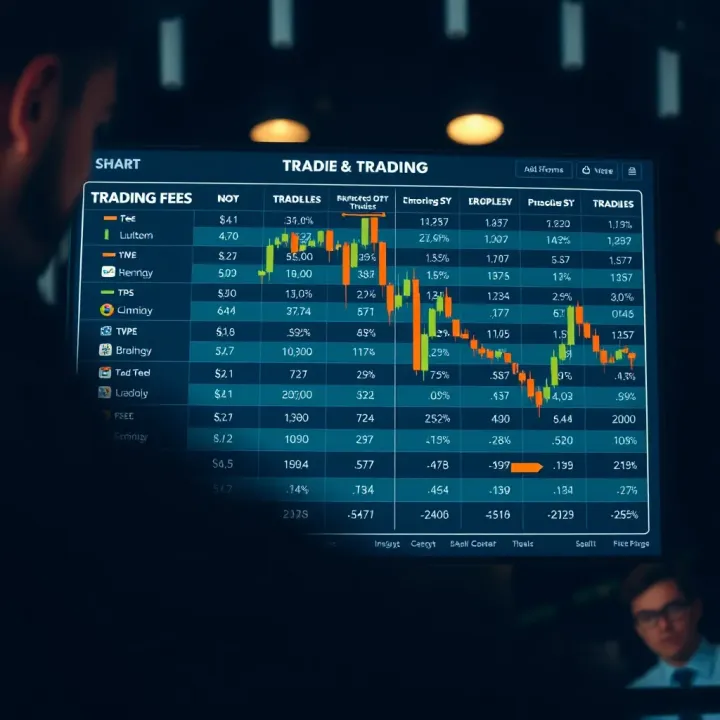
Discover how Kenyan investors can pick the best trading platform by comparing fees, tools, security, and support for a smarter trading 📈 experience.
Explore derivative trading in Kenya 📈 Learn types, risks, rewards & how to use these tools for smart investing, hedging, and managing portfolios wisely.

📈 Discover how Kenyan investors can benefit from copy trading! Learn to follow top traders, understand risks, and pick the right platforms easily.
Based on 7 reviews