
Understanding Derivative Trading in Kenya
Explore derivative trading in Kenya 📈 Learn types, risks, rewards & how to use these tools for smart investing, hedging, and managing portfolios wisely.
Edited By
Thomas Hughes
Robot trading, also known as algorithmic or automated trading, refers to the use of computer programs to execute buy and sell orders in financial markets with very little human intervention. These systems rely on preset rules and complex algorithms designed to spot trading opportunities and react faster than any human could.
In Kenya, as elsewhere, robot trading has grown in popularity, especially among active traders and brokers seeking to capitalise on market fluctuations quickly and efficiently. Instead of manually placing trades through a broker, investors can programme trading robots to automatically operate on their behalf using parameters such as price targets, volume, or timing.
Automated trading can process vast amounts of data and execute orders within milliseconds—a speed impossible for human traders to match.
This speed advantage helps reduce the risks of delayed decision-making in volatile markets. For example, in Nairobi Securities Exchange (NSE), where price swings can occur within seconds due to local or global news, robots help traders lock in profits or cut losses swiftly.
However, the technology is not without challenges. Overreliance on robots without adequate oversight can lead to unforeseen losses, especially if algorithms fail to adapt to sudden market changes or technical glitches occur. It is vital for users in Kenya to understand the strategies these robots use and the risks involved.
Common strategies applied in robot trading include:
Trend following: Buying securities when prices show upward momentum and selling when momentum fades.
Arbitrage: Exploiting small price differences between related assets across markets.
Market making: Continuously placing buy and sell orders to profit from the bid-ask spread.
Local regulations under the Capital Markets Authority (CMA) have started addressing algorithmic trading risks to protect investors, including proper disclosures and risk assessments.
Understanding robot trading systems allows Kenyan traders and investors to make more informed decisions, balancing speed and efficiency with risk management. As technology advances and adoption grows, recognising how automated systems shape the market landscape becomes a valuable skill.
Understanding what robot trading involves is fundamental for anyone active in financial markets today. This section breaks down the concept, highlighting its role and mechanics, essential for grasping how these systems shape markets and influence trading outcomes.
Robot trading refers to the use of computer programmes that carry out buying and selling of securities with minimal human intervention. These automated systems analyse market data, identify trading opportunities, and execute trades according to pre-set instructions. For example, a Kenyan investor using an algorithm on a platform like Safaricom’s investment portals can let the robot respond instantly to price changes without waiting for manual orders.
Within markets, robot trading helps boost efficiency by processing vast data quickly, cutting through the noise to seize tiny profit chances often missed by human traders. Nonetheless, these robots also influence market behaviour and liquidity, sometimes intensifying volatility during fast-moving situations.
Algorithms depend on detailed data streams and specific market indicators to make decisions. They examine price trends, volumes, currency fluctuations, and global economic news — like changes in oil prices or Kenya’s inflation reports—from sources updated in real-time. The system then processes this data to spot patterns or signals matching its programmed strategy, such as momentum shifts or arbitrage chances.
For instance, an algorithm might detect a drop in NSE stock prices coinciding with a positive economic report and decide quickly if this signals a buying opportunity. This data-driven approach helps traders react faster and more objectively than manual analysis allows.
Once the algorithm chooses a trade, speed becomes critical. This is where execution technology shows its value. Automated systems send orders instantly to exchanges or broker platforms, sometimes completing transactions in milliseconds. This rapid execution can mean the difference between profit and loss, especially in high-frequency contexts.
In Nairobi Securities Exchange (NSE) trading, even a delay of seconds can cause traders to miss favourable prices. Robot trading minimises these delays, handling order submissions efficiently and reducing the risk of slippage—the difference between expected and actual trade prices.
Robot trading comes in two main forms: fully automated and semi-automated. Fully automated systems manage everything from signal detection to execution without human input. They are common among hedge funds and professional traders who rely on speed and strict discipline.
Semi-automated systems, on the other hand, need some human oversight—perhaps to confirm trades before execution or to adjust parameters based on market conditions. This approach suits individual investors or smaller firms wanting control alongside automation.
Several platforms popular in Kenya support robot trading. MetaTrader 4 and 5 are widely used internationally and locally, offering tools for strategy programming and backtesting. Locally, platforms like KCB M-Pesa’s investment services and broker apps linked to NSE allow user-friendly integration of automated trading.
Choosing the right platform depends on your trading style, budget, and the level of automation you prefer. Reliable platforms ensure smooth connectivity to exchange data and quick order execution, which are vital for robot trading success.
Automated trading systems have reshaped how markets operate, speeding up transactions and lowering barriers for many investors. But knowing how they work, and the types available, gives you an edge in navigating today’s financial environment efficiently.
Trading robots rely on distinct strategies to make decisions quickly and efficiently. Understanding these approaches helps traders and investors grasp how automated systems impact the markets. Each strategy automates decision-making based on clear rules, eliminating emotional bias but also exposing the system to specific risks depending on market conditions.
Trend following involves algorithms identifying and riding market trends rather than predicting reversals. The robot buys when prices rise steadily and sells when the momentum fades. For example, a robot trading equities on the Nairobi Securities Exchange (NSE) may detect a steady upward trend in Safaricom shares and enter long positions until indicators turn bearish.
Momentum strategies focus on the speed of price changes. Traders use signals like moving averages or the Relative Strength Index (RSI) to quantify if a price movement has enough force to continue. A robot might buy a stock experiencing rapid upticks during the trading day and quickly exit once the momentum slows down. These strategies suit volatile markets but need strong risk controls to prevent losses during sudden reversals.
Arbitrage is about exploiting price discrepancies for the same asset across different markets. Robots scan multiple exchanges simultaneously, noticing when a stock trades cheaper on one platform than another. For instance, if a share of Equity Bank trades at KSh 40 on NSE but slightly higher on a regional East African exchange, an arbitrage robot buys from NSE and sells on the other exchange, locking in risk-free profit after covering transaction costs.
This strategy is useful in local markets where price inefficiencies persist due to slower information flow or fragmented trading platforms. However, these opportunities can vanish quickly as more robots jump in, making the technology and speed critical advantages.
Market makers facilitate trading by continuously quoting buy and sell prices, profiting from the spread — the difference between the bid and ask prices. Robots engage in market making by placing simultaneous orders, ensuring there is always a buyer and seller in the market. This helps narrow spreads and improves liquidity.
In Kenyan markets, automated market making can help stabilise prices for less liquid stocks, enabling investors to enter or exit positions faster. However, market making requires constant risk monitoring because adverse price movements can leave the market maker exposed. Robots can respond faster to price changes, cancelling risky orders to limit losses.
High-frequency trading (HFT) involves executing numerous trades within fractions of a second to profit from tiny price changes. Scalping is a form of HFT focusing on quick entry and exit to accumulate small gains repeatedly. Both strategies demand sophisticated hardware and software for millisecond-level execution.
Though these strategies dominate more advanced markets, their presence in Kenyan equities and forex is growing as technology access expands. They help tighten spreads and increase volume but also raise concerns about market fairness and volatility.
"Automated strategies, by cutting down human reaction time, have reshaped how markets behave—speed and precision often decide who profits and who doesn’t."
Understanding these common strategies provides insight into how robots influence market dynamics, offering both opportunities and challenges for Kenyan traders and investors.
Robot trading systems bring a mix of clear benefits and notable risks that traders and investors must understand. These automated systems process market data and execute trades with little delay, but they also depend heavily on technology and algorithms which can sometimes fail or misbehave. Knowing both sides helps Kenyan traders make smarter, safer decisions when using these tools.
One of the biggest advantages robot trading systems offer is speed. They can analyse complex market data and place orders in milliseconds, far quicker than any human trader. This swift execution is critical for capturing small price movements, especially in volatile markets like the NSE or during active trading hours.
Besides speed, robots operate without emotions such as fear or greed. Human traders often struggle with these feelings, which can lead to poor decision-making—buying high out of excitement or selling low due to panic. Robot algorithms follow set rules and strategies consistently, helping maintain discipline and reduce costly mistakes. For example, a robotic system programmed to cut losses automatically will do so promptly, even if the trader might hesitate due to hope for a rebound.
Despite their strengths, robot trading systems rely on dependable technology. System failures, internet outages, or software bugs can disrupt trading at critical moments. For instance, if a power surge knocks out your router or your computer crashes, the trading bot might miss market opportunities or fail to close positions, leading to unexpected losses.
These glitches matter especially during fast markets when delays cause slippage—the difference between expected and actual trade prices. Kenyan traders using platforms that depend on stable internet connections, such as those operating from Nairobi or smaller towns, should be ready with backup plans like mobile internet hotspots or alternative devices.
Another pitfall is overfitting, where a trading strategy performs well in past data tests but fails in live markets. This happens when a robot is too closely tuned to historical trends that do not recur, making it vulnerable to unexpected market changes.
Market volatility can also trip up automated systems. Sudden events like geopolitical tensions or economic shocks may shift market behaviour drastically, rendering pre-programmed strategies ineffective. For example, a robot optimised for calm markets might take heavy losses during a sharp Nairobi Securities Exchange correction because it does not adapt quickly to new conditions.
Regulators face difficulties monitoring automated trading to ensure fair play. Robots can execute massive orders at high speeds, sometimes causing sudden market swings or exploiting tiny price differences unfairly. In Kenya, the Capital Markets Authority (CMA) works to enforce rules that prevent manipulative practices and protect smaller investors.
The challenge lies in keeping pace with fast-evolving technologies while balancing innovation and market stability. Transparency from traders about their use of robot systems and ongoing upgrades to regulatory frameworks are key to maintaining trust and fairness in Kenyan and global markets.
While robot trading improves efficiency and reduces emotional errors, traders should stay alert to technical risks and evolving regulations to trade responsibly and protect their investments.
Understanding these advantages and risks helps traders in Kenya navigate the automated trading world with a grounded approach, avoiding common pitfalls while making informed decisions.
Regulation shapes how robot trading operates, ensuring markets stay fair and stable. For Kenyan traders, understanding the regulatory landscape helps avoid legal pitfalls and aligns strategies with compliance. Globally, evolving rules respond to the rapid growth of automated systems to safeguard investors and market integrity.
The Capital Markets Authority (CMA) in Kenya has set guidelines to supervise the use of automated trading systems to prevent market abuse, fraud, and technology failures. These rules require firms deploying robot trading to register their algorithms and prove they have robust risk controls in place. For example, firms must demonstrate how they prevent erroneous trades and ensure algorithms won't destabilise the market during volatile periods.
This regulation helps protect Kenyan investors from manipulative practices and technical glitches that could wipe out portfolios overnight. It also pushes market players to adopt safer, tested systems, benefiting all participants with improved trust and transparency.
Across major financial centres like London, New York, and Singapore, regulators impose strict rules on algorithmic trading, including mandatory testing, real-time monitoring, and clear liability measures. These strict frameworks influence global markets, pushing local players in Kenya to maintain compatible standards, particularly as cross-border trading grows.
For instance, the U.S. Securities and Exchange Commission (SEC) enforces rules that require firms to have circuit breakers in their algorithms to pause trading under abnormal market conditions. Kenyan brokers trading in international equities will often comply with such standards to avoid penalties and support smooth market operation.
Artificial intelligence (AI) and machine learning (ML) are changing robot trading by enabling systems to learn from market data in real-time rather than relying on preset rules. These technologies help robots spot patterns humans might miss and adjust strategies quickly to market shifts. For Kenyan investors, AI-driven robots can offer more adaptive and potentially profitable trading tactics, especially with local market nuances where data may be less uniform.
However, this also raises concerns about market predictability and fairness. Regulators, including the CMA, are watching closely to ensure such AI-powered systems don’t create unfair advantages or unintended risks.
Blockchain technology offers transparent and tamper-proof transaction records, which is reshaping how robot trading operates, particularly on decentralised platforms. Unlike traditional exchanges, these platforms allow trades to be executed peer-to-peer without intermediaries, reducing costs and settlement times.
In Kenya, where fintech adoption is rapid, decentralised trading could open new avenues for automated trading on assets beyond conventional stocks, such as digital currencies or tokenised real estate. It also forces regulators to rethink oversight approaches since decentralised systems operate beyond traditional frameworks.
Looking ahead, robot trading will become more sophisticated with tighter integration of AI and blockchain, enabling rapid, low-cost trades across a wider range of assets. Kenyan traders should prepare for stricter regulatory scrutiny that balances innovation with investor protection.
Additionally, expect more education and tools from brokers to help local investors harness robot trading safely. The focus will remain on transparency, risk management, and ensuring that automated systems complement human judgement rather than replace it entirely.
Staying informed about regulatory changes and technological advances is key to navigating the growing world of robot trading successfully.
The future promises exciting opportunities but demands cautious optimism and a well-grounded understanding of both rules and tools in play.
Explore derivative trading in Kenya 📈 Learn types, risks, rewards & how to use these tools for smart investing, hedging, and managing portfolios wisely.

📈 Discover how Kenyan investors can benefit from copy trading! Learn to follow top traders, understand risks, and pick the right platforms easily.
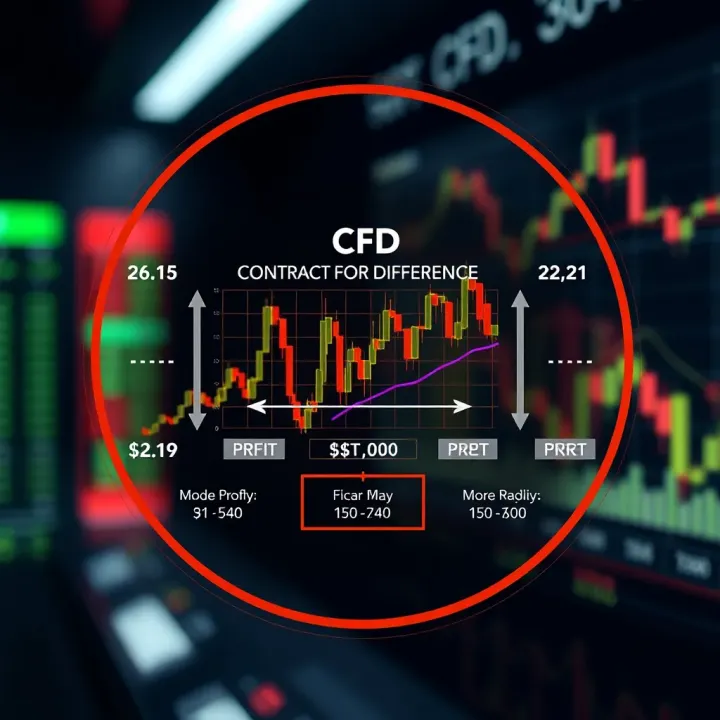
📈 Explore CFD trading basics for Kenyan traders, learn strategies, understand risks, and navigate local regulations to trade smartly.
📊 Learn key candlestick types, their features, and how traders in Kenya use them to spot market trends and improve trading decisions confidently.
Based on 14 reviews