
Understanding Derivative Trading in Kenya
Explore derivative trading in Kenya 📈 Learn types, risks, rewards & how to use these tools for smart investing, hedging, and managing portfolios wisely.
Edited By
Isabella Reed
DMPesa is emerging as a promising digital payment platform tailored to Kenya’s evolving financial landscape. Unlike the traditional M-Pesa that kicked off the country’s mobile money revolution, DMPesa integrates digital wallet features with more diverse payment options, aiming to simplify transactions for both users and businesses.
At its core, DMPesa lets users send and receive money through smartphones, while also allowing payments for goods and services directly from the app. This streamlines day-to-day transactions from matatu fares and supermarket bills to utility payments.
DMPesa's design focuses on speed, security, and ease, meeting the needs of Kenya’s tech-savvy population who want quick access to funds without queuing at banks or agents.
The platform supports instant fund transfers to both bank accounts and mobile wallets, bridging the gap between formal banking and mobile money. Businesses benefit from integrated payment collection tools, which reduce reliance on cash and improve sales tracking.
Furthermore, DMPesa comes with security layers such as two-factor authentication and real-time transaction alerts to keep users’ money safe. Its user-friendly interface invites even those new to digital payments to manage finances more confidently.
The shift from traditional M-Pesa to DMPesa reflects Kenya’s broader move towards a digital economy, facilitated by widespread smartphone use and internet access. For investors and financial analysts, understanding DMPesa is crucial to grasping upcoming trends in Kenya’s payment ecosystem.
To sum up, DMPesa serves as a modern payment solution blending convenience for everyday users with powerful tools for businesses. It represents a natural progression from cash-heavy practices towards more digitised, transparent transactions.
Understanding what DMPesa is and how it operates is key for traders, investors, and financial analysts keen on Kenya's evolving digital economy. DMPesa simplifies daily transactions by allowing users to send, receive, and pay using just their mobile phones. It's more than just a payment tool; it is shaping how money moves across the country’s informal and formal sectors.
DMPesa is Kenya's newly introduced digital payment platform designed to complement and expand upon existing mobile money options like M-Pesa. It functions through smartphone applications and USSD codes, enabling users to conduct financial activities without needing a bank account. This feature is particularly helpful for rural residents and smaller traders who might lack easy access to banks.
What sets DMPesa apart is its integration with various services — from utility bill payments to peer-to-peer transfers and merchant payments, making transactions faster and reducing the reliance on physical cash. For example, a boda boda rider can receive payments instantly for a ride through DMPesa, avoiding the risks of carrying cash and providing convenience to both rider and customer.
While traditional M-Pesa offers fundamental money transfer and payment services, DMPesa introduces enhanced options like instant loan access, savings components, and investment products directly through the platform. It supports multi-currency transactions within the East African Community, a feature not yet standard in M-Pesa, appealing to traders involved in cross-border commerce.
For instance, a Nairobi-based trader selling goods to buyers in Uganda can use DMPesa to receive payments in Ugandan shillings, saving time and conversion hassle compared to M-Pesa’s more localised operations.
DMPesa boasts a more user-friendly interface suitable for both smartphone and feature phone users, aiming to reduce the number of menu options for ease of navigation. The app supports quick authentication methods, including biometrics on supported phones, speeding up access while maintaining security.
This contrasts with traditional M-Pesa’s USSD menu, which can be cumbersome for less tech-savvy users. DMPesa’s smoother flow encourages higher adoption, as even small-scale traders can quickly learn to operate it without lengthy training.
DMPesa generally offers lower transaction fees for small-value transfers and micro-payments, recognising the needs of everyday Kenyan consumers and small businesses. Conversely, M-Pesa tends to charge more for similar transactions, especially when cashing out, affecting frequent users with tight margins.
Also, DMPesa’s transparent fee structure allows users to anticipate costs upfront, which is vital for small businesses planning their daily expenses. For example, a kiosk owner can confidently use DMPesa knowing the exact charges for each transaction, helping manage operating costs effectively.
In short, understanding how DMPesa improves on traditional mobile money services provides valuable insight for anyone engaged in Kenya’s digital payments scene, whether analysing market trends or managing business finances.
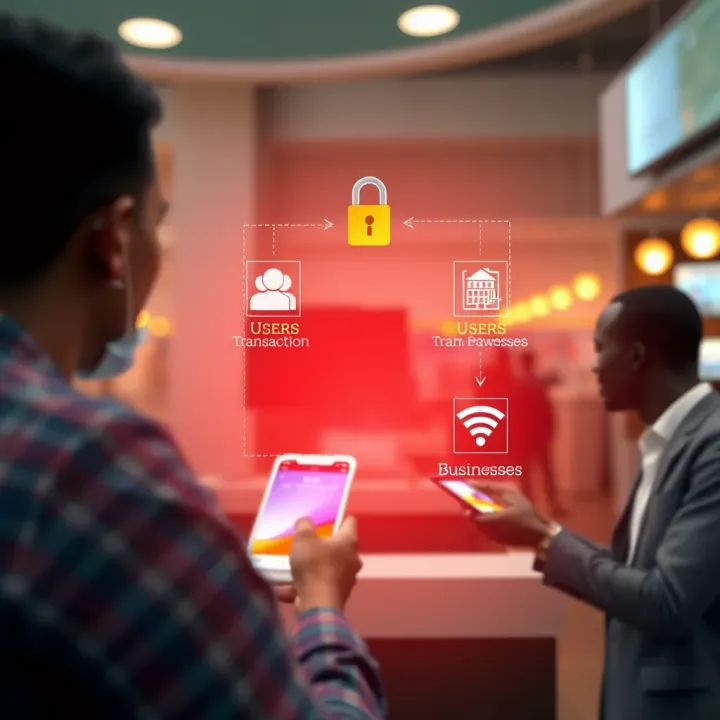
DMPesa offers several key benefits that make it a practical tool for both everyday users and businesses across Kenya. It not only streamlines payments but also promotes financial access for communities often left out of traditional banking. Understanding these benefits helps traders, investors, and analysts grasp why this platform is rapidly gaining importance.
One major advantage of DMPesa is how easy it makes managing money. Users can pay bills, send money, and receive payments instantly using their mobile devices. For example, a teacher in Kisumu can settle utility bills during lunch break without visiting the post office. This removes the need to queue or carry cash around, lowering risks of theft or loss.
Moreover, DMPesa’s interface is designed for low-end phones common in rural Kenya, meaning even those without smartphones get to use this service. Its integration with M-Pesa and other payment methods also means users don’t have to change their existing habits drastically—they just add DMPesa as another option. This seamless approach enhances accessibility, especially for the elderly and people in remote areas.
Small business owners and traders benefit hugely from DMPesa’s instant payment capabilities. A boda boda operator in Nairobi, for instance, can accept payments directly through the platform, reducing the hassle of handling cash. This not only increases transparency but also speeds up the cash flow, essential for daily market operations.
Traders dealing with local suppliers also find DMPesa useful because it allows immediate payment confirmation. This helps avoid delays that could disrupt supply chains. Plus, transaction records kept automatically help businesses track their earnings and expenses more accurately, easing tax compliance and loan application processes.
DMPesa plays a notable role in widening financial inclusion. Despite the presence of many banks, a significant portion of Kenya’s population traditionally remained unbanked. DMPesa taps into this gap by offering financial services without the need for formal bank accounts.
The platform’s role extends beyond payments—by enabling microloans and savings functions within its system, it helps people build credit history. This opens doors for individuals and small enterprises to access loans from institutions like the Higher Education Loans Board (HELB) or local microfinance providers. Hence, DMPesa bolsters the foundations of Kenya’s cashless economy, encouraging digital transactions as part of everyday life.
DMPesa is shifting Kenya’s economic landscape by making financial services more reachable and practical for all layers of society, not just those near physical banks.
In sum, DMPesa combines convenience, support for small-scale commerce, and financial inclusion, making it a vital platform in Kenya’s evolving digital economy.
When dealing with money transfers and payments through DMPesa, security and trust are non-negotiable. Users expect that their funds and personal information will remain safe, especially given the rise in digital transactions across Kenya’s vibrant economy. DMPesa’s reputation hinges on safeguarding users against fraud and data breaches, which is why several robust security measures are in place.
DMPesa invests heavily in protecting user funds via encryption technologies that guard transactions from interception. For example, all transaction data is encrypted end-to-end, preventing unauthorised third parties from eavesdropping. Furthermore, users must authenticate every transaction with a Personal Identification Number (PIN), which acts as a second layer of defence beyond just having access to the mobile device.
In addition, DMPesa systems regularly monitor transactions for odd patterns. If a sudden spike in transfers occurs on an account or unusual withdrawal requests surface, the platform can flag these activities for review, temporarily halting them until verified. This early warning system helps prevent fraud before any damage happens.
Fraudsters often rely on social engineering to trick users into revealing sensitive information. DMPesa combats this by educating customers about common scams, such as fake agents demanding PINs or spoofed messages requesting account details. Mobile network operators running DMPesa also collaborate closely with financial crime units and the Communications Authority of Kenya to report, investigate, and shut down fraudulent operations quickly.
Another approach involves limiting the maximum transaction value per day and capping the number of daily transactions to manage risk exposure. Additionally, DMPesa employs methods like two-factor authentication (2FA) for certain high-risk operations, ensuring that even if a mobile phone is lost or stolen, an extra verification step protects the account.
Trust grows when users feel that their money is not just stored but actively protected against threats.
To keep your DMPesa account secure, always set a strong PIN and never share it with anyone, even if they claim to be from Safaricom or any other official body. Regularly update your mobile phone’s software to patch security vulnerabilities. Be cautious when using public Wi-Fi for transactions; instead, rely on your mobile network or secure connections.
Avoid clicking on suspicious links or responding to unsolicited messages asking for your account details. If suspicious activity occurs, contact Safaricom’s customer care immediately to block your account or report fraud attempts.
By following these precautions alongside DMPesa’s security features, users can enjoy a safe and reliable digital payment experience tailored to Kenya’s unique market.
Starting with DMPesa is essential for anyone keen to benefit from Kenya’s growing digital payment system. This section walks you through the simple steps to register, use it for daily transactions, and connect it to other services. With DMPesa, traders and investors can save time, reduce cash handling risks, and even tap into new market opportunities.
To use DMPesa, the first step is to register an account. Unlike some services that require a bank account, DMPesa registration is simple and accessible to anyone with a Safaricom mobile number. You can register at any Safaricom shop or authorised agent by providing your national ID and mobile number. The process usually takes only a few minutes.
Once registered, setting up your account involves creating a secure PIN code. This PIN protects your money and personal details during transactions. For traders, it’s advisable to keep this PIN confidential and avoid sharing it, even with close colleagues, to prevent unauthorised access.
DMPesa makes everyday payments effortless. Whether you want to pay your rent, school fees, or buy goods from a local trader, you can do so instantly from your mobile. For example, a small shopkeeper in Nakuru can accept DMPesa payments directly, cutting down the need for cash handling and improving transaction records.
Sending money to family or business partners is straightforward too. You just enter the recipient's number, the amount, and confirm with your PIN. The money is sent instantly, which helps avoid delays common with bank transfers, especially in rural areas.
DMPesa's real strength lies in its ability to link with various other services and applications. Many online platforms like Jumia Kenya or Glovo allow payments through DMPesa, making purchasing goods or ordering food as easy as a few clicks.
Moreover, SMEs can integrate DMPesa with their accounting software or e-commerce sites to automate payments and invoicing. For instance, a Nairobi-based apparel business can accept payments via DMPesa through their website, expanding sales beyond physical stores.
Using DMPesa is not just about sending money but connecting safely and efficiently with the wider economy.
By understanding how to register, use DMPesa every day, and link it with other services, you position yourself well to thrive in Kenya’s digital economy. Knowing these basics is crucial, whether you’re a trader wanting to ease customer payments or an investor tracking financial flows.
The future of DMPesa looks promising as Kenya continues to embrace digital payments. With rapid smartphone adoption and widespread mobile network coverage, DMPesa is well-positioned to become a key player in Kenya's expanding cashless economy. Understanding upcoming technological advancements, market competition, and regulatory changes helps traders, investors, and financial analysts anticipate how DMPesa will evolve.
Mobile money platforms like DMPesa are investing heavily in new technology to stay relevant. For instance, integration with Artificial Intelligence (AI) for personalised financial recommendations and improved fraud detection is already in the works. Additionally, innovations such as QR code payments and API access for third-party apps allow smoother transactions and more business opportunities. Still, competition is stiff — players like Airtel Money and Tala are introducing competitive features to capture market share, pushing DMPesa to keep improving service speed, user interfaces, and lower transaction fees.
Kenya's cashless economy is accelerating, driven by mobile payment platforms. DMPesa's expansion encourages more informal traders and small businesses to embrace digital finance, reducing liquidity risks and improving record-keeping. This shift benefits the economy by increasing transparency and tax compliance through platforms like iTax. For example, county-level markets increasingly accept DMPesa payments, helping reduce cash handling risks among matatu operators and boda boda crews. On the flip side, widespread mobile money use can stimulate demand for mobile lending and insurance products, further deepening financial inclusion.
Mobile money like DMPesa is not just a convenience; it's reshaping Kenya’s economic landscape by linking informal sectors to formal financial systems.
The Kenyan government and institutions such as the Central Bank of Kenya (CBK) are keenly watching mobile money growth. They have introduced measures to promote consumer protection without stifling innovation. For example, CBK has guidelines on transaction limits and transparency for fees, which DMPesa complies with to build user trust. Furthermore, ongoing discussions about data privacy regulation and cross-platform interoperability will affect DMPesa’s operations. Traders and investors should track these policies closely, as stricter regulations can impact costs or open new opportunities for partnerships with banks and fintechs.
In summary, DMPesa's future is shaped by its ability to innovate amid competition, contribute to Kenya’s cashless push, and adapt to evolving regulations. Staying informed will be vital for anyone involved in Kenya's digital financial space.
Explore derivative trading in Kenya 📈 Learn types, risks, rewards & how to use these tools for smart investing, hedging, and managing portfolios wisely.
📄 Learn what derivative status means, how to claim it, and its legal impact in Kenya. A clear guide on eligibility, process, and common issues faced.
Explore how Kenyan traders can master Deriv Trader 🌍 with step-by-step account setup, top trading options, and smart risk management tips for success 📈.

Explore how derivative contracts shape Kenyan markets 📊, their types, risks, and benefits for investors and businesses navigating complex financial tools.
Based on 11 reviews